
Get in Touch with Engelhardt


Aurora
I write about how custom rubber parts are made and how rubber can be joined to metal. My articles cover material and molding choices, surface preparation, and bonding methods, helping readers understand which design details to clarify before they discuss a molded component with a supplier.
How Custom Rubber Molded Parts Are Made — Materials, Methods, and Design Specs
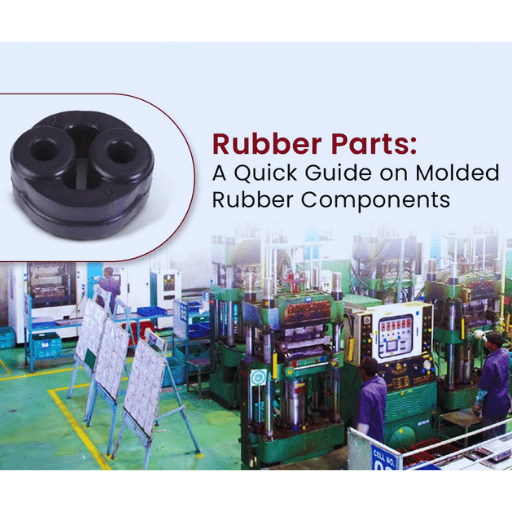
Quick Specs: Custom Rubber Molded Parts Molding methods: Compression, transfer, injection Common elastomers: NBR, EPDM, silicone, FKM, neoprene, natural rubber Intervallo di tolleranza: 0.005″ (rialzo) a 0.015″ (compressione) da ISO 3302 Tooling cost range: $2,000-$50,000+ varies according to number of…
Rubber-to-Metal Bonding: A Practical Guide to Methods, Adhesives, and Surface Preparation

Your question about how to bond rubber to metal actually has three answers: it depends on your volume of production, the compound involved, and the environment in service. Permanent bonds are best achieved by vulcanization, small repairs or batch work…
Rubber to Metal Bonding: How It Works, Why It Fails, and How to Get It Right
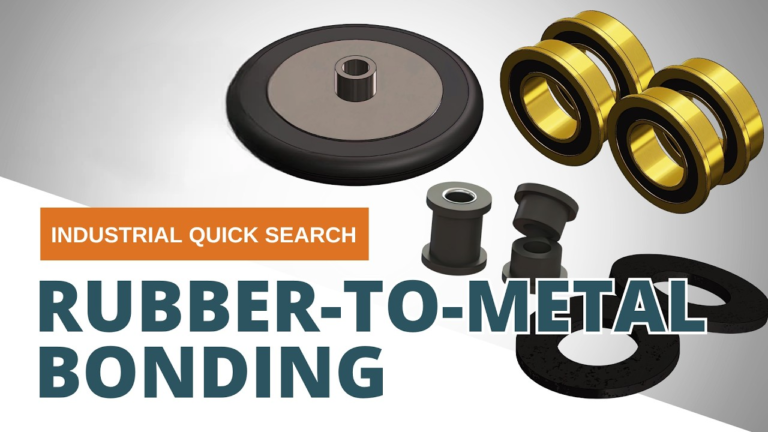
Rubber to metal bonding is the chemical-physical union of two dissimilar materials, an elastomer and a metal substrate, into a single, integral component. Every good engine mount that cushions a vehicle engine’s motion, every anti-vibration bushing that isolates a pμmp…
A Practical Guide to Rubber Injection Molding: Process, Materials & Design Rules
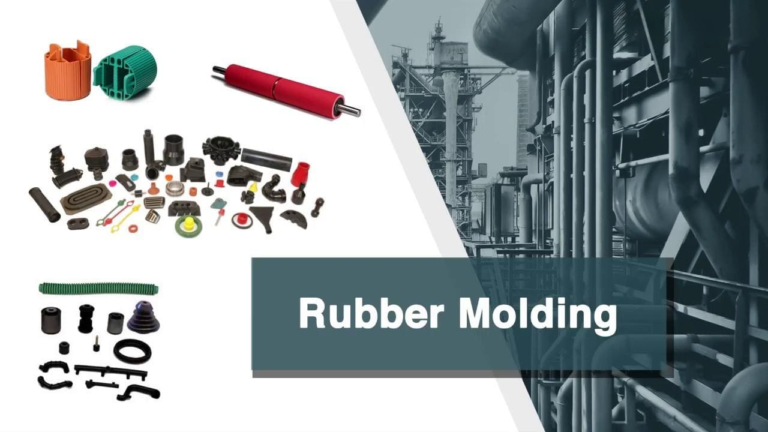
Rubber Injection Molding, describes the process of feeding an uncured rubber compound through a heated barrel and injecting it, under high pressure, into a closed die cavity where, heat and pressure, initiates a vulcanized finished elastomer component. It is currently…
Plastic Injection Molding: A Buyer’s and Engineer’s Guide to Process, Materials, and Cost
Plastic injection molding will transform a thermoplastic resin pellet into a precision molded part at volumes of a few thousand to hundreds of millions per year. If this is your first time purchasing molded components – or the application requires…