Get in Touch with Engelhardt


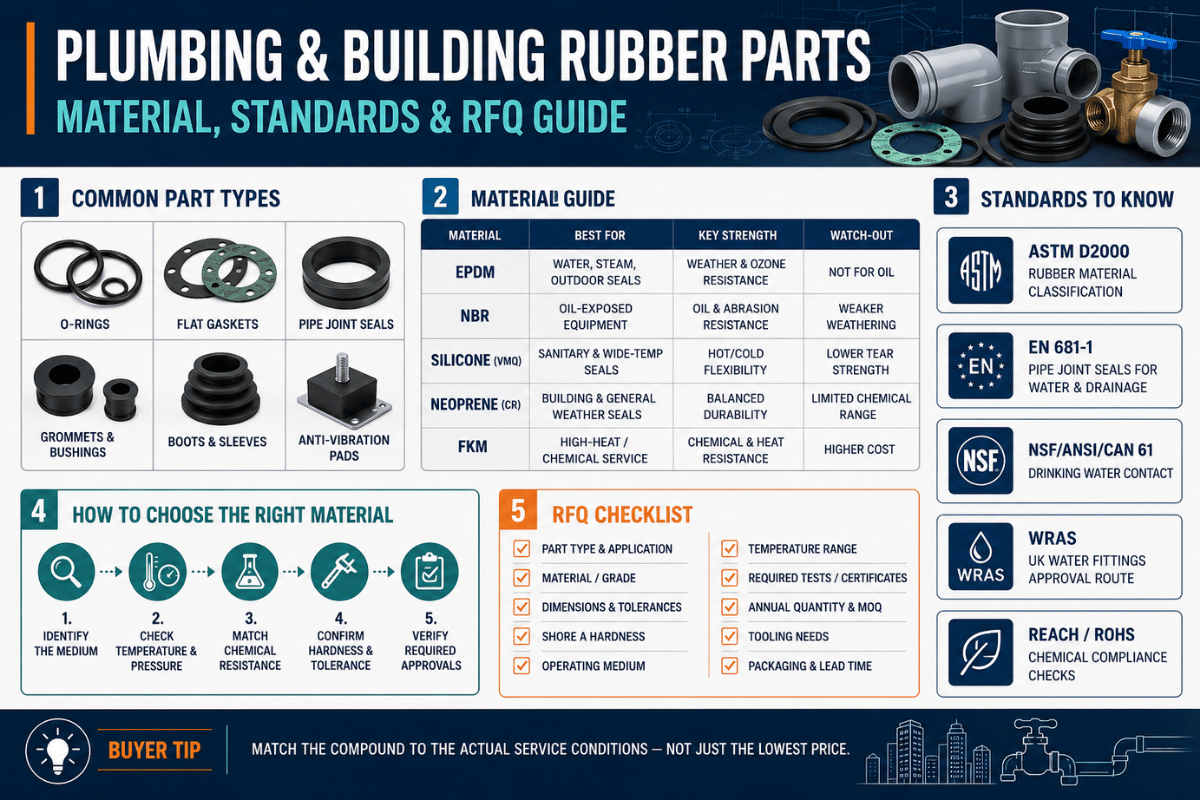
Plumbing & Building Rubber Parts can mean two very different buying tasks: retail repair pieces for a jobsite, or custom plumbing and building rubber parts for an OEM product, a sanitaryware program, a pipe system, or a building assembly. This guide stays on the second task.
Buyers do not need yet another catalog page here. A better question: which compound, process, test report, and supplier control will prevent a drain seal, gasket, O-ring, coupling, or sleeve from becoming a leak point on a plumber’s jobsite after the part leaves the sample bench?
Quick Specs
| Main part families | Pipe couplings, drain seals, gaskets, washers, O-rings, sleeves, bushings, foam seals, sanitaryware mechanism seals. |
|---|---|
| Common elastomers | EPDM, NBR, silicone, neoprene, plus natural rubber in low-risk non-potable positions. |
| Main failure risks | Compression set, swelling, ozone cracking, under-cure, chemical attack, and use of a wrong standard. |
| Standards to check | NSF/ANSI/CAN 61, EN 681-1, ASTM D2000, ASTM D395, FDA 21 CFR 177.2600, WRAS, KTW. |
| RFQ inputs | Drawing or sample, service medium, temperature, pressure, chemical exposure, material target, annual volume, part finish, and inspection record needed. |
What Counts as Plumbing & Building Rubber Parts?
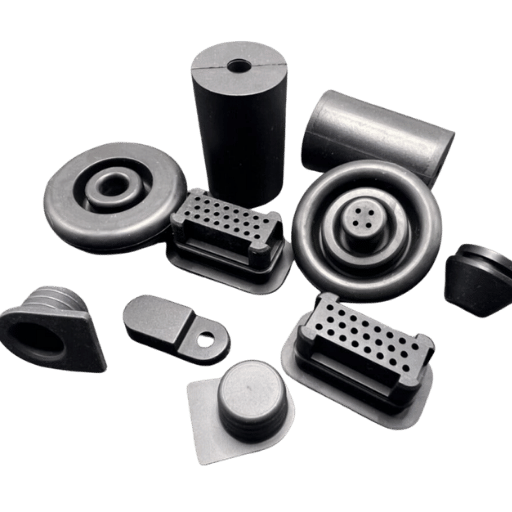
For OEM buying, plumbing and building rubber parts are made of elastomers which join, shield, cushion, isolate, or seal a water, drain, pipe, fixture, sanitaryware, or building assembly. One name can hide very different risks. A washer behind a tap valve, a pipe sleeve in a wall penetration, and a foam weather strip all use rubber, but they do not see the same water pressure, heat, chemicals, or outdoor exposure.
That is why a custom part request should start with function, not only shape. Drawings give the dimensions. Application data points the OEM supplier to rubber families, cure methods, process routes, and test reports worth extra attention.
| Part group | OEM signal | Retail repair signal |
|---|---|---|
| Gaskets and seals | Custom cross-section, controlled hardness, test record, and repeat order plan; see rubber gaskets and seals. | Shelf pack chosen by visible diameter or fixture brand. |
| O-rings | Groove fit, squeeze, media, and compound file are known before tooling for custom rubber O-rings. | Loose replacement ring matched by approximate size. |
| Profiles and sleeves | Cross-section is fixed by system geometry and may need extrusion; see custom extruded rubber. | Cut-to-length strip or patch part. |
7-Part Application Map: Couplings, Drain Seals, Gaskets, O-Rings, Sleeves, Foam and Sanitary Mechanisms
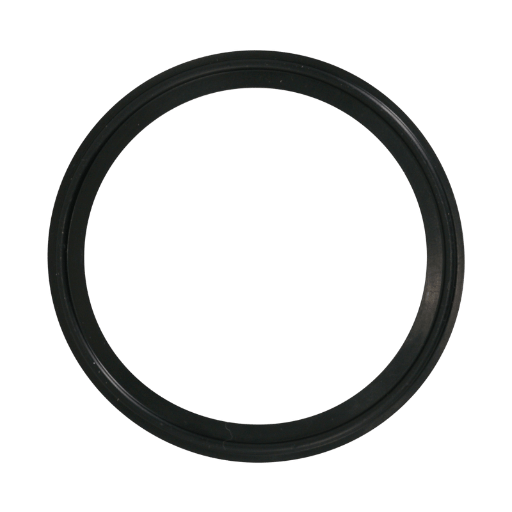
Grouping the part by working condition removes mis-selection risk early. This 7-Part Application Map turns an obscure request into a usable light engineering brief.
| Part family | Service condition | First material screen | Inspection point |
|---|---|---|---|
| Pipe couplings | Water, drain, vibration, clamp force. | EPDM for water/weather; NBR if oil is present. | Hardness, joint squeeze, pressure test. |
| Drain seals | Wastewater, cleaners, low pressure, odor control. | EPDM or neoprene after cleaner review. | Compression set and surface finish. |
| Flat gaskets | Flange load, water path, heat cycling. | EPDM, NBR, silicone, or neoprene by media. | Thickness, die-cut edge, torque response. |
| O-rings | Radial or face seal, squeeze, dynamic movement. | Compound based on media and lubricant. | ID/CS tolerance, flash, compression set. |
| Sleeves and bushings | Pipe protection, wall pass-through, vibration isolation. | EPDM for weather; neoprene for balance of water and abrasion. | Tear strength, dimensional fit, aging check. |
| Foam and sponge seals | Building gaps, low closure force, air or dust block. | EPDM sponge for outdoor exposure. | Density, recovery, skin quality. |
| Sanitary mechanisms | Tank, flush, valve, water metering, or backflow subassemblies. | EPDM or silicone after water-contact review. | Seal lip, actuation life, water-contact file. |
9-Point Buyer Risk Matrix
Use this matrix when a drawing looks simple but the service condition is unclear. Each row points to the first question a buyer should settle before material approval.
| Risk type | Trigger signal | First buyer question |
|---|---|---|
| Pressure seal | Pipe, valve, meter, or pump joint. | What squeeze and pressure must the rubber hold? |
| Hot-water seal | Water heater, mixing valve, or sanitaryware part. | What peak and steady temperature apply? |
| Chemical seal | Cleaner, chlorine, hypochlorite, oil, or grease contact. | Which fluids touch the part, and for how long? |
| Outdoor seal | Roof, wall, window, HVAC, or exposed sleeve. | Will ozone, UV, rain, or storage age the part? |
| Low-force closure | Foam, sponge, flap, or weather strip. | How much recovery is needed after compression? |
| Moving seal | Valve, flush, metering, or actuation mechanism. | Does the seal slide, flex, rotate, or stay static? |
| Reverse-engineered sample | Old part is cracked, swollen, or flattened. | What was the original shape before aging? |
| Regulated water contact | Drinking water, endpoint device, or market approval. | Which named file must match the compound and market? |
| Assembly-sensitive seal | Part leaks only after clamp, torque, or fixture assembly. | Which mating surface and assembly load control sealing? |
Five Failure Modes That Start With the Wrong Rubber Specification
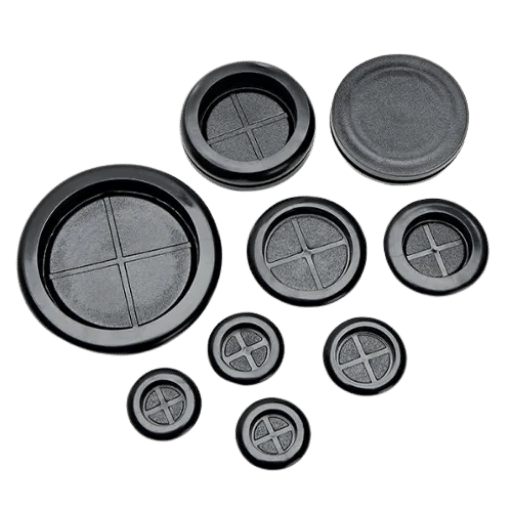
Most failures do not begin at installation. They begin in the RFQ, where media, temperature, squeeze, or standard language is missing. Suppliers then quote “black rubber” or a familiar compound, and the weak point appears months later as a leak, crack, swell, or warranty return.
ASTM’s rubber standards provide property tests for physical, chemical, and mechanical characteristics, including compression set tests using ASTM D395. This is important because a seal’s quality is not only judged by how it looks on day one, but how much force the recovery applies after compression, heat, and media exposure.
| Failure mode | What buyer sees | Usual spec gap | RFQ fix |
|---|---|---|---|
| Compression set | Seal stays flattened and begins to drip. | No squeeze, heat, or recovery target. | State compression, temperature, time, and test method. |
| Swelling | O-ring grows, sticks, or binds in a valve. | Oil, grease, fuel, or cleaner not declared. | List all fluids, lubricants, and cleaning agents. |
| Ozone or UV cracking | Fine surface cracks on outdoor sleeve or weather seal. | Indoor compound used outdoors. | State outdoor exposure, ozone, UV, and installation storage time. |
| Under-cure or over-cure | Sticky surface, odor, weak tear, or hard brittle edge. | No process window or lot control review. | Ask for cure control, batch trace, and first-article checks. |
| Wrong standard | Part passes size checks but fails approval review. | “Food grade” or “water grade” used without named test scope. | Name the target standard and the market where it is needed. |
What causes a rubber gasket to leak after installation?
Leaks after assembly can come from lost compression force, compound swelling, cracked contact faces, uneven flange pressure, or a semantic mismatch with heat and media. Hard rubber is not always the best correction. Harder compounds can seal worse if they cannot adapt to the mating surface.
Engineering Note: Compression set is not only a compound property. Cure state, part geometry, squeeze percentage, service temperature, and time under load all change how much sealing force remains after the part has been compressed.
4-Exposure Elastomer Rule: EPDM, NBR, Silicone or Neoprene
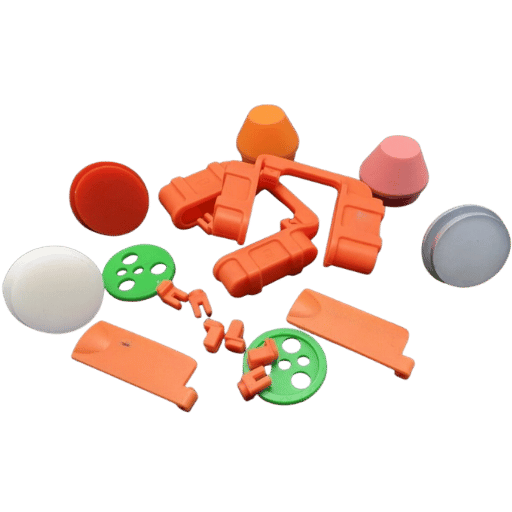
This 4-Exposure Elastomer Rule offers a simple first-pass screening: water/weather, oil/fuel, heat, and mixed-duty abrasive. It will not replace engineering review, but it stops first-pass selection from choosing the wrong starting rubber family.
“The first question is not which rubber is cheapest. It is what the part will see: water, heat, oil, chlorine, movement, weather, or all of them in sequence.”
– Engelhardt Engineering Team
| Exposure first | Likely elastomer | Where it fits | Limit to check | Document to request |
|---|---|---|---|---|
| Water, steam traces, outdoor air | EPDM | Pipe seals, drain seals, building weather seals, sanitaryware parts. | Poor fit for petroleum oil or fuel. | Compound file, hardness, compression set, water-contact standard if needed. |
| Oil, grease, fuel trace | NBR | Valve seals, pump-adjacent parts, service tools with oil contact. | Weaker weather and ozone resistance than EPDM. | Oil-swell result and media list. |
| Heat or food-contact concern | Silicone | Hot-water-adjacent seals, appliance seals, selected sanitary components. | Lower tear strength than many dense rubbers. | FDA or LFGB file if the end use asks for it. |
| Water plus abrasion or general-duty use | Neoprene | Drainage, sleeves, protective parts, mixed-duty building components. | Application-specific water-contact approval still needs review. | ASTM material classification and chemical exposure check. |
For early selection, a buyer can compare target compounds in Engelhardt’s plumbing rubber compound selector. Treat the result as a starting point, then confirm with a drawing, media list, and approval target.
What rubber is best for plumbing seals?
EPDM is a default place to start when selecting a material for rubber seals that contact water, as it resists water, weather, ozone, and most common building exposures. This, however, is not an exhaustive solution. If a seal comes into contact with oil, grease, fuel, aggressive cleaning solutions, or is subjected to high tear stress, a rubber seal made of NBR, silicone, neoprene, or a custom compound might be a more suitable initial choice.
Standards Map: NSF/ANSI 61, EN 681-1, ASTM D2000, WRAS and KTW
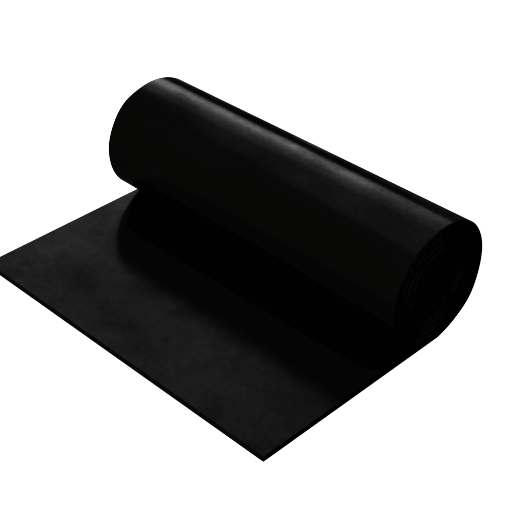
A standard is only useful if it matches the job it is being asked to prove. “Water grade rubber” is too vague for an OEM buyer. This table separates health-effects review, pipe-joint seal material rules, rubber classification, compression recovery, and food-contact repeated-use rules.
| Standard or file | What it helps prove | What it does not prove by itself |
|---|---|---|
| NSF/ANSI/CAN 61 | Health-effects requirements for drinking-water system components and materials. | Seal life, torque setting, mechanical fit, or taste and odor performance. |
| EN 681-1 | Vulcanized rubber seal material requirements for pipe joints used in water and drainage applications. | A finished joint guarantee; joint design and seal geometry still matter. |
| ASTM D2000 | Rubber material classification by type, class, and suffix requirements. | Finished-part approval without drawing, process, and inspection criteria. |
| ASTM D395 | Compression set behavior under stated test conditions. | Chemical compatibility or water-contact acceptance. |
| FDA 21 CFR 177.2600 | Rubber articles intended for repeated use in food handling, processing, packing, transport, or holding. | General potable-water acceptance. |
| WRAS / KTW | Market-specific water-contact approval targets in the UK or Germany. | Approval for a different country, compound, or contact condition. |
EN 681-1 is a good example of why the exact application matters. That referenced listing covers cold potable water up to 50 C, hot potable and non-potable water up to 110 C, and drainage, sewerage, and rainwater service at lower continuous and intermittent temperatures. Those categories are more useful than a loose “plumbing rubber” label.
A Spring 2025 building-officials training deck on NSF 61 shows why source files change over time. It frames NSF/ANSI/CAN 61 around health effects for drinking-water system components and points buyers back to the exact section, revision, material, and end product covered by a file.
Are EPDM rubber parts safe for potable water?
EPDM can be used in potable-water parts, but the safe answer is not “EPDM equals potable.” The compound, colorants, processing aids, extraction result, end-use geometry, and certification scope need to match the market. Ask for the file tied to the exact compound and water-contact condition.
How should a standards target be written into an RFQ?
A usable standards request has four parts: market, standard, contact condition, and part scope. For example, “EPDM gasket for cold potable water, NSF/ANSI/CAN 61 review required for the finished compound and intended contact condition” gives the supplier far more to work with than “water-safe EPDM.”
Add the approval owner too. Some buyers need a supplier-held material file. Others need the file linked to the buyer’s finished assembly, label, or product family. That difference affects sample planning, test timing, and who can reuse the report on the next order.
Use “or equivalent” with care. It may help during early sourcing, but it can create trouble if the purchasing file later accepts a part that the compliance team cannot use. Better wording is usually: target standard, target market, required evidence, and who must sign off before production tooling is released.
Molded vs Extruded vs Die-Cut Rubber: Process Selection for Plumbing Parts
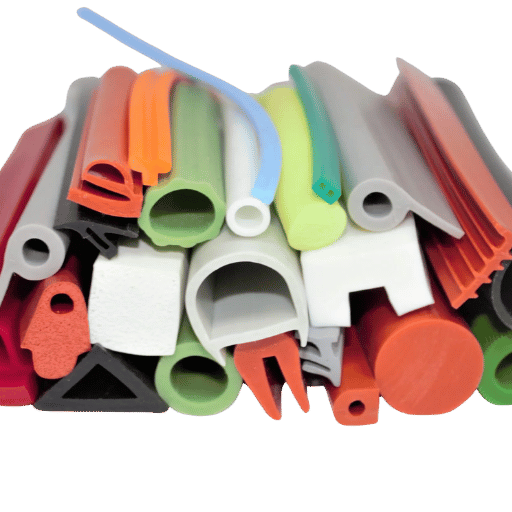
Process choice affects tooling cost, flash, tolerance, profile length, and how many parts a supplier can repeat per shift. If the buyer sends only a photo, the supplier may quote the process it has available, not the process the part needs. Engelhardt routes early process questions through its plumbing rubber process advisor.
| Process | Best fit | Cost and tolerance behavior | Watch point |
|---|---|---|---|
| Compression molding | Lower-to-medium volume, larger seals, thick sections, simpler molds. | Lower mold cost than many high-output paths, with more manual handling. | Flash, cure time, and cavity balance. |
| Transfer molding | More detailed parts, inserts, and mid-volume sealing components. | Better material flow than simple compression molds, with added runner control. | Runner waste, knit lines, and insert movement. |
| Rubber injection molding | Higher volume, tighter repeatability, smaller seals, or many cavities. | Higher tooling and setup cost can pay back when volume is high. | Gate mark, flow balance, and compound scorch risk. |
| Extrusion | Continuous profiles, sleeves, weather seals, and cut-to-length strips. | Good for length-based profiles; cross-section tooling drives fit. | Profile shrinkage, splice quality, and sponge density. |
| Die-cutting | Flat washers, low-profile gaskets, pads, and shims. | Good for flat stock; thickness tolerance comes from sheet control. | Edge quality, hole deformation, and nesting yield. |
Advantages / Limits
Molding advantage: better control for three-dimensional seal lips, undercuts, thick sections, and integrated features.
Extrusion or die-cut limit: good for profiles or flat parts, but not a cure-all for molded geometry, tight lip sealing, or insert-bonded parts.
12-Field Plumbing Rubber RFQ Packet
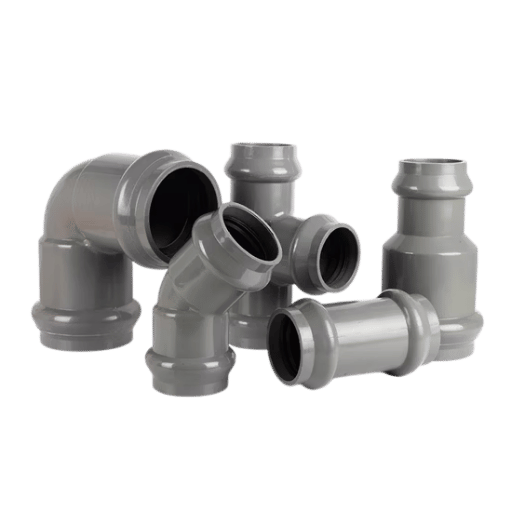
A short RFQ creates long email loops. A complete RFQ packet lets a supplier quote material, tooling, sample plan, and production route without guessing. Engelhardt provides a focused plumbing rubber RFQ checklist for this step.
| RFQ field | Why it changes the quote |
|---|---|
| 1. Drawing or sample | Defines shape, tolerance, and reverse-engineering work. |
| 2. Critical dimensions | Separates cosmetic size from sealing size. |
| 3. Tolerance target | Affects mold design, process route, and inspection time. |
| 4. Material target | Narrows compound work before sampling. |
| 5. Service medium | Water, oil, gas, cleaner, chlorine, and hypochlorite affect swelling and aging. |
| 6. Temperature | Changes compound choice, cure review, and set risk. |
| 7. Pressure or closure force | Tells the supplier whether the part seals by squeeze, clamp force, or geometry. |
| 8. Outdoor or ozone exposure | Controls weather-aging review. |
| 9. Target standard | Prevents late approval failure after tooling. |
| 10. Annual volume | Affects compression, transfer, or injection route. |
| 11. Finish or assembly need | Adds trimming, bonding, coating, or packaging work. |
| 12. Inspection file | Defines whether the order needs dimensional report, material test, or lot trace. |
Spec Value Examples to Replace With Project Data
The values below are examples of fields to record, not default limits. Replace them with the project drawing, test plan, and market approval target.
A buyer note might call out +/-0.3 mm on a seal lip, +/-0.8 mm on a non-sealing outside edge, 20% squeeze at 23 C, and a 150 PSI pressure test for 30 minutes. If shipping can reach -20 C or hot water can reach 110 C, put both conditions in the file instead of assuming room-temperature performance.
If the drawing already references ISO 3302-1 rubber tolerances, ISO 3601 O-ring sizing, ISO 9001 supplier controls, or FDA 21 CFR Part 177.2600 food-contact review, keep those names in the RFQ rather than replacing them with generic “rubber standard” language.
Record aging notes the same way: 70 C for 22 hours, 100 C for 70 hours, 50 ppm ozone, 12 mm profile width, and 1.5 mm sealing lip are all clearer than “test to normal rubber requirements.”
| Spec field | Example values to record | Why the unit matters |
|---|---|---|
| Seal squeeze | 10%, 20%, or 25% | Compression changes recovery force and set risk. |
| Hot-water exposure | 50 C, 80 C, or 110 C | Temperature affects compound choice and cure review. |
| Cold storage or shipping | 0 C, -20 C, or -40 C | Low-temperature handling can change assembly behavior. |
| Pressure test point | 50 PSI, 150 PSI, or 300 PSI | Pressure defines the seal load case. |
| Dimensional tolerance | +/-0.2 mm, +/-0.5 mm, or +/-1.0 mm | Tolerance changes mold review and inspection time. |
| Cross-section size | 2 mm, 5 mm, or 10 mm | Section size affects flow, cure, and compression behavior. |
| Cut profile length | 300 mm, 600 mm, or 1 m | Length affects extrusion, cutting, and packaging checks. |
| Cleaner concentration | 1%, 3%, or 5% | Chemical dose affects swelling and aging review. |
| Sample compound lot | 1 kg, 5 kg, or 10 kg | Sample mass affects mixing, color match, and lab trial planning. |
If only a damaged sample exists, send photos of the installed position, the mating parts, the leak path, and the old seal after removal. A reverse-engineered part needs context; a copied profile without service data can repeat the same failure.
Supplier Quality Gate: Batching, Cure, Tooling and Traceability
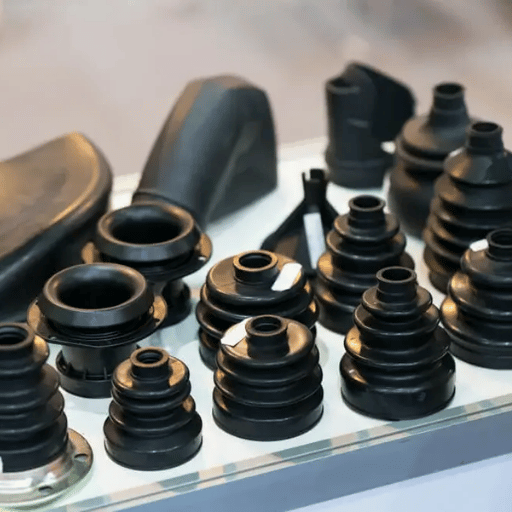
Sampling proves that one part can be made. Quality control proves that the part can be repeated. Before a buyer releases tooling, the supplier should be able to explain compound batching, mold control, cure control, dimensional inspection, traceability, and corrective action.
Engelhardt’s published plumbing-rubber page and company profile list +/-0.3% compound batching accuracy, MES traceability, in-house testing, in-house tooling, 40+ vulcanizing presses for this product area, and wider rubber/silicone production capacity. Those facts are useful because plumbing seals depend on repeatable compound and cure control, not only mold shape.
| Gate | Question to ask | Why it matters |
|---|---|---|
| Compound batching | How are rubber, fillers, curing agents, and colorants weighed and recorded? | Small recipe drift can alter hardness, set, swell, or approval files. |
| Cure control | What cure time, mold temperature, and press settings are locked after sample approval? | Wrong cure can create sticky, brittle, weak, or odor-heavy parts. |
| Tooling control | Who maintains the mold, flash line, venting, and cavity ID? | Tool wear changes sealing faces and part-to-part repeatability. |
| Inspection | Which dimensions, hardness, and visual features are checked per lot? | A seal may pass general size checks but fail at the lip or compression surface. |
| Traceability | Can a finished bag be traced to material batch, press, mold, and date? | Trace data limits the scope of a field issue. |
For a supplier background check, review the production base, certification list, tooling resources, and test setup on the Engelhardt company profile. Then compare those facts with the actual part risk. A low-pressure foam seal does not need the same file as a potable-water valve gasket, but both need repeatable process control.
2026 Outlook: Potable-Water Records and EPDM Sourcing Signals
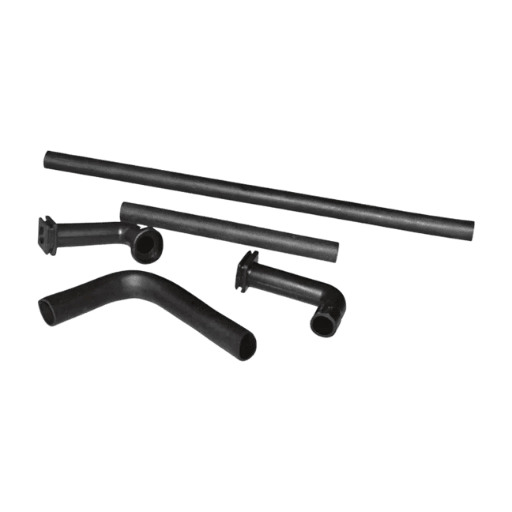
The pressure on buyer records is growing. A Spring 2025 BOABC presentation explains NSF 61 as a health-effects standard for drinking-water system components. It also states what the standard does not cover: performance, taste and odor, and microbial support.
For procurement, that distinction changes the buyer checklist. A part can need a health-effects file, a material classification, a compression set result, and a process-control record at the same time. None of those files replaces the others.
Search data also points to steady demand around EPDM gaskets, EPDM rubber gaskets, NBR gaskets, neoprene gaskets, rubber pipe couplings, and rubber gasket material. The available data is six-month search data, not a full year-over-year trend set, so the safer action is practical: define the application, name the standard, and keep quote-intent traffic pointed to the commercial plumbing rubber parts page.
Buyer Actions for 2026 Orders
- Ask for the material standard before tooling starts.
- Define water, cleaner, chlorine, oil, heat, and outdoor exposure in the RFQ.
- Keep commercial quote requests tied to a part drawing or sample, not only a material name.
FAQ
How long do EPDM plumbing seals last?
View Answer
No single life number fits every EPDM plumbing seal. Water chemistry, heat, squeeze, ozone, cleaner exposure, storage, and motion all change the result.
When is NBR better than EPDM in plumbing or building parts?
View Answer
NBR is often reviewed when oil, grease, or fuel contact is part of the service condition. EPDM is stronger for water and weather exposure in many plumbing and building positions, but it is not the first choice for petroleum oil. If both water and oil are present, send the full media list to the supplier before sampling. Include lubricants, cleaning chemicals, and any short-term maintenance fluids too, since a seal can fail from a fluid it only sees during service work.
Can a supplier reverse-engineer a plumbing rubber part from a sample?
View Answer
Yes, but the sample is only the starting point. A used seal may be swollen, flattened, cut, or hardened. Send installation photos, mating-part dimensions, service media, temperature, pressure, and approval targets so reverse engineering can rebuild the function, not only copy the aged shape.
What tolerances apply to molded rubber parts?
View Answer
Rubber tolerance depends on compound, geometry, shrinkage, mold layout, flash line, process path, and measurement method. Do not apply metal or plastic tolerance habits to rubber without review. Mark the sealing face, groove fit, and assembly features as controlled dimensions, then leave non-functional areas with looser limits where possible. A supplier can often hold the features that matter, but asking for tight limits everywhere raises cost and can slow sample approval.
Is injection molding always better than compression molding?
View Answer
No. Injection molding can be a strong fit for higher-volume, repeatable parts, but compression molding may be the better route for larger seals, thick sections, lower annual volume, or simpler geometry. Process choice comes from part size, cavity count, compound, tolerance target, sample budget, and annual order volume.
Which documents should a plumbing rubber supplier provide?
View Answer
For a low-risk seal, a drawing review and material sheet may be enough. For water-contact, pressure, heat, or regulated markets, ask for a compound file, hardness result, dimensional report, compression set or aging data where relevant, and the named approval file for the target market. Suppliers should also be able to trace production lots back to material batch and press records. If the part goes into a private-label product, ask who owns the test file, how long records are kept, and what happens if a compound ingredient changes after approval.
Related Articles
References and Sources
- BOABC – NSF 61 Detail Explained, Spring 2025
- NSF/ANSI 61 – Drinking Water System Components: Health Effects
- eCFR – 21 CFR 177.2600 Rubber Articles Intended for Repeated Use
- ASTM – D2000 Rubber Products Classification System
- ASTM – Rubber Standards
- Building CodeHub – BS EN 681-1:1996 Elastomeric Seals
Prepare a Cleaner Plumbing Rubber RFQ
Send the drawing, sample photos, media list, temperature, pressure, material target, standard target, and annual volume. Engelhardt can review the material and process path before tooling.