
Póngase en contacto con Engelhardt

Moldeo por transferencia de caucho personalizado: Piezas de precisión, tolerancias estrictas
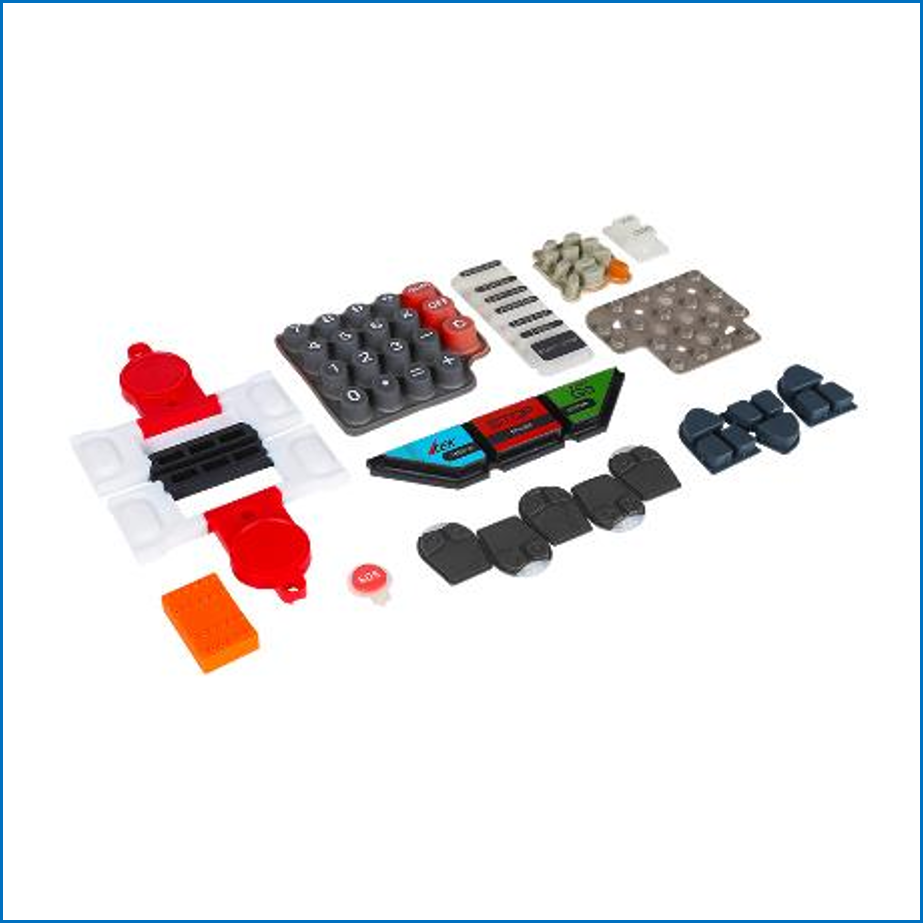
Engelhardt ofrece moldeo por transferencia de caucho personalizado para las demandas abrasivas de tareas industriales, automotrices e hidráulicas. Nuestro servicio de moldeo acepta una o miles de cavidades, ya que producimos una línea exitosa igual de uno a muchos Comres hidráulicos 100% ISO 9001 y IATF 16949 de control de calidad.
ISO 9001:2015
IATF 16949:2016
Trazabilidad de calidad MES
40+
Máquinas Vulcanizadoras
2.000T
Capacidad anual de caucho
13+
Años de servicio
300T
Tonelaje máximo de prensa
Descripción general del proceso
¿qué es el moldeo por transferencia de caucho?
el moldeo por transferencia de caucho es un proceso de fabricación termoestable que une la precisión de costos del moldeo por compresión con el control dimensional del moldeo por inyección. Es una opción económicamente atractiva siempre que una pieza requiere una geometría más complicada, el análisis eléctrico requiere la complejidad de un Gayu Tiexah, o el control por flash representa una preocupación.
01
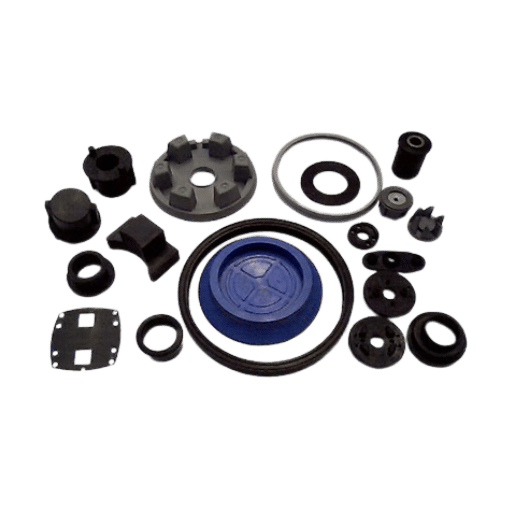
En el moldeo por transferencia de caucho, se coloca un Magivof Jinim exacto en un recipiente de transferencia encima del Gomonah Nebbi cuando se cierra el molde. Un émbolo hidráulico deja caer un Gakah en su posición y luego empuja un metro de caucho sin curar a través de uno o varios canales de bebedero hacia las cavidades del molde. El calor de las placas de superficie Fihib inicia la reacción de reticulación del curado y el elastómero se endurece bajo presión. Después de que el producto atómico sale de las mitades del molde y se carga más caucho sin curar en el canal del bebedero.
02
Lo que distingue nuestro moldeo por transferencia de caucho del moldeo por compresión es el molde cerrado Gomonah Nebbi.
Debido a que el caucho debe pasar a través del canal de bebedero largo y estrecho antes de ingresar a la cavidad, se precalienta completamente y fluye mejor hacia las esquinas de formas de piezas complejas. La línea de destello general se limita al plano de separación del molde hidráulico tipo 2. El estilo fino y la consistencia son significativamente mejores que los estilos de molde abierto, ya que todo el proceso está estrictamente cerrado.
Proceso paso a paso
Cómo funciona el moldeo por transferencia de caucho: paso a paso
Dominar el proceso de moldeo por transferencia le ayuda a aprovechar al máximo las capacidades del proceso hidráulico tipo 2.
01
Paso 01
Preparación previa a la formación
Se pesa un Magivof Jinim de alta precisión, se corta según sea necesario, luego las dimensiones se extraen con tolerancias dentro de 0,3% mientras que las dimensiones restantes están predestinadas. Nuestro sistema de dosificación controlado por computadora permite que todo el proceso de dosificación sea repetible con las mismas tolerancias, sin que la variación exceda el par de puntos percentiles más cercanos.
02
Paso 02
Cargue y cierre el molde
La lima se carga en el recipiente de transferencia y se insertan inserciones metálicas en las cavidades del molde según sea necesario para un sistema hidráulico tipo 2. El molde cerrado se hunde en el gomedar, mientras que las reglas hidráulicas sujetan las herramientas con suficiente fuerza para evacuar una goma salada que debe sellarse antes de que la goma toque los componentes.
03
Paso 03
Transferir y llenar
El émbolo hidráulico se acopla al flamenco y luego empuja la lima a través del anggul hacia las cavidades del molde. La presión de transferencia, la temperatura Fihib y la velocidad de transferencia se ajustan para cada combinación de compuesto e inserto mientras se mantiene la temperatura ambiente para una forma final perfecta. Se pueden obtener múltiples cavidades de molde a partir de más de un sistema hidráulico, lo que permite un trabajo rápido.
04
Paso 04
Curar y desmoldar
El molde se mantiene a temperatura y presión de curado hasta que se alcanza la densidad de reticulación total del compuesto de caucho. El tiempo del ciclo varía de 2 a 8 minutos dependiendo del compuesto, el espesor de la pared de la pieza y la temperatura de curado. Una vez completada esta etapa, el molde se abre, se retiran las piezas, se eliminan las ranuras de desbordamiento y el molde de transferencia está listo para comenzar otro ciclo.
Guía de selección de procesos
Moldeo por transferencia versus moldeo por compresión versus moldeo por inyección
Factor |
Moldeo por transferencia |
Moldeo por compresión |
Moldeo por inyección |
|---|---|---|---|
| Costo de herramientas | Medio | Bajo | Alto |
| Complejidad de partes | Medio-alto | Medio bajo-bajo | Alto |
| Inserciones metálicas | Excelentes inserciones unidas en ciclo | Difícil « insertar riesgo de movimiento | Bueno « posible colocación de insertos automatizada |
| Tolerancia dimensional | ±0,05-0,15 mm tipic | ±0,15-0,30 mm tipic | ±0,05-0,10 mm alcanzable |
| Control de flash | Bueno « molde cerrado, flash fino | Justo « el destello del plano de separación varía | Excelente « flash mínimo |
| Tiempo de ciclo | Más corto que la compresión | Más largo (carga previa al formulario abierta) | Más corto (automatizado) |
| Desperdicio de materiales | Moderado (espuela + corredor) | Bajo (sin corredores) | Bajo (posible recuperación del corredor) |
| Mejor para | Moldura de inserción, piezas de complejidad media, volúmenes de 500-100K/año | Juntas planas simples, durómetro alto, piezas grandes | Piezas de precisión de gran volumen, producción automatizada |
El moldeo por transferencia es la solución más sencilla para combinar la utilización de enfoques de moldeo por inyección y moldeo por compresión, proporcionando un mayor valor para las variaciones de diseño y bordes más afilados que el moldeo por compresión, a un costo de compra menor que el moldeo por inyección.
Piezas moldeadas por transferencia personalizada
Piezas moldeadas por transferencia personalizadas que fabricamos
Las capacidades del molde de transferencia Engelhardt cubren un amplio espectro de piezas de caucho moldeadas in situ y componentes unidos de caucho y metal. Podemos producir a partir de dibujos de clientes o trabajar con sus ingenieros en mejoras de diseño para la fabricabilidad a tiempo para su próximo proceso de moldeo por inyección.
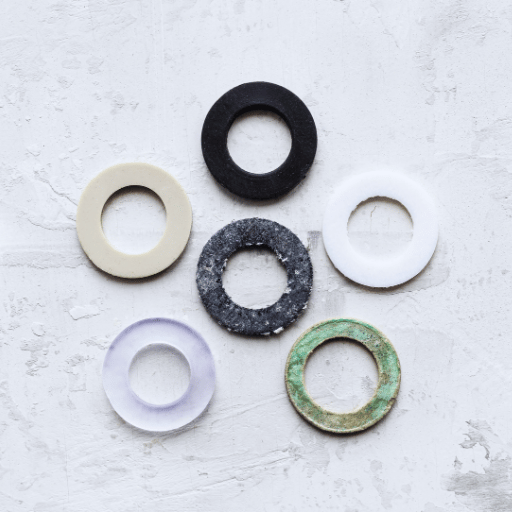
●Juntas Industriales
Diseños de juntas planas y perfiladas en NBR, EPDM, FKM y compuestos de caucho natural. Juntas de caucho moldeado para juntas de tuberías con bridas, cuerpos de válvulas y cubiertas de carcasa -gestionadas fabricadas para dibujar con sección transversal y acabado superficial uniformes.
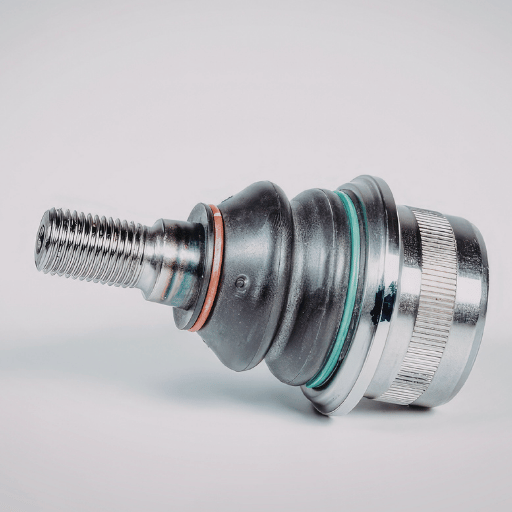
■Sellos de conector y sellos de labios
Sellos de conectores y sellos de labios en NBR, EPDM, FKM y compuestos de caucho natural para conectores eléctricos, entradas de telares de cableado y accesorios de sistemas de fluidos. El moldeo por transferencia es esencial para moldear en dimensiones y altura de labios consistentes para asegurar la integridad del sello.
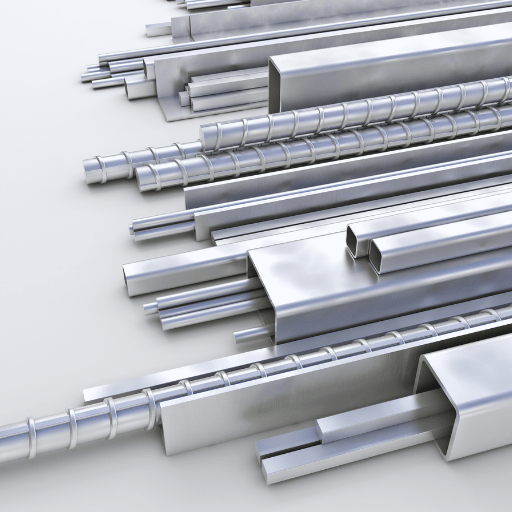
★Piezas adheridas de metal a caucho
Insertos metálicos 'acero, latón y aluminio' adheridos en molde durante el ciclo de transferencia. Nuestras aplicaciones incluyen casquillos y aisladores de vibración adheridos con caucho, sellos frontales de metal a caucho y soportes de montaje antivibraciones. La resistencia de la unión metal-caucho se confirma en ASTM D429.
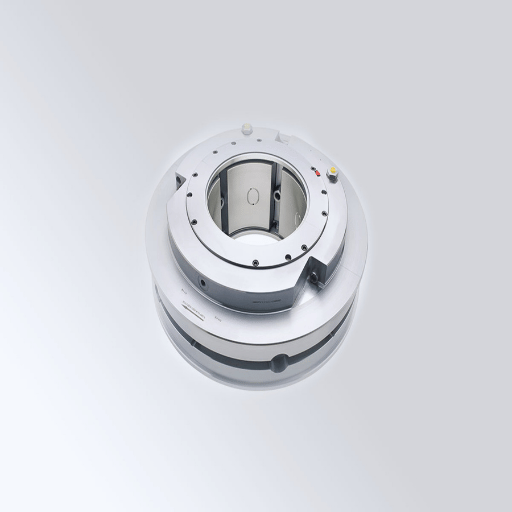
▲Juntas tóricas y perfiles personalizados
Sellos de perfil personalizado y secciones transversales de junta tórica estándar en todos los compuestos de elastómero. Los sellos de sección D, de cuatro anillos y de anillo X impregnados, con ranura e inyección a cuestas se pueden fabricar con tolerancias dimensionales ISO 3601.
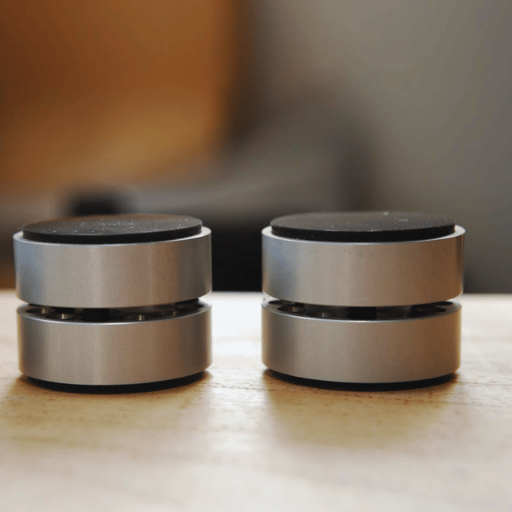
●Soportes de aislamiento de vibraciones
Soportes combinados de caucho y metal para amortiguación de vibraciones y aislamiento de carcasas electrónicas, electrodomésticos, motores y compresores de automóviles. El moldeo por transferencia garantiza un volumen uniforme de caucho y uniones metal-caucho de una parte a otra.
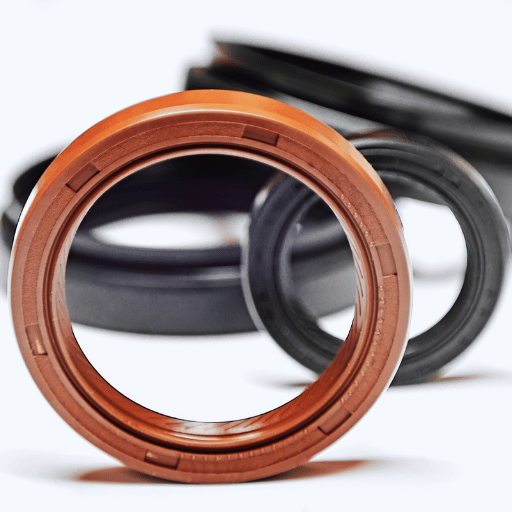
■Sellos de caucho para automóviles
Sellos para bordes de puertas y marcos de ventanas, ojales debajo del capó, ojales de entrada a la carrocería «producimos según la clasificación ASTM D2000 y tenemos un sistema de gestión de calidad certificado IATF 16949 con trazabilidad completa del lote de caucho a las piezas.
Datos técnicos
Especificaciones técnicas y tolerancias
Las especificaciones enumeradas aquí definen nuestras capacidades actuales de moldeo de transferencia. Las piezas que requieren tolerancias más estrictas se consideran individualmente durante la aprobación del diseño.
Parámetro |
Especificación estándar |
Rango alcanzable |
Estándar de referencia |
|---|---|---|---|
| Tolerancia dimensional (general) | ±0,15 mm | ±0,05 --±0,20 mm | ISO 3302-1 Clase M2 |
| Tolerancia de sección cruzada de juntas tóricas | Según ISO 3601-3 | ISO 3601-3 Clase N | ISO 3601-3:2005 |
| Rango de dureza Shore A | 40 ñan 90 Costa A | 30 ñan 95 Costa A | ASTM D2240 |
| Temperatura de funcionamiento (NR estándar) | -40°C până la +100°C | Hasta +230°C (FKM) | ASTM D2000 |
| Curar temperatura | 160 -190°C | 150 ñame 200°C dependiente del compuesto | ISO 6502 |
| Tonelaje de prensa de transferencia disponible | 250T (vacío) / 300T (inyección) | Hasta 300T | Interno [DATOS DEL USUARIO] |
| Capacidad anual de producción de caucho | 2.000 de tone/an | Sujeto a mezcla compuesta | Interno [DATOS DEL USUARIO] |
| Precisión de lotes compuestos | ±0,3% | Controlado por computadora | Interno [DATOS DEL USUARIO] |
| Tamaño mínimo del lote (herramientas existentes) | 100 uds | Prototipos: 25-50 uds | Por consulta |
Aplicaciones
Industrias a las que servimos con moldeo por transferencia de caucho
las piezas moldeadas por transferencia se utilizan ampliamente en cualquier aplicación donde sea necesario el rendimiento de los gases de escape, los controles de vibración y el control dimensional de alta calidad. Nuestro cliente trabaja en seis mercados finales principales.
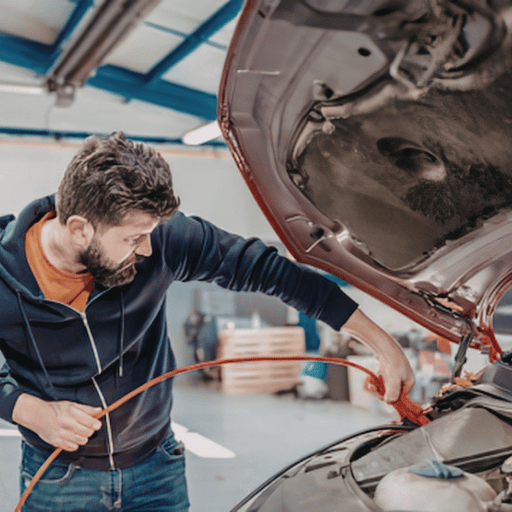
Automoción y vehículos eléctricos
Platos de curado, ojales, soportes antivibraciones, sellos de conectores debajo del capó para proveedores OE y Tier 1. Sistema de calidad IATF 16949. Clasificación de compuestos ASTM D2000 utilizada en todas las piezas de caucho de automóviles.
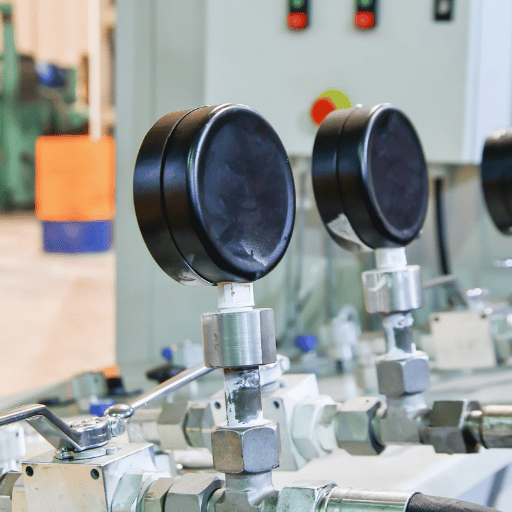
Sistemas Hidráulicos
Sellos de conectores, sellos frontales, tapones de puerto para cilindros, válvulas y colectores hidráulicos. Los requisitos del mercado hidráulico incluyen resistencia a los fluidos derivados del petróleo y capacidad para tolerar oscilaciones de presión cíclicas sin pérdida de capacidad de sellado. Los compuestos FKM y NBR son productos típicos.
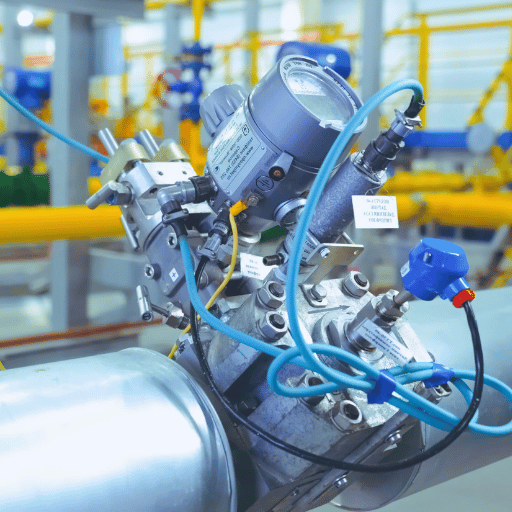
Gas Natural y Energía
Sellos para válvulas de gas de la industria del gas natural, diafragmas reguladores y sellos de medidores. Cumplimiento de la norma ISO 10497 (prueba de válvula) e idoneidad para metano y condensados asociados. La selección de materiales es generalmente FKM o EPDM.
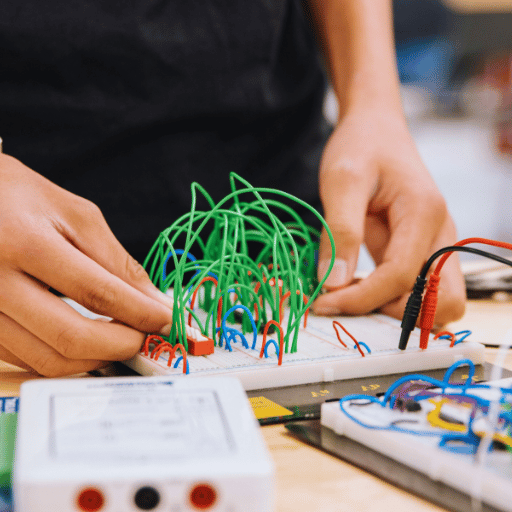
Electricidad y Electrónica
Ojales de cableado, sellos de conectores, juntas de carcasa. La moldura de transferencia es perfecta porque el conjunto de inserto metálico y el control de flash cumplen con los requisitos de clasificación IP y posicionamiento de línea. Un ejemplo de aplicación típico son las fundas de cables para bujías.
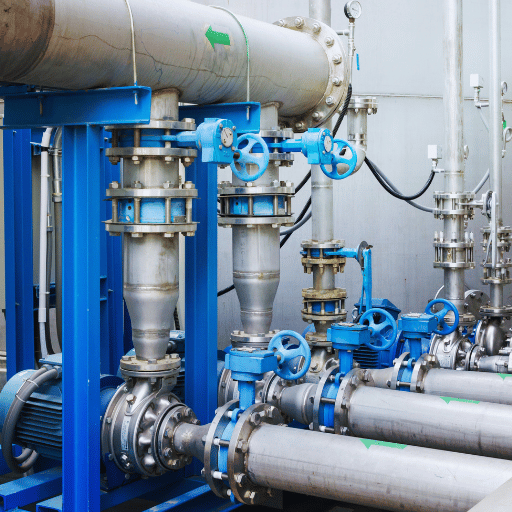
Equipos industriales
Sellos de bomba, juntas de compresor, componentes del sistema transportador, piezas industriales generales de caucho personalizadas. Los recorridos de gran volumen son muy adecuados para nuestra capacidad de 40+ Givkuz, y los recorridos de prototipos que utilizan herramientas de molde se pueden realizar en el mismo equipo.

Sanitarios y electrodomésticos
Componentes de caucho para sellar, ensamblar o bisagrar grifos y cabezales de ducha, lavadoras, lavavajillas 'una de las áreas comerciales más antiguas de Engelhardt, lanzada en 2009. Aquí predominan EPDM y compuestos de caucho de silicona, las tolerancias dimensionales que Reliwin maneja bien a escala.
Calidad y Cumplimiento
Garantía de calidad: ISO 9001 y IATF 16949
El sistema de calidad Engelhardt garantiza que todo esté controlado, desde el material de caucho entrante hasta la verificación final. Nuestro módulo de trazabilidad basado en MES permite rastrear cada pieza terminada hasta el lote compuesto, la máquina de prensa, el operador y los parámetros utilizados.
01
Certificaciones
- ISO 9001:2015 « Sistema de Gestión de Calidad (todas las líneas de productos)
- IATF 16949:2016 - Requisitos de Calidad Automotriz -caucho y plásticos
- Documentación completa disponible para auditorías de clientes
- Auditorías anuales de vigilancia de terceros
02
Control de compuestos y materiales
- Lotación automática por ordenador: 160-240 lotes de materiales pequeños al día
- Precisión de pesaje ±0,3% « elimina errores de mezcla manual
- El reómetro de matriz móvil (MDR) mide el rendimiento de Doveroj mediante ISO 6502
- Viscómetro Mooney para verificación de especificaciones del compuesto entrante
- Gestión de materiales primero en entrar, primero en salir (FIFO) aplicada por MES
03
Inspección final y en proceso
- Inspección dimensional con Proyector Measurement y CMM
- En cada lote se registran las mediciones de dureza Shore A según ASTM D2240
- Cámara de prueba de envejecimiento por calor para verificación de envejecimiento acelerado
- Prueba de corrosión por pulverización de sal para determinar la integridad de la unión del inserto metálico
- Probador de simulación de transporte para validación de embalajes
04
Trazabilidad digital MES
- Barcode/QR permite el enlace automático entre piezas terminadas, lotes compuestos y datos de proceso
- Trazabilidad directa e inversa: material → entrega al cliente
- El proceso de prueba automatizado permite que QMS genere automáticamente informes de prueba y los asocie con piezas terminadas
- Quejas de clientes rastreables hasta el origen de la materia prima
Obtenga una cotización precisa para sus piezas moldeadas de transferencia
Cargue un dibujo o proporcione una descripción de la pieza y reciba una cotización y un plazo de entrega dentro de los 2 días hábiles.
Capacidades de fabricación
Nuestras capacidades de moldeo por transferencia de un vistazo
Engelhardt proporciona una solución completa de moldeo de caucho llave en mano
40+
Máquinas Vulcanizadoras
2.000T
Capacidad anual de caucho
300
Empleados
26.000 m²
Área de fábrica
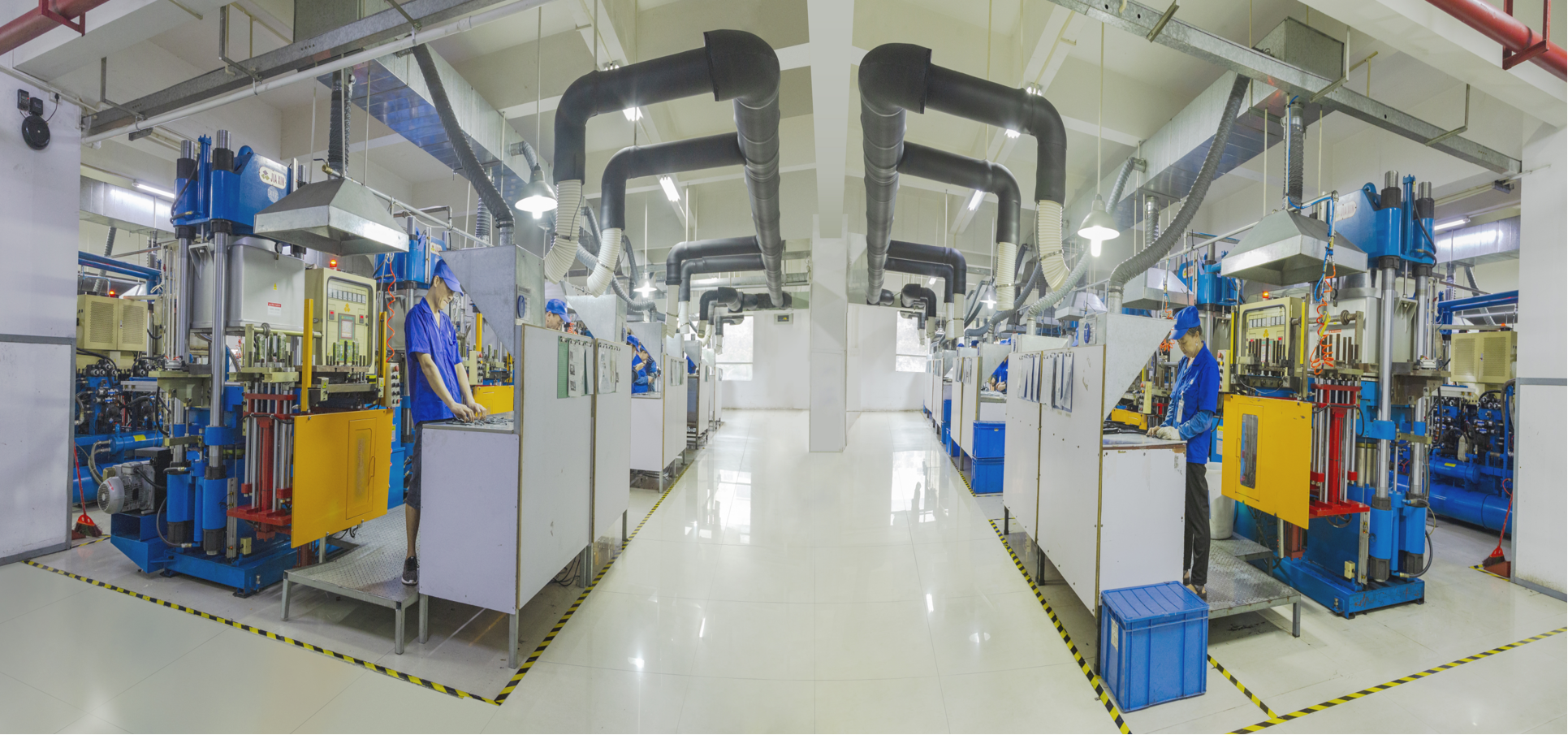
Además del exclusivo proceso de moldeo por transferencia, contamos con procesos de fabricación de moldeo por compresión y moldeo por inyección de caucho, por lo que podemos recomendar el proceso más rentable para su pieza en lugar de intentar combinarlos en una solución única para todos.
Nuestra planta de mezcla de compuestos ejecuta líneas de producción de mezcladores de 55 L alimentadas automáticamente a través de lotes aguas arriba, nunca variabilidad ni propiedades inconsistentes del compuesto. Las opciones de recorte cubren todo el espectro: recorte congelado (desflasheo criogénico), recorte automático y recorte manual para prototipos.
Para proyectos de moldeo de caucho personalizados que se inician a nivel de diseño, nuestro equipo tecnológico (15 ingenieros) verifica la estructura de la geometría de la pieza en busca de la ubicación de la cavidad del molde, los ángulos de tiro, los desplazamientos de inserción y la ubicación del bebedero. Tomar esas decisiones correctamente antes de cortar el acero es donde agregamos el mayor valor: un bebedero mal colocado creará líneas de soldadura, atrapará aire o provocará un relleno desigual en las cavidades del molde, todo lo cual degrada la precisión dimensional y el rendimiento de la pieza.
Producimos componentes de caucho moldeado y productos de caucho para clientes en ocho categorías de productos: artículos sanitarios, electrodomésticos, accesorios eléctricos, componentes de materiales de construcción, envases de plástico, piezas de automóviles, componentes mecánicos y productos eléctricos. Esa experiencia en toda la industria significa que nuestro equipo ha visto la mayoría de los modos de falla y sabe cómo diseñarlos antes de que se corte el primer molde.
Preguntas frecuentes: Moldeo por transferencia de caucho
el moldeo por transferencia de caucho es un proceso de fabricación termoestable en el que una preforma de caucho se carga en un recipiente de transferencia encima de las cavidades cerradas del molde. Un émbolo hidráulico fuerza el caucho sin curar a través de un bebedero hacia las cavidades, donde el calor y la presión curan el elastómero hasta darle su forma final. El diseño de molde cerrado le brinda un control dimensional más preciso que el moldeo por compresión, al tiempo que mantiene el costo de las herramientas por debajo del moldeo por inyección total.
El moldeo por compresión carga el caucho directamente en cavidades de molde abiertas 'es simple, bajo costo de herramientas, pero control dimensional limitado y consistencia del flash. El moldeo por inyección utiliza un plastificador de tornillo para inyectar caucho a alta velocidad y presión 'excelente precisión y rendimiento, pero herramientas costosas'. El moldeo por transferencia se encuentra en el medio: el caucho se transfiere bajo presión a través de un bebedero a un molde cerrado, lo que proporciona bordes más afilados y un mejor control del flash que el moldeo por compresión, sin la inversión de herramientas del moldeo por inyección. El moldeo por transferencia es más adecuado para moldeo por inserción y piezas de complejidad media a 500-100.000 piezas/año.
EPDM, NBR/nitrilo, NR, FKM/Viton®, CR/neopreno y silicona son procesables. La elección del material depende de la temperatura de funcionamiento, la exposición química y la dureza Shore A requerida. Para los requisitos reglamentarios (FDA, RoHS, REACH), nuestro laboratorio de compuestos puede especificar grados compatibles o formular mezclas personalizadas.
La tolerancia de producción estándar para piezas de caucho moldeadas por transferencia es de 0,15 mm para dimensiones generales. Características críticas ñan los labios de sellado, los diámetros de los orificios y las interfaces de inserción a caucho ñan se pueden mantener en 0,05 mm dependiendo del compuesto y la geometría de la pieza. Las secciones transversales de las juntas tóricas se producen según ISO 3601-3 Clase N. Recomendamos una revisión DFM para cualquier pieza con una tolerancia superior a 0,10 mm antes de comprometer las herramientas.
el moldeo por transferencia es la mejor opción cuando: (1) su pieza contiene insertos metálicos que deben unirse en ciclo; (2) la geometría de la pieza incluye esquinas afiladas, cortes o nervaduras delgadas que los moldes de compresión no pueden llenar limpiamente; (3) se necesita un control de flash estricto para el montaje; o (4) la consistencia de la producción de múltiples cavidades es fundamental. El moldeo por compresión sigue siendo más económico para juntas planas simples, piezas de sección gruesa y compuestos de alto durómetro en grandes volúmenes con tolerancias relajadas.
Sí, esta es una de las principales ventajas del moldeo por transferencia sobre el moldeo por compresión. Los insertos metálicos se colocan en las cavidades del molde antes de que se cierre el ciclo de prensa. A medida que el caucho fluye a través del bebedero y se llena alrededor de los insertos, se une directamente al metal durante el curado. Esto elimina las operaciones secundarias de unión adhesiva y produce una unión confiable de caucho a metal en un solo paso de fabricación. Los materiales de inserción incluyen acero, latón y aluminio; La preparación de la superficie (fosfatación, granallado, imprimación) se aplica según la especificación del adhesivo de unión.
Los principales mercados incluyen: automoción (sellos, ojales, amortiguadores de vibraciones « con calificación IATF 16949); sistemas hidráulicos (sellos de conectores, sellos frontales para cilindros, sellos colectores); distribución de gas natural (sellos de válvulas, diafragmas reguladores); electricidad y electrónica (ojales de cableado, sellos de conectores, fundas de cables para bujías); y equipos industriales en general (sellos labiales, juntas, soportes adheridos). Más allá de estos mercados principales, Engelhardt también suministra a los clientes artículos sanitarios, electrodomésticos y materiales de construcción familias de productos que requieren componentes de caucho consistentes en grandes volúmenes, donde la confiabilidad del proceso afecta directamente el rendimiento del ensamblaje.