
Póngase en contacto con Engelhardt

Fabricación de grado OEM · Zhongshan
Fabricante de piezas de caucho personalizadas
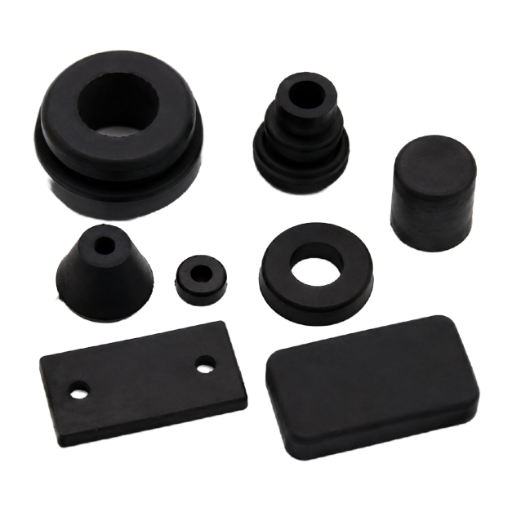
Componentes de caucho moldeado de calidad OEM de una instalación con certificación IATF 16949 de 53.000 m²
Fabricación de piezas de caucho personalizadas Engelhardt para programas OEM
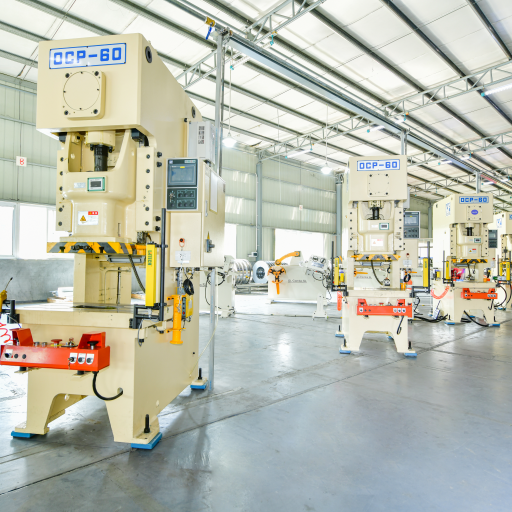
Engelhardt fabrica piezas de caucho personalizadas para programas OEM en plomería, conectores eléctricos, accesorios sanitarios y sistemas de baños aeroespaciales. Nuestro Complejo de fabricación de 53.000 metros cuadrados en Zhongshan ejecuta más de 40 prensas de vulcanización, incluidos vulcanizadores al vacío de 250 toneladas y máquinas de moldeo por inyección de caucho de 300 toneladas, con 2.000 toneladas de capacidad de componentes de caucho moldeado al año. Proyectos de soporte de certificación ISO 9001 y IATF 16949 que requieren trazabilidad por lotes, registros de inspección entrantes y documentación de producción lista para auditoría.
01
Certificado
ISO 9001 + IATF 16949
Certificado dual de grado automotriz (la mayoría de los competidores solo poseen ISO 9001).
02
Escala
Planta de 53.000m² + 40 Vulcanizadores
Escala física que respalda los contratos de volumen OEM y la transparencia de las auditorías.
03
Nivel 1
Clientes OEM de nivel 1 nombrados
Estándar americano · Amfenol · Kohler · Oatey · SFA
Instantánea de capacidades
De un vistazo « Capacidades de fabricación de piezas de caucho personalizadas Engelhardt
[Instalación · Zhongshan ]
08
/
08
Especificaciones
ESPECIFICACIONES / 01
Procesos de moldeo
Inyección/Compresión/Transferencia
ESPECIFICACIONES / 02
Equipos de vulcanización
Más de 40 prensas (250T de vacío, 300T de inyección)
ESPECIFICACIONES / 03
Producción anual de caucho
2.000 Toneladas + 1.000 Toneladas de Silicona
ESPECIFICACIONES / 04
Especialidad en Materiales
8 Elastómeros (Neopreno, EPDM, Viton, Más)
ESPECIFICACIONES / 05
Estándares de calidad
ISO 9001 + IATF 16949
ESPECIFICACIONES / 06
Capacidades de laboratorio
12+ instrumentos de prueba
ESPECIFICACIONES / 07
Tiempo de entrega de muestra
7-14 zile
ESPECIFICACIONES / 08
Fundado
2009 (más de 17 años de experiencia OEM)
Sección 01 · Riesgo y resolución de abastecimiento
Del dibujo de ingeniería a la producción en masa: Cómo resuelve Engelhardt el abastecimiento de caucho OEM
Un proveedor de piezas de caucho personalizadas se convierte en un riesgo de abastecimiento cuando la comunicación se ralentiza durante una parada de línea, las piezas no pasan la inspección entrante o los plazos de entrega indicados no pueden ser respaldados por la capacidad real. Tres preocupaciones prácticas surgen con mayor frecuencia en las conversaciones de adquisiciones con nuestro equipo de ingeniería:
DOLOR / 01
Riesgo de interrupción de la cadena de suministro
De proveedores de fuente única sin capacidad de respaldo.
DOLOR / 02
Deriva de calidad entre lotes
Cuando las especificaciones del material se interpretan de manera vaga.
DOLOR / 03
Painful Cronología de 8 a 12 semanas
Entre la aprobación del prototipo y la producción en masa total cuando un proveedor carece de capacidad de herramientas integradas.
Sección 02 · Resolución
Construido alrededor de esas tres restricciones
Nuestra empresa desarrolló su capacidad de fabricación de piezas de caucho personalizadas en torno a esas tres limitaciones. Nuestro Instalación de Zhongshan de 53.000 metros cuadrados corre Más de 40 prensas vulcanizadoras a través del moldeo por inyección, compresión y transferencia, para que un solo proveedor pueda absorber todo su volumen anual de caucho sin subcontratar a un socio que no haya auditado. El modelo integrado de montaje de caucho-plástico-hardware significa que un solo PO cubre juntas, carcasas de plástico, insertos de metal y subconjunto final cuando su especificación OEM necesita los cuatro. Certificación dual ISO 9001 y IATF 16949 “verificado por auditores automotrices independientes “aplica la misma disciplina de prevención de defectos a cada junta, sello o ojal de caucho personalizado Engelhardt que los OEM de nivel 1 de automóviles requieren para piezas críticas para la seguridad.
“
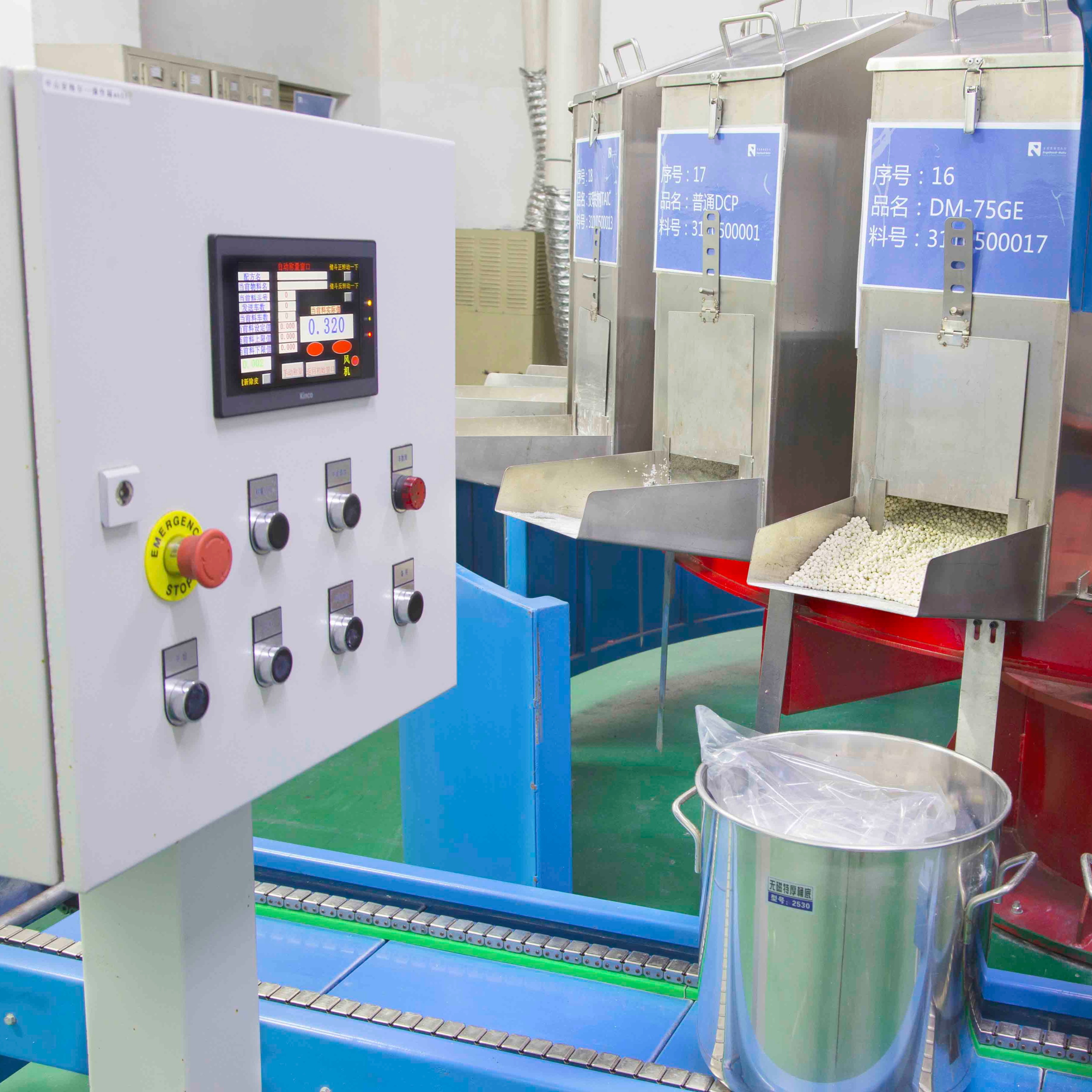
La mayor parte del riesgo de adquisición de caucho proviene de la variación compuesta entre lotes, no solo de la máquina de moldeo. Nuestro equipo se vincula doce instrumentos de laboratorio“incluido el viscosímetro Mooney, el reómetro de matriz móvil y la cámara de pulverización de sal en uno solo registro de trazabilidad por lotes que los clientes puedan solicitar un lote de producción específico, incluyendo registros históricos de producción de los tres años anteriores.
Capacidades de moldeo · Procesos internos
Servicios de moldeo de caucho personalizados: Inyección, compresión y transferencia
La pieza de caucho moldeado adecuada comienza con el proceso de moldeo correcto. Elegir la ruta incorrecta puede agregar costos de herramientas evitables, ciclos de curado más largos, trabajo de control de flash o deriva dimensional a lo largo del ciclo de vida del producto. Porque se ejecuta Engelhardt los tres procesos estándar de la industria internamente, nuestros ingenieros pueden recomendar el proceso que se ajuste a la geometría, la tolerancia, el volumen anual y el costo del ciclo de vida en lugar de forzar cada diseño en un solo conjunto de equipos.
PROCESO / 01
Moldeo por inyección de caucho
Volumen más alto · Tolerancia más estricta
Máquinas de inyección de 300 toneladas
Tiempo de ciclo
Más corto (escalado de gran volumen)
Tolerancia
±0,05 mm alcanzable
Flash
Mínimo (compatible con automatización)
Mejor para
Geometrías complejas, paredes delgadas, más de 50.000 unidades anuales.
PROCESO / 02
Moldeo por transferencia de caucho
Insertar moldeo · Unión de precisión
Sistema de émbolo de molde cerrado
Tiempo de ciclo
Medio
Tolerancia
±0,10 mm típico
Especialidad
Apto para insertos (unión de caucho a metal)
Mejor para
Componentes con inserciones integradas, complejidad moderada.
PROCESO / 03
Moldeo por compresión de caucho
Herramientas inferiores · Piezas grandes
Vulcanizadores al vacío de 250 toneladas
Tiempo de ciclo
Más largo (impulsado por la curación)
Tolerancia
±0,25 mm típico
Costo de herramientas
El más bajo de los tres
Mejor para
Piezas grandes, gruesas y más sencillas; volumen bajo a medio.
Decisión de Ingeniería · Selección Pre-Pedido
La selección de procesos es un esfuerzo de ingeniería colectiva
El proceso elegido es un esfuerzo de ingeniería colectiva antes de emitir una orden. Cuando la geometría de la pieza, el volumen anual y la clase de tolerancia conducen a la inyección, utilizamos la inyección. Cuando el costo de las herramientas domina la economía unitaria y las tolerancias son moderadas, entonces la compresión es una propuesta sólida. Nuestros ingenieros no empujarán a un cliente hacia un molde de compresión $15,000 cuando un molde de inyección $40,000 producirá un producto significativamente mejor.
Punto de referencia de proveedores basado en datos
Engelhardt Vs Los 5 principales fabricantes de caucho de EE. UU. « Comparación basada en datos
La mayoría de las empresas de moldeo de caucho publican dos párrafos sobre su práctica y un formulario de cotización. Esta comparación fue ensamblada a partir de páginas de servicio público y divulgaciones de certificación de los cinco fabricantes de caucho establecidos en EE. UU. «Custom Rubber Corp, Qualiform, Aero Rubber Co, The Rubber Group y Timco Rubber «, entonces completaron los números Engelhardt de nuestro Registros de producción 2024-2025 y registro de certificados. Cuando un competidor no publica una cifra, la entrada “no divulgada” es porque esa opacidad es en sí misma la señal más útil que puede leer un gerente de adquisiciones.
Dimensión
Engelhardt
Custom Rubber Corp
Cualiforme
Aero caucho Co
Goma Timco
El grupo del caucho
Tamaño de la instalación
53.000 m²
no divulgado
no divulgado
no divulgado
no divulgado
no divulgado
Prensas vulcanizantes
40+
no divulgado
no divulgado
no divulgado
no divulgado
no divulgado
Producción anual de caucho
2.000 toneladas + 1.000 toneladas de silicona
no divulgado
no divulgado
“Volumen B2B”
no divulgado
no divulgado
Certificaciones
ISO 9001 + IATF 16949
“certificaciones” genéricas
ISO 9001:2015
ISO 9001:2015
no divulgado
no divulgado
Clientes OEM nombrados
5 divulgado públicamente
0
0
0
0
0
Instrumentos de laboratorio publicados
12+
0
0
0
0
0
Integración integral
Caucho + Plástico + Herrajes + Montaje
sólo goma
sólo goma
sólo goma
caucho + plástico
sólo goma
Por qué es importante la opacidad · IATF 16949
Las lagunas de datos públicos deben tratarse como señales de riesgo para los proveedores
Los datos de los proveedores públicos ayudan a los equipos de adquisiciones a decidir qué preguntas hacer antes de una solicitud de cotización. IATF 16949 es un marco de calidad automotriz más estricto que el ISO 9001 genérico porque agrega requisitos en materia de prevención de defectos, prueba de errores, trazabilidad y gestión de garantías. En esta comparación, varios proveedores estadounidenses no publican la escala de las instalaciones, el recuento de prensa, el volumen de producción ni el estado de certificación automotriz. Engelhardt publica esas cifras operativas y puede proporcionar detalles del certificado durante la calificación del proveedor.
Biblioteca compuesta · 8 Elastómeros
Ocho materiales de caucho « Experiencia en ingeniería Engelhardt por aplicación
La elección del material es donde la mayoría de los proyectos de caucho personalizados prosperan o se autodestruyen meses después de la entrega. EPDM colocado en grietas por exposición al aceite en cuestión de semanas. El neopreno atacado por ácidos fuertes se degrada rápidamente. La silicona desgastada contra las contracaras metálicas se desgasta más rápido de lo esperado. El equipo de ingeniería de Engelhardt respalda la selección de materiales porque hemos ejecutado los ocho elastómeros que aparecen a continuación Más de 2000 programas de producción y visto qué compuesto encaja con qué aplicación.
Material
Gama Durómetro (Planta A)
Rango de temperatura
Resistencia química
Aplicaciones típicas
Neopreno
30A -185A
«40°C până la 110°C
Buena resistencia al aceite y al ozono; vulnerable a ácidos y cetonas fuertes
Juntas para automóviles, sellos contra la intemperie, sellos de uso general
EPDM
40A -90A
«40°C până la 150°C
Excelente resistencia al ozono, los rayos UV y la intemperie; no para aceites
Sellos para exteriores, burletes para automóviles, juntas HVAC
Vitón (FKM)
60A -195A
«20°C până la 230°C
Excelente resistencia química y a combustibles; alta temperatura
Sellos aeroespaciales, sellos de petróleo y gas, procesamiento químico
Silicona (LSR)
30A -80A
«55°C până la 230°C
Inerte; Variantes de grado alimenticio y médico disponibles
Dispositivos médicos, focas de contacto con alimentos, productos para bebés
Nitrilo (NBR)
40A -195A
«30°C până la 120°C
Excelente resistencia al aceite, al combustible y a los disolventes
Sellos hidráulicos, juntas del sistema de combustible para automóviles, juntas tóricas
Butilo
40A -175A
«40°C până la 100°C
Excelente impermeabilidad al aire y amortiguación de vibraciones
Tubos interiores, soportes antivibraciones, tapones farmacéuticos
Caucho natural
30A -185A
«40°C până la 80°C
Alta resistencia a la tracción; pobre resistencia al aceite y al ozono
Amortiguadores, componentes antivibraciones, casquillos
TPE
30A -195A
«50°C până la 130°C
Elastómero termoplástico reciclable; amplia compatibilidad química
Productos de consumo, puños médicos, componentes ergonómicos
Lenguaje de especificaciones automotrices · ASTM D2000 / SAE J200
Donde comienza la trazabilidad del carril de auditoría IATF 16949
Los clientes que necesitan una clasificación de materiales con especificaciones automotrices pueden cotizar contra ASTM D2000 sistema de llamada de línea « por ejemplo, M2BC 507 A14 EO34 « y Engelhardt coincidirá con la combinación de código de tipo, clase, dureza, tracción y resistencia a fluidos de nuestra biblioteca de compuestos. SAE J200 refleja el mismo sistema de clasificación para aplicaciones automotrices. Trabajar en este lenguaje de especificaciones estandarizado es más rápido que las especificaciones descriptivas de ida y vuelta, y lo es cómo comienza la trazabilidad del seguimiento de auditoría IATF 16949.
Garantía de Calidad · Laboratorio de 12 Instrumentos
Control de Calidad: ISO 9001 + IATF 16949 Con más de 12 instrumentos de laboratorio
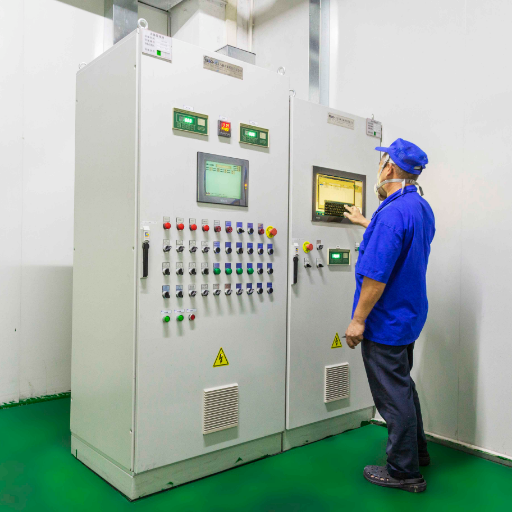
La mayoría de los fabricantes de piezas de caucho personalizadas publican dos líneas sobre calidad y el logotipo de una certificación. Publicamos el inventario completo del laboratorio porque los equipos de adquisiciones que auditan a los proveedores chinos quieren saber exactamente qué capacidades de prueba existen en el sitio antes de que se envíe un contenedor lleno de piezas. Operamos un centro de pruebas interno construido para estándares internacionales de gestión de laboratorios, con doce instrumentos principales abarca caracterización de compuestos, validación de propiedades físicas, envejecimiento ambiental y medición dimensional.
Certificație duală: ISO 9001 + IATF 16949
Por autoridad de la industria DNV, IATF 16949 se basa en ISO 9001 con requisitos adicionales del sector automotriz que cubren la prevención de defectos, requisitos específicos del cliente, reducción de variaciones y gestión de garantías, y se extiende a proveedores de tercer nivel, centros de diseño, centros de distribución y sedes corporativas. ISO 9001 por sí solo es un ticket-to-trade genérico entre industrias; IATF 16949 es el punto de referencia equivalente automotriz. Engelhardt contiene ambos, auditado y renovado anualmente por organismos de certificación independientes.
Doce instrumentos de laboratorio « Pruebas compuestas, físicas y ambientales
12 / 12 En casaTrazabilidad por lotes a nivel de lote « Compatible con PPAP y AS9100
Cada lote de producción se envía con un registro de trazabilidad por lotes vinculación del funcionamiento del mezclador compuesto, el ciclo de curado, la inspección dimensional y los informes de prueba de envejecimiento o pulverización de sal. Clientes corriendo Presentaciones de PPAP IATF 16949 o sistemas de calidad aeroespaciales AS9100 puede extraer nuestros registros de lote directamente en su paquete de envío.
Resultados de los clientes · Lista pública de clientes
Resultados de los clientes: Las marcas OEM de nivel 1 confían en Engelhardt
Muchos proveedores de caucho describen la confianza del cliente en términos amplios sin nombrar las industrias, rutas de calificación o familias de piezas involucradas. Engelhardt enumera la experiencia del cliente OEM seleccionada donde la divulgación pública es apropiada, mientras que los detalles del proyecto cubiertos por la NDA se analizan solo durante la calificación del proveedor. La pregunta de adquisición es práctica: ¿el proveedor ya ha trabajado exigiendo requisitos de calificación, trazabilidad y producción-liberación?
Experiencia de cliente OEM seleccionada « Lista de clientes públicos
05 / 05 DivulgadoEstándar americano
Accesorios de fontanería
Anfenol
Conectores eléctricos
Kohler
Sanitario y cocina
Oatey
Suministros de fontanería
SFA
Lavabo aeroespacial
Cuatro perfiles de compra OEM
Cada proyecto: diferentes procesos, materiales, certificaciones y herramientas coincidentes
Estos clientes tienen cuatro perfiles de compra de caucho OEM muy diferentes: suministro de plomeros de gran volumen con certificación de silicona de calidad alimentaria (Estándar americano, Kohler, etc.), sellos de componentes eléctricos dimensionados con precisión con tolerancias estrictas y trazabilidad IATF 16949 (Anfenol), artículos de suministro de plomeros de alta mezcla que se ejecutan en moldes de compresión de costo optimizado (Oatey) y piezas del subsistema de lavabos aeroespaciales que requieren documentación de grado AS, así como nuestra salida de caucho (SFA). Cada proyecto se ejecuta multianual, multilínea, cada uno requiere una combinación diferente de elección de proceso, grado de material, seguimiento de auditoría de certificación y gasto en herramientas que aborde directamente el modelo de riesgo de adquisición del cliente.
Acerca de Engelhardt-Meitu · Integración de un solo proveedor
Despre Engelhardt: Integración integral de caucho, plástico, hardware y ensamblaje
Nuestra empresa es un fabricante de piezas de caucho personalizadas, pero la operación más grande Engelhardt-Meitu está definida por a modelo de integración de un solo proveedor que la mayoría de las empresas de moldeo de caucho no ofrecen. Del mismo Campus Zhongshan de 53.000 m², ejecutamos caucho, plástico, herrajes y ensamblaje debajo un único sistema de calidad, un único gestor de proyectos y un único PO. Para los OEM cuyo producto terminado necesita juntas de caucho moldeado, carcasa de plástico moldeado por inyección, inserciones de metal estampado y subconjunto final, esa integración sí lo es una auditoría en lugar de cuatro, un contrato de calidad en lugar de cuatro y un conjunto de interfaces dimensionales revisadas en nuestra fábrica antes del envío en lugar de depurarse en su línea de montaje.
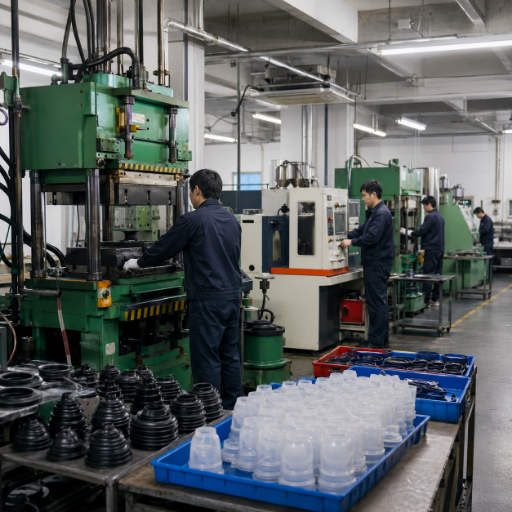
DEPARTAMENTO / 01
Departamento de Caucho
- 40+ prensas vulcanizantes
- 2.000 t/año goma + 1.000 t/año silicona
- Inyección 300T + Aspiră 250T
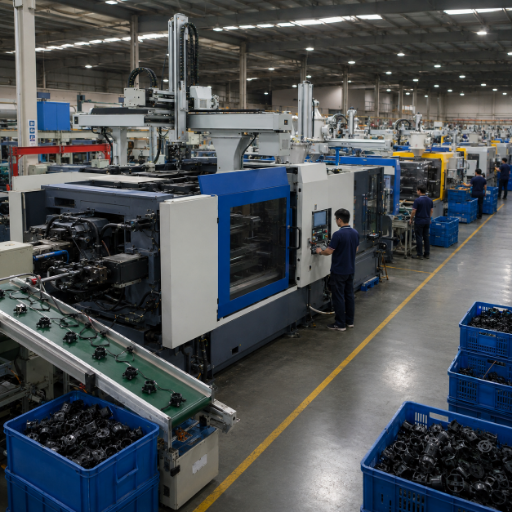
DEPARTAMENTO / 02
Departamento de Plástico
- 400 máquinas de inyección
- Más grande 2.000 de tone prensa
- 100 toneladas/día rendimiento plástico
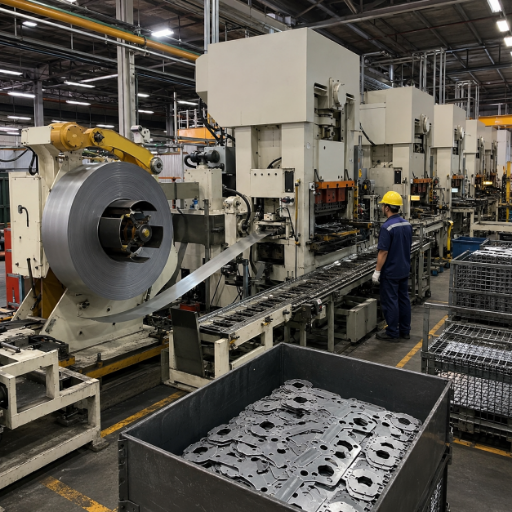
DEPARTAMENTO / 03
Departamento de hardware
- 1.000 m² línea de estampado automatizada
- 30M+ piezas anualmente
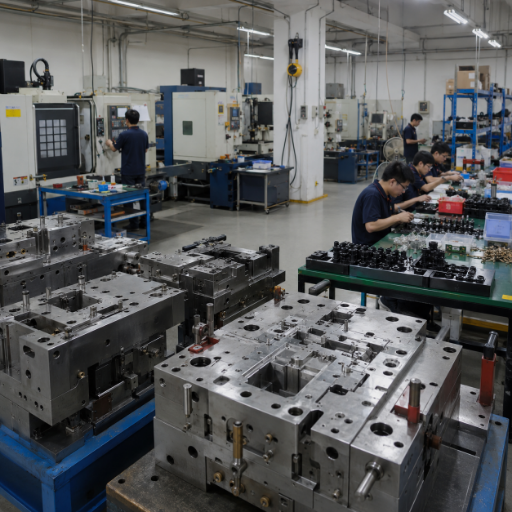
DEPARTAMENTO / 04
Molde y montaje
- 3.600 m² taller de moldes
- Máquinas alemanas Rhodes, CNC, EDM
- Integrado R+P+HW asamblea
Lógica de Integración · Reducción de Riesgos en la Cadena de Suministro
La integración de un solo proveedor no es sólo simplicidad operativa. Es la reducción del riesgo de la cadena de suministro: cuando un OEM obtiene la junta de goma, la carcasa de plástico y el inserto de metal de tres proveedores diferentes, la integración interactúa «coincidencia del patrón de pernos, altura de compresión de la junta, concentricidad del hardware con el saliente moldeado « sea responsabilidad del OEM una vez entregado a fábrica. Cuando Engelhardt fabrica las tres, esas interfaces se verifican en nuestra fábrica antes de que las piezas abandonen la línea.
Guía de Adquisiciones · Cifras Transparentes
Guía de adquisiciones: Impulsores de costos, plazo de entrega, MOQ y cronograma de muestra a producción
La mayoría de las empresas de moldeo de caucho no publicar nada sobre cómo funcionan realmente sus precios, plazos de entrega o condiciones de pago. Los equipos de adquisiciones desperdician semanas obteniendo cotizaciones de piezas que resultan serlo fuera de MOQ o fuera del presupuesto. Publicamos las cifras que se enumeran a continuación de nuestro Entregas del programa 2024-2025.
Cinco controladores de precios
CONDUCTOR / 01
Grado de material
Nivel superior FKM/Viton costo tres a cinco veces más que neopreno.
CONDUCTOR / 02
Número de cavidades y complejidad de herramientas
Cavidad única vs 32 moldes de cavidad rango 20–40× en precio.
CONDUCTOR / 03
Volumen de pedidos anuales
Uso cuasi anual de materiales o cotización anual real, más volumen de pedidos real. Consistente.
CONDUCTOR / 04
Clase de tolerancia
0,05 mm inyección apretada vs 0,25 mm compresión suelta.
CONDUCTOR / 05
Formalización de Certificación
Grado comercial vs IATF 16949 autorización de auditoría.
Plazo de entrega y cronograma de muestra a producción
01
7-14 zile
Muestra
T1 del compuesto existente
02
3-4 Semanas
Prototipo
T2 con documentación estilo PPAP
03
4-6 Semanas
Fabricación de herramientas
04
4-8 Semanas
Primer inicio de producción masiva
Después de la aprobación de la herramienta
05
3-5 Semanas
Lanzamientos de producción en curso
De PO
Condiciones de pago y envío
- 01 Estándar: Depósito 30% / saldo 70% antes del envío
- 02 Métodos: LC a la vista o TT (transferencia telegráfica)
- 03 Condiciones de envío: FOB Shenzhen o Guangzhou, CIF al puerto comprador o fábrica EXW/transportista designado
- 04 Moneda: Facturación en USD, EUR y RMB disponible
Política de herramientas y MOQ
- 01 Artículos del catálogo estándar: 500-1000 piezas MOQ típicas
- 02 Piezas moldeadas personalizadas: MOQ negociable basado en la amortización de herramientas
- 03 Propiedad de herramientas: se admiten herramientas propiedad del cliente; Se agradece la transferencia de herramientas existente
- 04 Tarifa de muestra: aplicado a la primera orden de producción en la confirmación de PO
Herramientas de ingeniería interactivas para piezas de caucho personalizadas
Preguntas frecuentes · Adquisiciones e Ingeniería
Pregunta frecuente Preguntas
Preguntas
Q/01
¿cuánto cuestan las piezas de caucho personalizadas a partir de Engelhardt?
El precio de las piezas de caucho personalizadas depende de cinco conductores: grado del material (Neoprene vs Viton puede diferir 3-5× por kg), el recuento de cavidades y la complejidad de las herramientas (diferencian entre una sola cavidad y 32 cavidades 20-40× en herramientas), nivel de volumen anual, clase de tolerancia y requisito de certificación. No publicamos una lista de precios plana porque hacerlo engaña a los compradores « su parte con su especificación necesita una cotización personalizada basada en su economía de producción real. Solicite una cotización a través del formulario anterior y recibirá un desglose completo del sistema dentro de las 24 horas, incluidas herramientas, muestras y estimaciones de envío.
Q/02
¿cuál es el plazo de entrega desde el dibujo hasta la producción en masa?
De un PO confirmado y sorteo aprobado: muestras en 7-14 días utilizando compuesto existente, prototipo con validación estilo PPAP 3-4 semanas, fabricación de herramientas 4-6 semanas, y primer lote de producción en masa 4-8 semanas después de la aprobación de las herramientas. Se ejecutan los lanzamientos de producción en curso 3-5 semanas de cada PO posterior. Normalmente se añade el transporte aéreo desde Guangzhou o Shenzhen 5-7 días; transporte marítimo 25-35 días a la mayoría de los puertos estadounidenses y europeos.
Q/03
¿qué material de caucho debo elegir para mi aplicación?
A continuación se selecciona el material tres preguntas: qué rango de temperatura verá la pieza en servicio, en qué fluidos entrará en contacto y qué carga mecánica transporta. EPDM sobresale al aire libre pero falla en el petróleo. Nitrilo sobresale en combustible pero se degrada bajo los rayos UV. Vitón maneja productos químicos agresivos y de alta temperatura a un costo superior. Silicona sirve alimentos y servicios médicos a un costo moderado. Nuestro equipo de ingeniería apoya la conversación de selección antes de cotizar, y el PDF de la Guía de selección de materiales y tolerancia disponible anteriormente incluye coincidencia de durómetros, compatibilidad de temperatura y Ejemplos resueltos de llamada de línea ASTM D2000.
Q/04
¿puede Engelhardt fabricar piezas de caucho personalizadas según los estándares automotrices de IATF 16949?
Sí. Engelhardt retiene certificación activa IATF 16949 auditado y renovado anualmente por un organismo de certificación independiente, además de ISO 9001. IATF 16949 amplía el marco de gestión de calidad ISO 9001 con requisitos específicos para automóviles en torno a la prevención de defectos, la prueba de errores, los requisitos específicos del cliente, la gobernanza del plan de control y la gestión de garantías. Por autoridad de certificación DNV, IATF 16949 es el billete a cambio equivalente en el sector del automóvil y se extiende hasta proveedores automotrices de tercer nivel, centros de diseño y sedes corporativas. Admitimos presentaciones completas de PPAP, incluidos PSW, planes de control, diagramas de flujo de procesos, diseños dimensionales, certificaciones de materiales, informes de pruebas de rendimiento y estudios de capacidad: el nivel de documentación que un OEM de nivel 1 automotriz espera de un proveedor calificado de moldeo de caucho. Las auditorías de clientes en nuestras instalaciones de Zhongshan son bienvenidas y normalmente se programa dentro de las dos semanas posteriores a la solicitud.
Q/05
¿suministra prototipos, pedidos en lotes pequeños y producción en masa completa?
Sí a los tres. Las muestras se envían 7-14 zile sobre compuestos existentes. Normalmente, la cantidad mínima de pedido en lotes pequeños es 500-1.000 de bucăți para artículos de catálogo. Escalas de producción en masa de 10.000 a varios millones de piezas al año, con MOQ de herramienta personalizada negociable en función de la amortización.
Q/06
¿cuál es la diferencia entre moldeo de caucho por inyección, compresión y transferencia?
Moldeo por inyección calienta y plastifica el elastómero antes de inyectarlo en una cavidad de molde cerrada a alta presión: ciclo más rápido, tolerancia más estricta, mayor costo de herramientas, lo mejor para piezas complejas de gran volumen. Moldeo por compresión coloca una preforma medida en un molde abierto calentado que se cierra bajo presión: el menor coste de herramientas, el ciclo más largo, la tolerancia moderada, lo mejor para piezas grandes o gruesas con un volumen bajo a medio. Moldeo por transferencia utiliza un émbolo para empujar el caucho a través de los bebederos hacia cavidades cerradas, especialmente fuerte para el moldeo por inserción y la unión de caucho a metal. Depende de la elección correcta geometría, volumen, tolerancia y costo del ciclo de vida.
P/07
¿ofrece también moldeo por inyección de plástico y fabricación de hardware?
Sí. Se ejecuta la operación Engelhardt-Meitu más amplia 400 máquinas de inyección de plástico (las prensas más grandes de 2000 toneladas, rendimiento de plástico de 100 toneladas/día) y a Línea automatizada de estampado de hardware de 1.000 metros cuadrados produciendo más de 30 millones de piezas al año. El modelo integrado de montaje de caucho-plástico-hardware significa que un OEM con un subconjunto multimaterial puede obtener la junta de goma, la carcasa de plástico, el inserto de metal y el subconjunto final de un solo proveedor bajo un sistema de calidad y un PO. Consulte las páginas de capacidad principal de Engelhardt para conocer los subservicios de plástico y hardware.