
Póngase en contacto con Engelhardt

Servicios de sobremoldeo e inserción de moldeo
« Engelhardt
Mueva sus piezas sobremoldeadas y moldeadas por inserto más allá del techo del taller de prototipos. Engelhardt coloca sobremoldes de plástico, caucho y silicona sobre insertos de plástico y metal en volúmenes de producción de automóviles, fabricación y montaje de moldes en un solo lugar.
Solicite una cotización
Sustrato · Sobremolde · Ensamblaje
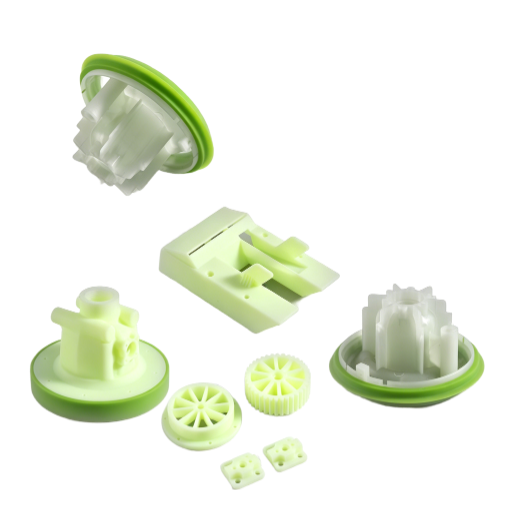
Plástico · Caucho · Silicona
01
400
Prensas de inyección, sujeción de hasta 2.000 toneladas
02
40+
Máquinas vulcanizadoras para caucho y silicona
03
IATF 16949
Sistema de calidad automotriz + ISO 9001
04
3.600 m²
Taller interno de fabricación de moldes
05
2009
Fundada « Zhongshan, Guangdong
06
1 Fábrica
Sustrato, sobremolde, insertos y ensamblaje en un solo sitio
[EH/OM·002 ] Abastecimiento de volumen de producción
Abastecimiento de piezas sobremoldeadas y moldeadas por inserción en Volumen de producción
La mayoría de los servicios de sobremoldeo y moldeo por inserción que encuentra en línea están diseñados para la creación de prototipos: herramientas de aluminio, plazos de entrega de 15 días y calculadoras de cotizaciones de tamaño para unos pocos miles de piezas. Ese modelo funciona hasta que su programa se escala. Sobremoldeo combina dos o más materiales en una parte moldeando un segundo material sobre un sustrato; insertar moldura coloca un inserto de metal o plástico preformado en la cavidad antes de inyectar el plástico a su alrededor durante un ciclo de moldeo por inyección. Ambos eliminan el montaje posterior, pero sólo si el proveedor puede mantener la calidad durante cientos de miles de ciclos.
El riesgo en el segundo año
Donde las cadenas de suministro de grado de creación de prototipos se rompen silenciosamente
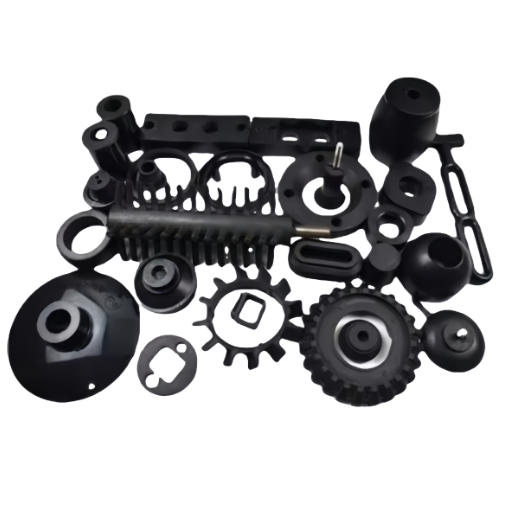
El eslabón débil rara vez es el primer artículo. Es el segundo año de producción. Una oficina de creación de prototipos cubre herramientas en 2.000 până la 10.000 de împușcături, entonces, un programa que se expande más allá de ese volumen se reequipa en la mediana edad, un riesgo de costo y calificación que ningún equipo de adquisiciones espera. Los moldeadores de caucho no pueden ejecutar un sustrato de plástico rígido; Los moldeadores de plástico únicamente no pueden vulcanizar un sobremolde suave. Los compradores luego dividen una parte entre tres proveedores (sustrato aquí, sobremolde allí, insertos metálicos en otro lugar) y adoptan una pila de tolerancia que un proveedor no posee.
Lea los detalles completos
El modelo Engelhardt
Un proveedor. Una cadena de tolerancia. Una orden de compra.
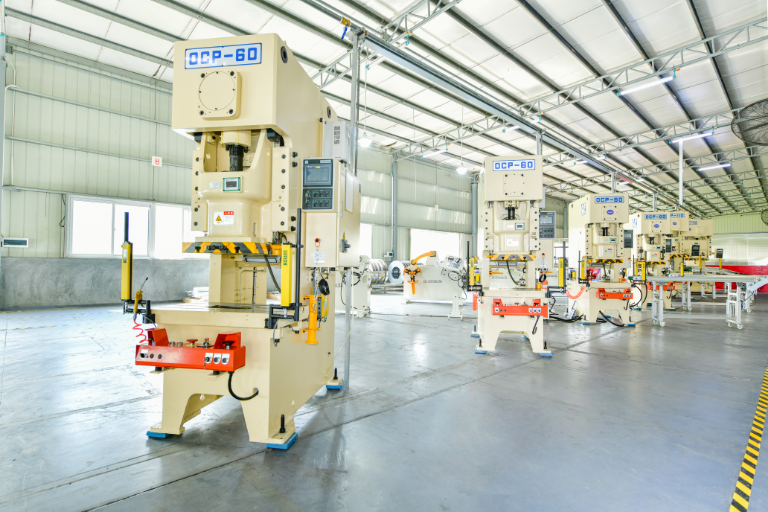
Ahí es donde entra en juego el Engelhardt. Moldeamos el sustrato de plástico rígido, el TPE blando o sobremolde de silicona y la pieza unida de caucho a metal; fabricamos o obtenemos los insertos metálicos; y montamos la unidad terminada dentro de uno Fábrica de 53.000 m² en funcionamiento desde 2009. Más de cuarenta máquinas vulcanizadoras y 400 prensas de inyección, la más grande con una sujeción de 2.000 toneladas, significan que un programa de sobremoldeo no nos superará. Un proveedor posee toda la cadena de tolerancia, un PO cubre la pieza y está calificado una vez.
Lea los detalles completos
“
Cuando un comprador nos entrega un mango de agarre suave como tres números de pieza separados, lo primero que vemos es el línea de enlace «no el precio. Consolidar el sustrato, el sobremolde y el inserto metálico en una herramienta es donde el costo real y la calidad ganan vidas, porque la interfaz deja de ser un problema de otra persona.
[EH/OM·003 ] Capacidades · Materiales · Tolerancias
Engelhardt Sobremoldeo y capacidades de moldeo por inserción « Materiales, tolerancias y tipos de procesos
Una pieza sobremoldeada falla en el campo por una razón con mucha más frecuencia que cualquier otra: la unión de la interfaz entre el sustrato y el sobremolde fue una ocurrencia tardía. Un agarre suave se despega en el borde; un conector sellado permite la entrada de agua en la interfaz; un botón TPE se deslamina en el ciclo térmico. La razón principal es invariablemente una combinación de materiales cuya compatibilidad nunca fue probada, o una forma de sustrato sin enclavamiento mecánico que soporte un enlace químico débil. Nuestra selección de procesos comienza allí «en la interfaz «no con la prensa.
Cuatro tipos de procesos que ejecutamos
PROCESO · COBERTURA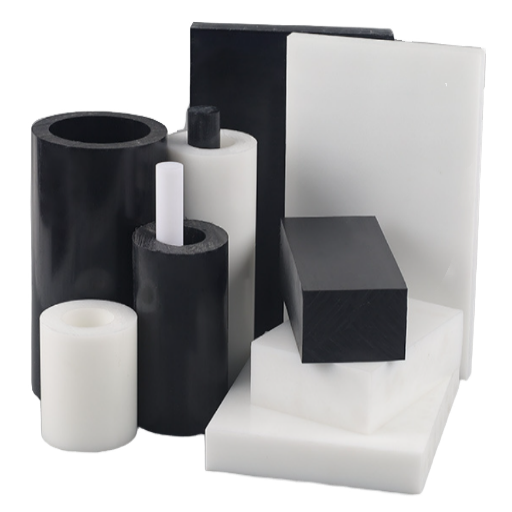
Plástico sobre plástico
Un sustrato termoplástico rígido sobremoldeado con una segunda resina rígida o de ingeniería: carcasas multicolores, características duras/duras integradas y piezas funcionales de dos materiales.
Leer más
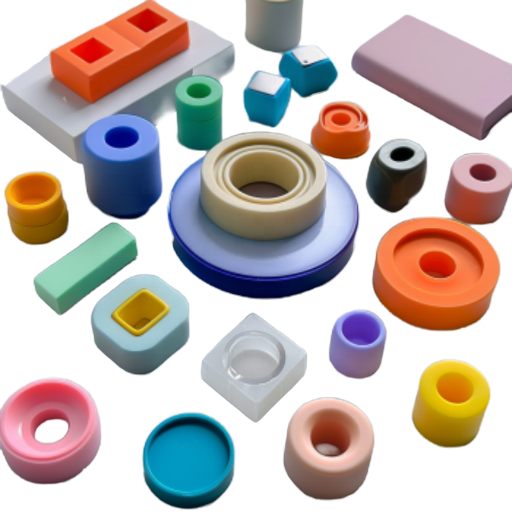
Suave sobre rígido
TPE (elastómero termoplástico), TPV, TPU o caucho de silicona líquido moldeado sobre un sustrato rígido para agarres suaves al tacto, amortiguación de vibraciones, sellos y mayor durabilidad en superficies ergonómicas.
Leer más
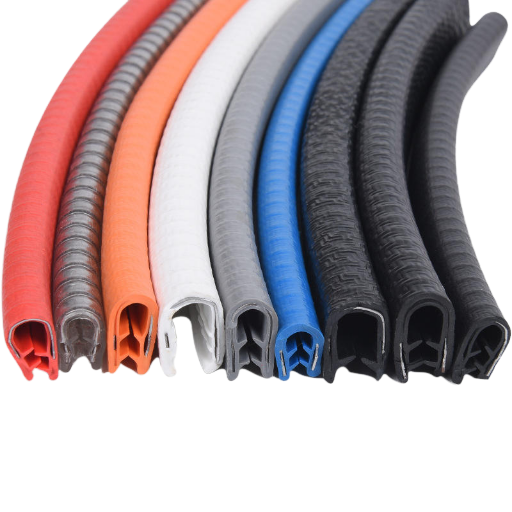
Plástico o caucho sobre metal
Insertar molduras alrededor de insertos metálicos estampados, mecanizados o roscados «, conectores, contactos eléctricos, protuberancias roscadas y conjuntos de soporte de carga.
Leer más
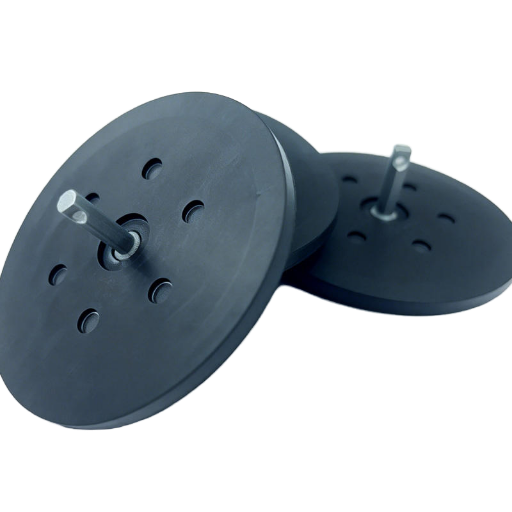
Unión de caucho a metal
Elastómero vulcanizado y unido químicamente a un núcleo metálico para soportes, casquillos, aisladores y componentes de sellado que transportan carga mecánica.
Leer más
Especificaciones y criterios de selección
CENTRO DE DATOS · MÉTRICAS| Parámetro | Capacidad típica | Notas |
|---|---|---|
| Fuerza de sujeción de la inyección | Prensa hasta 2.000 toneladas | 400 máquinas « se escala desde piezas pequeñas hasta carcasas grandes |
| Espesor de la pared del sustrato | 0,5 mm până la 4 mm | Secciones más delgadas revisadas caso por caso |
| Tolerancia dimensional | ±0,05 mm până la ±0,10 mm | Tolerancias más estrictas en características críticas por acuerdo |
| Materiales sobremoldeados | TPE (elastómero termoplástico), TPV, TPU, LSR, EPDM, Nitrilo | Más de 40 máquinas vulcanizadoras para caucho y silicona |
| Resinas de sustrato | Grados ABS, PC, PA (nylon), PP, PBT, rellenos de vidrio | 100 toneladas de plástico procesadas diariamente |
| Inserciones metálicas | Latón, Acero, Inoxidable, Estampado y Mecanizado | Capacidad de hardware interna para el suministro de insertos |
| Validación de moho | Muestreo T0 / T1 / T2 a Muestra Dorada | Construido y probado en nuestro taller de moldes de 3.600 m² |
Nota de ingeniería
Insertar retención « Knurl, Boss Geometry y validación de resina real
Para insertos roscados, la resistencia al tirón y al torque proviene del patrón de moleteado y el saliente de plástico que lo rodea, no sólo por la rosca del tornillo. Un inserto de latón moleteado con diamante se mantiene sustancialmente mejor que un inserto liso o autorroscante, porque el plástico fluye hacia el inserto moleteado y forma una unión mecánica. Como regla de trabajo, el el diámetro del saliente de plástico debe ser aproximadamente de dos a dos veces y media el diámetro exterior del inserto por lo tanto, la pared no se agrieta durante el moldeo o el servicio. Confirmamos la retención de su resina real durante el muestreo en lugar de depender de una hoja de datos genérica.
Esas compensaciones entre herramientas y volumen se introducen directamente en el costo total, que es donde comienza la siguiente sección.
[EH/OM·004 ] Selección de procesos · Costo versus bono
Sobremoldeo vs. Moldeo por inserción vs. Moldeo de dos disparos « Comparación de procesos
Los ingenieros y directores de programas siguen teniendo el mismo desacuerdo: la ingeniería quiere la unión más fuerte, el programa quiere el precio de pieza más bajo y los dos tiran en diferentes direcciones. Una unión moldeada por inserto puramente mecánica es más barata de equipar pero más débil en la interfaz; un sobremolde unido químicamente es más fuerte pero agrega un segundo paso de manipulación de materiales. Nuestra comparación a continuación sitúa la compensación en términos concretos para que la decisión se tome sobre los datos, no sobre las preferencias.
| Atributo Criterio de decisión | Proceso A Insertar moldura | Proceso B Sobremoldeo | Proceso C Moldeo de dos disparos |
|---|---|---|---|
| Materiales combinados | Inserto de metal/plástico + plástico | Sustrato + sobremolde suave/rígido | Dos polímeros en un ciclo |
| Fuerza de la interfaz | Sólo mecánico Sólo enclavamiento mecánico |
Químico + Mecánico Enlace químico, reforzado mecánicamente |
En ciclo químico Enlace químico, en ciclo |
| Pasos del ciclo | Disparo único, inserto cargado primero | Dos disparos, sustrato transferido | Dos disparos, automatizados, sin transferencia |
| Costo relativo de herramientas | Más bajo | Moderado | Más alto |
| Volumen donde vale la pena | Rentable en la mayoría de los volúmenes | Volumen bajo a alto | Volumen muy alto |
| Desperdicio de materiales | Inferior | Moderado | El más bajo por parte a escala |
Regla de trabajo del ingeniero
Cómo nuestro equipo elige el proceso en la primera convocatoria de diseño
La regla práctica que utilizan nuestros ingenieros: elegir sobremoldeo cuando el programa pasa de unos pocos miles a decenas de miles y necesita una amplia gama de materiales, sus herramientas más simples mantienen el costo inicial bajo. Mover a moldura de dos disparos cuando los volúmenes anuales ascienden a cientos de miles y la eficiencia de un solo ciclo comienza a devolver la herramienta más pesada. Insertar moldura se sostiene solo siempre que la pieza necesita un sujetador roscado o un contacto eléctrico, independientemente del volumen. Algunas características de la pieza sólo se pueden construir de una manera: una geometría multimaterial sellada puede descartar dos disparos, mientras que un contacto comoldeado puede descartar un sobremoldeo, por lo que la selección del proceso pertenece a la primera revisión del diseño, no después de cortar la herramienta.
¿no estás seguro de qué proceso se adapta a tu pieza y volumen? Obtenga una revisión gratuita de viabilidad de herramientas y DFM.
Solicite revisión de viabilidad[EH/OM·005 ] Capacidad de producción · Confianza OEM
De prototipo a ejecuciones de un millón de partes « Capacidad de producción y resultados de los clientes
Un programa que se reestructura porque se acabó la capacidad del proveedor es la sorpresa más cara: nuevo gasto en herramientas, nuevo PPAP y semanas de pérdida de suministro. La causa es elegir un socio que dimensione las herramientas y la capacidad de prensa para los prototipos. La capacidad de Engelhardt se dimensiona precisamente al revés. Fabricamos herramientas de producción reforzadas por nuestra cuenta Moldeería de 3.600 m² con CNC de alta velocidad, EDM y perforación profunda, y operamos en un piso de 400 prensas de moldeo por inyección y más de 40 máquinas vulcanizadoras. Un programa de sobremoldeo que pasa de una ejecución piloto a un millón de piezas por año permanece en las mismas herramientas, en la misma fábrica, calificadas una vez.
Con la confianza de los principales fabricantes de equipos originales
Auditado y aprobado por marcas de nivel 1 antes de asignar un número de pieza
Estándar americano
Kohler
Anfenol
Oatey
SFA
Los principales fabricantes de equipos originales ya confían en esa escala. Engelhardt suministra caucho moldeado, silicona, plástico y componentes ensamblados a clientes incluidos American Standard, Kohler, Amfenol, Oatey y SFA «empresas que realizan auditorías rigurosas de su cadena de suministro antes de asignar un número de pieza. Estas líneas también producen piezas de sellado y casquillos para automóviles, conectores eléctricos y sobremoldeado de cables, herramientas de hardware con empuñaduras suaves al tacto y componentes para electrodomésticos y consumidores.
3
1
Ratio de consolidación de proveedores
La consolidación de sustrato, sobremolde, inserción metálica y ensamblaje de proveedores separados en un solo proveedor elimina la pila de tolerancia entre proveedores, el flete duplicado y la inspección duplicada « y reemplaza múltiples PO por uno.
Marco TCO « Los ahorros dependen de la complejidad de las piezas y de la estructura actual del proveedor. Solicite un análisis personalizado.
Industrias a las que servimos en volumen de producción
VERTICALES · APLICACIONESAutomotor
Componentes de sellado, casquillos y aisladores adheridos fabricados bajo sistema IATF 16949 con documentación estilo PPAP.
Eléctricos y conectores
Sobremoldeo de cables, carcasas selladas y juntas para electrónica, en las que el sobremolde protege los contactos de la humedad y la tensión.
Hardware y consumidor
Empuñaduras suaves al tacto en herramientas y piezas de electrodomésticos, donde el sobremoldeo elimina un paso de ensamblaje de empuñadura separado.
La capacidad protege el programa; el sistema de calidad protege cada envío, que es lo que audita la adquisición a continuación.
¿quiere una cotización adaptada a su volumen anual, no una calculadora de prototipo? Obtenga una cotización basada en volumen.
Obtenga una cotización basada en volumen[EH/OM·006 ] Certificaciones · Control de Calidad
Certificaciones y Control de calidad
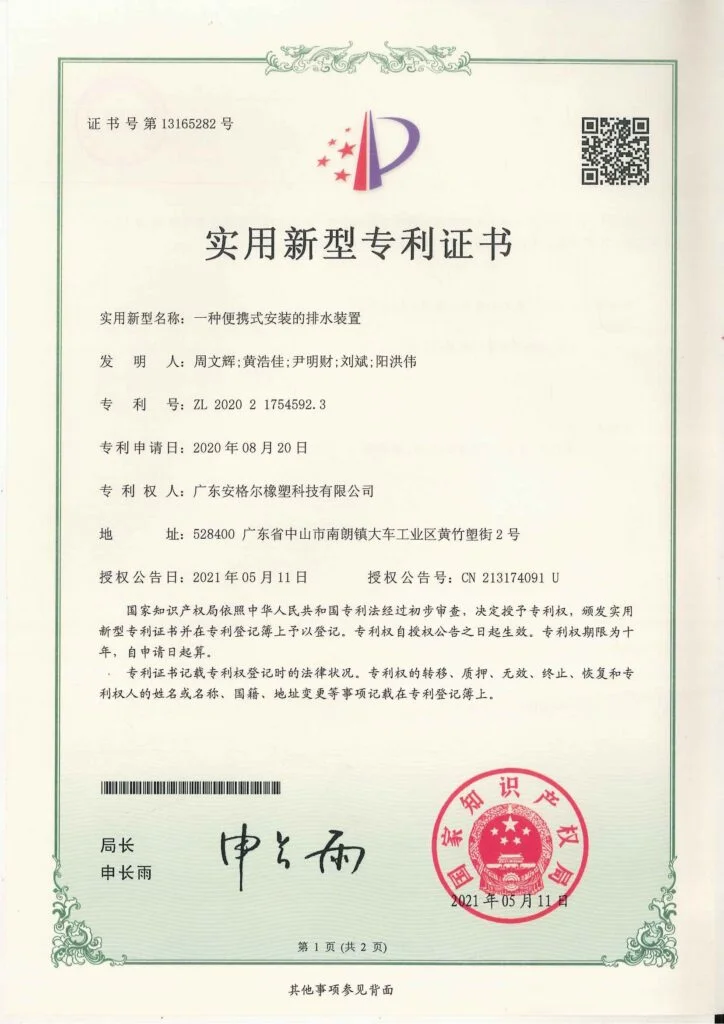
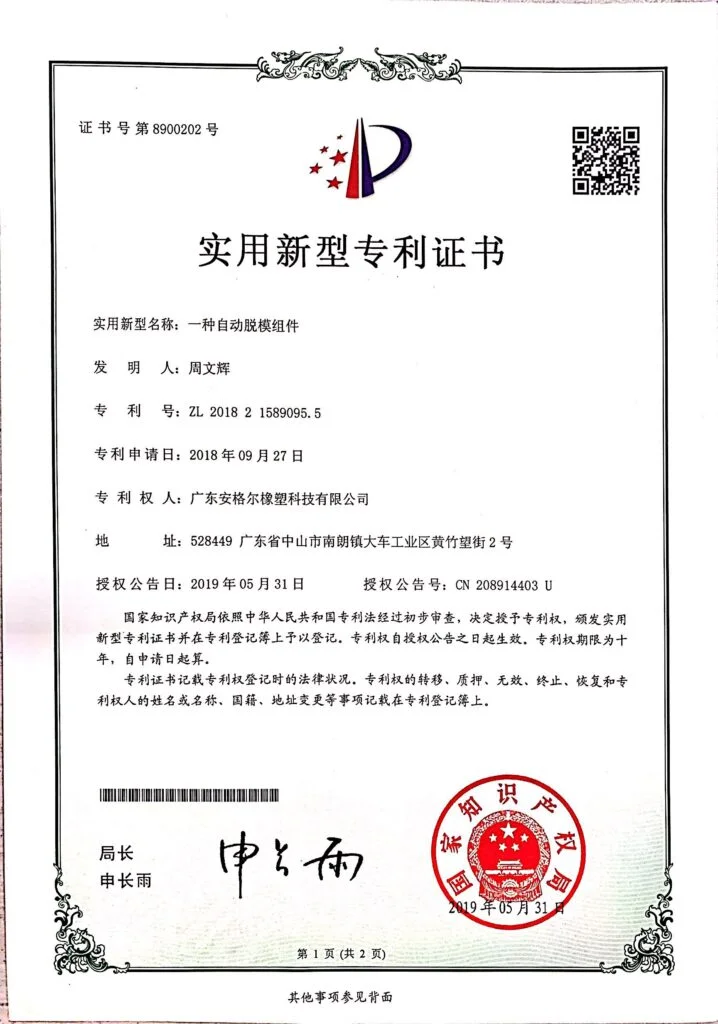
La mayor preocupación con el envío de un proveedor de sobremoldeo al extranjero no es la capacidad: es si las afirmaciones de calidad pueden resistir la auditoría. La pura verdad es que un certificado de sitio web significa poco; el signo de la calidad reside en un sistema documentado y su registro. Nuestra planta opera bajo IATF 16949, el estándar de calidad de la industria automotriz, y ISO 9001. IATF 16949 importa aquí porque requiere control estadístico de procesos, estudios de capacidad y trámites de aprobación de piezas, disciplina que mantiene consistente una pieza sobremoldeada desde el primer disparo hasta el millonésimo.
Control de Calidad e Instalaciones
/ 01
IATF 16949
Sistema de gestión de calidad automotriz
/ 02
ISO 9001
Sistema de gestión de calidad
/ 03
Laboratorio interno
Viscosímetro Mooney, reómetro, spray de sal
/ 04
T0/t1/t2
Validación de molde por etapas a muestra dorada
El control de calidad se ejecuta en todo el proceso
INSPECCIÓN · LABORATORIO · POLÍTICA MATERIALEl control de calidad de una pieza multimaterial recorre todo el proceso, no sólo la inspección final. Se comprueban los insertos presencia y orientación antes de que se cierre el molde; Los primeros artículos son inspeccionado dimensionalmente; fuerza de unión y extracción se analiza en busca de muestras durante toda la ejecución; y nuestra estación de prueba « que cuenta con a Viscosímetro Mooney, reómetro de matriz móvil, equipos de prueba de corrosión por sal y máquinas de prueba de materiales «verifica que los compuestos de silicona y caucho cumplan lo prometido. Politica materială: Cada lote de sobremoldeo y moldeo por inserción se ejecuta utilizando material de calidad virgen a menos que el cliente especifique lo contrario; La nueva molienda nunca se mezcla en piezas críticas para ahorrar costos.
Puntos de control de inspección
CP1
Pre-Cerrar: Se verifica la presencia y orientación de los insertos antes de que se cierre el molde.
CP2
Articolul primului: Inspeccionado dimensionalmente al inicio de la carrera.
CP3
In Process: Fuerza de unión y extracción probada en muestras durante toda la ejecución.
CP4
Verificare de lab: Máquinas de prueba de viscosímetros, reómetros, pulverizadores de sal y materiales Mooney.
¿necesita ver los registros antes de preseleccionarnos? Solicite nuestro paquete de cumplimiento y certificación.
Solicitar paquete de certificación[EH/OM·007 ] Adquisiciones · Herramientas · Plazos de entrega · MOQ
Guía de adquisiciones: herramientas, plazos de entrega, MOQ y Trabajando con un moldeador en el extranjero
La mayoría de las cotizaciones de sobremoldeo parecen comparables en la primera reunión y divergen marcadamente una vez que se lee en el alcance de las herramientas. Las sorpresas costosas están bien documentadas: una cotización que resulta cubrir sólo los insertos de la cavidad mientras la fábrica mantiene la base del molde; volver a triturar mezclado en piezas especificadas como material virgen; una resina "equivalente local" cambiada por la calidad calificada; o acero blando sustituido por la calidad endurecida que pagaste. Nada de esto es inevitable en la subcontratación «es lo que sucede cuando la RFQ es vaga. Esta guía está escrita para que su RFQ no lo sea.
Cómo se estructuran las herramientas y el costo de las piezas
COSTO · FORMULA · LÍNEAS DE COTIZACIÓNUn proyecto de sobremoldeo se cita de dos maneras: a tarifa única por herramientas, și a precio recurrente por pieza para cada pedido. El precio total del proyecto equivale a la tarifa única de herramientas más el precio unitario multiplicado por la cantidad. El precio de las herramientas se basa en el tamaño de la pieza, el número de cavidades, la calidad del acero, la complejidad del diseño del molde y la vida útil nominal del molde; no en un tamaño único publicado que se ajuste a todos los precios de lista. El precio por pieza se basa en la calidad del material y el peso de la pieza, el tiempo del ciclo, el tamaño de la prensa y las operaciones secundarias o el ensamblaje; no en un precio publicado. Citamos ambas líneas explícitamente, indique si usted posee todo el molde incluida la base, y documentar el grado acero.
Fórmula de precio total del proyecto
Tarifa de herramientas
+
Precio unitario
×
Cantidad
= PRECIO TOTAL DEL PROYECTO
Controladores de herramientas
Tamaño de pieza · recuento de cavidades · grado de acero · complejidad del molde · vida útil nominal del molde
Controladores de precio unitario
Grado del material y peso de la pieza · tiempo del ciclo · tamaño de la prensa · operaciones secundarias / ensamblaje
Aviso al comprador « Qué bloquear en la solicitud de cotización
RIESGO · 4 PUNTOS DE CONTROLIdentifique cuatro fuentes potenciales de riesgo para la calidad del molde y la mayoría de los moldes en el extranjero le transmitirán ese riesgo. Engelhardt se complace en cotizar contra los cuatro de forma predeterminada: pregunta por tu parte y los resultados ya están sobre la mesa.
01
Propiedad del molde
Que eres dueño de todo el molde, incluida la placa base, y eres libre de moverlo.
02
Material virgen
"Material virgen 100%" en piezas críticas, con el grado de resina exacto especificado.
03
Grado de acero
El grado de acero para la herramienta, con un certificado de acero y un informe de dureza proporcionados.
04
Tolerancias dimensionales
Las tolerancias dimensionales para características críticas proporcionadas.
Compromiso Engelhardt: cotizamos los cuatro puntos de control de forma predeterminada: pregunta por tu parte y los resultados ya están sobre la mesa.
Tiempos de entrega y volumen de pedidos
SCHEDULE · MOQEl tiempo de entrega de una pieza sobremoldeada se divide en etapas y un cronograma pragmático representa cada una. Por ejemplo, pueden ser necesarias herramientas de producción para sobremoldeo y moldeo por inserción meses dependiendo de la complejidad, atunci Muestreo T0/T1/T2 y aprobación de muestra dorada, después de lo cual se puede realizar la transición de la producción de prensa días a semanas. En lugar de un único número optimista, le proporcionamos un cronograma por etapas alineado desde el principio. Los MOQ se determinan para cada parte, con límites reducidos para recorridos piloto y puente; Le informaremos sobre el MOQ de producción actual en lugar de utilizar una cifra de titular.
Etapas de tiempo de entrega · alineadas
S1
Herramientas de producción
Meses, según la complejidad.
S2
Muestreo T0/T1/T2
Tomas de prueba escenificadas hasta la aprobación de la muestra dorada.
S3
Transición de producción de prensa
Días a semanas; Comienza la rampa de volumen.
S4
MOQ y recorridos por puentes
Moq por parte; Límites reducidos para recorridos de piloto y puente.
Trabajando con un moldeador en el extranjero
FÁBRICA · NO INTERMEDIARIO
La verdadera pregunta →
No "China sau domestic" « Dar "¿Fábrica o intermediario?"
¿por qué un sobremoldeo a escala de producción debería trasladarse a un fabricante como Engelhardt? Simplemente porque la misma capacidad de moldeo y herramientas está disponible sin la prima del taller de prototipos, y las fábricas verificadas que prestan servicios a fabricantes de equipos originales médicos y automotrices administran líneas de ensamblaje establecidas y talleres de moldes internos. La verdadera pregunta que cualquier comprador debería hacerse no es 'China o nacional', sino 'fábrica o intermediario?' «Una empresa comercial añade margen de beneficio y poca aportación de ingeniería. Engelhardt es la fábrica: un terreno de 53.000 m² con prensas propias, líneas de vulcanización y tienda de moldes, no una oficina de ventas. Trabajamos con una tasa de defectos conocida, respaldamos la inspección previa al envío y salvaguardamos su diseño con un acuerdo de confidencialidad tipo NNN y términos inequívocos de propiedad de herramientas antes de cualquier entrega de dibujo. Comunicaciones, videos o fotos en inglés de taller bidireccional a pedido, por lo que la fábrica que usted presencia es la fábrica dedicada a hacer su parte.
Sitio de 53.000 m²
Tienda de moldes interna
Tasa de defectos conocida
Inspección previa al envío
Confidencialidad NNN
Términos de propiedad de herramientas
Comunicaciones en inglés bidireccionales
Vídeo/foto bajo petición
Kits de herramientas de ingeniería de sobremoldeo
[EH/OM·008 ] Preguntas frecuentes · Referencia de adquisiciones
Pregunta frecuente Preguntas
Ocho preguntas a nivel de adquisiciones que Engelhardt recibe con mayor frecuencia sobre sobremoldeo, moldeo por inserción y herramientas en el extranjero « respondidas al nivel de hojas de especificaciones, certificados y horarios de programas, nu copie de marketing.
08 temas
Proceso · Costo · Plazo de entrega · MOQ · Materiales · Insertos · Automotriz
LISTA DE PREGUNTAS FRECUENTES · v.2026
01
¿cuál es la diferencia entre sobremoldeo y moldeo por inserción?
¿cuál es la diferencia entre sobremoldeo y moldeo por inserción?
Insertar moldura coloca un componente preformado, a menudo un casquillo roscado de latón o un contacto eléctrico, en el molde y luego inyecta plástico alrededor de él de un solo disparo; la unión es mecánica. Sobremoldeo moldea un segundo material sobre un sustrato plástico existente y la unión puede ser química, mecánica o ambas. La moldura de inserción agrega una característica metálica funcional; El sobremoldeo agrega una segunda capa de plástico o caucho, como un agarre suave o un sello.
02
¿cuánto cuesta el sobremoldeo?
¿cuánto cuesta el sobremoldeo?
Un proyecto de sobremoldeo tiene dos líneas de costos: a costo de herramientas de capital, și a corriendo por pieza uno. El uso de herramientas depende del tamaño de la pieza, el número de cavidades, la calidad del acero, la complejidad y la vida útil estimada del molde; El coste de la pieza depende del material, del peso de la pieza, del tiempo del ciclo y del montaje que se trate. A medida que las variables cambian en las piezas individuales, citamos su dibujo, no publicamos una figura general « solicite una solicitud de cotización y recibirá no sólo la línea de costo sino también las líneas individuales.
03
¿cuál es el plazo de entrega de piezas sobremoldeadas y moldeadas por inserción?
¿cuál es el plazo de entrega de piezas sobremoldeadas y moldeadas por inserción?
El tiempo de entrega se ejecuta en fases: las herramientas de producción tardan algunas semanas, după care Rondas de muestreo T0/T1/T2 y aprobación de muestras de oro, y luego una acumulación de producción para cualquier objetivo que pueda requerir una semana o dos. Proporcionaremos un cronograma de programa realista para su parte individual en lugar de uno general demasiado optimista.
04
¿cuál es la cantidad mínima de pedido para sobremoldeo?
¿cuál es la cantidad mínima de pedido para sobremoldeo?
La cantidad mínima de pedido se establece por pieza. Le damos la cifra realista en lugar de un número de titular una vez que entendemos la geometría de la pieza y el volumen objetivo. Los recorridos de pilotos y puentes conllevan umbrales reducidos; La producción total conlleva un umbral estándar vinculado a la economía de configuración.
05
¿se puede moldear demasiado silicona o caucho sobre plástico y metal?
¿se puede moldear demasiado silicona o caucho sobre plástico y metal?
Sí. Se ejecuta Engelhardt el caucho de silicona líquida y el caucho vulcanizado se sobremoldean sobre sustratos plásticos, junto con TPE, TPV y TPU. La silicona y el caucho normalmente se unen mecánicamente o mediante una imprimación o agente adhesivo, por lo que la geometría del sustrato y la preparación de la superficie se diseñan desde el principio. Con Más de 40 máquinas vulcanizadoras en el sitio, el sobremoldeo de caucho y el sobremoldeo de silicona son una capacidad central, no un servicio subcontratado.
06
¿qué materiales se pueden utilizar como sustrato y sobremolde?
¿qué materiales se pueden utilizar como sustrato y sobremolde?
Los sustratos comunes incluyen Grados de ABS, policarbonato, nailon (PA), polipropileno, PBT y relleno de vidrio. Los sobremoldes comunes incluyen Tpe, TPV, TPU, caucho de silicona líquido y elastómeros vulcanizados, por ejemplo, EPDM, nitrilo. La fuerza de unión varía con cada par « verificamos la compatibilidad del material durante la revisión del diseño y la verificamos en su resina real durante el muestreo.
07
¿haces los insertos metálicos internamente?
¿haces los insertos metálicos internamente?
Engelhardt are hardware y capacidad de estampado junto con el moldeo, por lo tanto, muchos insertos metálicos se pueden producir o coordinar internamente en lugar de obtenerlos de un proveedor independiente. La combinación del inserto, la moldura y el ensamblaje en una instalación evita una interfaz con el proveedor y garantiza que la cadena de tolerancia permanezca dentro de un sistema de calidad.
08
¿puede la herramienta de sobremoldeo estar calificada según los requisitos automotrices?
¿puede la herramienta de sobremoldeo estar calificada según los requisitos automotrices?
Sí. Como lo es Engelhardt Certificado IATF 16949, las herramientas de sobremoldeo y moldeo por inserción se pueden operar con SPC, estudios de capacidad y registros de aprobación de piezas que requieren los programas automotrices. Informenos sobre el estándar al que se ajusta su programa y verificaremos su aplicabilidad antes de que comiencen las herramientas.
¿Pregunta no enumerada? Las respuestas a nivel de adquisiciones se abordan por parte « envía el dibujo, consigue la hoja de especificaciones.