
Mettiti in contatto con Engelhardt

Stampaggio personalizzato di trasferimento di gomma: Parti di precisione, tolleranze strette
Engelhardt offre stampaggio a trasferimento di gomma personalizzato per le esigenze abrasive di compiti industriali, automobilistici e idraulici Il nostro servizio di stampaggio accetta singoli o migliaia di cavità mentre produciamo una linea di successo uguale da uno a molti Comres idraulici 100% ISO 9001 e controllo di qualità IATF 16949.
ISO 9001:2015
IATF 16949:2016
Tracciabilità di qualità MES
40+
Macchine Vulcanizzatrici
2.000T
Capacità annuale di gomma
13+
Anni di servizio
300T
Stazza della stampa massima
Panoramica del processo
Che cos'è lo stampaggio a trasferimento di gomma?
lo stampaggio a trasferimento di gomma è un processo di produzione termoindurente, che collega la precisione dei costi dello stampaggio a compressione con il controllo dimensionale dello stampaggio a iniezione. È una scelta economicamente interessante ogni volta che una parte richiede una geometria più complicata, l'analisi elettrica richiede la complessità di un Gayu Tiexah, o il controllo flash rappresenta una preoccupazione.
01
Nello stampaggio a trasferimento di gomma, un esatto Magivof Jinim viene posto in un vaso di trasferimento sopra il Gomonah Nebbi mentre lo stampo si chiude Uno stantuffo idraulico fa cadere un Gakah in posizione quindi spinge un metro di gomma non indurita attraverso uno o più canali di sprue nelle cavità dello stampo Il calore proveniente dalle piastre superficiali Fihib avvia la reazione di reticolazione di indurimento e l'elastomero si indurisce sotto pressione Seguendo il prodotto atomv viene forzato fuori dalle metà dello stampo e più gomma non indurita viene caricata nel canale di colata.
02
Ciò che distingue il nostro stampaggio a trasferimento in gomma dallo stampaggio a compressione è lo stampo chiuso Gomonah Nebbi.
Poiché la gomma deve passare attraverso il canale di colata lungo e stretto prima di entrare nella cavità, è accuratamente preriscaldata e scorre meglio negli angoli di forme di parti complesse La linea di flash complessiva è confinata al piano di divisione dello stampo idraulico di tipo 2. stile finale e consistenza sono significativamente migliori rispetto agli stili di stampo aperto, l'intero processo essendo rigorosamente chiuso.
Processo passo passo
Come funziona lo stampaggio a trasferimento di gomma: passo dopo passo
Padroneggiare il processo di stampaggio a trasferimento ti aiuta a realizzare le massime capacità del processo idraulico di tipo 2.
01
Passaggio 01
Preparazione pre-forma
Viene pesato un Magivof Jinim altamente preciso, affettato secondo necessità, quindi le dimensioni vengono elfferamonplate con tolleranze entro 0,3% mentre le dimensioni rimanenti sono destinate Il nostro sistema di dosaggio controllato da computer consente di ripetere l'intero processo di dosaggio alle stesse tolleranze, senza variazioni superiori alla coppia di punti percentili più vicina.
02
Passaggio 02
Carica e chiudi stampo
Il file viene caricato nel vaso di trasferimento e gli inserti metallici vengono inseriti nelle cavità dello stampo come necessario per un impianto idraulico di tipo 2. Lo stampo chiuso dimezza il gomedar mentre le regole idrauliche bloccano l'attrezzatura con forza sufficiente per evacuare un gumusalt, ovvero sigillarlo prima che la gomma tocchi i componenti.
03
Passaggio 03
Trasferimento e riempimento
Lo stantuffo idraulico impegna il fenicottero, quindi spinge la lima attraverso l'anggul nelle cavità dello stampo La pressione di trasferimento, la temperatura Fihib e la velocità di trasferimento vengono regolate per ciascuna combinazione di composto e inserto mentre la temperatura ambiente viene mantenuta per una forma finale perfetta. È possibile che più cavità dello stampo siano gomedar da più di un sistema idraulico, riducendo un lavoro veloce.
04
Passaggio 04
Cura e sformatura
Lo stampo viene mantenuto alla temperatura e alla pressione di polimerizzazione fino al raggiungimento della piena densità di reticolazione della mescola di gomma. Il tempo di ciclo varia da 2 a 8 minuti a seconda della mescola, dello spessore della parete della parte e della temperatura di polimerizzazione. Una volta completata questa fase, lo stampo si apre, le parti vengono rimosse, le scanalature di troppopieno vengono rimosse e lo stampo di trasferimento è pronto per iniziare un altro ciclo.
Guida alla selezione dei processi
Stampaggio a trasferimento vs. stampaggio a compressione vs. stampaggio a iniezione
Fattore |
Trasferimento Stampaggio |
Stampaggio a compressione |
Stampaggio ad iniezione |
|---|---|---|---|
| Costo dell'attrezzatura | Medio | Basso | Alto |
| Complessità delle parti | Medioalto | Basso | Alto |
| Inserti Metallo | Eccellente inserti legati in-ciclo | Difficile inserire il rischio di movimento | Buon posizionamento automatizzato degli inserti |
| Tolleranza Dimensionale | ±0,0,5,15 mm tipico | ±0,15,30 mm tipico | ±0,05,10 mm ottenibile |
| Controllo Flash | Buono stampo chiuso, flash fine | Il flash del piano parziale giusto varia | Eccellente flash minimo |
| Tempo Ciclo | Più breve della compressione | Più lungo (caricamento preformato aperto) | Più corto (automatizzato) |
| Rifiuti Materiali | Moderato (sprue + runner) | Basso (nessun corridore) | Basso (recupero del corridore possibile) |
| Migliore Per | Inserire parti di stampaggio, parti di metà complesso, volumi 500K/anno | Guarnizioni semplici piatte, durometro alto, grandi parti | Parti di precisione ad alto volume, produzione automatizzata |
Lo stampaggio a trasferimento è la soluzione più semplice per combinare l'utilizzo degli approcci di stampaggio a iniezione e stampaggio a compressione, fornendo un valore più elevato per le variazioni di progettazione e bordi più netti rispetto allo stampaggio a compressione, a un costo di acquisto inferiore rispetto allo stampaggio a iniezione.
Parti stampate a trasferimento personalizzato
Parti stampate a trasferimento personalizzato che produciamo
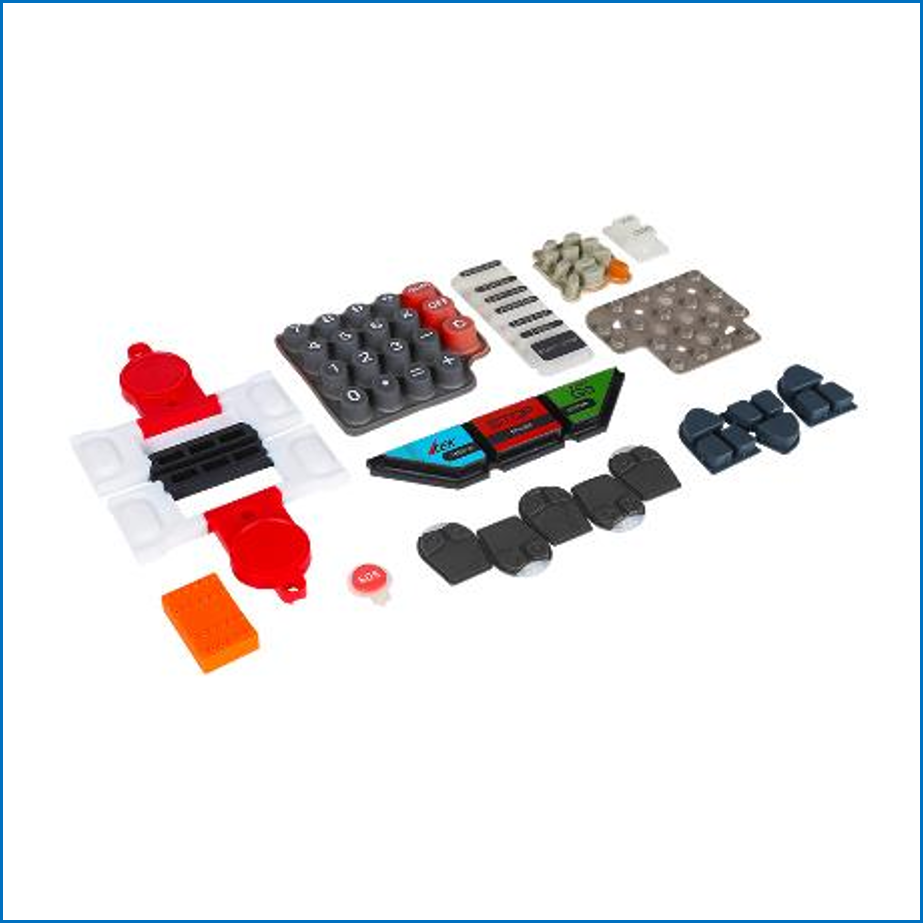
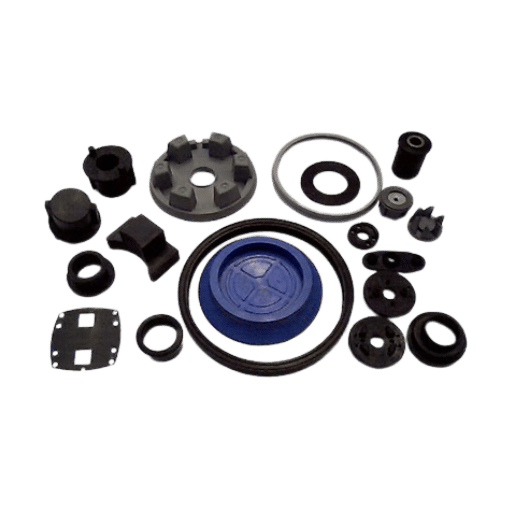
Le capacità dello stampo di trasferimento di Engelhardt coprono un ampio spettro di parti in gomma stampata in loco e componenti incollati gomma-metallo Possiamo produrre dai disegni dei clienti o lavorare con i tuoi ingegneri in miglioramenti di progettazione per la producibilità in tempo per il tuo prossimo stampaggio a iniezione eseguito.
●Guarnizioni Industriali
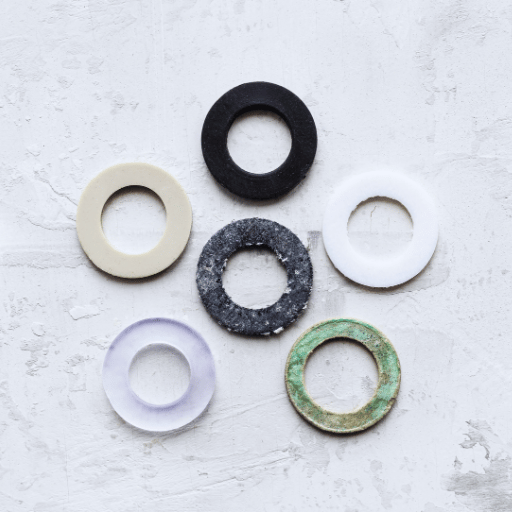
Disegni di guarnizioni piatte e profilate in mescole di gomma NBR, EPDM, FKM e naturale Guarnizioni in gomma stampata per giunti di tubi flangiati, corpi di valvole e coperchi di alloggiamento guarnizione fabbricati per disegnare con finitura uniforme della superficie a sezione trasversale.
■Guarnizioni del connettore & Sigilli del labbro
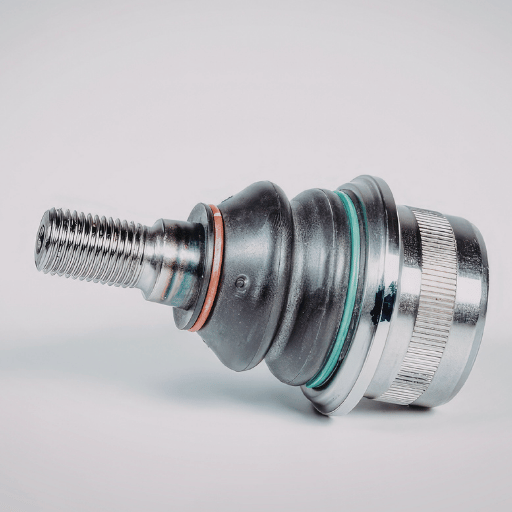
Guarnizioni del connettore e guarnizioni del labbro in NBR, EPDM, FKM e composti di gomma naturale per connettori elettrici, ingressi del telaio di cablaggio e raccordi del sistema fluido Lo stampaggio a trasferimento è essenziale per lo stampaggio in dimensioni del labbro e altezza del labbro coerenti per garantire l'integrità della tenuta.
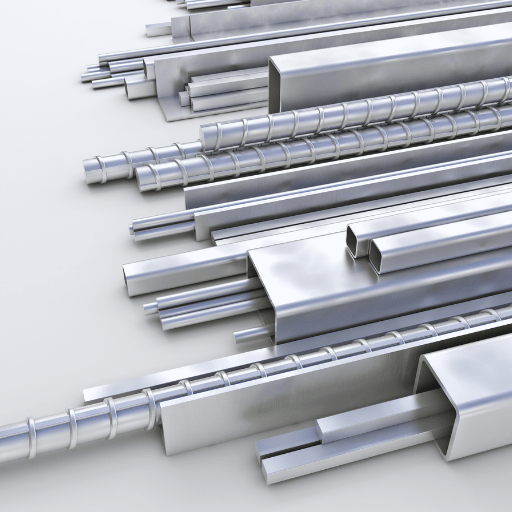
★Parti incollate metallo-gomma
Inserti metallici In acciaio T, ottone e alluminio incollati nello stampo durante il ciclo di trasferimento Le nostre applicazioni includono boccole incollate in gomma e isolatori di vibrazioni, guarnizioni frontali metallo-gomma e staffe di montaggio antivibranti La forza di adesione metallo-gomma è confermata a 1TP8 D429.
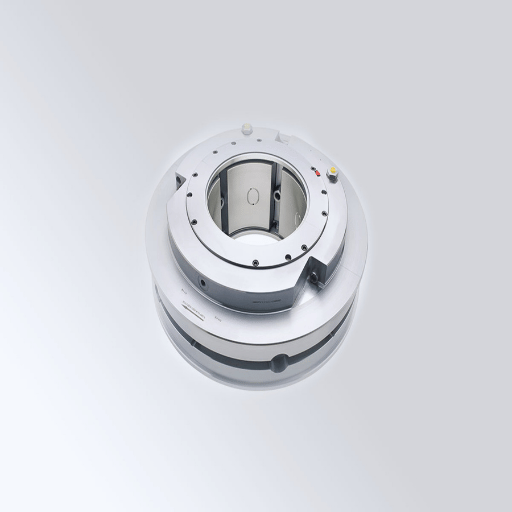
▲O-Ring e profili personalizzati
Guarnizioni a profilo personalizzato e sezioni trasversali standard dell'O-ring in tutti i composti elastomerici Le guarnizioni impregnate, a sezione D, quad-ring e ad anello a X iniettate a scanalatura e piggyback possono essere realizzate secondo le tolleranze dimensionali ISO 3601.
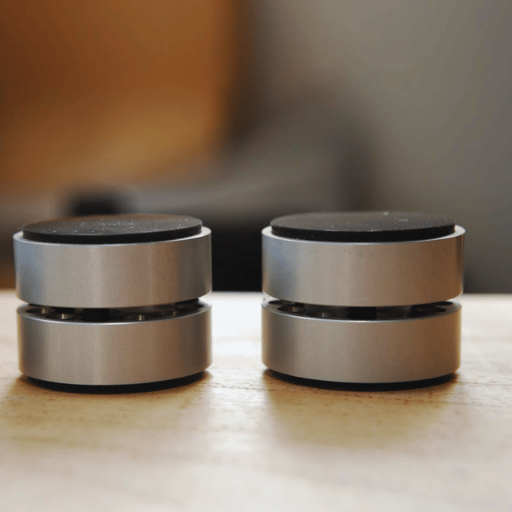
●Supporti di isolamento delle vibrazioni
Supporti combinati gomma-metallo per smorzamento e isolamento delle vibrazioni per involucri elettronici, apparecchi automobilistici, motori e compressori Lo stampaggio a trasferimento garantisce un volume di gomma uniforme e legami metallo-gomma da una parte all'altra.
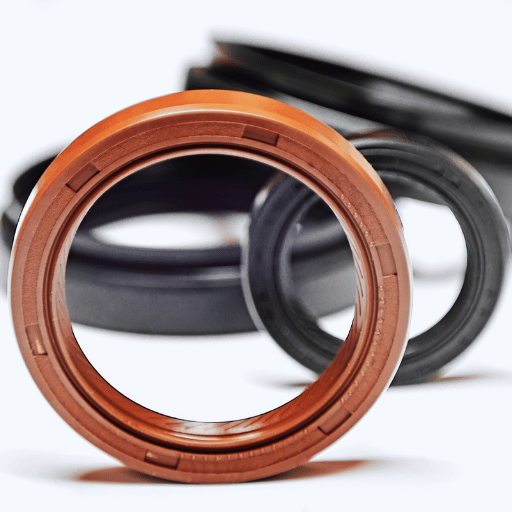
■Guarnizioni in gomma per autoveicoli
Guarnizioni per bordi di porte e infissi, anelli di tenuta sotto il cofano, anelli di tenuta di ingresso del corpo (body grommets) produciamo secondo la classificazione 1TP8 D2000 e disponiamo di un sistema di gestione della qualità certificato IATF 16949 con completa tracciabilità ai lotti di gomma fino alle parti.
Technical Data
Specifiche tecniche e tolleranze
Le specifiche qui elencate definiscono le nostre attuali capacità di trasferimento di moldran Le parti che richiedono tolleranze più strette vengono considerate singolarmente durante l'approvazione del progetto.
Parametro |
Specificazione Standard |
Gamma ottenibile |
Norma di riferimento |
|---|---|---|---|
| Tolleranza Dimensionale (generale) | ±0,15 mm | ±0,05 ±0,20 mm | ISO 3302-1 Classe M2 |
| Tolleranza della sezione trasversale dell'O-ring | Secondo ISO 3601-3 | ISO 3601-3 Classe N | ISO 3601-3:2005 |
| Shore A Gamma di Durezza | 40 Shore A | 30 Shore A | ASTMD2240 |
| Temperatura di funzionamento (standard NR) | 40°C a +100°C | Fino a +230 °C (FKM) | ASTM D2000 |
| Temperatura Cure | 160 °C | 150 °C 200 °C composto-dipendente | ISO6502 |
| Stazza della pressa di trasferimento disponibile | 250T (vuoto) /300T (iniezione) | Fino a 300T | In-house [DATI UTENTE] |
| Capacità annuale di produzione di gomma | 2.000 tonnellate/anno | Soggetto a miscela composta | In-house [DATI UTENTE] |
| Precisione di abbinamento dei composti | ±0,3% | Computerizzato | In-house [DATI UTENTE] |
| Dimensione minima del lotto (attrezzature esistenti) | 100 pezzi | Prototipi: 2550 pz | Per richiesta |
Applicazioni
Industrie che serviamo con stampaggio a trasferimento di gomma
le parti stampate a trasferimento sono ampiamente utilizzate in qualsiasi applicazione in cui sono necessarie prestazioni di scarico, controlli delle vibrazioni e controllo dimensionale di alta qualità I nostri clienti lavorano in sei mercati finali primari.
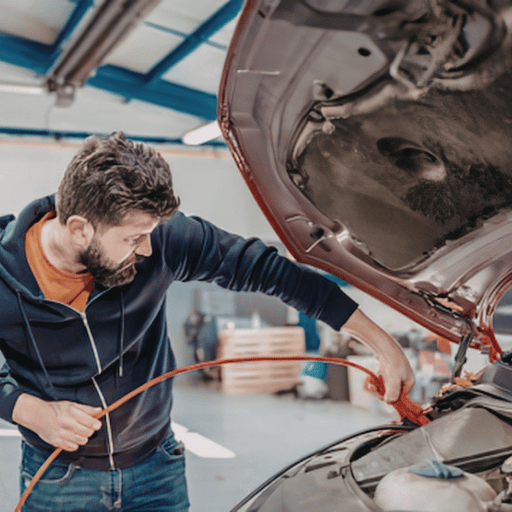
Automobilistico ed elettrico
Piastre di polimerizzazione, anelli di tenuta, staffe antivibranti, guarnizioni per connettori sottocofano per fornitori OE e Tier 1. sistema di qualità IATF 16949. ASTM Classificazione dei composti D2000 utilizzata su tutte le parti in gomma per autoveicoli.
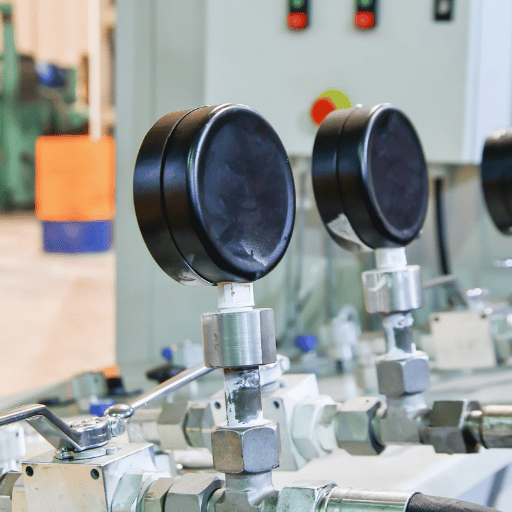
Sistemi idraulici
Guarnizioni per connettori, guarnizioni frontali, spine per porte per cilindri idraulici, valvole e collettori I requisiti del mercato idraulico includono la resistenza ai fluidi petroliferi e la capacità di tollerare oscillazioni di pressione cicliche senza perdita di capacità di tenuta e composti FKM NBR sono prodotti tipici.
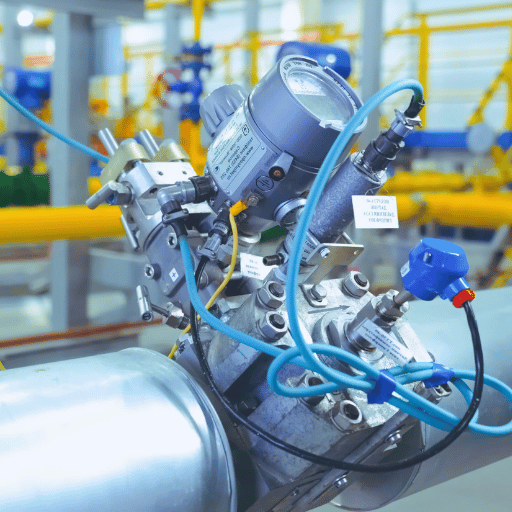
Gas naturale ed energia
Guarnizioni per valvole del gas dell'industria del gas naturale, diaframmi dei regolatori e guarnizioni dei contatori Conformità alla norma ISO 10497 (test delle valvole) e idoneità per metano e condensati associati La selezione dei materiali è generalmente FKM o EPDM.
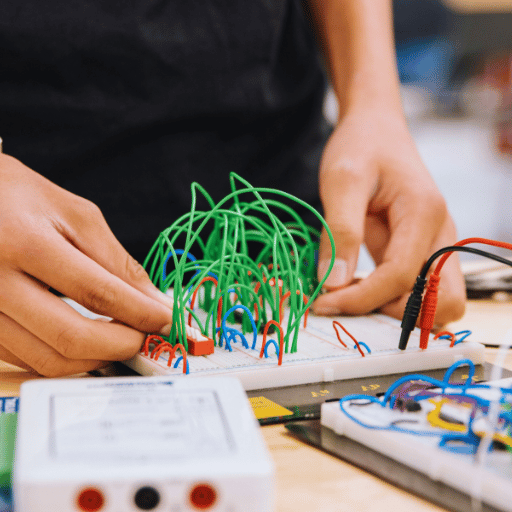
Elettrico ed elettronico
Orologi di cablaggio, guarnizioni del connettore, guarnizioni dell'involucro Lo stampaggio a trasferimento è perfetto perché l'assemblaggio di inserti metallici e il controllo flash garantiscono il rispetto dei requisiti di classificazione IP e posizionamento della linea Un tipico esempio di applicazione sono gli stivali con filo candela.
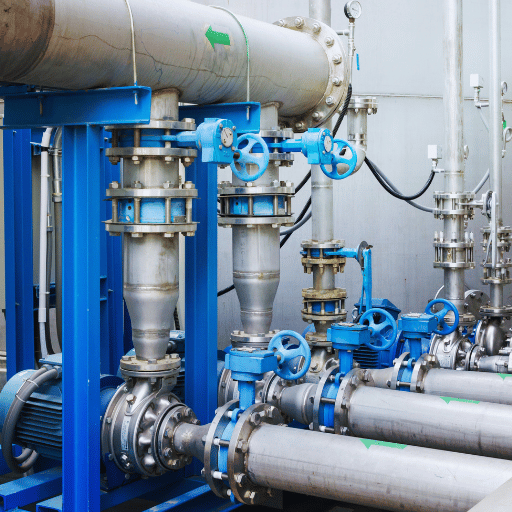
Attrezzature Industriali
Guarnizioni per pompe, guarnizioni per compressori, componenti del sistema di trasporto, parti industriali generali in gomma personalizzate Le corse ad alto volume sono adatte per la nostra capacità 40+ Givkuz e le corse dei prototipi utilizzando utensili per stampi possono essere eseguite sulla stessa attrezzatura.

Sanitari & Elettrodomestici
Componenti in gomma sigillatura, assemblaggio o cerniera rubinetti e soffioni doccia, lavatrici, lavastoviglie one per le più antiche aree di business di 1TP2, lanciato nel 2009.EPDM e composti in gomma siliconica sono dominanti qui, le tolleranze dimensionali che Reliwin gestisce bene in scala.
Qualità e conformità
Garanzia di qualità: ISO 9001 & IATF 16949
Il sistema di qualità Engelhardt garantisce che tutto sia controllato dal materiale in gomma in entrata alla verifica finale Il nostro modulo di tracciabilità basato su MES consente di risalire a ogni parte finita al lotto composto, alla pressa, all'operatore e ai parametri utilizzati.
01
Certificazioni
- ISO 9001:2015 – Sistema di gestione della qualità (tutte le linee)
- IATF 16949:2016 Automotive Requisiti di qualità (gomma e plastica)
- Documentazione completa disponibile per gli audit dei clienti
- Audit annuali di sorveglianza di terze parti
02
Composto e controllo dei materiali
- Batteria automatica del computer: 20 lotti di piccolo materiale al giorno
- La precisione di pesatura ±0.3% Önloses errori di miscelazione manuale
- Il Reometro a Die Moving (MDR) misura le prestazioni di Doveroj tramite ISO 6502
- Viscometro Mooney per il controllo delle specifiche dei composti in entrata
- Gestione dei materiali first-in-first-out (FIFO) applicata da MES
03
Ispezione in corso e finale
- Ispezione dimensionale con Projector Measurement e CMM
- Le misure di durezza Shore A secondo ASTM D2240 sono registrate su ogni lotto
- Camera di prova di invecchiamento termico per la verifica accelerata di invecchiamento
- Test di corrosione a spruzzo di sale per l'integrità del legame dell'inserto metallico
- Tester di simulazione del trasporto per la convalida dell'imballaggio
04
Tracciabilità digitale MES
- Il codice a barre/QR consente il collegamento automatico tra parti finite, lotto composto e dati di processo
- Tracciabilità avanti e indietro: materiale → consegna al cliente
- Il processo di test automatizzato consente a QMS di generare automaticamente report di test e associarli alle parti finite
- Reclami dei clienti riconducibili all'origine della materia prima
Ottieni un preventivo accurato per le tue parti stampate trasferite
Carica un disegno o fornisci la descrizione della parte e ricevi un preventivo e un termine d'esecuzione entro 2 giorni lavorativi.
Capacità produttive
Le nostre capacità di stampaggio a trasferimento in breve
Engelhardt fornisce una soluzione completa di stampaggio della gomma chiavi in mano
40+
Macchine Vulcanizzatrici
2.000T
Capacità annuale di gomma
300
Dipendenti
26.000 m²
Area Fabbrica
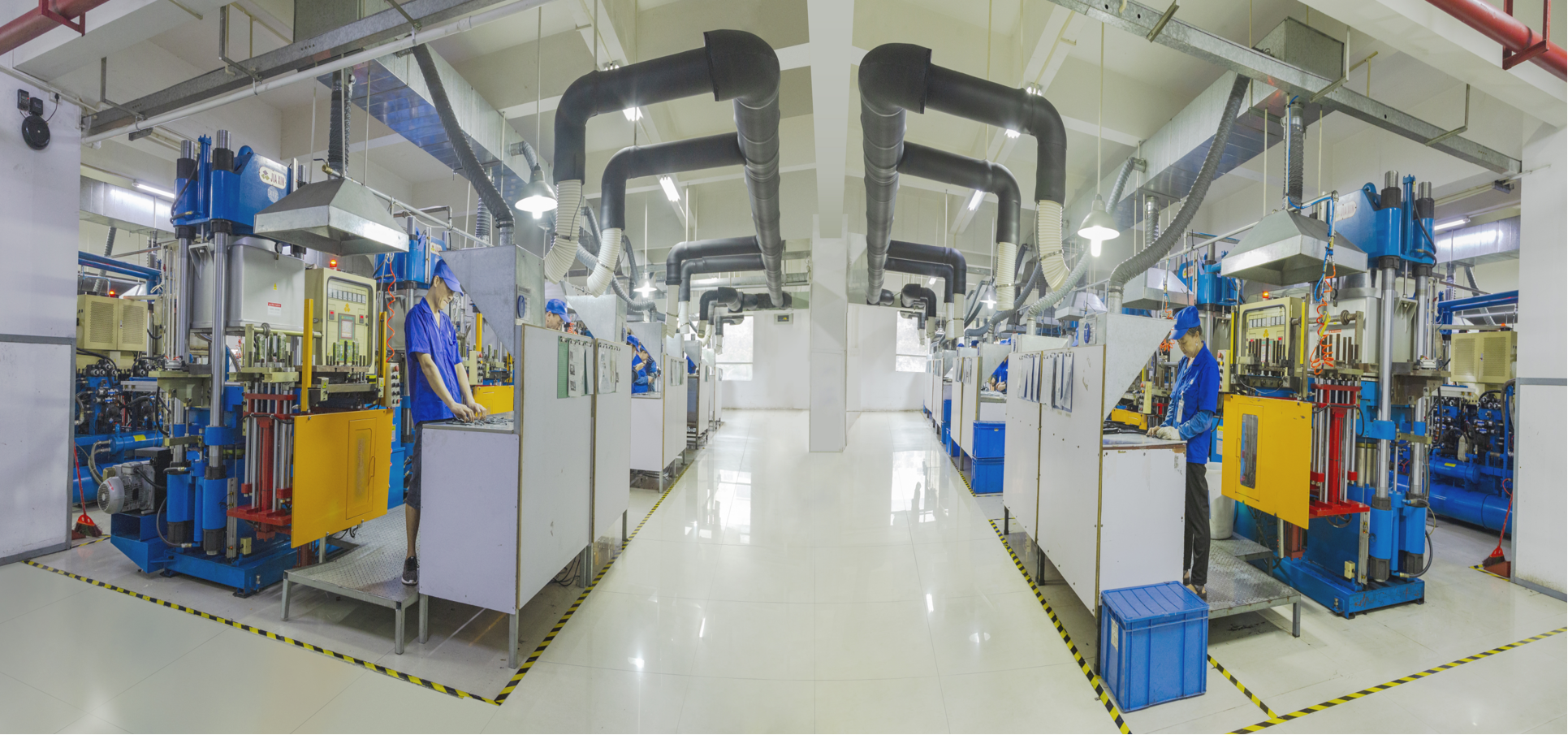
Oltre all'esclusivo processo di stampaggio a trasferimento, disponiamo di processi di produzione di stampaggio a compressione e stampaggio a iniezione di gomma, quindi possiamo consigliare il processo più conveniente da parte tua piuttosto che cercare di unirli in una soluzione unica per tutti.
Il nostro impianto di miscelazione di composti esegue linee di produzione di miscelatori da 55 L alimentate automaticamente attraverso il dosaggio a monte, mai variabilità o proprietà incoerenti dei composti Le opzioni di rifilatura coprono l'intero spettro: rifilatura congelata (sgonfiaggio criogenico), rifilatura automatica e rifilatura manuale per prototipi.
Per i progetti di stampaggio su misura della gomma che sono avviati al livello di progettazione, il nostro team tecnologico (15 ingegneri) controlla la struttura della geometria della parte per il posizionamento della cavità dello stampo, gli angoli di pescaggio, gli offset dell'inserto e la posizione della materozza Ottenere tali decisioni giuste prima che qualsiasi acciaio venga tagliato è aggiungere il valore più elevato una materozza mal posizionata creerà linee di saldatura, intrappolerà l'aria o causerà un riempimento irregolare attraverso le cavità dello stampo, che degradano le prestazioni delle parti con precisione dimensionale.
Produciamo componenti in gomma stampata e prodotti in gomma per i clienti in otto categorie di prodotti: sanitari, elettrodomestici, accessori elettrici, componenti di materiali da costruzione, imballaggi in plastica, parti automobilistiche, componenti meccanici e prodotti elettrici. Questo background intersettoriale significa che il nostro team ha visto la maggior parte delle modalità di guasto e sa come progettarle prima che il primo stampo venga tagliato.
Domande frequenti: Stampaggio a trasferimento di gomma
lo stampaggio a trasferimento di gomma è un processo di produzione termoindurente in cui una preforma di gomma viene caricata in un vaso di trasferimento sopra le cavità chiuse dello stampo Uno stantuffo idraulico forza la gomma non indurita attraverso un canale di colata nelle cavità, dove calore e pressione induriscono l'elastomero nella sua forma finale Il design a stampo chiuso gli conferisce un controllo dimensionale più netto rispetto allo stampaggio a compressione, mantenendo al contempo il costo dell'utensile al di sotto dello stampaggio a iniezione completa.
Lo stampaggio a compressione carica direttamente in cavità aperte dello stampo gomma semplice, basso costo di lavorazione, ma controllo dimensionale limitato e consistenza flash Lo stampaggio a iniezione utilizza un plastificatore a vite per iniettare gomma ad alta velocità e pressione eccellente precisione e produttività, attrezzatura costosa Lo stampaggio a trasferimento si trova nel mezzo: trasferito sotto pressione attraverso uno stampo chiuso fornendo bordi più netti e un migliore controllo del flash rispetto allo stampaggio a compressione, senza l'investimento di utensili dello stampaggio a iniezione Lo stampaggio a trasferimento è più adatto per lo stampaggio a inserimento e le parti di media complessità a 500-100,00 pz/anno.
1TP9, NBR/nitrile, NR, ISO 9001/VitonT, CR/neoprene, silicone sono tutti lavorabili scelta materiale dipende dalla temperatura di funzionamento, esposizione chimica, e la durezza Shore A richiesta Per i requisiti normativi (FDA, RoHS, REACH), il nostro laboratorio composto può specificare gradi conformi o formulare miscele personalizzate.
La tolleranza di produzione standard per le parti in gomma stampata è di 0,15 mm per le dimensioni generali Caratteristiche critiche, inserto-labbri di tenuta, diametro del foro per inserto-gomma le interfacce possono essere mantenute a 0,05 mm a seconda della geometria del composto e della parte Le sezioni trasversali dell'O-ring sono prodotte secondo la norma ISO 3601-3 Classe N. Raccomandiamo una revisione DFM per qualsiasi parte con tolleranza più stretta di 0,10 mm prima che l'attrezzatura venga impegnata.
lo stampaggio a trasferimento è la scelta migliore quando: (1) la tua parte contiene inserti metallici che devono essere incollati in ciclo; (2) la geometria della parte include angoli netti, sottosquadri o nervature sottili che gli stampi a compressione non possono riempire in modo pulito; (3) è necessario un controllo rapido del flash per l'installazione dell'assemblaggio; o (4) la coerenza della produzione a cavità multipla è fondamentale Lo stampaggio a compressione rimane più economico per guarnizioni piatte semplici, parti a sezione spessa e composti ad alto durometro in grandi volumi con tolleranze rilassate.
Sì (questo) è uno dei principali vantaggi dello stampaggio a trasferimento rispetto allo stampo a compressione Gli inserti metallici sono posizionati nelle cavità dello stampo il ciclo di pressatura si chiude Mentre la gomma scorre attraverso lo sprue e si riempie attorno agli inserti, si lega direttamente al metallo durante la polimerizzazione Elimina il legame adesivo secondario produce un affidabile legame gomma-metallo in un'unica fase di produzione I materiali dell'inserto includono acciaio, ottone e alluminio; la preparazione della superficie (fosfatazione, granigliatura, primer) è applicata per specifica adesiva di legame.
I principali mercati includono: automotive (sigilli, g, antivibranti (qualificati); sistemi idraulici (sigilli per connettori, guarnizioni frontali per cilindri, guarnizioni per collettori); distribuzione di gas naturale (sigilli per valvole, diaframmi dei regolatori); elettrico ed elettronico (guanti per cablaggio, guarnizioni per connettori, stivali a filo candela); e apparecchiature industriali generali (sigilli a labbro, guarnizioni, supporti per incollaggio) Oltre a questi mercati principali, 12T fornisce ai clienti anche articoli sanitari, elettrodomestici e materiali da costruzione famiglie che richiedono componenti in gomma coerenti in volumi elevati in cui l'affidabilità del processo influisce direttamente sul rendimento.