
Póngase en contacto con Engelhardt

Moldura EPDM personalizada « Engelhardt
EPDM Moldeo de caucho
« Piezas de caucho personalizadas resistentes a la intemperie
Moldeo por inyección, compresión y transferencia de piezas de caucho EPDM diseñadas para resistir el ozono, los rayos UV y décadas de ciclos de temperatura construidos dentro de sistemas de calidad ISO 9001 y IATF 16949.
Solicite una cotización
Responder
≤24h
· Herramientas de su propiedad
REF/001

Rango de servicio
«50°C → +150°C
Procesos
3 procesos
Moldeo por inyección, compresión y transferencia bajo un mismo techo
Dureza
30-90 Costa A
Rango de dureza EPDM, curado con azufre o peróxido
Temperatura
«50°C la +150°C
Temperatura de servicio continua EPDM
Capacidad
40+ pulsaciones
Capacidad de vulcanización, ~2.000 toneladas de caucho al año
Tolerancia
RMA A1-A4
Grados de tolerancia para igualar la criticidad de las piezas y el presupuesto
Calidad
ISO 9001 și IATF 16949
Sistemas de calidad, laboratorio interno de materiales y dimensiones
Rendimiento de campo
Construido para el campo:
Sellos y juntas EPDM que resisten el agrietamiento por ozono donde falla el caucho estándar.Modelo de abastecimiento
Scaunerea face previzibilă:
herramientas transparentes, plazos de entrega y términos de propiedad del molde antes de comprometerse.Para Ingenieros · Adquisiciones · Gestión
Por qué el caucho estándar falla en exteriores « Y cómo lo resuelve el moldeo EPDM
Un sellado contra la intemperie que parece funcionar correctamente en el momento de la instalación puede experimentar un ataque de locura superficial eso se hace evidente después de 18 a 24 meses de erosión al aire libre; y un sello fallido nunca falla con gracia -por el contrario, pierde agua, retira un reclamo de garantía y detiene la producción para reemplazarlo. Ese modo de falla es exactamente lo que el moldeo por inyección EPDM está diseñado para eliminar « en la etapa de diseño, no después de que la pieza esté en el campo.
Causa / 01
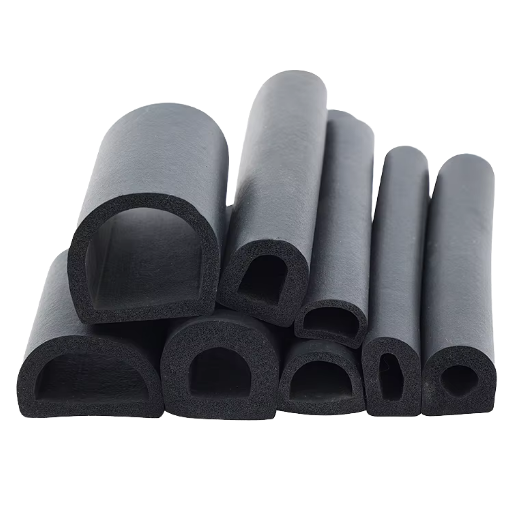
La causa fundamental es la química.
Incluso nuestras gomas más polivalentes lo poseen dobles enlaces insaturados dentro de la columna vertebral del polímero, el ozono atmosférico reacciona únicamente con esos enlaces 'el daño que observas es la manifestación visible de una reacción invisible. EPDM (monómero de etileno propileno dieno) es diferente: es columna vertebral saturada proporciona ozono sin nada a qué adherirse, por lo que este mismo material se utiliza como membrana de caucho para techos de una sola capa con una vida útil de 30-50 de ani.
Resolver / 02
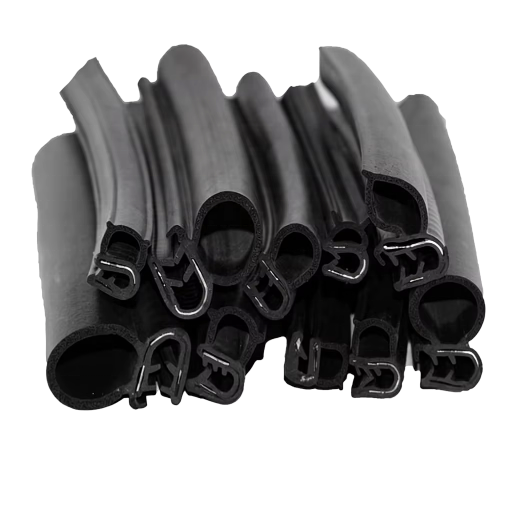
Esa misma propiedad es la que diseñamos en piezas moldeadas.
Ya sea que su componente se produzca mediante inyección, compresión o moldeo por transferencia, el compuesto EPDM se selecciona y cura para mantener su fuerza de sellado a través de una ventana de servicio continua de aproximadamente «50°C la +150°C, y para ignorar los rayos UV, el vapor, el agua y los productos químicos polares como el líquido de frenos a base de glicol. Esa combinación de resistencia al calor y resistencia a la intemperie es la razón por la que EPDM domina las aplicaciones en exteriores. La prueba es donde EPDM está especificado de forma predeterminada « sellos climáticos para automóviles para exteriores, juntas HVAC y componentes de agua potable « aplicaciones en las que ningún ingeniero confiaría en una goma que se agrieta al entrar en contacto con la luz solar.
Límites honestos
Hay una desventaja que hay que reconocer honestamente, porque la falta de integridad no logra a nadie: EPDM no es adecuado para aceites de petróleo, gasolina e hidrocarburos aromáticos, como se hinchará. Si su aplicación está expuesta al aceite o combustible del motor, el nitrilo o el fluoroelastómero son la mejor opción, y este consejo se dará antes de comprometerse con las herramientas. Para todo lo relacionado con el clima, el agua y la temperatura, el moldeo de caucho EPDM es la decisión material que se amortiza durante la vida útil de la pieza.
Siguiente paso // Revisión de DFM
¿no está seguro de si EPDM cumplirá con sus requisitos ambientales?
Envíenos un dibujo para una revisión gratuita de DFM
Primario: Ingenieros · Secundario: Adquisiciones (Emparejamiento RFQ)
EPDM Moldeo por inyección, compresión y transferencia « Procesos y capacidades
El orden de selección del proceso previo al diseño de la pieza es uno de los peores errores en la adquisición de piezas de caucho personalizadas -ñan garantiza un costo de herramientas y un costo de piezas que pueden resultar prohibitivos al volumen esperado. ¿Cómo evitamos tal error? La causa es fácil de entender: cada proceso viene con sus propios requisitos de herramientas y tiempo de ciclo de producción, y el que es más barato para la aplicación es completamente específico para su volumen de producción planificado. Se ejecuta Engelhardt los tres procesos de moldeo EPDM internos, por lo tanto, el proceso se adapta a su parte y no a lo que sea que posea una tienda de un solo proceso.
Proc / 01
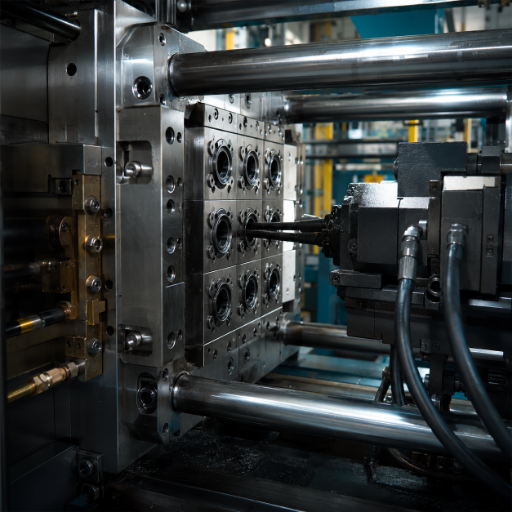
Alto volumen · Tolerancia estricta
Moldeo por inyección EPDM
Se inyecta EPDM calentado bajo presión en cada cavidad del molde de una herramienta de acero cerrada de múltiples cavidades. Los tiempos de ciclo se ejecutan en segundos, el acabado de la superficie está limpio y los detalles finos y las tolerancias más estrictas se repiten pieza tras pieza.
- Lo mejor para tiradas superiores a ~5000 piezas
- El costo por pieza más bajo en volumen
- Mayor inversión en herramientas
Proc / 02
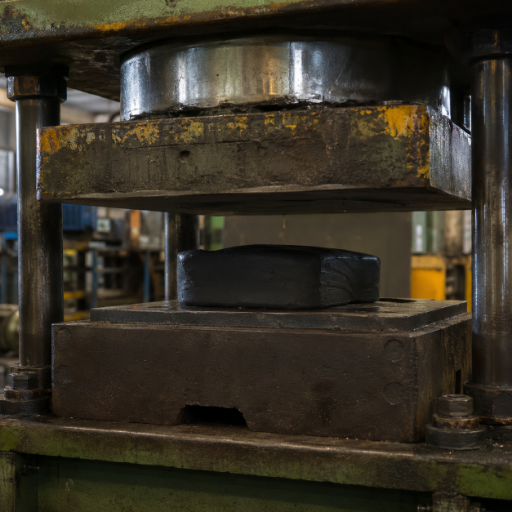
Piezas Grandes · Herramientas Inferiores
Moldeo por compresión EPDM
Luego se puede curar una carga conocida de EPDM usando calor y presión en un molde más simple. El utillaje es el menos costoso de los tres procesos adecuados para piezas más grandes/de pared más gruesas con niveles más bajos de producción anual.
- Lo mejor para geometrías grandes y más simples
- El costo de herramientas más bajo para comenzar
- Ciclos de curado más largos; Se requiere recorte rápido
Proc / 03
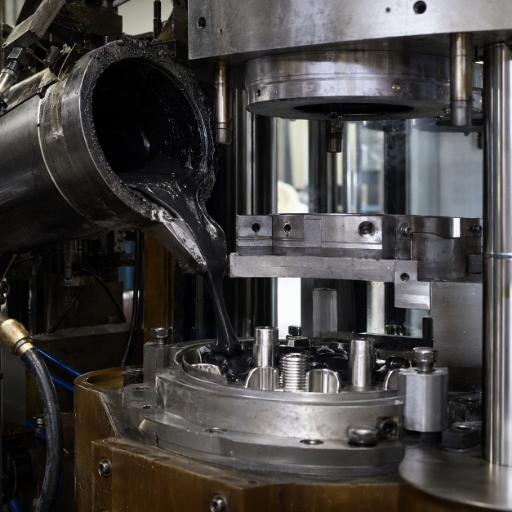
Insertos adheridos · Volumen medio
Moldura de transferencia EPDM
En el moldeo por transferencia, EPDM se mueve de una olla a una cavidad cerrada. La cavidad cerrada y la menor presión de inyección protegen los delicados insertos metálicos, por lo que el moldeo por transferencia es la opción adecuada para piezas unidas de caucho a metal.
- Lo mejor para piezas con inserciones metálicas
- Dimensiones más estrechas que la compresión
- Punto óptimo de volumen medio
Capa de datos
Matriz de decisión de procesos y capacidad de la planta
Utilice la siguiente matriz para verificar la cordura del moldeo por inyección, transferencia o compresión contra su pieza antes de solicitar una cotización. Estas son guías de selección, no líneas duras -ñan nuestra herramienta debe verificar una pieza límite con nuestros ingenieros de herramientas.
PESTAÑA / 01
Matriz de decisión de proceso
Compresión · Transferencia · Inyección
Activo
PESTAÑA / 02
Capacidad de moldeo Engelhardt EPDM
Dureza · Curar · Tolerancia · Vinculación
Vista
Guía de selección de procesos para piezas moldeadas EPDM personalizadas. Cifras cruzadas de costos: fuentes de la industria sitúan el punto de equilibrio económico del moldeo por inyección cerca de 5.000 unidades. Ver referencias.
| Factor de selección | Compresión | Transferir | Inyección |
|---|---|---|---|
| Volumen anual típico | Hasta ~5.000 | ~2.000-50.000 | 50,000+ |
| Costo relativo de herramientas | Más bajo | Moderado | Más alto |
| Curar/tiempo de ciclo | 2-10 min | Minutos | Segundos |
| Perfil de la mejor parte | Grande, grueso, sencillo | Inserciones metálicas adheridas | Pequeño, complejo, de pared delgada |
| Grado de tolerancia alcanzable | RMA A3-A4 | RMA A2-A3 | RMA A1-A2 |
| Costo por parte en volumen | Más alto | Moderado | Más bajo |
| Parámetro | Capacidad |
|---|---|
| Procesos | Inyección, compresión, moldeo por transferencia |
| Dureza EPDM (durómetro) | 30-90 Shore A (estándar 40/50/60/70/80) |
| Sistemas de curación | EPDM curado con azufre y peróxido |
| Grados de tolerancia | RMA A1 (alta precisión) a A4 (básico) |
| Unión caucho-metal | Soportado mediante moldeo por transferencia |
| Referencia de clasificación | Llamada de línea ASTM D2000 |
Las afirmaciones de capacidad sólo importan cuando son específicas, así que esto es lo que respalda un pedido de EPDM en nuestra planta. Nuestra operación de caucho se ejecuta más de 40 prensas vulcanizadoras con una producción anual cercana a las 2.000 toneladas de caucho moldeado, alimentado por un sistema de dosificación controlado por computadora para que cada compuesto de caucho EPDM se mezcle con la misma receta antes de la vulcanización. Las herramientas están diseñadas y cortadas en un taller de moldes dedicado de 3.600 m² utilizando CNC, EDM y equipos de perforación de pozos profundos, y las piezas terminadas pasan por un recorte congelado, automático o manual según la geometría. Se especifica control dimensional RMA dibujo designación grados A1 a A4, así, una superficie de sellado crítica se puede mantener en un grado de precisión, mientras que una cara no crítica se cotiza en un grado comercial: sólo se pagan tolerancias estrictas cuando la pieza realmente las necesita.
“
En EPDM la ventana de curado hace más por la calidad de las piezas que la prensa. Verificamos el tiempo de combustión y la velocidad de curado en un reómetro de matriz móvil para cada lote de compuesto: un sello EPDM poco curado puede pasar una verificación visual y aún así pierda la fuerza de compresión al año de servicio.
— Equipo de ingeniería de caucho Engelhardt
Primaria: Ingenieros + Gestión · Secundaria: Adquisiciones (Costo)
EPDM frente a otros elastómeros de moldeo « Selección de materiales
Seleccionar el elastómero incorrecto es a fracaso acechante esto surge meses después del lanzamiento, cuando un sello inicia el agrietamiento, hinchamiento o endurecimiento en servicio, para entonces las herramientas están mecanizadas y el coste del error está muy inflado. Esto se reduce, casi siempre, a una única discrepancia entre el entorno operativo de la pieza y la composición química del elastómero. La siguiente comparación coloca EPDM junto a los cauchos con los que se pesa con mayor frecuencia, utilizando rangos de propiedades concretos en lugar de comparaciones subjetivas de “bueno/mejor/mejor”, para que los ingenieros puedan hacer una selección de datos.
Comparación indicativa de propiedades de elastómeros para piezas moldeadas. Los valores son rangos típicos de la industria y varían según el compuesto específico « ver Referencias.
| Propiedad | EPDM | Neopreno (CR) | Nitrilo (NBR) | Silicona (VMQ) | Caucho natural |
|---|---|---|---|---|---|
| Temperatura de servicio | «50 a +150°C | «40 a +110°C | «30 a +120°C | «60 a +230°C | «50 a +80°C |
| Resistencia al ozono/UV | Excelente | Bien | Pobre | Excelente | Pobre |
| Resistencia al agua/vapor | Excelente | Bien | Feria | Bien | Feria |
| Resistencia al aceite de petróleo | Pobre | Bien | Excelente | Feria | Pobre |
| Costo relativo del material | Bajo | Moderado | Moderado | Alto | Bajo |
| Entorno que mejor se adapta | Exterior, agua, clima | Propósito general | Contacto combustible/aceite | Calor extremo | Dinámico/abrasión |
Escala de calificación
Excelente
Bien
Feria
Pobre
Lea en una fila y la lógica será obvia.
Tanto el EPDM como la silicona provocan resistencia a la intemperie, eliminando el ozono y los rayos UV; sin embargo, lo hacen a un precio compuesto sustancialmente mayor para los componentes exteriores que no están expuestos a altas temperaturas sostenidas, EPDM proporciona las características de resistencia a la intemperie a una fracción del costo. Nitrile obtiene una victoria concluyente en el petróleo y ahí radica las razones para no especificar EPDM para piezas expuestas al combustible. Para componentes expuestos a la intemperie, expuestos al agua y ciclados a temperatura, EPDM proporciona la vida útil más larga por dólar de compuesto « y esa ventaja de costos se magnifica con respecto a una producción de decenas de miles de piezas.
Guía de comparación//coincidencia de especificaciones
¿Quiere que esta matriz se aplique a sus condiciones operativas exactas?
Obtenga la guía comparativa de EPDM frente a neopreno
Primaria: Gestión · Secundaria: Ingenieros (Validación Técnica)
Piezas moldeadas EPDM en el campo « Aplicaciones e industrias
La forma más rápida de confirmar una elección de material es ver dónde la pieza ya se gana su sustento. EPDM se convirtió en el elastómero predeterminado en estas industrias porque la alternativa “reemplazar sellos agrietados en un ciclo de mantenimiento « es más costosa que especificar el caucho adecuado una vez. Engelhardt moldea piezas de goma EPDM en las áreas de aplicación siguientes.

Sector / 01
Automoción y transporte
Leer más
Burletes, juntas de carrocería y puertas, mangueras del sistema de refrigeración, componentes del sistema de frenos a base de glicol, listones para parachoques y amortiguadores de vibraciones, elementos que resisten la sal de la carretera, el ozono y las fluctuaciones de temperatura. Se recomienda nitrilo para estas tareas en las que el contacto con aceites de motor es relevante, esto difiere de los compuestos EPDM aquí especificados.
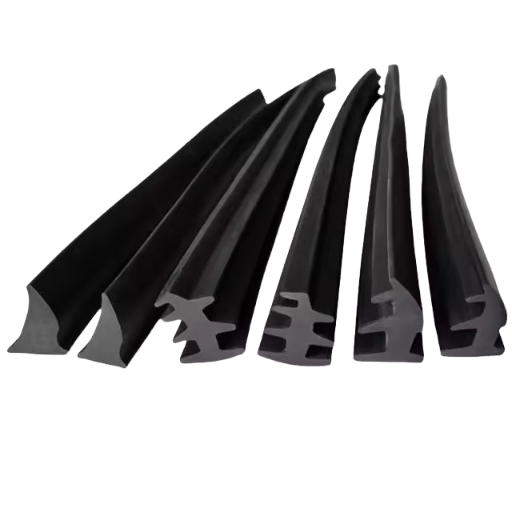
Sector / 02
HVAC y construcción
Leer más
Juntas de puertas y ventanas, ojales, tubos aislantes, juntas de paredes tipo cortina y perfiles de juntas de expansión. A través de ciclos de condensación y el amplio gradiente de temperatura interior a exterior típico de los sistemas de construcción, EPDM mantiene su sello.
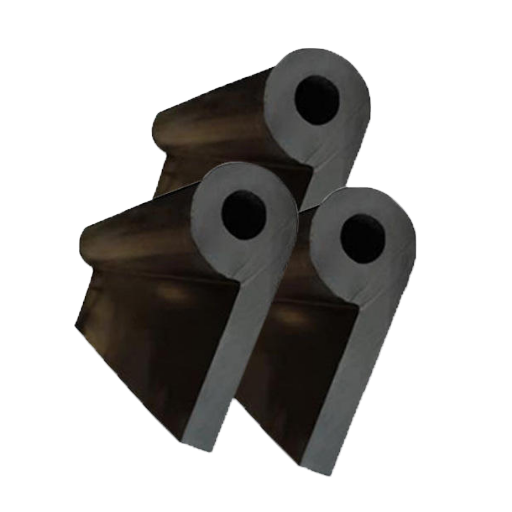
Sector / 03
Fontanería y agua
Leer más
Juntas tóricas, juntas y sellos para sistemas de agua, incluido el servicio de agua potable, donde se pueden formular compuestos EPDM para cumplir NSF/ANSI y FDA 21 CFR 177.2600 requisitos. EPDM también resiste el vapor a aproximadamente 120°C continuo.
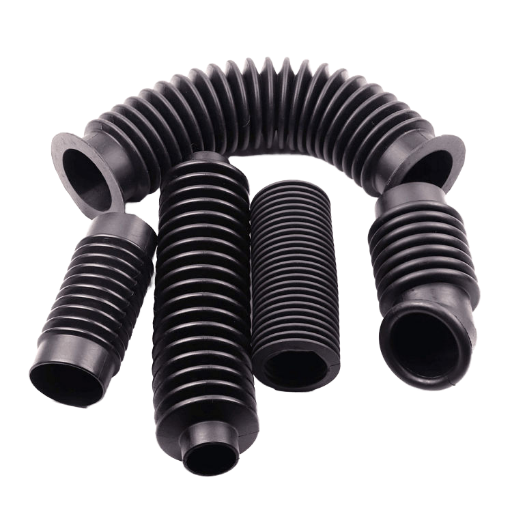
Sector / 04
Eléctrico e Industrial
Leer más
Aislamiento de motores, juntas de conectores, artículos de camisas de cable y fuelles de motores. Ozono procedente de motores eléctricos acelera el deterioro de muchos cauchos, de ahí la especificación de fuelles EPDM moldeados en carcasas de motores eléctricos.
En todos estos, los tipos de piezas moldeadas son consistentes « juntas, juntas tóricas, ojales, casquillos, diafragmas, fuelles, arandelas y perfiles de burletes « y cada uno de ellos se puede fabricar mediante el proceso de moldeo adaptado a su volumen y geometría, como se ha indicado anteriormente.
Economía de la vida útil
Por qué EPDM paga la vida parcial
No publicamos un porcentaje único de retorno de la inversión, porque el número real depende de su ciclo de trabajo y de la mano de obra de reemplazo. Lo que la experiencia de campo muestra consistentemente es la dirección del resultado:
30-50 ani
Vida útil de EPDM en membrana para tejados de una sola capa
Ozono estable
La columna vertebral saturada resiste el agrietamiento que retira el caucho estándar temprano
Inferior frente a silicona
Intensabilidad comparable a un costo compuesto materialmente menor
El rendimiento al que se hace referencia enfatiza el comportamiento de los datos de material EPDM estándar de la industria, no la proyección de una parte individual. (Pida un análisis de su pieza específico de la aplicación).
Confiado por
Engelhardt suministra componentes moldeados de caucho, plástico y hardware a fabricantes, incluidos Estándar americano, Kohler, Oatey, Anfenol y SFA « compradores cuyos propios requisitos de calidad marcan la pauta para las que se fabrican nuestras piezas EPDM.
Cotización de Volumen // Pronóstico Anual
¿Tiene en mente un volumen objetivo?
Obtenga una cotización basada en su volumen anual
Primario: Adquisiciones · Secundario: Ingenieros (Aplicabilidad Estándar)
Calidad, Pruebas y Certificaciones
La fuente más común de decepción cuando se utiliza caucho personalizado es que la gente lo descubre después de la primera ejecución, la muestra aprobada no coincide con la calidad de producción en masa. ¿Cómo sucede esto? A veces resulta de un proveedor que tiene un sistema de calidad que sólo requiere certificación en la pared. La solución de Engelhardt es un sistema de calidad que puedes verificar antes de emitir el cheque certificados con números que puedes verificar, un paso de aprobación de muestra que es vinculante, y nuestro laboratorio interno que prueba el compuesto EPDM y sus dimensiones.
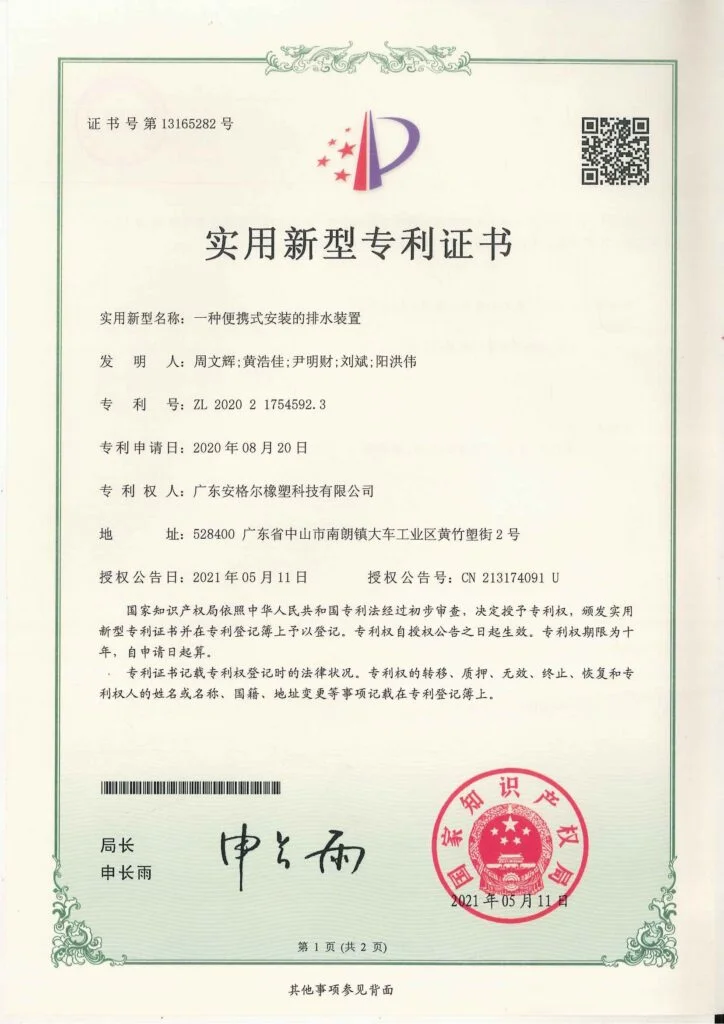
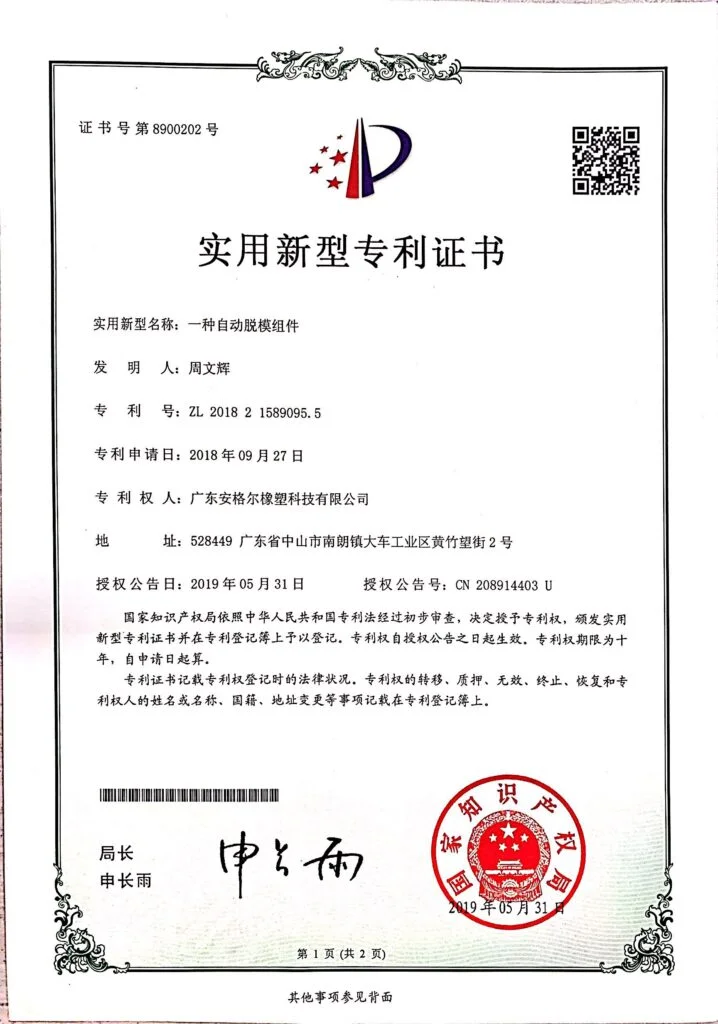
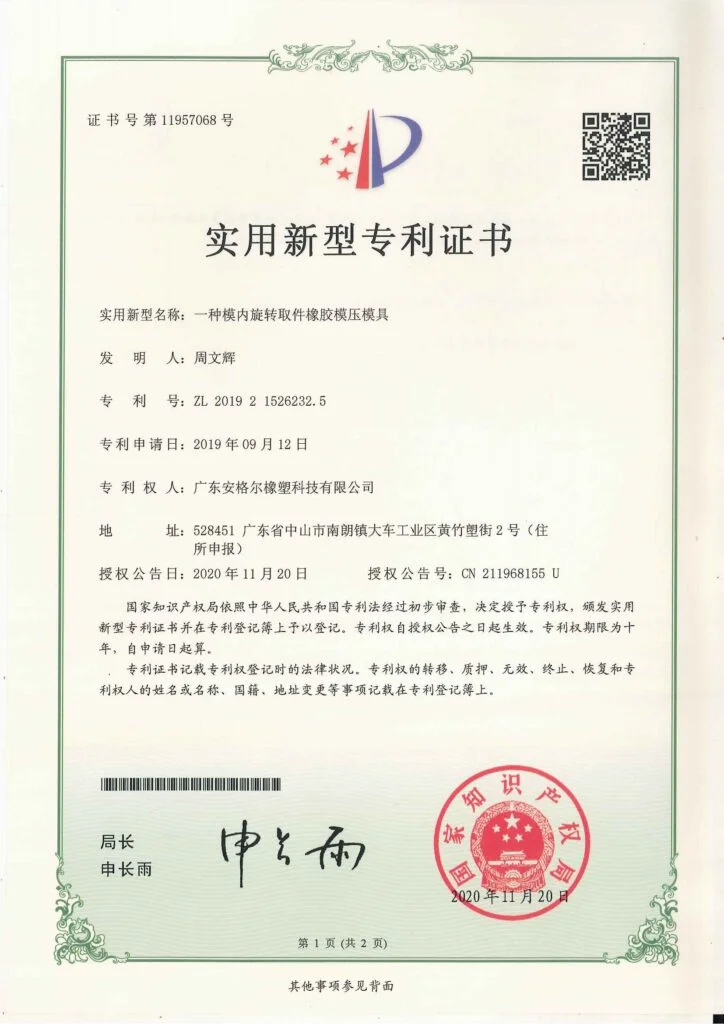
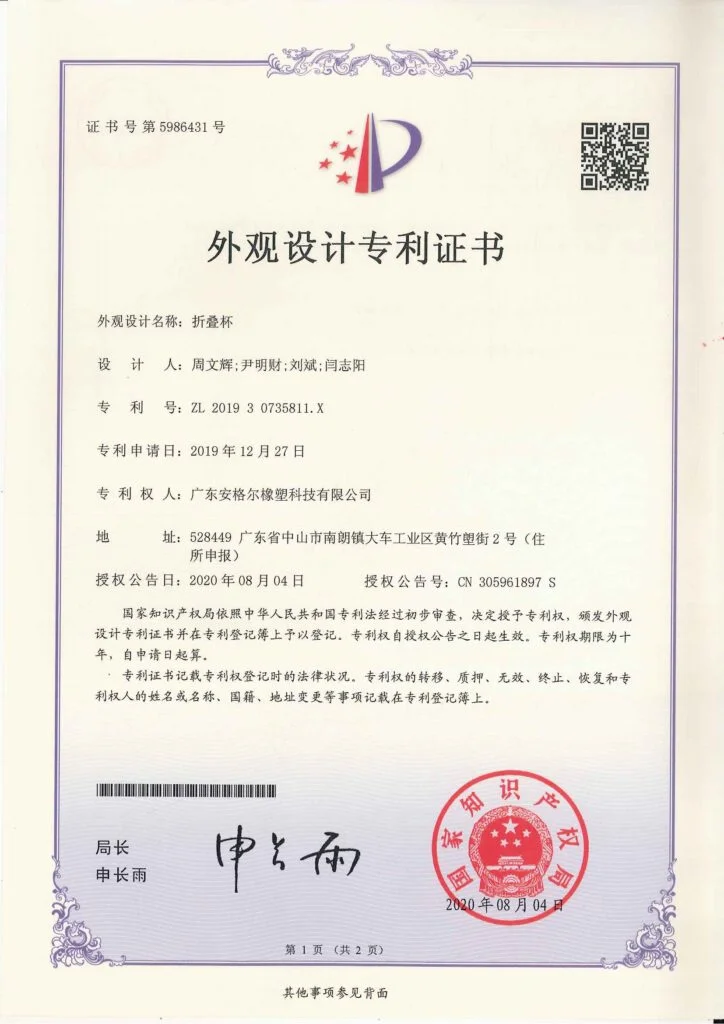
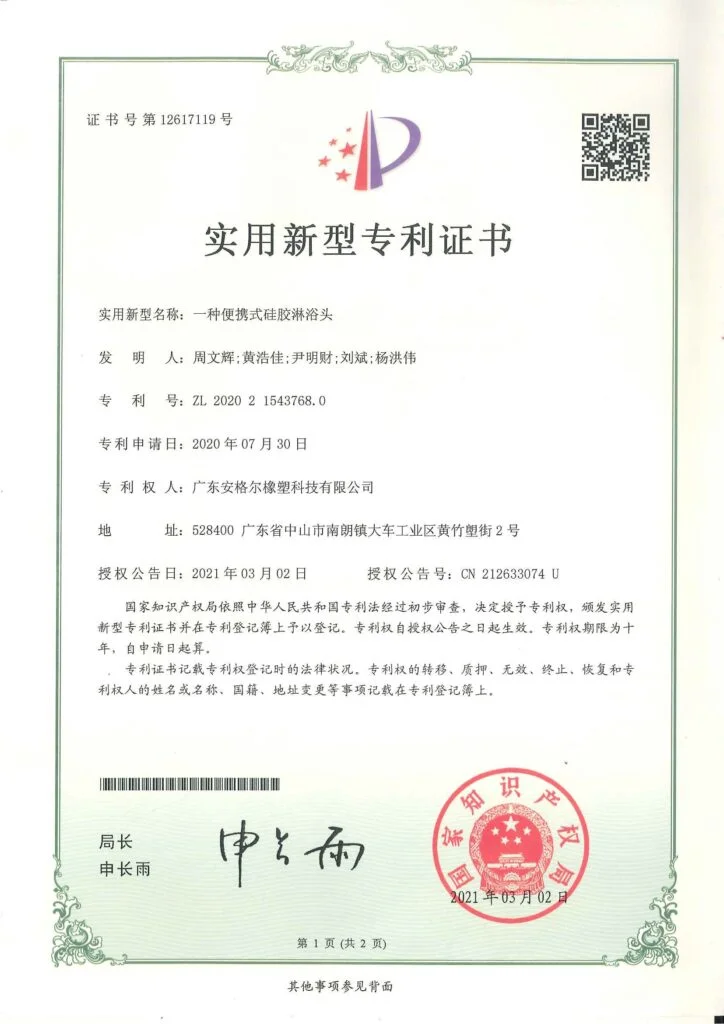
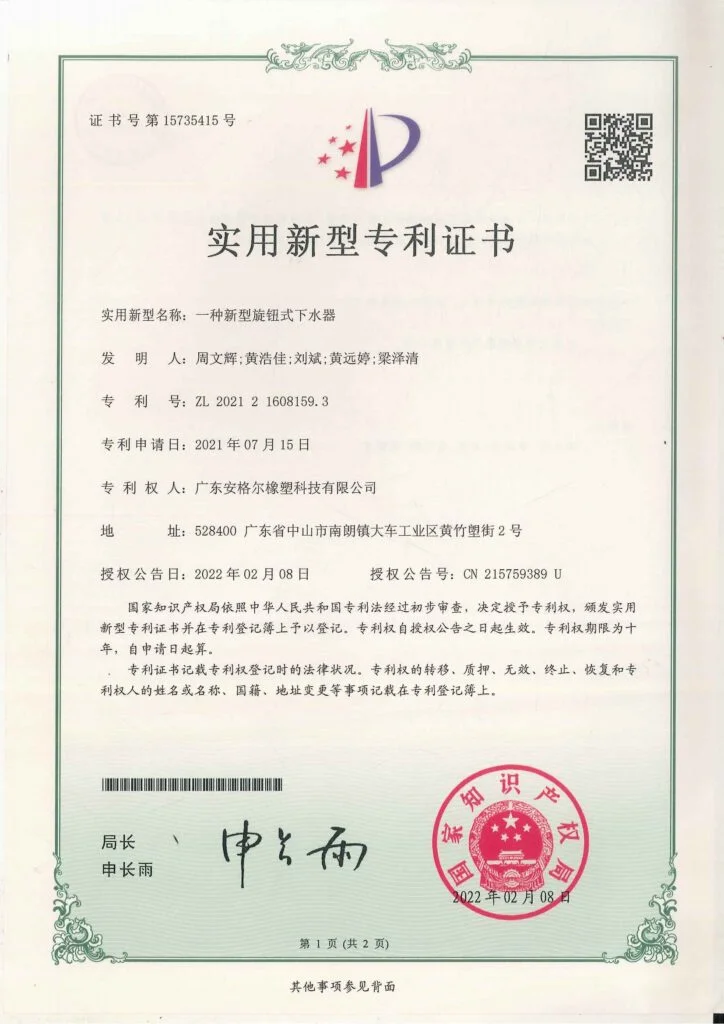
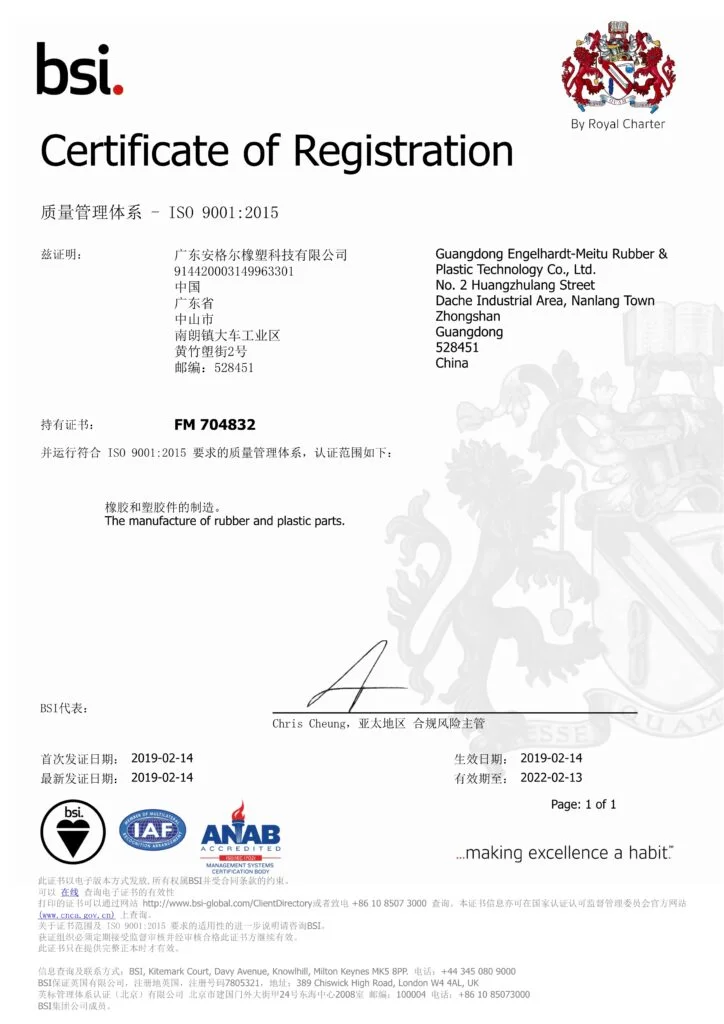
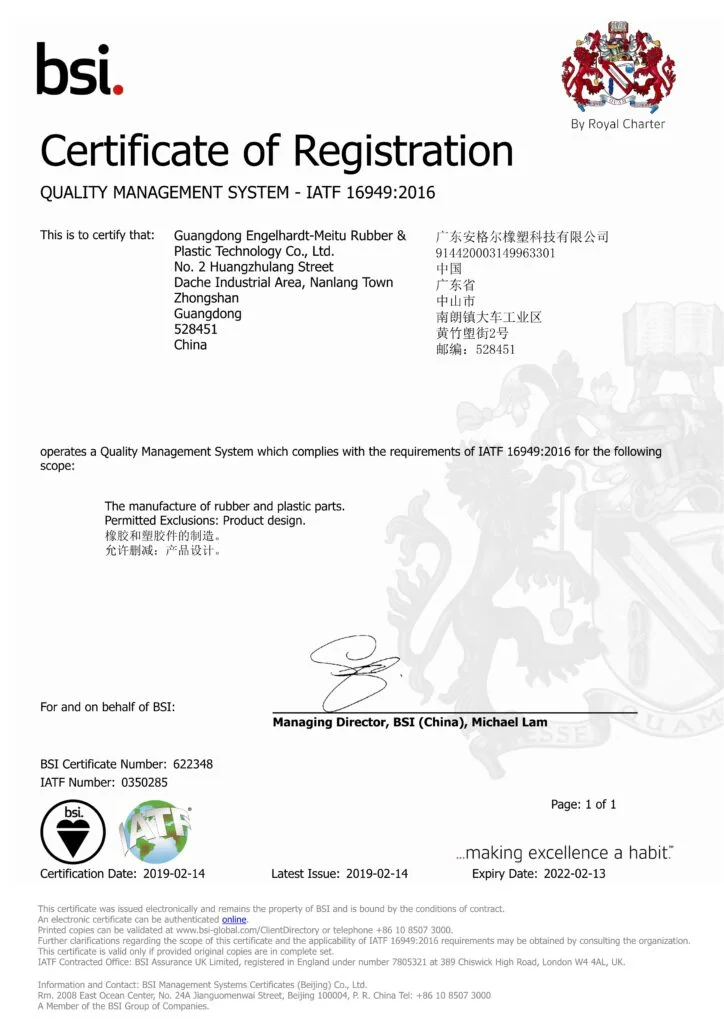
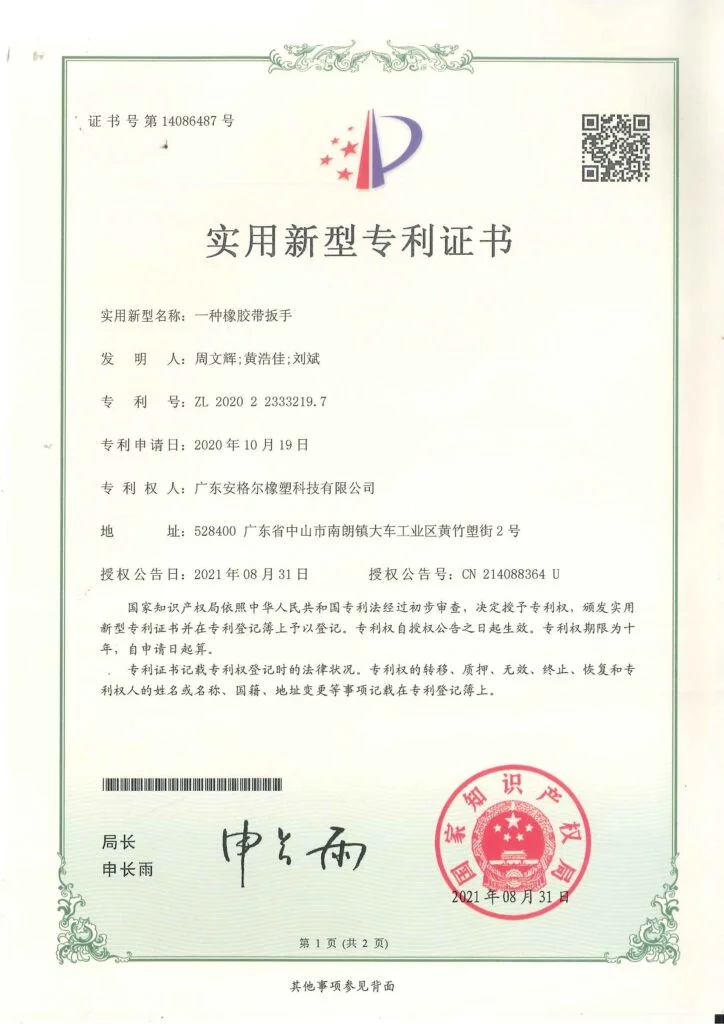
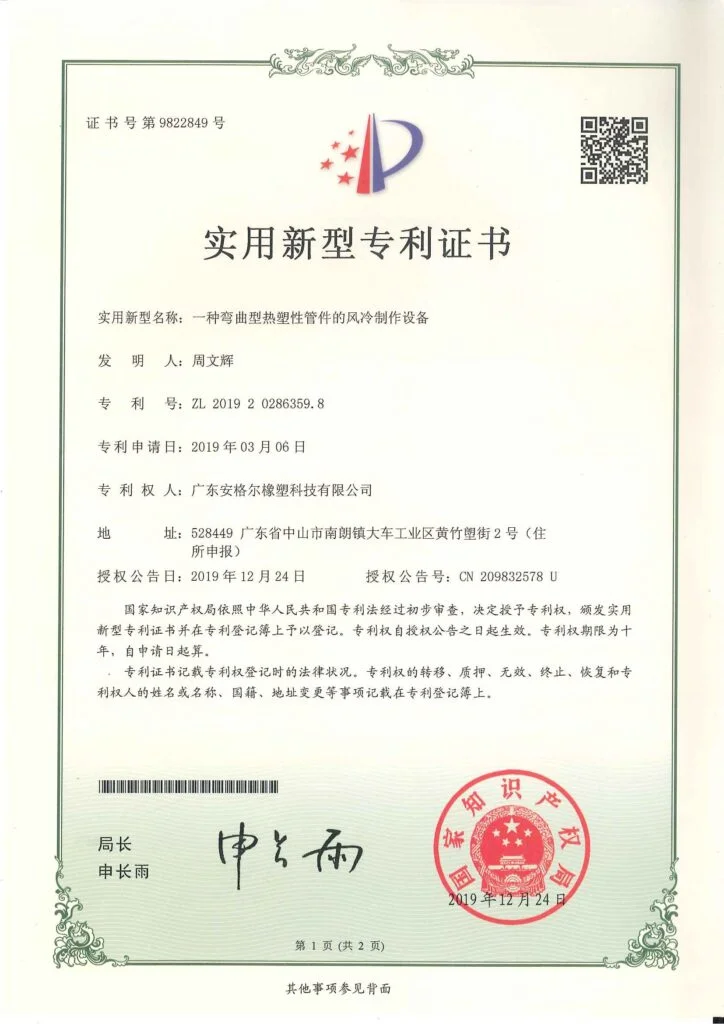
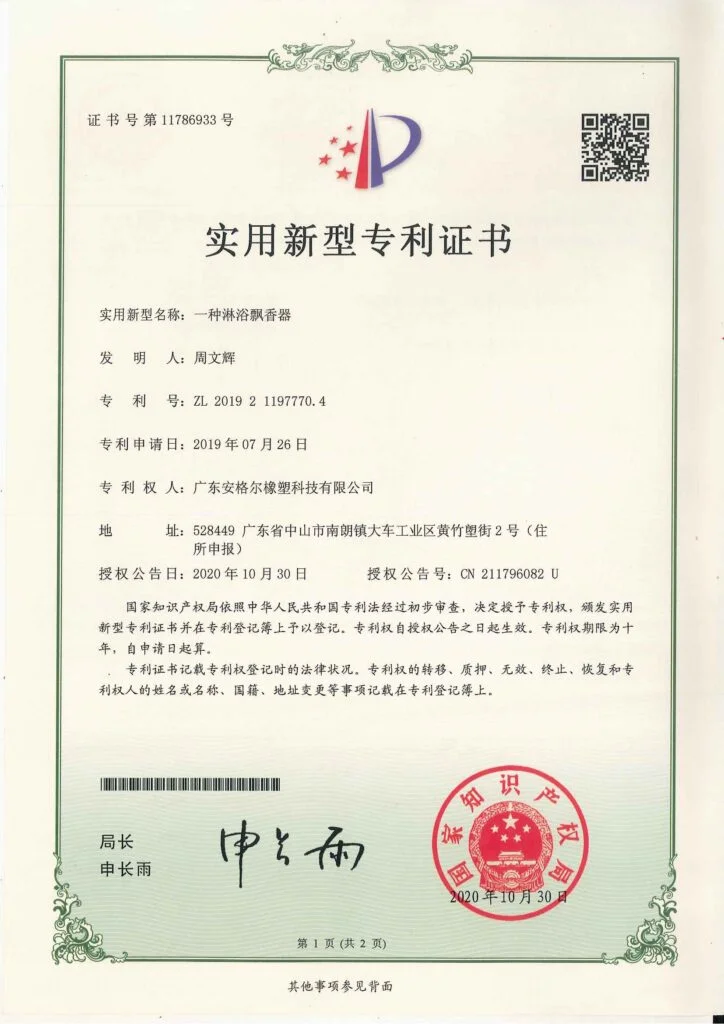
Certificado
01
01
Gestión de calidad
ISO 9001
Sistema de gestión de calidad
Certificado
02
02
Nivel automotriz
IATF 16949
Estándar de calidad automotriz
Especificaciones
03
03
Estándar de materiales
ASTM D2000
Clasificación de llamada de línea EPDM
Puerta
04
04
Preproducción
T0/t1 Muestras
Aprobación vinculante de preproducción
Capa de verificación
Detrás de los certificados « Lo que realmente capta el laboratorio
IATF 16949 importa aquí más allá de la etiqueta automotriz «es una disciplina de trazabilidad y control de procesos que eleva el suelo por cada pieza EPDM que moldeamos, no sólo por las de automoción.
Detrás de los certificados, nuestro centro de pruebas utiliza los instrumentos que realmente detectan problemas antes de enviarlos: un viscosímetro Mooney y un reómetro de matriz móvil para confirmar el comportamiento de curado del compuesto EPDM, una máquina de prueba de materiales para tracción y alargamiento, una cámara de pulverización de sal y hornos de envejecimiento por calor para mayor durabilidad, y un proyector óptico para verificación dimensional de su dibujo.
Instrumentos de prueba internos
- / 01 Viscosímetro Mooney Quemadura / viscosidad EPDM
- / 02 Reómetro de matriz móvil Comportamiento de curación compuesto
- / 03 Máquina de prueba de materiales Tensado y alargamiento
- / 04 Cámara de niebla salina Durabilidad a la corrosión
- / 05 Hornos que envejecen por calor Durabilidad a largo plazo
- / 06 Proyector óptico Verificación dimensional
“
Tratamos la muestra T0 y T1 como un contrato, no una cortesía. Si un cliente cierra sesión en una pieza EPDM del primer artículo, esa muestra firmada es la referencia con la que se mide cada lote de producción en -ñona es el predictor más fiable de la calidad de la producción que existe.
— Ingeniero Senior de Calidad En Engelhardt
Conclusiones prácticas // Adquisiciones La conclusión práctica para un equipo de adquisiciones que evalúa una moldeadora EPDM en el extranjero: solicite los números de certificado y verifíquelos con el registrador, e insista en una muestra vinculante del primer artículo. Un proveedor que da la bienvenida a ambos le dice algo que un folleto no puede.
Paquete de auditoría // Paquete de verificación
¿auditar un nuevo proveedor de EPDM?
Descargue nuestra documentación de cumplimiento completa
Primaria: Adquisiciones · Secundaria: Gestión (Aprobación Presupuestaria)
§ 07 Obtención de piezas moldeadas EPDM « Herramientas, plazos de entrega y MOQ
La mayoría de las páginas de moldeo de caucho personalizadas se detienen en “contáctenos para obtener una cotización.” Ese silencio es donde se esconde el riesgo de abastecimiento (los compradores informan del mismo molde citado) $30k la $200k entre proveedores, y los presupuestos no se disparan en el precio parcial sino en los costos que nadie mencionó por adelantado. La razón es la opacidad, por eso nombramos claramente la estructura de costos. No publicamos una lista de precios, porque una cotización honesta de EPDM depende de su parte; te mostramos lo que lo impulsa para que no haya sorpresas.
§ 01
¿qué impulsa el costo de un proyecto de moldeo EPDM
Ref.
Artículo de costo
Lo que cubre
Tipo
A · 01
Herramientas (una vez)
Recuento de cavidades, acero moldeado, complejidad de las piezas y proceso de moldeo elegido. Las herramientas de compresión comienzan más abajo, las herramientas de inyección comienzan más alto inversión y retribuciones a través de un bajo costo por parte en volumen.
Una vez
CAPEX
CAPEX
B·02
Costo por parte
Compuesto EPDM, sistema de curado, peso parcial, tiempo de ciclo y el grado de tolerancia que especifique -ñona una pieza RMA A1 cuesta más mantener que una pieza A3.
Por unidad
Recurrente
Recurrente
C·03
Costos del proyecto
Revisión de DFM, muestreo y validación T0/T1, acabado y recorte, y logística. Estos son reales y los citamos abiertamente en lugar de dejarlos salir a la superficie más tarde.
Operativo
Alcance
Alcance
§ 02
Plazo de entrega, roto en su Dos partes reales
“El ”tiempo de entrega” confunde dos relojes diferentes y combinarlos lo es cómo pasan los horarios.
Reloj A
Plazo de entrega de herramientas
Reloj B
Plazo de entrega de producción
Cronograma del proyecto →
Inicio
Punto de traspaso
Producción
Reordenar ciclo
Los citamos por separado para que el plan de su proyecto refleje la realidad, y la revisión del DFM y cualquier creación de prototipos se realizan antes de que se corten las herramientas de producción detectar un problema de moldeabilidad en un dibujo cuesta minutos, detectarlo en acero cortado cuesta semanas.
§ 03
Propiedad del molde “Resuélvelo Antes del PO
Documento de abastecimiento // Cláusula de propiedad
Ref. ENG-MOLD-OWN-V2026
Consigue esto En escritura.
Una disputa documentada vio a un comprador gastar nueve meses en mediación por un molde $47.000 porque la orden de compra original nunca indicaba quién era el propietario de las herramientas.
Cláusula estándar Engelhardt
Cu Engelhardt, las herramientas pagadas por el cliente pertenecen al cliente, y ese término está escrito en la cita «no se deja a la suposición.
Es un cláusula de una frase eso elimina un riesgo genuino de abastecimiento.
§ 04
Qué enviar para obtener una cotización precisa
01
Geometría
Dibujo de piezas o modelo CAD 3D
Dibujo de piezas o modelo CAD 3D, con dimensiones críticas y grado de tolerancia marcado.
02
Especificaciones del material
Dureza y llamada estándar
Objetivo de dureza EPDM (Punta A) y cualquier llamada estándar, como una Línea ASTM D2000 o un Requisito NSF/FDA.
03
Volumen
Volumen anual estimado
Volumen anual estimado - esto es lo que nos permite igualar el proceso de moldeo y cita honestamente.
04
Medio Ambiente
Entorno operativo y de aplicación
Aplicación y entorno operativo, para que podamos confirme que EPDM es el elastómero correcto antes de utilizar herramientas.
Comparación de costos honesta
Sobre la cuestión del costo de abastecimiento en el extranjero: los datos de abastecimiento de la industria lo muestran la producción de piezas moldeadas en nuestra zona está generalmente significativamente por debajo del precio interno estadounidense, pero el costo oculto real (cargo, derechos, retrabajo y gastos generales de comunicación) es real y debe estimarse. Nuestra opinión es simplemente revele el costo en la cotización para que pueda hacer una comparación de costos genuinos.
Siguiente Paso // Solicitud de Cotización
Solicite una cotización
Contacto Engelhardt con los cuatro elementos anteriores para obtener una cotización basada en los detalles de su solicitud.
Calculadoras y kits de herramientas de ingeniería EPDM
Para todos los compradores
Moldeo de caucho EPDM Preguntas frecuentes
08
Pregunta frecuente
Preguntas indexadas
Preguntas indexadas
Q·01
¿se puede moldear por inyección EPDM?
A
Sí. El proceso es maduro -ñan el EPDM calentado se inyecta en un molde de acero cerrado y se vulcaniza. También funciona con moldeo por compresión y transferencia, y el proceso se elige por volúmenes y formas, no por limitaciones de material.
Q · 02
¿EPDM es caucho o plástico?
A
EPDM este un caucho sintético ñan un elastómero. También se le llama monómero de etileno propileno dieno. Al igual que otros compuestos de caucho, es blando, comprimible y resistente después de la deformación, y lo es vulcanizado (curado) durante el moldeo, no termoplástico.
Q · 03
¿cuáles son las desventajas del EPDM?
A
Su única debilidad importante es resistencia química limitada a combustibles/petróleo/gasolina/hidrocarburos aromáticos -ñan EPDM no puede tolerar estos ñones que se hinchan. Para esos usos, es mejor un nitrilo o un fluoroelastómero; para el clima/vapor/agua/ozono, EPDM es bueno.
Q · 04
¿cuál es mejor, Viton o EPDM?
A
Ninguno de los dos. Depende de los entornos de aplicación en los que sobresalgan « Viton (FKM) es muy bueno con combustibles, aceites y muy alto calor; EPDM es excelente con el clima, el ozono, el agua, el vapor y el costo. Eliges por qué contacta realmente la parte; confirmaremos que encaja durante la revisión del DFM.
Q · 05
¿qué piezas EPDM se pueden moldear?
A
Las aplicaciones típicas de EPDM moldeado incluyen juntas, juntas tóricas, juntas tóricas, ojales, soportes, diafragmas, fuelles, arandelas y perfiles de burletes -- inyección, compresión o transferencia moldeada según sea necesario por volumen y el uso de insertos metálicos.
Q · 06
¿cuál es el rango de temperatura del caucho EPDM?
A
EPDM mantiene una temperatura de servicio continua de aproximadamente «50°C la +150°C, con calificaciones específicas que se desempeñan más allá de ese rango. Se mantiene flexible en frío y resiste el envejecimiento por calor « una de las razones por las que está especificado para piezas exteriores y HVAC.
Q · 07
¿cómo obtengo una cotización precisa de moldeo EPDM?
A
Enviar un dibujo parcial o un modelo CAD con tolerancias designadas, su dureza objetivo EPDM y una llamada estándar si tiene una, y su volumen anual estimado. Esas cuatro entradas nos permiten seleccionar honestamente el proceso de moldeo y estimar las herramientas y el costo de las piezas con derecho de propiedad del molde en la cotización.
Q · 08
¿qué tolerancias pueden soportar las piezas moldeadas EPDM?
A
Tolerancias dimensionales basadas en grados de calificación de dibujo genéricos de RMA A1 (alta precisión) a A4 (económico). Los grados más ajustados requieren herramientas y mediciones más controladas sugiera un grado comercial, pero especifique A1 sólo cuando las tolerancias estrictas sean críticas.