
Treten Sie mit Engelhardt in Kontakt

OEM-geeignete Fertigung · Zhongshan
Kundenspezifischer Hersteller von Gummiteilen
Formgummikomponenten in OEM-Qualität aus einer 53.000 m² großen 1TP3 T-zertifizierten Anlage
Engelhardt Kundenspezifische Herstellung von Gummiteilen für OEM-Programme
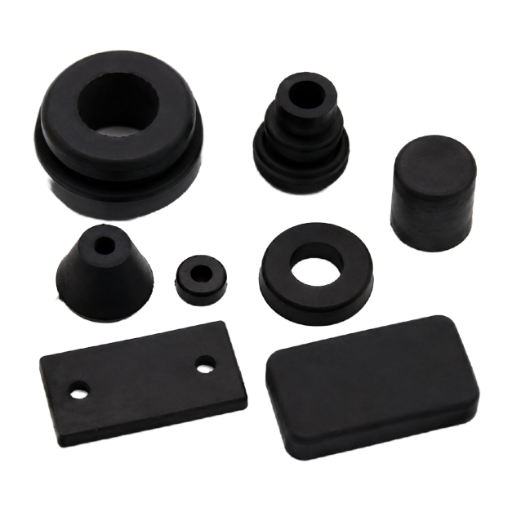
Engelhardt stellt kundenspezifische Gummiteile für OEM-Programme in Sanitär, elektrischen Steckverbindern, Sanitärarmaturen und Toilettensystemen für die Luft- und Raumfahrt her. Unsere 53.000 Quadratmeter großer Produktionskomplex in Zhongshan 40+ Vulkanisierpressen, einschließlich 250-Tonnen-Vakuumvulkanisatoren und 300-Tonnen-Gummi-Spritzgießmaschinen, mit 2.000 Tonnen geformte Gummikomponentenkapazität jährlich. 1TP4 T - und 1TP3 T-Zertifizierung unterstützen Projekte, die eine Rückverfolgbarkeit der Chargen, eingehende Inspektionsaufzeichnungen und prüfungsfertige Produktionsdokumentation erfordern.
01
Zertifizieren
ISO 9001 + IATF 16949
Dual-Zertifikat für die Automobilklasse (die meisten Wettbewerber verfügen nur über ISO 9001).
02
Skala
53.000 m² Anlage + 40 Vulkanisatoren
Physischer Maßstab zur Unterstützung von OEM-Volumenverträgen und Prüfungstransparenz.
03
Stufe 1
Benannte Tier-1-OEM-Kunden
Amerikanischer Standard · Amphenol · Kohler · Oatey · SFA
Fähigkeiten Schnappschuss
Auf einen Blick, kundenspezifische Fertigungskapazitäten für Gummiteile Engelhardt
[Einrichtung · Zhongshan]
08
/
08
Specs
SPEC / 01
Formprozesse
Injektion / Komprimierung / Transfer
SPEC / 02
Vulkanisierausrüstung
40+ Pressen (250 T Vakuum, 300 T Injektion)
SPEC / 03
Jährliche Gummiproduktion
2.000 Tonnen + 1.000 Tonnen Silikon
SPEC / 04
Materialspezialität
8 Elastomere (Neopren, 1TP9 T, Viton, Mehr)
SPEC / 05
Qualitätsstandards
ISO 9001 + IATF 16949
SPEC / 06
Laborfunktionen
12+ Testinstrumente
SPEC / 07
Beispielvorlaufzeit
7 14 Tage
SPEC / 08
Gegründet
2009 (17+ Jahre OEM-Erfahrung)
Abschnitt 01 · Beschaffungsrisiko und -lösung
Von der technischen Zeichnung zur Massenproduktion: Wie 1TP2 T die Sourcing von OEM-Gummi löst
Ein kundenspezifischer Zulieferer von Gummiteilen wird zu einem Beschaffungsrisiko, wenn sich die Kommunikation während eines Leitungsstopps verlangsamt, Teile die eingehende Inspektion nicht bestehen oder angegebene Vorlaufzeiten nicht durch echte Kapazität unterstützt werden können. Drei praktische Bedenken tauchen am häufigsten in Beschaffungsgesprächen mit unserem Ingenieurteam auf:
SCHMERZEN / 01
Risiko einer Unterbrechung der Lieferkette
Von Single-Source-Lieferanten ohne Backup-Kapazität.
SCHMERZEN / 02
Qualitätsdrift zwischen den Chargen
Wenn Materialspezifikationen locker interpretiert werden.
SCHMERZEN / 03
Schmerzhafte Zeitleiste von 8 bis 12 Wochen
Zwischen Prototypenzulassung und vollständiger Massenproduktion, wenn einem Lieferanten die Fähigkeit zur integrierten Werkzeugausstattung fehlt.
Abschnitt 02 · Beschluss
Um diese drei Einschränkungen herum gebaut
Unser Unternehmen baute seine Fertigungskapazitäten für kundenspezifische Gummiteile auf diese drei Einschränkungen auf. Unsere 53.000 Quadratmeter große Zhongshan-Anlage Läufe 40+ Vulkanisierpressen Überspritz, Kompressions - und Transferformen hinweg, so dass ein einzelner Lieferant Ihr volles jährliches Gummivolumen aufnehmen kann, ohne einen Unterauftrag an einen Partner zu vergeben, den Sie nicht geprüft haben Die Integriertes Gummi-Kunststoff-Hardware-Montagemodell Bedeutet eine einzelne PO-Abdeckung von Dichtungen, Kunststoffgehäusen, Metalleinsätzen und der endgültigen Unterbaugruppe, wenn Ihre OEM-Spezifikation alle vier benötigt. Duale 1TP4 T - und 1TP3 T-Zertifizierung 1TP-Verifizierung durch unabhängige Kfz-Prüfer. O-Dichtungen wenden für alle 1TP2-Kundengummidichtungen oder -Tüllen, die Kfz-Tier-1-Teile benötigen, die gleiche Fehlerverhütungsdisziplin an.
“
Das größte Risiko bei der Gummibeschaffung ergibt sich aus der Verbundvariation zwischen den Chargen, nicht allein durch die Formmaschine. Unser Team verbindet sich Zwölf LaborinstrumenteSalzsprühkammer, Mooney-Viskosimeter, bewegliches Rheometer und ein einzelnes Chargenrückverfolgbarkeitsaufzeichnung Kunden für eine bestimmte Produktionslos anfordern können, einschließlich historischer Produktionsaufzeichnungen aus den letzten drei Jahren.
Formfähigkeiten · In-House-Prozesse
Kundenspezifische Gummiformdienste: Injektion, Komprimierung und Übertragung
Das richtige geformte Gummiteil beginnt mit dem richtigen Formprozess. Wenn Sie den falschen Weg wählen, können vermeidbare Werkzeugkosten, längere Aushärtungszyklen, Blitzkontrollarbeiten oder Dimensionsdrift über den Produktlebenszyklus hinweg hinzukommen. Weil Engelhardt läuft Alle drei branchenüblichen Prozesse im eigenen Haus, „Unsere Ingenieure können den Prozess empfehlen, der Geometrie, Toleranz, Jahresvolumen und Lebenszykluskosten entspricht, anstatt jedes Design in einen Gerätesatz zu pressen.
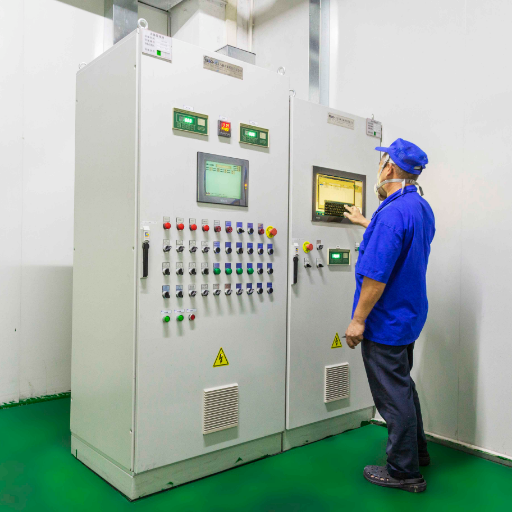
PROZESS / 01
Gummi-Spritzguss
Höchste Lautstärke · engste Toleranz
300-Tonnen-Spritzmaschinen
Zykluszeit
Kürzeste (Hochvolumenskalierung)
Toleranz
±0,05 mm erreichbar
Blitz
Minimal (automatisierungsfreundlich)
Am besten für
Komplexe Geometrien, dünne Wände, 50 K+ Jahreseinheiten.
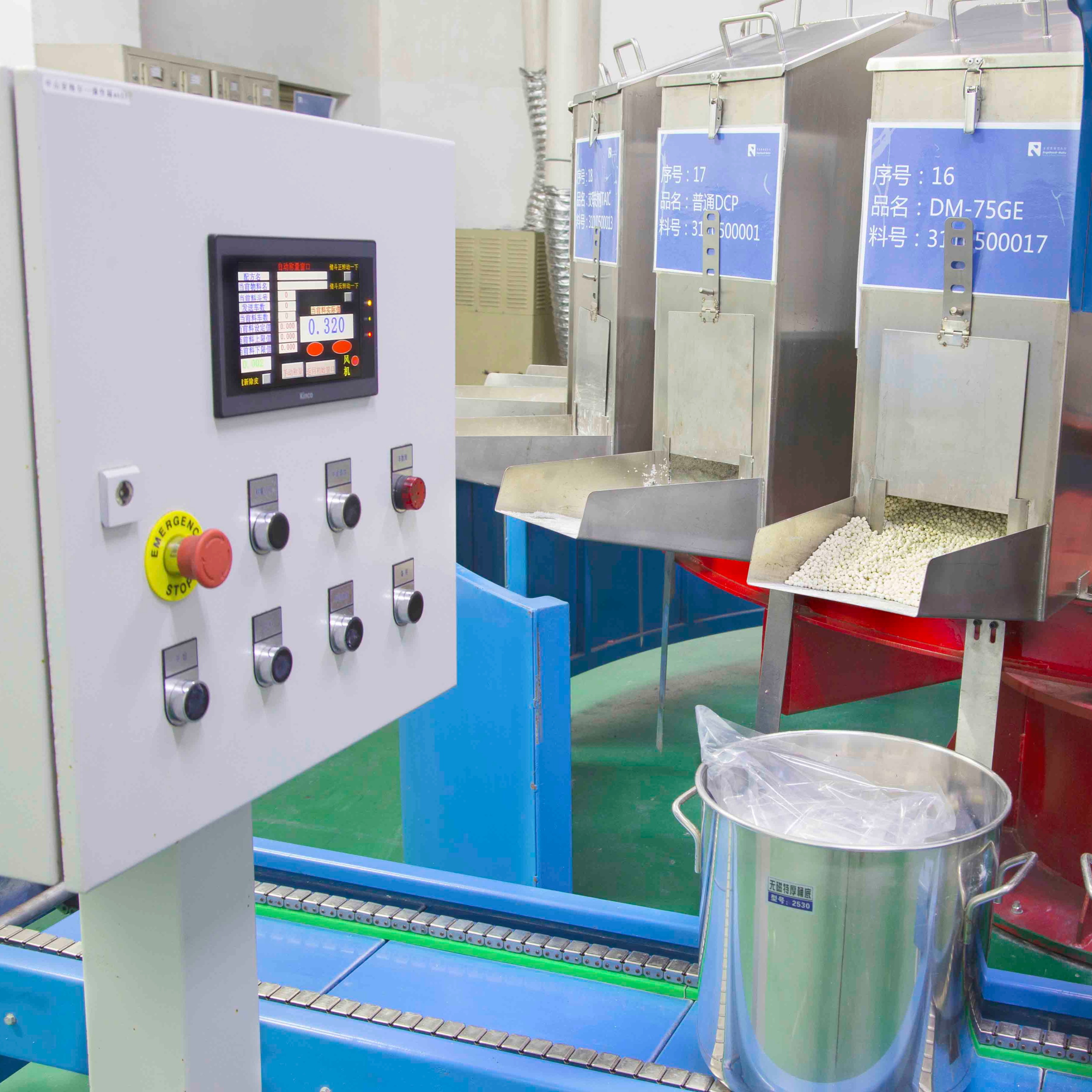
PROZESS / 02
Gummitransferformen
Einfügen Form · Präzisionsbonding
Geschlossenes Formkolbensystem
Zykluszeit
Mittel
Toleranz
±0,10 mm typisch
Spezialität
Einsatzfreundlich (Gummi-zu-Metall-Klebung)
Am besten für
Komponenten mit eingebetteten Einsätzen, mäßige Komplexität.
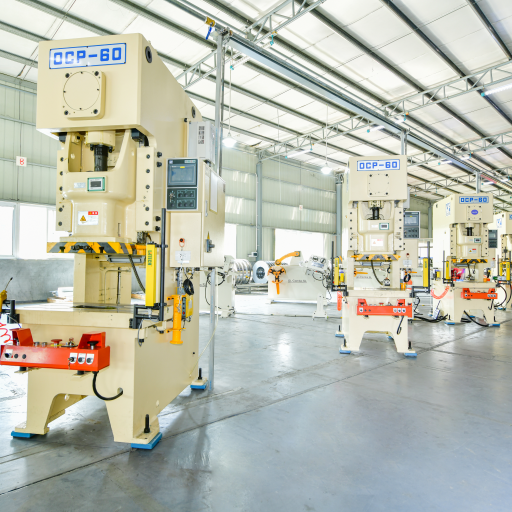
PROZESS / 03
Gummikompressionsformen
Untere Werkzeuge · Große Teile
250-Tonnen-Vakuumvulkanisatoren
Zykluszeit
Länger (härtungsgetrieben)
Toleranz
±0,25 mm typisch
Werkzeugkosten
Niedrigste der drei
Am besten für
Große, dicke, einfachere Teile; geringes bis mittleres Volumen.
Technische Entscheidung · Auswahl vor der Bestellung
Die Prozessauswahl ist eine kollektive technische Anstrengung
Das gewählte Verfahren ist eine kollektive technische Anstrengung vor Auftragserteilung Wenn die Teilegeometrie, das Jahresvolumen und die Toleranzklasse zur Injektion führen, verwenden wir die Injektion. Wenn die Werkzeugkosten die Einheit dominieren, sind die Wirtschaftlichkeit und die Toleranzen moderat, dann ist die Kompression ein sinnvolles Unterfangen. Unsere Ingenieure werden einen Kunden nicht zu einer $15.000-Kompressionsform drängen, wenn eine $40.000-Spritzgussform ein deutlich besseres Produkt hervorbringt.
Benchmark für datengesteuerte Lieferanten
1TP222 US 5 Gummihersteller up up Vs Datengesteuerter Vergleich
Die meisten Gummiformbetriebe veröffentlichen zwei Absätze über ihre Praxis und ein Angebotsformular Dieser Vergleich wurde zusammengestellt aus Seiten des öffentlichen Dienstes und Offenlegungen von Zertifizierungen Von fünf etablierten US-Gummiherstellern füllten die US Custom Rubber Corp, Aero Co, The Rubber Rubber Group und Timco Rubber Rubber Group die Nummern von 1TP2 aus 2024 – 2025 Produktionsaufzeichnungen und Zertifikatsregister Wenn ein Wettbewerber keine Zahl veröffentlicht, ist “nicht offengelegt” der Eintrag, denn Diese Undurchsichtigkeit ist selbst das nützlichste Signal, das ein Beschaffungsmanager lesen kann.
Dimension
Engelhardt
Kundenspezifische Gummi-Korporation
Qualiform
Aero Rubber Co
Timco-Gummi
Die Rubber Group
Anlagengröße
53.000 m²
Nicht offenbart
Nicht offenbart
Nicht offenbart
Nicht offenbart
Nicht offenbart
Vulkanisierpressen
40+
Nicht offenbart
Nicht offenbart
Nicht offenbart
Nicht offenbart
Nicht offenbart
Jährliche Gummiproduktion
2.000 Tonnen + 1.000 Tonnen Silikon
Nicht offenbart
Nicht offenbart
“B2 B-Volumen”
Nicht offenbart
Nicht offenbart
Zertifizierungen
ISO 9001 + IATF 16949
“zertifizierungen” generische
ISO 9001:2015
ISO 9001:2015
Nicht offenbart
Nicht offenbart
Benannte OEM-Kunden
5 öffentlich bekannt gegeben
0
0
0
0
0
Lab Instrumente Veröffentlicht
12+
0
0
0
0
0
One-Stop-integration
Gummi + Kunststoff + Hardware + Montage
Nur Gummi
Nur Gummi
Nur Gummi
Gummi + Kunststoff
Nur Gummi
Warum die Deckkraft wichtig ist · IATF 16949
Öffentliche Datenlücken sollten als Lieferantenrisikosignale behandelt werden
Daten öffentlicher Lieferanten helfen Beschaffungsteams bei der Entscheidung, welche Fragen sie vor einem RFQ stellen möchten. 1TP3 T ist ein strengeres Qualitätsgerüst für Kraftfahrzeuge als generisches 1TP4 T Weil es Anforderungen rund um Fehlervermeidung, Fehlerprüfung, Rückverfolgbarkeit und Garantiemanagement hinzufügt In diesem Vergleich veröffentlichen mehrere US-Zulieferer keinen Anlagenmaßstab, keine Pressezahl, kein Produktionsvolumen oder keinen Kfz-Zertifizierungsstatus. Engelhardt veröffentlicht diese Betriebszahlen und kann während der Lieferantenqualifikation Zertifikatsdetails bereitstellen.
Verbundbibliothek · 8 Elastomere
Acht Gummimaterialien Engelhardt-Engineering-Expertise nach Anwendung
Bei der Materialauswahl gedeihen die meisten maßgeschneiderten Gummiprojekte Monate nach der Lieferung oder zerstören sich selbst. Innerhalb von Wochen in Ölexpositionsrisse gelegtes 1TP9 T. Neopren, das von starken Säuren angegriffen wird, baut sich schnell ab Silikon, das gegen Metallgegenflächen abgeschliffen wird, trägt sich schneller als erwartet. Das Engineering-Team von Engelhardt unterstützt die Materialauswahl, da wir alle acht Elastomere darunter quer laufen lassen haben Über 2.000 Produktionsprogramme Und gesehen, welche Verbindung zu welcher Anwendung passt.
Material
Durometerbereich (Küste A)
Temperaturbereich
Chemische Beständigkeit
Typische Anwendungen
Neopren
30A 85A
-40°C bis 110°C
Gute Öl - und Ozonbeständigkeit; anfällig für starke Säuren und Ketone
Kfz-Dichtungen, Wetterdichtungen, Allzweckdichtungen
EPDM
40A 90A
-40°C bis 150°C
Hervorragende Ozon-, UV- und Wetterbeständigkeit; nicht für Öle
Außendichtungen, Kfz-Wetterstreifen, HVAC-Dichtungen
Viton (FKM)
60A 95A
-20°C bis 230°C
Hervorragende Chemikalien- und Kraftstoffbeständigkeit; hohe Temperatur
Luft - und Raumfahrtdichtungen, Öl - & Gasdichtungen, chemische Verarbeitung
Silikon (LSR)
30A 80A
-55°C bis 230°C
Inert; Varianten in Lebensmittel- und Medizinqualität verfügbar
Medizinprodukte, Lebensmittelkontaktdichtungen, Babyprodukte
Nitril (NBR)
40A 95A
-30°C bis 120°C
Hervorragende Öl-, Kraftstoff- und Lösungsmittelbeständigkeit
Hydraulikdichtungen, Dichtungen für Kraftfahrzeugkraftstoffe, O-Ringe
Butyl
40A 75A
-40°C bis 100°C
Hervorragende Luftundurchlässigkeit und Vibrationsdämpfung
Schläuche, Anti-Vibrations-Halterungen, pharmazeutische Stopfen
Naturkautschuk
30A 85A
-40°C bis 80°C
Hohe Zugfestigkeit; schlechte Öl- und Ozonbeständigkeit
Stoßdämpfer, Antivibrationskomponenten, Buchsen
TPE
30A 95A
-50°C bis 130°C
Recycelbares thermoplastisches Elastomer; breite chemische Verträglichkeit
Konsumgüter, medizinische Griffe, ergonomische Komponenten
Automotive Spec Language · ASTM D2000 / SAE J200
Wo die Rückverfolgbarkeit des IATF 16949-Audit-Trails beginnt
Kunden, die eine Kfz-Spezifikations-Materialklassifizierung benötigen, können dagegen zitieren ASTM D2000 Line-Call-Out-System zum Beispiel für, M2BC 507 A14 EO34 Engelhardt entspricht der Kombination aus Typ, Klasse, Härte, Zug- und Flüssigkeitsresistenzcode aus unserer Verbundbibliothek. SAE J200 Spiegelt das gleiche Klassifizierungssystem für Automobilanwendungen ab. Die Arbeit in dieser standardisierten Spezifikationssprache ist schneller als Hin- und Her-beschreibungsspezifikationen, und das ist auch der Fall Wie die Rückverfolgbarkeit von IATF 16949-Audit-Trails beginnt.
Qualitätssicherung · 12-Instrumentenlabor
Qualitätskontrolle: ISO 9001 + IATF 16949 Mit 12+ Laborinstrumenten
Die meisten Hersteller von kundenspezifischen Gummiteilen veröffentlichen zwei Zeilen über Qualität und ein Logo einer Zertifizierung. Wir veröffentlichen die Vollständiger Laborbestand Denn Beschaffungsteams, die chinesische Lieferanten prüfen, wollen vor einer Containerladung von Teileschiffen genau wissen, welche Testmöglichkeiten vor Ort bestehenWir betreiben eine hauseigene Prüfstelle, die auf Internationale Labormanagementstandards, mit Zwölf Hauptinstrumente Abdeckung der Verbindungscharakterisierung, Validierung physikalischer Eigenschaften, Umweltalterung und Dimensionsmessung.
Duale Zertifizierung: ISO 9001 + IATF 16949
Pro Branchenbehörde DNV, 1T baut auf 14T auf und verfügt über zusätzliche Branchenanforderungen, die defektspezifische Anforderungen, kundenspezifische Anforderungen und Garantiemanagement-Variation im Automobilbereich abdecken. TP3 erstreckt sich auf Drittanbieter, Designzentren, Vertriebszentren und Unternehmenszentralen. Allein ISO 9001 ist ein generisches branchenübergreifendes Ticket-to-Trade; IATF 16949 ist das Automobiläquivalenter Benchmark. 1TP2 T hält beides, Jährlich von unabhängigen Zertifizierungsstellen geprüft und erneuert.
Zwölf Laborinstrumente Compound, Physikalische, Umweltprüfung
12 / 12 Im HausChargenverfolgung auf Los-Level, kompatibel mit PPAP und AS910
Jedes Produktionslos wird mit einem ausgeliefert Batch-rückverfolgbarkeitsaufzeichnung Verknüpfung von Compoundmischerlauf, Aushärtungszyklus, Dimensionsinspektion und Salzsprüh - oder Alterungstestberichten Kunden laufen 1TP3 T PPAP Einreichungen oder Luft - und Raumfahrt AS9100 Qualitätssysteme Losaufzeichnungen direkt in ihr Einreichungspaket ziehen können.
Kundenergebnisse · Liste öffentlicher Kunden
Kundenergebnisse: Tier-1 OEM Brands Trust Engelhardt
Viele Gummilieferanten beschreiben das Vertrauen der Kunden in groben Zügen, ohne die beteiligten Branchen, Qualifizierungswege oder Teilfamilien zu nennen. 1TP2 T listet ausgewählte OEM-Kundenerfahrungen auf, bei denen eine öffentliche Offenlegung angebracht ist, während NDA-bezogene Projektdetails nur während der Lieferantenqualifikation besprochen werden Die Beschaffungsfrage ist praktisch: Hat der Lieferant bereits anspruchsvolle Anforderungen an Qualifizierung, Rückverfolgbarkeit und Produktionsfreigabe erfüllt?
Ausgewählte OEM-Kundenerlebnisliste für öffentliche Kunden
05 / 05 OffenbartAmerikanischer Standard
Sanitärarmaturen
Amphenol
Elektrische Steckverbinder
Kohler
Sanitär & Küche
Oatey
Sanitärbedarf
SFA
Luft - und Raumfahrt
Vier OEM-Einkaufsprofile
Jedes Projekt: Unterschiedlicher Prozess, Material, Zertifizierung und Werkzeugabgleich
Diese Kunden haben Vier sehr unterschiedliche OEM Gummi Kaufprofile: Großserien-Klempnerversorgung mit lebensmittelechtem Silikon. Zertifizierung (American Standard, Kohler usw.), präzise dimensionierte Dichtungen für elektrische Komponenten mit engen Toleranzen und 1TP3 T-Rückverfolgbarkeit (Amphenol(), hochmixige Klempnerartikel, die auf kostenoptimierten Formpressformen laufen (Oatey) und Teile des Toiletten-Subsystems für die Luft- und Raumfahrt, die eine Dokumentation in AS-Qualität erfordern, sowie unsere Gummileistung (SFA). Jedes Projekt läuft Mehrjährig, mehrzeilig, (jeweils erfordert eine unterschiedliche Übereinstimmung von Prozessauswahl, Materialqualität, Zertifizierungsauditpfad und Werkzeugaufwand, die sich direkt mit dem Beschaffungsrisikomodell des Kunden befasst.
Über Engelhardt-Meitu · Einzelanbieterintegration
Über Engelhardt: One-Stop-Integration aus Gummi, Kunststoff, Hardware und Montage
Unser Unternehmen ist ein Hersteller von kundenspezifischen Gummiteilen, aber der größere 1TP2 T-1TP5 T-Betrieb wird durch a definiert Ein-Vendor-Integrationsmodell Die die meisten Gummiformbetriebe nicht anbieten Aus dem gleichen 53.000 m² großer Zhongshan-Campus, Wir führen Gummi, Kunststoff, Hardware und Montage unter Ein einziges Qualitätssystem, ein einzelner Projektmanager und ein einzelner PO. Für OEMs, deren fertige Ware geformte Gummidichtungen, spritzgegossenes Kunststoffgehäuse, gestanzte Metalleinsätze und endgültige Unterbaugruppe benötigt, ist diese Integration Ein Audit statt vier, ein Qualitätsvertrag statt vier und ein Satz dimensionaler Schnittstellen, die vor dem Versand in unserem Werk überprüft wurden Statt am Fließband debuggt.
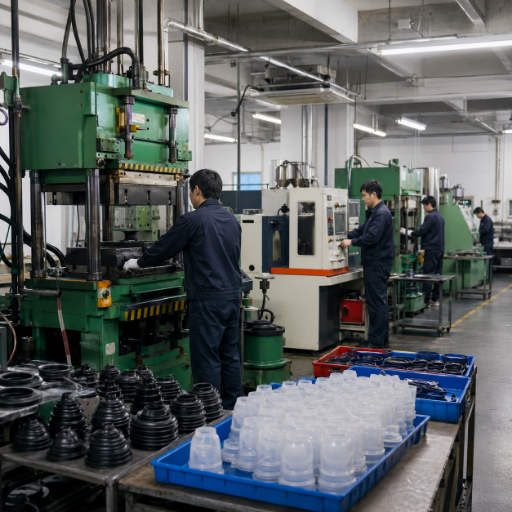
ABT. / 01
Abteilung Gummi
- 40+ Vulkanisierpressen
- 2.000 t/Jahr Gummi + 1.000 t/Jahr Silikon
- Injektion 300T + Vakuum 250T
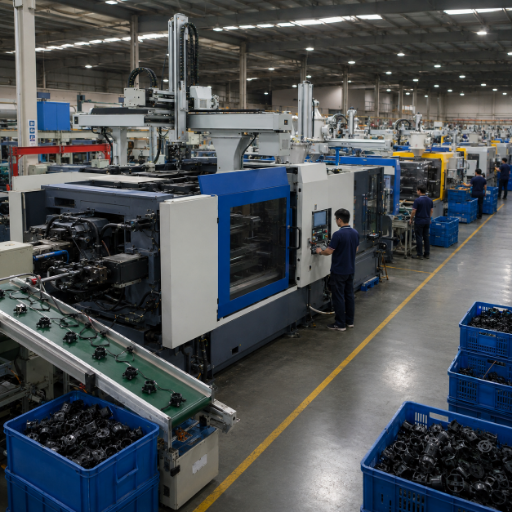
ABT. / 02
Abteilung für Plastik
- 400 Injektionsmaschinen
- Größte 2.000 Tonnen Presse
- 100 Tonnen/Tag Kunststoffdurchsatz
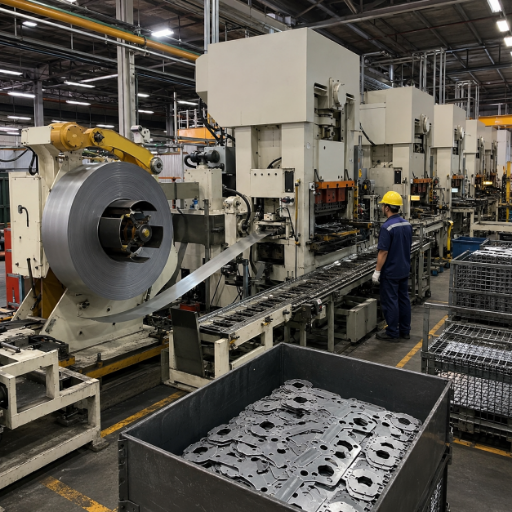
ABT. / 03
Hardware-abteilung
- 1.000 m² Automatisierte Stanzlinie
- 30 M+ Stück jährlich
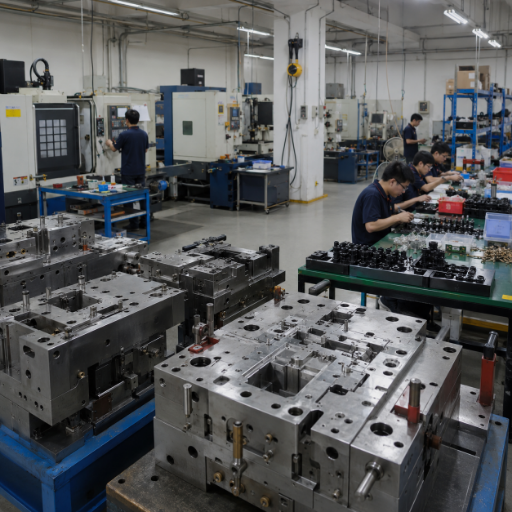
ABT. / 04
Form & Montage
- 3.600 m² Formenwerkstatt
- Deutsch Rhodos Maschinen, CNC, EDM
- Integriert R+P+HW Montage
Integrationslogik · Supply-Chain-Risikoreduktion
Die Integration einzelner Anbieter ist nicht nur betriebliche Einfachheit. Es handelt sich um eine Risikominderung in der Lieferkette: Wenn eine OEM-Dichtung, ein Kunststoffgehäuse und ein Metalleinsatz von drei verschiedenen Lieferanten vorhanden sind, verbindet die Integration die Höhenanpassung, Dichtung und Hardware-Konzentrizität des Gummidichtungsgehäuses und des Metalleinsatzes mit dem geformten Vorsprung Sobald sie an die Fabrik geliefert wurden, liegt sie in der Verantwortung des OEM. Wenn 1TP2 T alle drei herstellt, werden diese Schnittstellen in unserem Werk überprüft Bevor die Teile die Leitung verlassen.
Beschaffungsleitfaden · Transparente Zahlen
Beschaffungsleitfaden: Kostentreiber, Lieferzeit, Mindestbestellmenge und Zeitleiste für die Musterproduktion
Die meisten Gummiformunternehmen Nichts veröffentlichen darüber, wie ihre Preise tatsächlich funktionieren, Vorlaufzeiten oder Zahlungsbedingungen Beschaffungsteams verschwenden Wochen damit, Angebote für Teile einzuholen, die sich als solche herausstellen Außerhalb des Mindestbestellwerts oder außerhalb des Budgets. Wir veröffentlichen die unten aufgeführten Zahlen aus unserem 2024 – 2025 Programmlieferungen.
Fünf Preisträger
FAHRER / 01
Materialqualität
Spitzenklasse FKM/Viton Kostenkosten Drei - bis fünfmal Mehr als Neopren.
FAHRER / 02
Anzahl der Hohlräume und Werkzeugkomplexität
Einhohlraum vs Formen mit 32 Hohlräumen Bereich 20–40× Preislich.
FAHRER / 03
Jährliches Auftragsvolumen
Quasi-jährliche Materialverwendung oder tatsächliche Jahresnotierung, zuzüglich tatsächlichem Auftragsvolumen In Übereinstimmung.
FAHRER / 04
Toleranzklasse
0,05 mm Enge Injektion vs 0,25 mm Lockere Kompression.
FAHRER / 05
Zertifizierungsformalisierung
Handelsklasse vs IATF 16949 Rechnungsprüfung.
Lieferzeit und Zeitleiste für die Produktion
01
7 14 Tage
Probe
T1 aus vorhandener Verbindung
02
3 – 4 Wochen
Prototyp
T2 mit Dokumentation im PPAP-Stil
03
4 Wochen
Werkzeugherstellung
04
4 Wochen
Erster Massenprod-Start
Nach der Werkzeugzulassung
05
3 Wochen
Laufende Produktionsveröffentlichungen
Von PO
Zahlungsbedingungen & Versand
- 01 Standard: 301TP20 T Anzahlung / 701TP20 T Balance vor Versand
- 02 Methoden: LC am Anblick oder TT (telegraphische Übertragung)
- 03 Versandbedingungen: FOB Shenzhen oder Guangzhou, CIF zum Käuferhafen oder EXW-Fabrik/nominierter Spediteur
- 04 Währung: USD, EUR, RMB Rechnungsstellung verfügbar
MOQ- und Tooling-Richtlinie
- 01 Standardkatalogartikel: 50 – 1.000 Stück typische Mindestbestellmenge
- 02 Maßgeformte Teile: Mindestbestellmenge verhandelbar auf Basis der Tool-Amortisation
- 03 Werkzeugbesitz: Kundeneigene Werkzeuge unterstützt; bestehender Werkzeugtransfer begrüßt
- 04 Mustergebühr: Wird auf den ersten Produktionsauftrag mit PO-Bestätigung angewendet
Interaktive Engineering-Tools für kundenspezifische Gummiteile
FAQ · Beschaffung und Technik
Häufig gefragt Fragen
Fragen
Q / 01
Wie viel kosten kundenspezifische Gummiteile ab Engelhardt?
Die Preise für kundenspezifische Gummiteile hängen davon ab Fünf Fahrer: Materialqualität (Neopren vs. Viton kann unterschiedlich sein 3-5× Pro kg), Hohlraumzahl und Werkzeugkomplexität (Einzelhöhlen- gegenüber 32 Höhlenunterschied 20-40× In Werkzeugbau), Jahresvolumenstufe, Toleranzklasse und Zertifizierungsanforderung. Wir veröffentlichen keine Pauschalpreisliste, da wir damit die Käufer irreführen „Ihr Teil mit Ihrer Spezifikation erfordert ein individuelles Angebot, das auf Ihrer tatsächlichen Produktionsökonomie basiert. Fordern Sie ein Angebot über das obige Formular an und Sie erhalten ein komplettes System Innerhalb von 24 Stunden, einschließlich Werkzeugausstattung, Muster und Versandschätzung.
Q / 02
Wie lange dauert die Vorlaufzeit von der Zeichnung bis zur Massenproduktion?
Aus einer bestätigten PO und genehmigten Zeichnung: Proben in 7-14 Tagen Verwendung vorhandener Verbindungen, Prototyp mit PPAP-Validierung im 3-4 Wochen, Werkzeugherstellung 4-6 Wochen, und erste Massenproduktionslos 4-8 Wochen Nach der Werkzeugzulassung Laufende Produktionsfreigaben laufen 3-5 Wochen Von jedem weiteren PO. Luftfracht aus Guangzhou oder Shenzhen fügt normalerweise hinzu 5-7 Tage; Seefracht 25-35 Tage zu den meisten US-amerikanischen und europäischen Häfen.
Q / 03
Welches Gummimaterial sollte ich für meine Anwendung wählen?
Materialauswahl folgt Drei Fragen: Welchen Temperaturbereich wird das Teil im Betrieb sehen, welche Flüssigkeiten wird es kontaktieren und welche mechanische Belastung trägt es. EPDM Exzellent im Freien, versagt aber im Öl. Nitril Im Kraftstoff ausgezeichnet, aber unter UV-Strahlung abgebaut. Viton Handhabt hohe Temperatur und aggressive Chemikalien zu Premium-Kosten. Silikon Serviert Lebensmittel und medizinische zu moderaten Kosten. Unser Ingenieurteam unterstützt das Auswahlgespräch vor dem Zitieren. Das oben verfügbare Material- und Toleranzauswahlhandbuch PDF enthält Härtefallanpassung, Temperaturkompatibilität usw ASTM D2000-Leitungsaufruf funktionierte Beispiele.
Q / 04
Kann 1TP2 T kundenspezifische Gumberteile nach 1TP3 T-Automobilstandards herstellen?
Ja. Engelhardt hält Aktive IATF 16949 Zertifizierung Jährlich von einer unabhängigen Zertifizierungsstelle geprüft und erneuert, zusätzlich zu 1TP4 T. 1TP3 T erweitert das 1TP4 T-Qualitätsmanagement-Framework um automobilspezifische Anforderungen rund um Fehlervermeidung, Fehlerprüfung, kundenspezifische Anforderungen, Steuerungsplan-Governance und Garantie-Management Pro Zertifizierungsstelle DNV, IATF 16949 ist der Kfz-äquivalentes Ticket-to-Trade und erstreckt sich bis hin zu Automobilzulieferern der dritten Stufe, Designzentren und Unternehmenszentralen. Wir unterstützen vollständige PPAP-Einreichungen, einschließlich PSW, Kontrollpläne, Prozessablaufdiagramme, Maßlayouts, Materialzertifizierungen, Leistungstestberichte und Fähigkeitsstudien. Den Grad der Dokumentation erwartet ein Automobil-T-1-OEM von einem qualifizierten Gummiformzulieferer. Kundenaudits in unserer Einrichtung in Zhongshan sind willkommen und normalerweise innerhalb von zwei Wochen nach der Anfrage geplant.
Q / 05
Liefern Sie Prototypen, Kleinserienbestellungen und Vollmassenproduktion?
Ja zu allen dreien. Proben werden versendet 7-14 Tage Auf vorhandenen Verbindungen. Small-Batch-MOQ ist typischerweise 500-1.000 Stück Für Katalogartikel Massenproduktionsskalen von 10.000 bis mehrere Millionen Stück pro Jahr, mit maßgeschneiderter Mindestbestellmenge, die auf der Grundlage der Amortisation verhandelbar ist.
Q / 06
Was ist der Unterschied zwischen Spritzguss, Kompression und Transfergummiformung?
Spritzgießen Erhitzt und plastifiziert das Elastomer, bevor es unter hohem Druck in einen Hohlraum der geschlossenen Form eingespritzt wird. Schnellster Werkzeugzyklus, höchste Toleranz, höchste Kosten für die Verformung, beste komplexe Teile mit hohem Volumen. Formpressen Legt einen gemessenen Vorformling in eine offene, erhitzte Form, die sich unter Druck schließt, niedrigste Werkzeugkosten, längste Toleranz, am besten für dicke Teile bei niedrigem bis mittlerem Volumen. Transferformen Verwendet einen Kolben, um Gummi durch Spulen in geschlossene Hohlräume zu drücken. Der Mittelboden, der besonders stark für das Einsetzen und die Gummi-Metall-Bindung ist, hängt von der richtigen Wahl ab. Geometrie, Volumen, Toleranz und Lebenszykluskosten.
Q / 07
Bieten Sie auch Kunststoffspritzguss und Hardware-Herstellung an?
Ja. Der breitere 1TP2 T-1TP5 T-Betrieb läuft 400 Kunststoffspritzmaschinen (größte 2.000-Tonnen-Pressen, 100 Tonnen/Tag Kunststoffdurchsatz) und a 1.000 Quadratmeter große automatisierte Hardware-Stanzlinie Produktion von 30 Millionen Stück jährlich Die Integriertes Gummi-Kunststoff-Hardware-Montagemodell Bedeutet, dass ein OEM mit einer Unterbaugruppe aus mehreren Materialien die Gummidichtung, das Kunststoffgehäuse, den Metalleinsatz und die endgültige Unterbaugruppe von einem einzigen Lieferanten unter einem Qualitätssystem und einem PO beziehen kann. Sehen Sie sich die Engelhardt-Hauptfähigkeitsseiten für Kunststoff- und Hardware-Unterdienste an.