
Mettiti in contatto con Engelhardt

Servizi di sovrastampaggio e stampaggio di inserti
Engelhardt
Sposta le tue parti sovrastampate e stampate a inserto oltre il soffitto del prototipo-negozio. Engelhardt esegue sovrastampi in plastica, gomma e silicone su inserti in plastica e metallo a volumi di produzione automobilistica, fabbricazione e assemblaggio di vecchi in un unico posto.
Richiedi un preventivo
Substrato · Sovrastampo · Assemblea
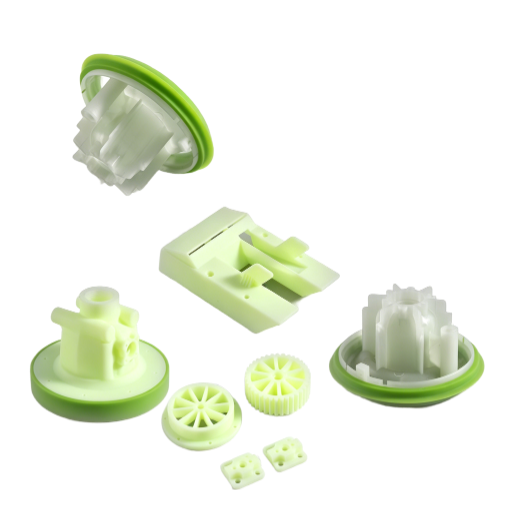
Plastica · Gomma · Silicone
01
400
Presse ad iniezione, fino a 2.000 tonnellate di bloccaggio
02
40+
Macchine vulcanizzanti per gomma & silicone
03
IATF 16949
Sistema di qualità automobilistico + ISO 9001
04
3.600 m²
Officina di produzione di stampi interna
05
2009
Fondata Zhong, Guangdongshan
06
1 Fabbrica
Substrato, sovrastampaggio, inserti & assemblaggio in un unico sito
[EH/OM·002 ] Produzione-Volume Sourcing
Ricambi sovrastampati e stampati a inserto di approvvigionamento su Volume Produzione
La maggior parte dei servizi di sovrastampaggio e di stampaggio di inserti che trovi online sono costruiti per la prototipazione: utensili in alluminio, tempi di consegna di 15 giorni e calcolatrici di preventivi dimensionati per poche migliaia di parti Quel modello funziona fino a quando il tuo programma non si ridimensiona. Sovrastampaggio combina due o più materiali in un'unica parte stampando un secondo materiale su un substrato; stampaggio inserti posiziona un inserto metallico o plastico preformato nella cavità prima che la plastica venga iniettata durante un ciclo di stampaggio a iniezione. Entrambi eliminano l'assemblaggio a valle, ma solo se il fornitore può sostenere la qualità per centinaia di migliaia di cicli.
Il rischio nel secondo anno
Dove le catene di fornitura del grado di prototipazione si rompono silenziosamente
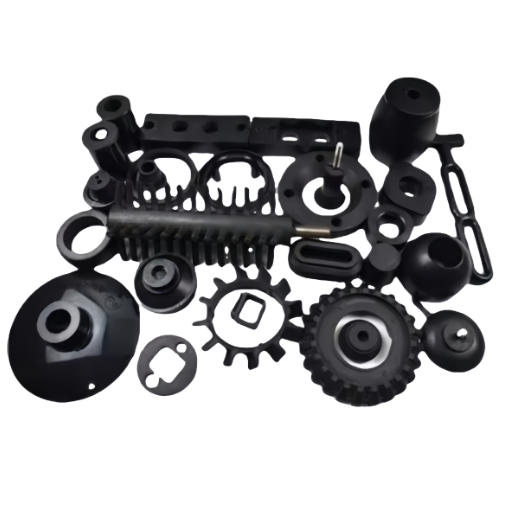
L'anello debole è raramente il primo articolo È il secondo anno di produzione Un ufficio di prototipazione tappi di tooling a da 2.000 a 10.000 colpi, quindi, un programma di ristrutturazione di mezza vita che si espande oltre quel volume è il costo dello stampo e il rischio di qualificazione non si aspetta alcun rischio di approvvigionamento. Gli stampatori di sola gomma non possono utilizzare un substrato di plastica rigido; gli stampatori di sola plastica non possono vulcanizzare un sovrastampo morbido. Gli acquirenti quindi dividono una parte tra tre fornitori, qui, sopra il vecchio, gli inserti metallici da qualche altra parte e assumono uno stack di tolleranza che un fornitore non possiede.
Leggi i dettagli completi
Il Modello Engelhardt
Un fornitore. Una catena di tolleranza. Un PO.
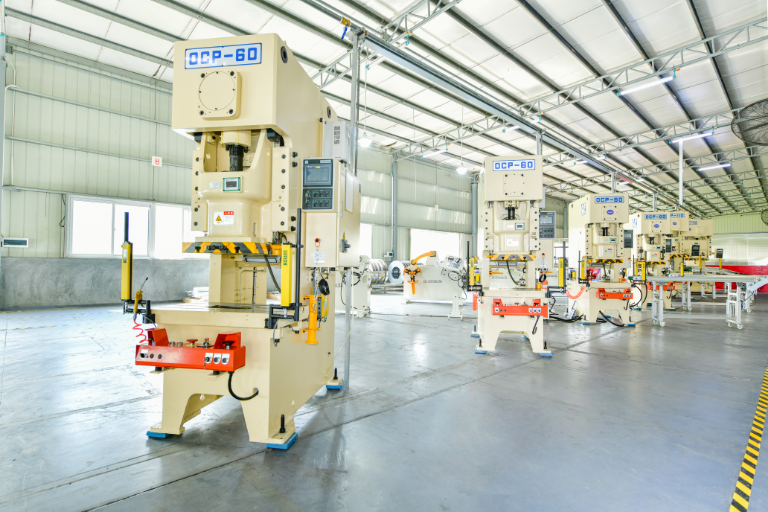
È lì che entra in gioco Engelhardt. Stampiamo il substrato di plastica rigido, il morbido sovrastampo in TPE o silicone e la parte legata gomma-metallo; realizziamo o acquistiamo gli inserti metallici; e assembliamo l'unità finita (Fined Unit) all'interno di una Fabbrica di 53.000 m² in funzione dal 2009. Quaranta e più macchine vulcanizzatrici e 400 presse a iniezione, le più grandi con un bloccaggio da 2.000 tonnellate, significano che un programma di sovrastampaggio non ci supererà. Un fornitore possiede l'intera catena di tolleranza, un PO copre la parte ed è qualificato una volta.
Leggi i dettagli completi
“
Quando un acquirente ci consegna una maniglia a presa morbida come tre numeri di parte separati, la prima cosa che guardiamo è il linea bond (non il prezzo) Il substrato di consolidamento, lo stampo eccessivo e l'inserto metallico in un unico strumento sono i punti in cui il costo reale e la qualità guadagnano vita, perché l'interfaccia smette di essere il problema di qualcun altro.
[EH/OM·003 ] Capacità · Materiali · Tolleranze
Engelhardt Sovrastampaggio & Inserto Stampaggio Capacità (Sovermolding) Engelhardt Inserto Molding Capabilities (Capacità di stampaggio) Materiali, tolleranze e tipi di processo
Una parte sovrastampata fallisce sul campo per un motivo molto più spesso di qualsiasi altro: il legame di interfaccia tra substrato e sovrastampo è stato un ripensamento. Una presa morbida si stacca sul bordo; un connettore sigillato consente l'ingresso di acqua all'interfaccia; un pulsante TPE si delamina nel ciclo termico. La ragione principale è invariabilmente una combinazione di materiali che non è mai stata testata per verificarne la compatibilità, o una forma di substrato senza interblocco meccanico per supportare un legame chimico debole. La selezione del nostro processo inizia lì all'interfaccia (non la pressa).
Quattro tipi di processo che eseguiamo
PROCESSO · COPERTURA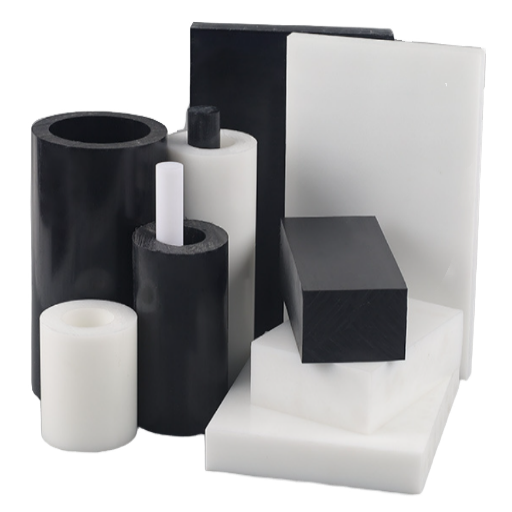
Plastica su plastica
Un substrato termoplastico rigido sovrastampato con un secondo alloggiamento in resina rigida o tecnica con caratteristiche funzionali multicolori integrate dure/dure e parti funzionali bimateriali.
Leggi di Più
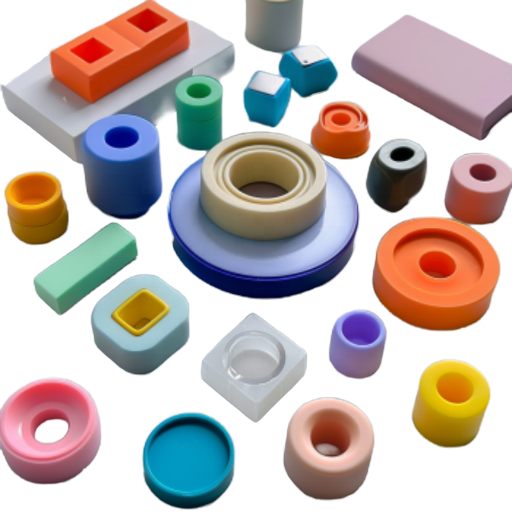
Morbido e rigido
TPE (elastomero termoplastico), TPV, TPU o gomma siliconica liquida stampata su un substrato rigido per impugnature soft-touch, smorzamento delle vibrazioni, guarnizioni e maggiore durata su superfici ergonomiche.
Leggi di Più
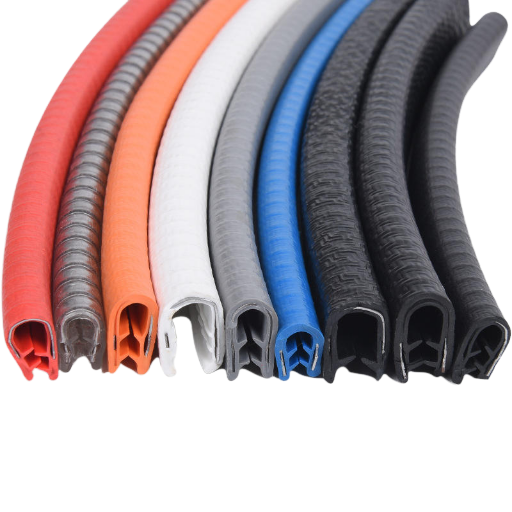
Plastica o gomma su metallo
Inserire lo stampaggio attorno a inserti metallici stampati, lavorati, filettati o connettori, contatti elettrici, sporgenze filettate e gruppi portanti.
Leggi di Più
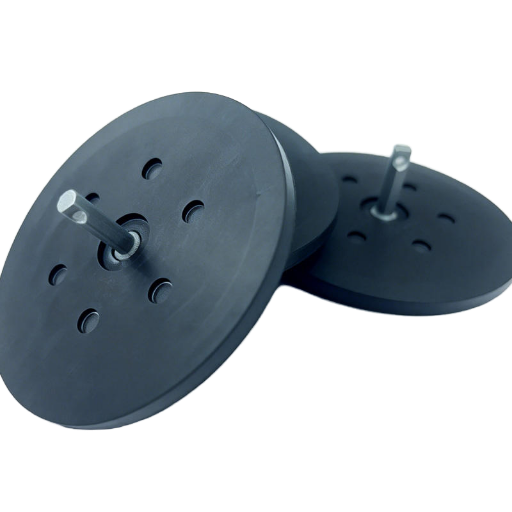
Legame gomma-metallo
Elastomero vulcanizzato e legato chimicamente a un nucleo metallico per supporti, boccole, isolatori e componenti di tenuta che trasportano carichi meccanici.
Leggi di Più
Specifiche e criteri di selezione
HUB DATI · METRICHE| Parametro | Capacità Tipica | Note |
|---|---|---|
| Forza di bloccaggio dell'iniezione | Presse fino a 2.000 tonnellate | 400 macchine 400 scale da piccole parti a grandi alloggiamenti |
| Spessore della parete del substrato | da 0,5 mm a 4 mm | Sezioni più sottili esaminate caso per caso |
| Tolleranza Dimensionale | da ±0,05 mm a ±0,10 mm | Tolleranze più strette sulle caratteristiche critiche previo accordo |
| Materiali sovrastampa | TPE (elastomero termoplastico), TPV, TPU, LSR, EPDM, Nitrile | 40+ macchine vulcanizzatrici per gomma e silicone |
| Resine Substrato | ABS, PC, PA (nylon), PP, PBT, gradi riempiti di vetro | 100 tonnellate di plastica lavorate quotidianamente |
| Inserti Metallo | Ottone, acciaio, inossidabile, stampato e lavorato | Capacità hardware interna per l'inserimento della fornitura |
| Convalida della muffa | Campionamento T0/T1/T2 su campione dorato | Costruito e sperimentato nel nostro negozio di stampi da 3.600 m² |
Nota ingegneristica
Inserisci ritenzione Knurl, Boss Geometry e convalida della resina reale
Per gli inserti filettati, la resistenza all'estrazione e alla coppia proviene dal motivo zigrinato e il boss di plastica attorno ad esso, non dal solo filo della vite Un inserto in ottone zigrinato diamantato tiene sostanzialmente meglio di un inserto liscio o autofilettante, perché la plastica scorre nell'inserto zigrinato e forma un legame meccanico Come regola di lavoro, il il diametro della sporgenza in plastica dovrebbe essere circa due o due volte e mezzo il diametro esterno dell'inserto quindi la parete non si rompe durante lo stampaggio o il servizio Confermiamo la ritenzione sulla resina reale durante il campionamento anziché fare affidamento su una scheda tecnica generica.
Tali strumenti e compromessi in termini di volume confluiscono direttamente nel costo totale (ovvero dove inizia la sezione successiva).
[EH/OM·004 ] Selezione del processo · Costo vs. Obbligazione
Sovrastampaggio Vs. Inserire lo stampaggio Vs. Stampaggio a due colpi (Two-Shot Moulding) Confronto Processi
Ingegneri e responsabili del programma continuano a incontrare lo stesso disaccordo: l'ingegneria vuole il legame più forte, il programma vuole il prezzo del pezzo più basso e i due tirano in direzioni diverse Un giunto stampato a inserto puramente meccanico è più economico da attrezzare ma più debole all'interfaccia; un sovrastampo legato chimicamente è più forte ma aggiunge una seconda fase di movimentazione del materiale. Il nostro confronto qui sotto mette il compromesso in termini concreti in modo che la decisione venga presa sui dati, non sulle preferenze.
| Attribute Criterio decisionale | Processo A Inserisci Stampaggio | Processo B Sovrastampaggio | Processo C Stampaggio a due colpi |
|---|---|---|---|
| Materiali Combinati | Metallo/inserto in plastica + plastica | Sovrastampo substrato + morbido/rigido | Due polimeri in un ciclo |
| Forza dell'interfaccia | Solo Meccanico Solo interblocco meccanico |
Chimico + Meccanico Legame chimico, rinforzato meccanicamente |
Chimico In-Cycle Legame chimico, in-ciclo |
| Ciclo Passaggi | Colpo singolo, inserto caricato per primo | Due colpi, substrato trasferito | Due colpi, automatizzati, nessun trasferimento |
| Costo relativo dell'attrezzatura | Più basso | Moderato | Più alto |
| Volume dove paga | Redditizio nella maggior parte dei volumi | Volume da basso ad alto | Volume molto alto |
| Rifiuti Materiali | Inferiore | Moderato | Più basso per parte su scala |
Regola di lavoro dell'ingegnere
Come il nostro team sceglie il processo durante la prima chiamata di progettazione
La regola pratica che i nostri ingegneri utilizzano: scegliere sovrastampaggio quando il programma va da poche migliaia alle decine di migliaia e necessita di un'ampia gamma di materiali (il suo utensile più semplice mantiene basso il costo iniziale Sposta in stampaggio a due colpi quando i volumi annuali salgono verso le centinaia di migliaia e l’efficienza a ciclo singolo inizia a ripagare lo strumento più pesante. Inserire stampaggio sta da solo ogni volta che la parte ha bisogno di un elemento di fissaggio filettato o di un contatto elettrico, indipendentemente dal volume Alcune caratteristiche della parte possono essere costruite solo in un modo (una regola di geometria multimateriale sigillata), può essere una regola di geometria multimateriale sigillata mentre un contatto co-stampato può escludere un sovrastampaggio ed è per questo che la selezione del processo appartiene alla prima revisione del progetto, non dopo che lo strumento è stato tagliato.
Non sei sicuro di quale processo si adatti alla tua parte e al tuo volume? Ottieni una revisione gratuita della fattibilità di DFM e utensili.
Richiedi revisione della fattibilità[EH/OM·005 ] Capacità di produzione · Fiducia OEM
Dal prototipo al milione di parti Capacità di produzione e risultati del cliente
Un programma che viene ri-attrezzato perché la capacità del fornitore si è esaurita è la sorpresa più costosa: nuova spesa per utensili, nuovo PPAP e settimane di fornitura persa La causa è scegliere un partner che ha dimensionato la capacità di utensili e presse per i prototipi La capacità di Engelhardt è dimensionata esattamente al contrario Realizziamo utensili di produzione temprati nel nostro officina stampi da 3.600 m² con CNC ad alta velocità, EDM e perforazione a foro profondo, e operiamo su un piano di 400 presse per stampaggio ad iniezione e oltre 40 macchine vulcanizzatrici. Un programma di sovrastampaggio che cresce da una corsa pilota a un milione di parti all'anno rimane sullo stesso attrezzo, nella stessa fabbrica, qualificato una volta.
Affidabile dai principali OEM
Verificato e approvato dai marchi di livello 1 prima che venga assegnato un numero di parte
Standard americano
Kohler
Amphenol
Oatey
SFA
Tale scala è già attendibile dai principali OEM. Engelhardt fornisce componenti stampati in gomma, silicone, plastica e assemblati ai clienti, tra cui American Standard, Kohler, Amphenol, Oatey e SFA le aziende che eseguono controlli rigorosi della propria catena di fornitura prima di assegnare un numero di parte. Queste linee producono anche parti di sigillatura e boccola per autoveicoli, connettori elettrici e sovrastampaggio di cavi, strumenti hardware con impugnature soft-touch, componenti per elettrodomestici e consumatori.
3
1
Rapporto di consolidamento del fornitore
Il consolidamento del substrato, del sovrastampo, dell'inserto metallico e dell'assemblaggio da fornitori separati in un unico fornitore rimuove la tolleranza tra fornitori, il substrato di trasporto duplicato e la pila di ispezione duplicata sostituiscono più PO con uno.
Il risparmio attuale del framework TCO dipende dalla complessità delle parti e dalla struttura del fornitore Richiedi un'analisi personalizzata.
Industrie che serviamo al volume di produzione
VERTICALI · APPLICAZIONIAutomobilistico
Componenti di tenuta, boccole e isolatori incollati realizzati con il sistema IATF 16949 con documentazione in stile PPAP.
Connettori elettrici
Sovrastampaggio di cavi, alloggiamenti sigillati e guarnizioni per dispositivi elettronici, in cui le protezioni per sovrastampo entrano in contatto con umidità e deformazione.
Hardware e consumatori
Prese soft-touch su utensili e parti di apparecchi, dove il sovrastampaggio rimuove una fase separata di assemblaggio della presa.
La capacità protegge il programma; il sistema di qualità protegge ogni spedizione (che è ciò che verifica successivamente l'approvvigionamento).
Vuoi un preventivo dimensionato per il tuo volume annuale, non un calcolatore di prototipi? Ottieni un preventivo basato sul volume.
Ottieni un preventivo basato sul volume[EH/OM·006 ] Certificazioni · Controllo Qualità
Certificazioni e Controllo Qualità
La preoccupazione maggiore per la spedizione di un sovrastampaggio non è la capacità del fornitore di o meno di resistere all'audit. La verità è che un certificato del sito web significa poco; il segno della qualità sta in un sistema documentato e nel suo record. Il nostro stabilimento sotto IATF 16949, lo standard di qualità dell'industria automobilistica e ISO 9001. IATF 16949 è importante qui perché richiede controllo statistico del processo, studi di capacità, documenti di approvazione parziale e la disciplina che mantiene una parte sovrastampata coerente dal primo tiro al milionesimo.
Controllo di qualità e strutture
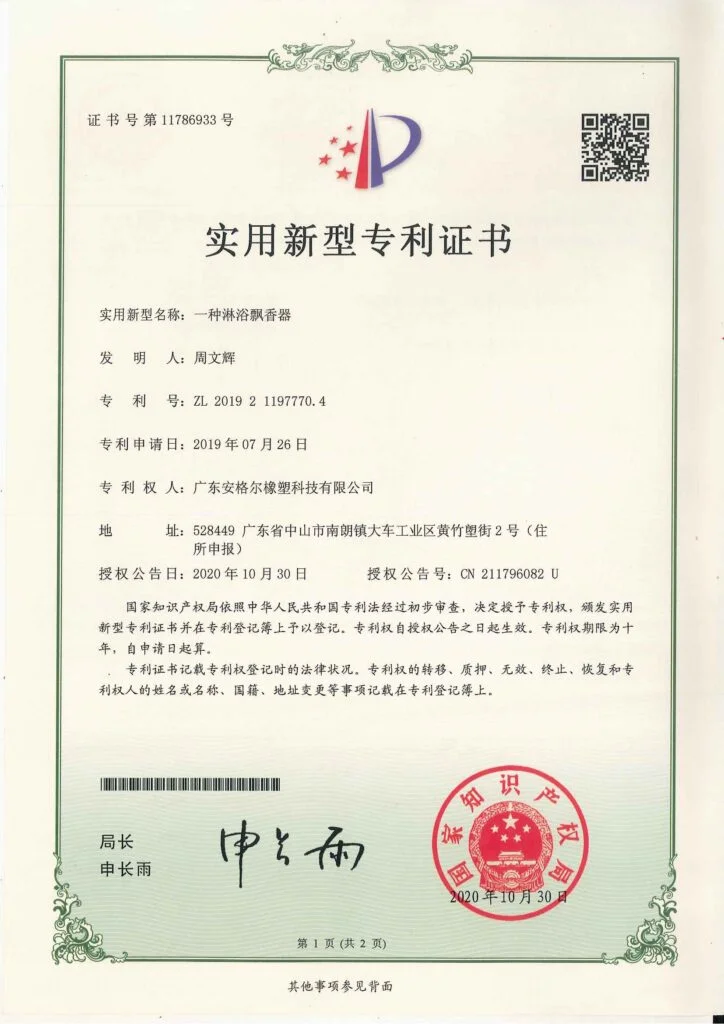
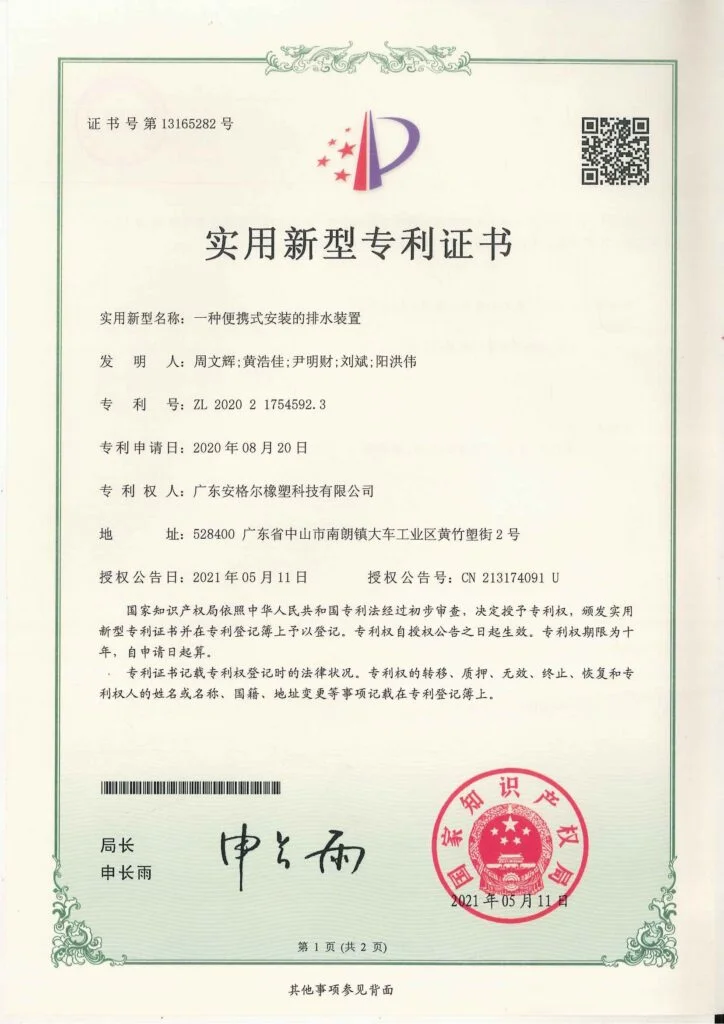
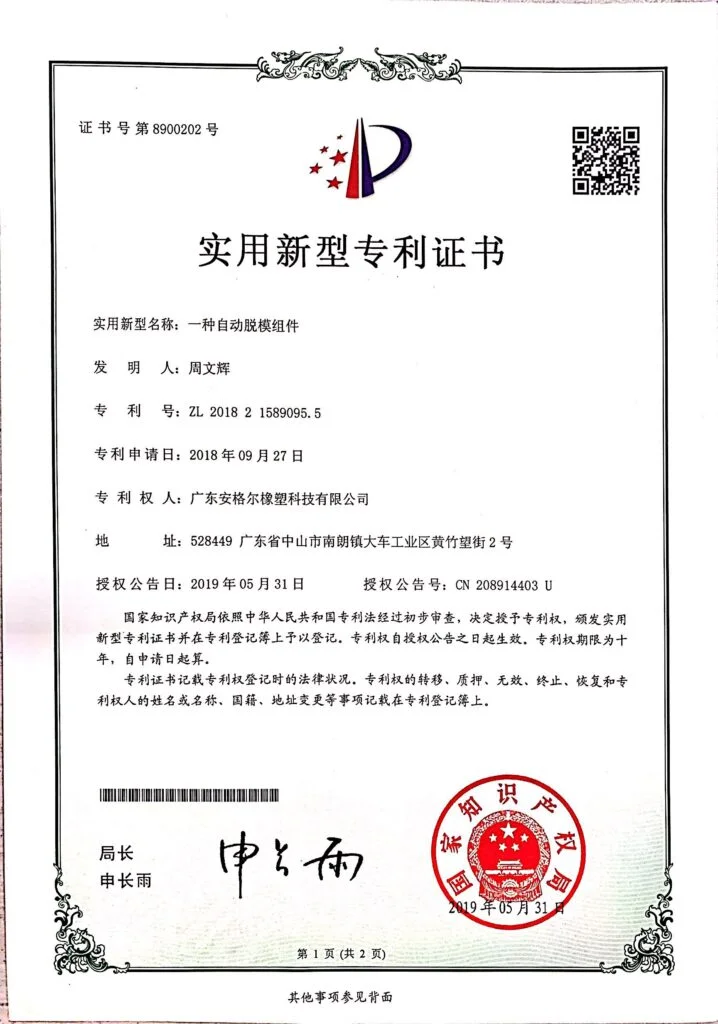
/ 01
IATF 16949
Sistema di gestione della qualità automobilistica
/ 02
ISO 9001
Sistema di gestione della qualità
/ 03
Laboratorio interno
Viscometro Mooney, reometro, salt-spray
/ 04
T0/T1/T2
Convalida dello stampo in fase su campione dorato
Il controllo qualità si svolge durante l'intero processo
ISPEZIONE · LABORATORIO · POLITICA DEI MATERIALIIl controllo di qualità su una parte multimateriale attraversa l'intero processo, non solo l'ispezione finale. Gli inserti vengono controllati presenza e orientamento prima che lo stampo si chiuda; i primi articoli sono ispezionato dimensionalmente; forza di legame e di estrazione viene testato per i campioni durante tutta la corsa; e la nostra stazione di prova ÖL che dispone di a Viscometro Mooney, reometro a stampo mobile, apparecchiature per test di corrosione con spruzzo di sale e macchine per test sui materiali vercompounds che il silicone e la gomma consegnano come promesso. Politica sui materiali: Ogni lotto di sovrastampaggio e stampaggio di inserti viene eseguito utilizzando materiale di qualità vergine a meno che il cliente non specifichi diversamente; la rimacinatura non viene mai miscelata in parti critiche per risparmiare sui costi.
Punti di controllo dell'ispezione
CP1
Pre-Chiusura: Gli inserti vengono controllati per la presenza e l'orientamento prima che lo stampo si chiuda.
CP2
Primo Articolo: Ispezionato dimensionalmente all'inizio della corsa.
CP3
In corso: Forza di legame e estrazione testata su campioni durante tutta la corsa.
CP4
Verifica del laboratorio: Macchine per test di viscosimetri, reometri, spruzzi di sale e materiali Mooney.
Hai bisogno di vedere i documenti prima di inserirci nella rosa dei candidati? Richiedi il nostro pacchetto di conformità e certificazione.
Richiedi il pacchetto di certificazione[EH/OM·007 ] Approvvigionamento · Utensili · Tempi di consegna · MOQ
Guida all'approvvigionamento: attrezzature, tempi di consegna, MOQ e Lavorare con un Molder d'oltremare
La maggior parte delle citazioni di sovrastampaggio sembrano comparabili nel primo incontro e divergono nettamente una volta che si legge nel campo di applicazione delle attrezzature Le sorprese costose sono ben documentate: una citazione che risulta coprire solo gli inserti della cavità mentre la fabbrica mantiene la base dello stampo; rimacinata miscelata in parti che sono state specificate come materiale vergine; una resina "equivalente locale" sostituita al grado qualificato; o acciaio morbido sostituito al grado indurito pagato. Niente di tutto questo è inevitabile in outsourcing (RFQ è inevitabile) è ciò che accade quando il RFQ è vago Questa guida è scritta in modo che il tuo RFQ non lo sia.
Come sono strutturati gli utensili e il costo dei pezzi
COSTO · FORMULA · LINEE DI QUOTAZIONEUn progetto di sovrastampaggio è citato in due modi: a tassa di attrezzaggio una tantum, e a prezzo ricorrente per pezzo per ogni ordine Il prezzo totale del progetto è uguale alla tariffa una tantum per gli utensili più il prezzo unitario moltiplicato per la quantità Il prezzo dell'utensile si basa sulla dimensione della parte, sul numero di cavità, sul grado di acciaio, sulla complessità della progettazione dello stampo e sulla durata nominale dello stampo; non su una taglia unica pubblicata si adatta a tutti i prezzi di listino Il prezzo per pezzo si basa sul grado del materiale e sul peso della parte, sul tempo di ciclo, sulla dimensione della pressa e sulle operazioni o assemblaggi secondari; non su un prezzo pubblicato Citiamo esplicitamente entrambe le righe, dichiariamo se si possedere l'intero stampo compresa la base, e documentare il grado d'acciaio.
Formula totale del prezzo del progetto
Commissione per gli attrezzi
+
Prezzo Unitario
×
Quantità
= PREZZO TOTALE DEL PROGETTO
Driver per l'attrezzatura
Dimensione della parte · conteggio delle cavità · grado di acciaio · complessità dello stampo · durata nominale dello stampo
Driver del prezzo unitario
Grado materiale & peso parte · tempo di ciclo · dimensione della pressa · operazioni secondarie / assemblaggio
Consulenza per l'acquirente: cosa bloccare nella RFQ
RISCHIO · 4 PUNTI DI CONTROLLOIdentificare quattro potenziali fonti di rischio per la qualità dello stampo e la maggior parte dello stampaggio all'estero ti farà ricadere questo rischio. Engelhardt cita volentieri contro tutti e quattro di default (CHIEDI) da parte tua e i risultati sono già sul tavolo.
01
Proprietà della muffa
Che possiedi l'intero stampo inclusa la piastra di base e sei libero di spostarlo.
02
Materiale Vergine
"100% materiale vergine" su parti critiche, con l'esatto grado di resina specificato.
03
Grado d'acciaio
Il grado di acciaio per l'utensile, con un certificato di acciaio e rapporto di durezza forniti.
04
Tolleranze Dimensionali
Fornite le tolleranze dimensionali per le caratteristiche critiche.
Impegno Engelhardt: citiamo contro i quattro punti di controllo per impostazione predefinita (tutti e quattro i risultati richiesti) sono già sul tavolo.
Tempi di consegna e volume degli ordini
SCHEDULE · MOQIl tempo di consegna su una parte sovrastampata si suddivide in fasi e un programma pragmatico tiene conto di ciascuna. Ad esempio, possono essere necessari strumenti di produzione per il sovrastampaggio e lo stampaggio a inserto mesi a seconda della complessità, allora Campionamento T0/T1/T2 e segnaletica del campione dorato, dopo di che la produzione della pressa può essere trasferita giorni a settimane. Piuttosto che un singolo numero ottimistico, ti forniamo un programma graduale allineato in anticipo. I MOQ sono determinati per ciascuna parte, con limiti ridotti per le corse pilota e di ponte; ti informeremo dell'attuale MOQ di produzione anziché utilizzare una figura principale.
Fasi di lead time · Lined Out
S1
Produzione Tooling
Mesi, a seconda della complessità.
S2
Campionamento T0/T1/T2
Colpi di prova in scena fino al segno del campione d'oro.
S3
Transizione di produzione della stampa
Giorni a settimane; inizia la rampa del volume.
S4
MOQ e corse sul ponte
MOQ per parte; limiti ridotti per le corse pilota e ponte.
Lavorare con un Molder d'oltremare
FABBRICA · NON INTERMEDIARIO
La vera domanda →
Non "Cina o nazionale" – "Fabbrica o Middleman?"
Perché un sovrastampaggio su scala di produzione dovrebbe passare a un produttore come Engelhardt? semplicemente perché la stessa capacità di stampaggio e di attrezzaggio è disponibile senza il premio del prototipo-negozio, e le fabbriche verificate che servono OEM automobilistici e medici gestiscono linee di assemblaggio consolidate e negozi di stampi interni La vera domanda che ogni acquirente dovrebbe porsi non è 'Cina o nazionale' ma, 'fabbrica o intermediario?' Una società commerciale aggiunge un marchio e poco input ingegneristico. Engelhardt è la fabbrica: un sito di 53.000 m² con presse proprie, linee di vulcanizzazione e negozio di stampi, non un ufficio vendite. Lavoriamo a un tasso di difetti noto, supportiamo l'ispezione pre-imbarco e salvaguardiamo il tuo progetto con un accordo di riservatezza di tipo NNN e termini inequivocabili di proprietà degli utensili prima di qualsiasi consegna del disegno Comunicazioni, video o foto inglesi a due vie su richiesta, quindi la fabbrica a cui sei testimone è la fabbrica dedicata a fare effettivamente la tua parte.
Sito di 53.000 m²
Negozio di stampi interni
Tasso di difetto noto
Ispezione pre-imbarco
Riservatezza NNN
Termini di proprietà degli utensili
Comunicazioni inglesi bidirezionali
Video / Foto Su Richiesta
Toolkit di ingegneria di sovrastampaggio
[EH/OM·008 ] FAQ · Riferimento agli appalti
Frequentemente Chiesto Domande
Otto domande a livello di approvvigionamento Engelhardt riceve più spesso su sovrastampaggio, stampaggio di inserti e attrezzature d'oltremare (Oltremare) hanno risposto al livello di fogli di specifiche, certificati e programmi, non copia di marketing.
08 Argomenti
Processo · Costo · Termine d'esecuzione · MOQ · Materiali · Inserzioni · Automotive
ELENCO FAQ · v.2026
01
Qual è la differenza tra sovrastampaggio e stampaggio ad inserti?
Qual è la differenza tra sovrastampaggio e stampaggio ad inserti?
Inserire stampaggio posiziona un componente preformato (spesso una boccola di ottone filettata o un contatto elettrico) nello stampo, quindi inietta la plastica attorno ad esso in un unico colpo; il giunto è meccanico. Sovrastampaggio stampa un secondo materiale su un substrato di plastica esistente e il legame può essere chimico, meccanico o entrambi. Lo stampaggio a inserto aggiunge una caratteristica metallica funzionale; il sovrastampaggio aggiunge un secondo strato di plastica o gomma come un'impugnatura morbida o una guarnizione.
02
Quanto costa il sovrastampaggio?
Quanto costa il sovrastampaggio?
Un progetto di sovrastampaggio prevede due linee di costo: a costo dell'attrezzatura di capitale, e a running per piece one. L'attrezzatura dipende dalla dimensione della parte, dal numero di cavità, dal grado di acciaio, dalla complessità e dalla durata stimata dello stampo; il costo del pezzo dipende dal materiale, dal peso della parte, dal tempo di ciclo e da ciò che è coinvolto. Poiché le variabili cambiano in base alle singole parti, citiamo il disegno, non pubblichiamo una figura generale e non chiedi un RFQ e ricevi non solo la linea di costo ma le singole linee.
03
Qual è il tempo di consegna per le parti sovrastampate e stampate a inserto?
Qual è il tempo di consegna per le parti sovrastampate e stampate a inserto?
Il tempo di consegna è suddiviso in fasi: gli utensili di produzione richiedono alcune settimane, dopo di che T0/T1/T2 giri di campionamento e approvazione dei campioni dorati, e poi un accumulo di produzione per qualunque obiettivo possa richiedere una settimana o due. Forniremo un programma realistico per la tua parte individuale piuttosto che uno troppo ottimistico.
04
Qual è la quantità minima ordinabile per il sovrastampaggio?
Qual è la quantità minima ordinabile per il sovrastampaggio?
MOQ è impostato per parte Ti diamo la figura realistica piuttosto che un numero di titolo una volta compresa la geometria della parte e il volume target. Le corse pilota e di ponte portano soglie ridotte; la produzione completa comporta una soglia standard legata all'economia della configurazione.
05
Puoi sovrastampare il silicone o la gomma su plastica e metallo?
Puoi sovrastampare il silicone o la gomma su plastica e metallo?
Sì. Engelhardt viene eseguito sovrastampi in gomma siliconica liquida e gomma vulcanizzata su substrati plastici, accanto a TPE, TPV e TPU Il silicone e la gomma tipicamente si legano meccanicamente o attraverso un primer o un agente legante, quindi la geometria del substrato e la preparazione della superficie sono progettate fin dall'inizio Con Oltre 40 macchine vulcanizzatrici in loco, il sovrastampaggio della gomma e il sovrastampaggio del silicone sono una capacità fondamentale, non un servizio in subappalto.
06
Quali Materiali Possono Essere Utilizzati Come Substrato E Sovrastampo?
Quali Materiali Possono Essere Utilizzati Come Substrato E Sovrastampo?
I substrati comuni includono ABS, policarbonato, nylon (PA), polipropilene, PBT e qualità riempite di vetro. I sovrastampi comuni includono TPE stirenico, TPV, TPU, gomma siliconica liquida ed elastomeri vulcanizzati ad es. EPDM, nitrile. La resistenza del legame varia con ciascuna coppia (controlliamo la compatibilità del materiale durante la revisione del progetto e la verifichiamo sulla resina effettiva durante il campionamento.
07
Realizzi gli inserti metallici in casa?
Realizzi gli inserti metallici in casa?
Engelhardt ha hardware e capacità di stampaggio insieme allo stampaggio, così tanti inserti metallici possono essere prodotti o coordinati internamente anziché provenienti da un fornitore separato Combinando l'inserto, lo stampaggio e l'assemblaggio in un unico impianto si evita un'interfaccia fornitore e si garantisce che la catena di tolleranza rimanga all'interno di un unico sistema di qualità.
08
Lo strumento di sovrastampaggio può essere qualificato in base ai requisiti automobilistici?
Lo strumento di sovrastampaggio può essere qualificato in base ai requisiti automobilistici?
Sì. Come lo è Engelhardt Certificato IATF 16949, gli utensili per sovrastampaggio e stampaggio ad inserti possono essere azionati con il SPC, studi di capacità e registrazioni di approvazione parziale che i programmi automobilistici richiedono Informaci dello standard a cui è conforme il tuo programma e verificheremo l'applicabilità prima dell'inizio degli strumenti.
Domanda non elencata? Le risposte a livello di appalto vengono affrontate in base alla parte invia il disegno, prendi il foglio delle specifiche.