
Treten Sie mit Engelhardt in Kontakt


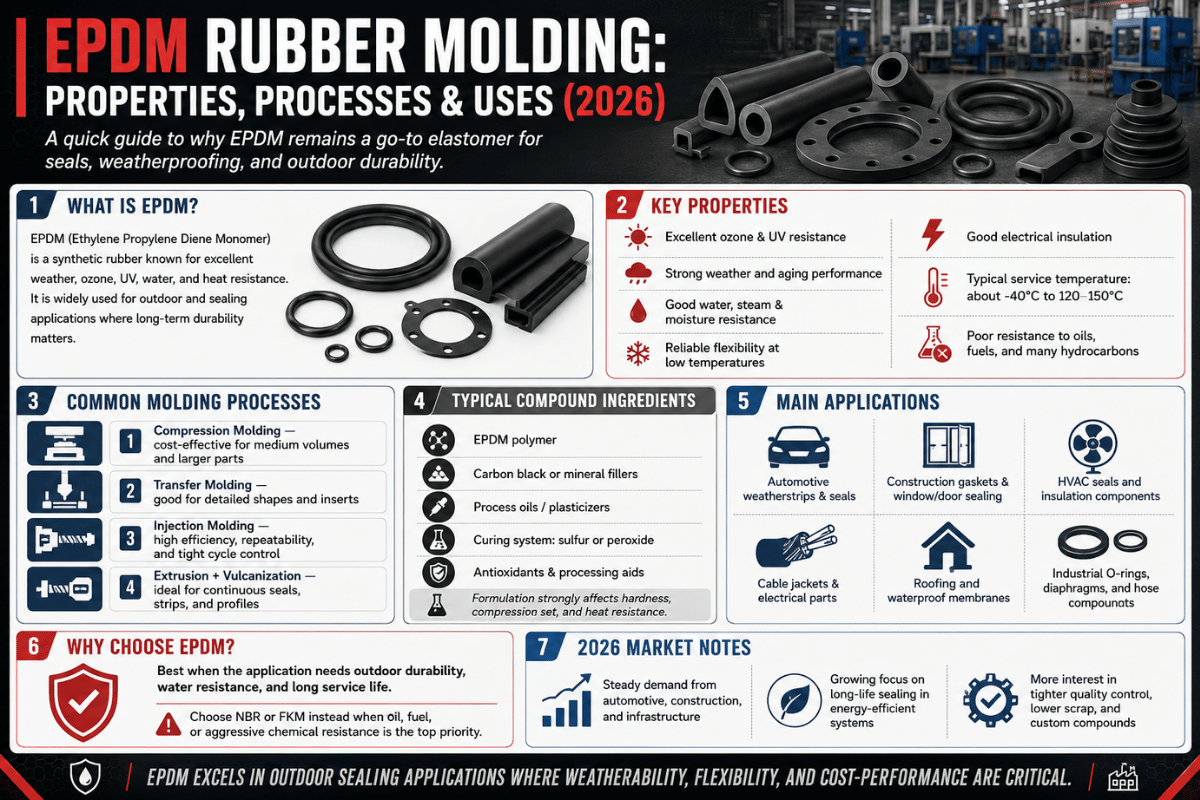
Beim EPDM-Gummiformen handelt es sich um den Prozess der Formung von Ethylen-Propylendienmonomer (TP9T), wetterbeständigem synthetischem Kautschuk zu fertigen Teilen durch Spritzen, Komprimieren oder Transferformen unter Druck. Ingenieure greifen danach, wenn eine Dichtung oder Dichtung Ozon, UV, Wasser und Dampf jahrzehntelang überleben muss, doch das gleiche Material kann innerhalb von Monaten versagen, wenn es jemals Erdöl berührt. Dieser Leitfaden erklärt die Chemie, die Formprozesse, wie EPDM im Vergleich zu anderen Elastomeren abschneidet und wie man eine Spezifikation schreibt, die tatsächlich korrekt angegeben wird.
Kurz gesagt: EPDM-Gummiformung formt Ethylen-Propylen-Dien-Monomer mithilfe von Spritz-, Kompressions- oder Transferformen zu maßgeschneiderten Teilen, hauptsächlich Dichtungen, Dichtungen und Ölen. EPDM widersteht Ozon, UV, Wetter, heißem Wasser und polaren Flüssigkeiten, quillt jedoch in Erdöl und Kraftstoff stark an, sodass die Wahl eher auf der Betriebsumgebung als standardmäßig erfolgt.
Schlüsselpunkte
- Eine einzelne Erdöl-, Kraftstoff- oder Aromaöl-Kontaktstelle disqualifiziert EPDM, egal wie gut es anderswo abschneidet, wir nennen das das Oil-Line Veto.
- Die Wetterbeständigkeit von 1TP9 T beruht auf einem gesättigten Polymergerüst, das Ozon nichts zum Angriff gibt. Der Grund dafür, dass einlagige 1TP9 T-Dachmembranen bei 38+ Jahren Außendienst dokumentiert sind.
- Das Härtungssystem (Schwefel vs. Peroxid) kann die Lebensdauer und Kompression um etwa eine Größenordnung verlängern, es ist eine echte Spezifikationsentscheidung und kein Fabrikdetail.
- Die Prozesswahl (Injektion, Kompression, Übertragung) folgt dem jährlichen Volumen und der jährlichen Geometrie; Die Wirtschaftlichkeit der Injektion erstreckt sich typischerweise über fast 5.000 Einheiten.
Schnelle Spezifikationen: Geformter EPDM-Gummi
| Material | EPDM (Ethylen-Propylen-Dien-Monomer), ein synthetischer Kautschuk/Elastomer |
| Betriebstemperatur | ~ -40 °C bis +120 °C (Standard-Schwefelhärtung); bis zu ~ -50 °C bis +150 °C kontinuierlich mit Peroxidhärtung/Spezialqualität |
| Härte | 30 –90 Shore A (60 –70 am häufigsten) |
| Kürsysteme | Schwefelgehärtet oder peroxidgehärtet |
| Formverfahren | Spritzguss, Kompression, Transferformen |
| Toleranznoten | RMA A1 (hohe Präzision) bis A4 (Basis/Kaufmann) |
| Klassifikation | 1TP8 T D2000-Leitungsaufruf (1TP9 T-Leitungen typischerweise BA, CA, DA) |
| Widersteht | Ozon, UV, Wetter, Wasser, Dampf, Polarflüssigkeiten (Glykol, Bremsflüssigkeit) |
| Vermeiden | Erdöl, Kraftstoff, aromatische und chlorierte Kohlenwasserstoffe (starke Quellung) |
Was ist 1TP9 T Gummi?
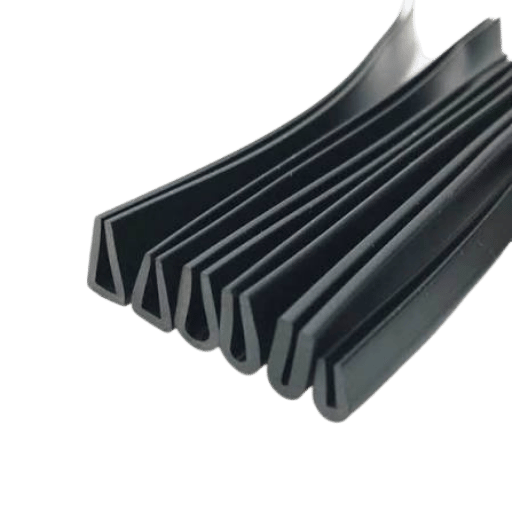
1TP9 T ist ein synthetischer Kautschuk, der durch Polymerisation von Ethylen und Propylen mit einer kleinen Menge eines Dienmonomers hergestellt wird, das die für die Vulkanisation benötigten Vernetzungsstellen liefert, was ihn von Naturkautschuk unterscheidet, ist sein gesättigt Hauptkette: das Ethylen-Propylen-Rückgrat trägt keine Kohlenstoff, Kohlenstoff-Doppelbindungen, so dass Ozon und UV dort nichts anzugreifen haben Per der Technische Beschreibung von 1TP9 T-Gummi, Deshalb übertrifft es Dienkautschuke im Freien.
Die gesättigte Backbone-Regel
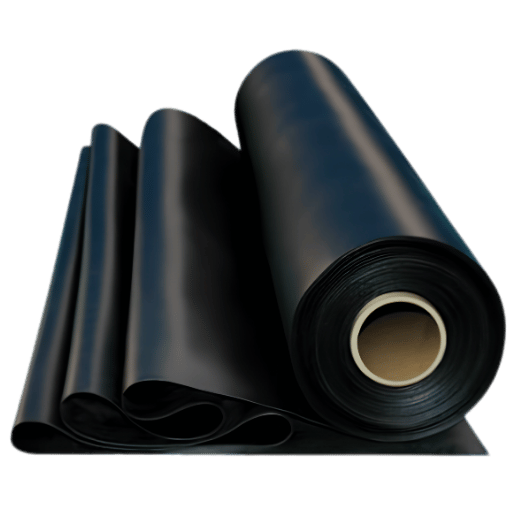
Hier eine Faustregel, die Sie auf Sicht anwenden können: Im Rückgrat lebt die Wetterresistenz, in den Seitengruppen die Ölresistenz. Ozon reißt gewöhnlichen Gummi, indem es die ungesättigten Doppelbindungen in seiner Polymerkette unter Spannung aufbricht. Das gesättigte Rückgrat von EPDM gibt Ozon keine Doppelbindungen zum Brechen, daher altert es bei Sonnenlicht und Wetter langsam. Der Beweis liegt auf Millionen von Dächern. Eine Felduntersuchung aus dem Jahr 2025 ergab, dass einstöckige EPDM-Dachmembranen danach noch funktionieren 38+ Dienstjahre, „, mit neueren Arbeiten zur beschleunigten Alterung, die eine noch längere Lebensdauer projizieren. Die gleiche Chemie, die EPDM zu einem 40-Jahres-Dach macht, macht es zum Standardgummimaterial für Außendichtungen und Wetterstreifen.
Der Haken ist die Kehrseite dieser Regel: Ein gesättigtes, unpolares Rückgrat ähnelt auch chemisch Erdöl, sodass sich unpolare Öle auflösen In 1TP9 T und lassen Sie es anschwellen Unter der breiten Palette von Natur - und Synthesekautschukfamilien, aus denen ein Ingenieur wählen kann, und der vollen Spannweite von Naturkautschuk und Synthesekautschukchemie sitzt 1TP9 T am witterungsbeständigen, ölscheuen Ende Dieser Leitfaden zu 1TP9 T-Kautschuk kehrt wiederholt zu diesem Kompromiss zurück, denn er treibt fast jede Go/No-Go-Entscheidung voran.
EPDM-Eigenschaften und Spezifikationsdaten
Für einen RFQ oder Datenblatt sind das die 1TP9 T-Zahlen, die zählen Behandeln Sie die Bereiche als zusammensetzungsabhängig: ein weicher 40 Shore A Wetterstreifen und eine harte 80 Shore A Buchse sind beide 1TP9 T verhalten sich aber sehr unterschiedlich, und das Härtungssystem verschiebt die TemperaturdeckeWenn ein Wert eine Einzelquellenzahl ist, ist er entsprechend qualifiziert.
| Eigentum | Typischer Wert | Anmerkung |
|---|---|---|
| Kontinuierliche Service-Temp | ~ -40 °C bis +120 °C Schwefel; bis ~+150 °C Peroxid | Deckensatz nach Aushärtungssystem |
| Härte | 30 –90 Shore A | 60 –70 am häufigsten für Siegel |
| Zugfestigkeit | ~500 – 3.000 psi (3.21 MPa) | Variiert stark mit Verbindung und Füllstoff |
| Kompressionssatz | Niedrig mit Peroxidheilung (einstellige 1TP20 T bei 100 °C erreichbar) | Kritisch für statische Dichtungen |
| Ozon / UV / Wetter | Ausgezeichnet | Die Schlagzeilenstärke |
| Wasser / Dampf / Glykol | Ausgezeichnet | Einschließlich Warmwasser und Bremsflüssigkeit |
| Erdöl / Kraftstoff | Arm (starker Seegang) | Disqualifikation siehe Oil-Line V |
Eigenschaftsbereiche, zusammengestellt aus Elastomer-Datenblättern und dem Klassifizierungsrahmen ASTM D2000; Die Werte variieren je nach Verbindung und Lieferant.
1TP9 T hält diese Eigenschaften über die extremen Temperaturen und Verwitterung, die kleinere Kautschuke aushärten oder knacken, und es ist auch ein guter elektrischer Isolator, weshalb es in Kabelzubehör und elektronischen Gehäusedichtungen angezeigt wird Da 1TP9 T-Gummimischungen mit Füllstoff und Aushärtungssystem so stark variieren, können zwei Teile, die beide mit 1TP9 T gekennzeichnet sind, sehr unterschiedlich funktionieren. Ein Qualitätsgummi-Ergebnis hängt von der spezifischen Verbindung ab, nicht vom Familiennamen. Da das Eigenschaftenfenster so breit ist, geben Käufer “1TP9 T” nicht allein an, sondern geben eine Verbindung durch eine an ASTM D2000-Leitungsaufruf Das fixiert den Typ (Wärmebeständigkeit) und die Klasse (Ölbeständigkeit).Wir brechen diesen Aufruf im Spec-Abschnitt unten auf.
EPDM vs. andere Elastomere: Passendes Material zur Umwelt
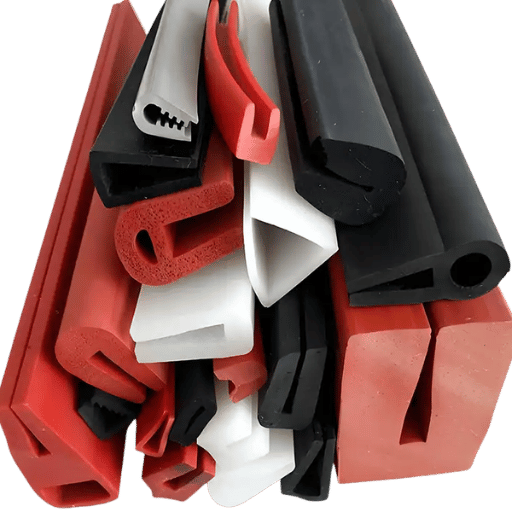
Die Wahl zwischen 1TP9 T und Neopren, Nitril, Viton (1TP14 T), Silikon oder Naturkautschuk läuft auf eine Frage hinaus: Was berührt das Teil tatsächlich und wie heiß wird es? in der folgenden Tabelle wird eher konkretes Verhalten als vage Hoch/Mittel/Niedrig Bewertungen verwendet.
| Elastomer | Ozon / UV | Wasser / Dampf | Erdöl | Relative Kosten | Am besten passen |
|---|---|---|---|---|---|
| EPDM | Ausgezeichnet | Ausgezeichnet | Arm | Niedrig | Outdoor / Wasser / Wetterdichtungen |
| Neopren (CR) | Gut | Gut | Mäßig | Nieder | Allzweck-Milchöl |
| Nitril (NBR) | Arm | Messe | Ausgezeichnet | Niedrig | Kraftstoff-/Öldichtungen |
| Viton (FKM) | Ausgezeichnet | Gut | Ausgezeichnet | Hoch (~8 –10 × EPDM) | Heißes Öl / Chemikalie / Kraftstoff |
| Silikon (VMQ) | Ausgezeichnet | Gut (trockene Hitze) | Arm | Hoch | Extreme Temp, Essen/Medizin |
| Naturkautschuk (NR) | Arm | Gut | Arm | Niedrig | Abrieb, dynamisch, Indoor |
Kostenmultiplikator für Viton vs. 1TP9 T, der von Elastomerlieferanten gemeldet wird; Widerstandsbewertungen spiegeln das allgemeine Verbundverhalten wider.
Witterungsbeständigkeit pro Dollar. Silikon und 1TP9 T beide schieben ozon und UV ab, aber Silikonverbindung kostet weitaus mehr und reißt leichter Normalisieren Sie die Wetterbeständigkeit durch compound cost und 1TP9 T gewinnt entscheidend, genau deshalb wurde es, nicht Silikon, zum Standard-Dichtungsmaterial für Outdoor - und synthetischen Gummi Diese Mischung aus Wetterbeständigkeit und niedrigem Compoundpreis macht geformtes 1TP9 T zu einem der kostengünstigsten Dichtungselastomere in der Produktion Wo Sie wirklich die Temperaturextreme oder die Reinheit von Lebensmittelqualität von Silikon brauchen, ist unser Flüssiges Silikonkautschuk-Spritzgießen Die Linie deckt stattdessen diesen Umschlag ab.
️ Das Öllinien-Veto
Führen Sie jeden zweiten Score aus: Temperatur, Wetter, Kosten und wenden Sie dann eine Überschreibung an Wenn das Teil jemals mit Erdöl, Kraftstoff oder aromatischen Kohlenwasserstoffen in Kontakt kommt, ist EPDM nicht verfügbar. In einem Feldanalysebericht wurde eine 1TP9 T-Quellung von mehr als 1001TP20 T nach Volumen in Mineralöl gemessen. Wechseln Sie die Spezifikation für Umgebungsöl auf Nitril (1TP13 T) oder für heißes Öl auf Fluorelastomer (Viton/1TP14 T) Vorher Die Werkzeuge werden geschnitten, nicht nach der ersten fehlgeschlagenen Charge.
Was ist besser, Viton oder EPDM?
Beides ist nicht “besser” direkt, sie lösen gegensätzliche Probleme Wählen Sie 1TP9 T, wenn das Teil Wetter, heißem Wasser, Dampf oder Bremsflüssigkeit zugewandt ist und nie Öl sieht; es kostet einen Bruchteil von Viton und widersteht diesen Flüssigkeiten genauso gut Wählen Sie Viton (1TP14 T), wenn das Teil Kraftstoff, heißem Öl oder aggressiven Chemikalien ausgesetzt ist, und akzeptieren Sie die Materialkostenprämie 810× ist ein häufiger Fehler ist die Angabe von Viton “um sicher zu sein” in einer Warmwasser-Dienstleistung, bei der 1TP9 T weit weniger lange halten würde.
Wie 1TP9 T geformt wird: Injektion, Komprimierung und Übertragung
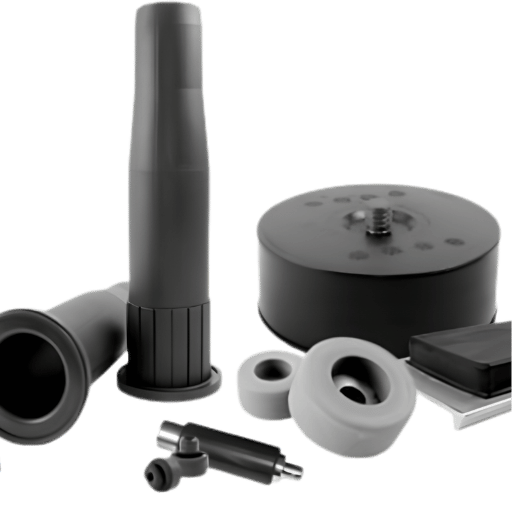
1TP9 T wird nicht wie einige Gusskautschuke als Flüssigkeit gegossen Eine feste, ungehärtete Gummiverbindung wird erhitzt, bis sie fließt, in eine geschlossene Stahlform gedrückt und unter Hitze und Druck vulkanisiert, vernetzt Dieser grundlegende Herstellungsprozess wird durch drei Formverfahren geteilt.
Wo sie sich unterscheiden, sind Werkzeug, Zykluszeit, und die Volumina, wo sie wirtschaftlich sinnvoll sind Das richtige Verfahren für 1TP9 T folgt Ihrem Jahresvolumen und Teilegeometrie, nicht dem Material, und ja, es ist durchaus möglich, 1TP9 T zu spritzen, so wie es kompressions - oder transfergeformt sein kann.
| Prozess | Bester Band | Werkzeugkosten | Zykluszeit | Bestteilprofil |
|---|---|---|---|---|
| Kompression | Niedrig / Prototyp | Niedrigste | Längste | Große, einfache, dicke Dichtungen |
| Übertragen | Nieder | Mitte | Mitte | Gummi-Metall-gebundene Einsätze |
| Injektion | Hoch (~5.000+ Einheiten) | Höchste | Kürzeste | Hochvolumige Präzisionsdichtungen |
Der Volumenübergang spiegelt die Engelhardt-Anführungsübung wider und wird durch unabhängige Formkostenanalysen bestätigt; exakte Break-Even-Verschiebungen mit Teilegröße und Werkzeugkomplexität.
Kann EPDM gespritzt werden?
Ja, 1TP9 T wird routinemäßig spritzgegossen Erhitzte 1TP9 T-Verbindung wird unter hohem Druck in eine geschlossene Metallform mit mehreren Hohlräumen eingespritzt und an Ort und Stelle vulkanisiert; veröffentlichte Patentdaten beschreiben geformtes 1TP9 T, das bei etwa 185 °C in etwa 6 Minuten unter ~60 bar ausgehärtet wurde. Erteilte Formpatente Bestätigen Sie diese Prozessfenster. Der EPDM-Spritzgussprozess bietet die engsten Toleranzen und kürzesten Zykluszeiten, weshalb er die Großserienabdichtung von Kraftfahrzeugen und Geräten dominiert, sobald Sie die Werkzeug-Ausweichzeit erreicht haben.
Transferformen erhält seinen Platz, wenn ein Teil Gummi benötigt, das mit einem Metalleinsatz, einer unverlierbaren Buchse, einer verklebten Dichtung oder einem Ventilsitz verbunden ist. Bei geringeren Volumina erreichen Kompressions- und Transferformen dasselbe ausgehärtete Teil mit einfacheren, kostengünstigeren Werkzeugen. Beim Transferformen wird die Verbindung aus einem Transfertopf durch Kufen auf ein vorgelegtes, klebstoffbeschichtetes Metallteil gedrückt, und a Patent für transfergeformte EPDM-auf-Metalldichtungen Dokumentiert genau diese Konstruktion Für einen tieferen Durchlauf jeder Methode siehe unsere Gummiformverfahren Übersicht. EPDM teilt auch einen Großteil seiner Werkzeuglogik mit Silikon, abgedeckt in unserem Silikon Formpressen Führung.
Ein kostspieliger und häufiger Fehler ist das Betreiben von Formpressverfahren für eine Dichtung mit hohem Volumen: Der längere Aushärtungszyklus erhöht sich leise pro Teil, bis sich die Spritzgusswerkzeuge um ein Vielfaches amortisiert hätten. In der hauseigenen Formwerkstatt von Engelhardt, 40+-Vulkanisationspressen mit CNC- und EDM-Werkzeugen, bewegen wir genau dort, wo wir ein Teil von einem Kompressionswerkzeug mit einem Hohlraum in eine Spritzgussform mit mehreren Hohlräumen verschieben.
Schwefel-gegen-Peroxid-Heilung: Warum die Heilung die Lebensdauer bestimmt
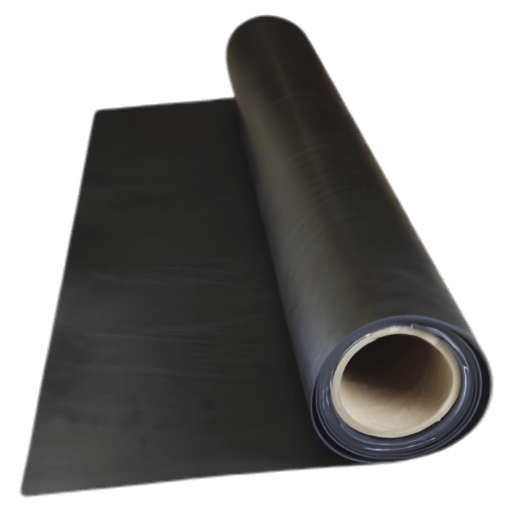
Das Aushärtungssystem (Vulkanisation) ist die am meisten unterspezifizierte Entscheidung im 1TP9 T-Gummiformen, und es stellt leise fest, wie lange eine Dichtung hält Zwei Systeme dominieren. Schwefelkur Schneller, billiger und leichter zu binden ist, aber seine Schwefelvernetzungen bei anhaltend hoher Hitze zerfallen. Peroxidkur Bildet stärkere Kohlenstoff-Kohlenstoff-Vernetzungen, die eine deutlich bessere Hitzebeständigkeit und eine geringere Druckverformung bieten, die Eigenschaft, dass eine statische Dichtung Jahre später gegen den Flansch drückt.
Wie groß ist die Lücke? Lieferanten und ein Gummiindustrie technisches Notebook Auf Härtungssystem-Auswahlbericht, dass peroxidgehärtetes 1TP9 T ungefähr eine Größenordnung längere Lebensdauer liefern kann als Schwefelhärten bei erhöhter Temperatur, zusammen mit einer besseren Retention des Kompressionssets Der Kompromiss: Peroxidverbindungen kosten mehr, härten langsamer aus und binden sich weniger leicht an Metall, weshalb die Auswahl der Härtung und die Wahl des Verfahrens miteinander verbunden sind Eine hochwertige 1TP9 T-Verbindung wird sowohl durch ihre verifizierte Aushärtung als auch durch ihre rohen Gummiverbindungen definiert, und eine gut hergestellte 1TP9 T-Gummimischung behält ihre Dichtkraft lange nachdem eine schlecht ausgehärtete entspannt ist.
“Ein unzureichend gehärtetes EPDM-Siegel ist der Fehler, den wir für die meisten beobachten, weil es den falschen Test besteht. Es kann eine visuelle und dimensionale Prüfung des ersten Artikels bestehen und dennoch etwa ein Jahr nach Beginn der Inbetriebnahme die Siegelkraft verlieren, wenn das Vernetzungsnetzwerk unter Hitze reagiert.”Deshalb überprüfen wir die Aushärtungsrate und die Abbrennzeit auf einem Rheometer für die bewegliche Düse für jede zusammengesetzte Charge, nicht nur bei Teilgenehmigung”
Technische Anmerkung
Geben Sie die Peroxidhärtung an, wenn das Teil eine kontinuierliche Hitze über ~120 °C sieht oder eine enge, auf Druck eingestellte Grenze einhalten muss (z. B. eine statische Strebdichtung, die sich nicht entspannen kann).Angeben Sie die Schwefelhärtung für kostenempfindliche Wetterstreifen und dynamische Teile bei mäßiger Temperatur oder wenn eine starke Gummi-Metall-Verbindung im Vordergrund steht. Geben Sie das Härtungssystem auf der Zeichnung an, überlassen Sie es nicht der Standardeinstellung des Formers.
Geformte EPDM-Teile und wo sie verwendet werden
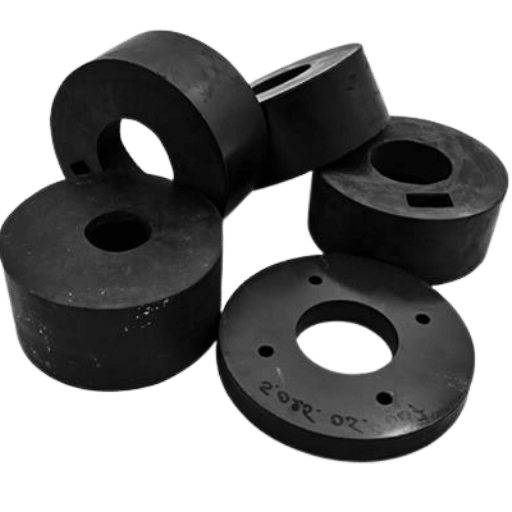
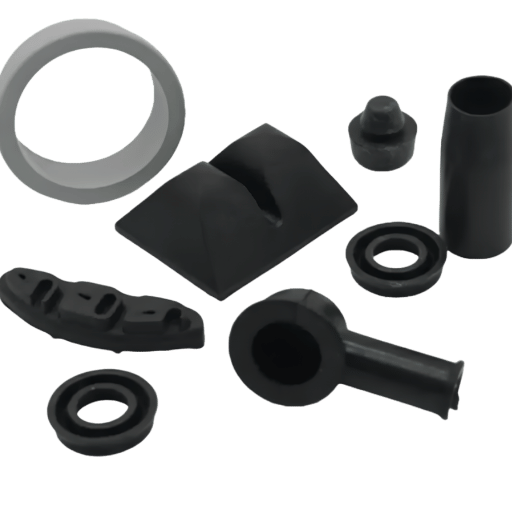
Geformtes 1TP9 T taucht überall auf, wo ein Teil jahrelang Wetter, Wasser oder Dampf zurückhalten muss Zu den gängigen geformten 1TP9 T-Gummiprodukten gehören:
- ✔ Dichtungen, O-Ringe und Gesichtsdichtungen
- ✔ Ösen, Buchsen und Isolatoren
- ✔ Membranen, Blasebälge und Ventilsitze
- ✔ Weatherstrip, Unterlegscheiben und verklebte Gummi-Metall-Teile
| Industrie | Typische EPDM-Teile | Warum EPDM |
|---|---|---|
| Automobil | Weatherstrip, Kühlmittel-/Bremssiegel, Körpertüllen | Ozon + Glykol/Bremsflüssigkeitsbeständigkeit |
| HVAC / Gerät | Dampf - und Warmwasserdichtungen, Dichtungen | Warmwasser - und Dampfstabilität |
| Sanitär / Trinkwasser | Ventildichtungen, Anschlussdichtungen, O-Ringe | Wasserbeständigkeit + 1TP11 T/1TP10 T Verbindungen |
| Elektrisch / elektronisch | Gehäusedichtungen, Kabeltüllen | Wetterdichtung + elektrische Isolierung |
Bei diesen Outdoor-Anwendungen und industriellen 1TP9 T-Anwendungen ist der rote Faden die Haltbarkeit: Geformte Gummiprodukte wie 1TP9 T-Dichtungen, O-Ringe und Wetterstreifen überleben dort, wo die Umgebung nass, heiß oder sonnenexponiert ist Das breite Anwendungsspektrum für 1TP9 T, von Automobil-1TP9 T-Gummiteilen bis hin zu Sanitärventildichtungen, ist der Grund, warum großvolumige Produktionsläufe von geformten Gummiteilen dies so oft spezifizieren Für Käufer, die Gummiteile und -produkte vergleichen, gruppieren sich die gängigen Anwendungen von 1TP9 T-Gummianwendungen überall dort, wo die Ölbeständigkeit übertraf.
Anwendungsspezifische Details finden Sie in unseren Leitfäden zu Automobilgummi Teile Typen und Materialien und Elektrische und elektronische Gummiteile.
Ist 1TP9 T sicher für Trinkwasser oder Lebensmittelkontakt?
Ja, aber nur mit einer zertifizierten Verbindung, nicht “1TP9 T” im Allgemeinen Trinkwasserteile müssen eine 1TP9 T-Verbindung verwenden, die zertifiziert ist NSF/ANSI 61 Für Komponenten des Trinkwassersystems müssen sich wiederholte Teile mit Lebensmittelkontakt treffen FDA 21 CFR 177.2600 Für Gummiartikel Das Basispolymer ist geeignet; bei der Zertifizierung geht es um die Vollformulierung (Füllstoffe, Weichmacher, Aushärtungsrückstände) Fordern Sie immer die Zertifizierungsunterlagen der spezifischen Verbindung an, denn eine generische 1TP9 T-Qualität ist nicht automatisch konform.
Wenn NICHT EPDM anzugeben ist
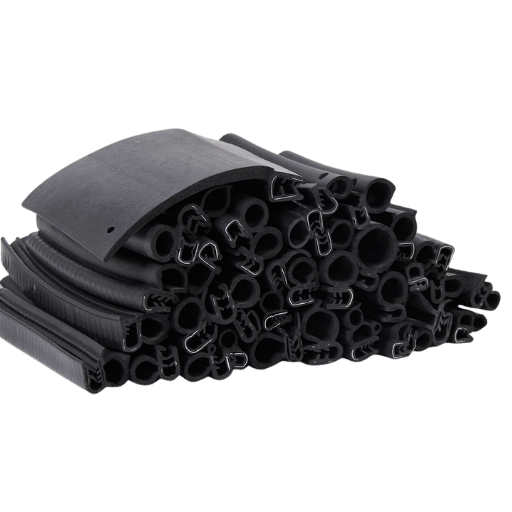
Die Vorteile von 1TP9 T Gummi, Wetter, Ozon, Wasser, und Dampfbeständigkeit bei geringen Kosten, machen es leicht, zu übervertrauen Die Vorteile der Verwendung von 1TP9 T Gummi sind real, aber die Wahl des richtigen 1TP9 T Gummi bedeutet respektieren, wo diese Vorteile von 1TP9 T stoppen Es wird scheitern, manchmal schnell, in der falschen Umgebung Disqualifikation 1TP9 T vor Werkzeug, wenn einer dieser sind wahr:
Geben Sie EPDM an, wenn
- Außen-, Ozon-, UV- oder Wettereinwirkung
- Heißes Wasser, Dampf, Glykol oder Bremsflüssigkeit
- Kostensensible Wetterdichtungen im Maßstab
Vermeiden Sie EPDM, wenn
- Jeder Kontakt mit Erdöl, Kraftstoff oder Fett
- Aromatische oder chlorierte Lösungsmittel
- Dauerhitze weit über der Aushärtungsdecke
️ Häufiger Irrtum: “wetterresistent” bedeutet “chemikaliensicher”
Dies ist nicht der Fall. Ingenieure führen eine geschwollene “Wetterdichtung”regelmäßig nicht auf ihre Konstruktion zurück, sondern auf eine benachbarte chemische Flüssigkeit. Äxte. Feldschmierstoff, Farbe, Klebstoff, die niemand auf der Zeichnung aufgeführt hat. 1TP widersteht dem Wetter und der Polartemperatur hervorragend und Öle furchtbar; Das sind separate Flüssigkeiten. Der umgekehrte Fehler ist genauso kostspielig: Es wurde dokumentiert, dass eine übermäßige Angabe von Viton in einer gutartigen Heißwasserleistung etwa 1.TP21T12.000 pro Jahr verschwendet, im Vergleich zu einer 1.TP9 T-Verbindung, die genauso lange gedauert hätte.
Wenn 1TP9 T ausfällt, sind die üblichen Ersatzstoffe Nitril (1TP13 T) für Umgebungsöl und Kraftstoff, oder Fluorelastomer (1TP14 T/Viton) für heißes Öl und aggressive Chemikalien Beide sind Standard Maßgeschneiderte Gummiteile Materialien, daher ist das Umschalten der Spezifikation eine zusammengesetzte Änderung und keine Neugestaltung.
So geben Sie ein EPDM-Formteil an
Eine vollständige Spezifikation ist, was eine vage Anfrage in ein genaues Angebot und einen Teil verwandelt, die beim ersten Mal funktionieren Für kundenspezifisches Gummiformen und insbesondere kundenspezifisches EPDM-Formen erledigen vier Informationen den größten Teil der Arbeit Senden Sie diese und ein Former kann Werkzeuge, Zyklus und Preis ohne ein Dutzend Folge-E-Mails zitieren.
EPDM-Spezifikations-Checkliste
- Zeichnung oder CAD + Toleranzgrad. Geben Sie eine RMA-Sorte an: A1 (hohe Präzision) bis A4 (Basis) Engere Sorten kosten mehr, fragen Sie nach A1 nur dort, wo eine Dichtfläche es braucht.
- Härte + Standard-Call-out. Geben Sie ein Durometer (z. B. 60 oder 70 Shore A) und idealerweise einen ASTM D2000-Leitungsausruf an, damit die Wärme- und Ölklasse festgelegt und nicht angenommen wird.
- Jahresvolumen. Dadurch werden der Prozess (Komprimierung vs. Transfer vs. Injektion), die Werkzeugentscheidung und die pro Jahr verbrauchte Menge an 1TP9 T festgelegt.
- Betriebsumgebung. Temperaturbereich, kontaktierte Flüssigkeiten und alle Anforderungen an Trinkwasser oder Lebensmittelkontakt (NSF/FDA).
Der 1TP8 T D2000-Line-Call-Out sieht kryptisch aus, ist aber logisch: Ein Typbuchstabe legt die Temperatur des Hitzebeständigkeitstests fest (A = 70 °C, B = 100 °C, C = 125 °C, D = 150 °C) und ein Klassenbuchstabe fixiert die Öl-Well-Beständigkeit. EPDM-Verbindungen landen normalerweise bei BA, CA oder DA, das nachgestellte “A” signalisiert keine Ölbeständigkeit, genau das, was die Chemie vorhersagt. Das Lesen des Call-outs verrät Ihnen die Elastomer-Familie, bevor Sie jemals ein Datasheet sehen. Für Geräte, die zur Bewertung der Beier-Beständigkeit in Gummimier-Labier-Beständigkeit in Gummimischverbindungen verwendet werden’ Ozontestkammer; Wählen Sie die Belichtungsbedingungen und Akzeptanzkriterien aus, um sie an die Materialspezifikation anzupassen.
Technische Anmerkung
Härte ist für sich genommen Leistungsspezifikation, es ist eine Eingabe Für einen O-Ring oder Gesichtsdichtung ist Design für 15 –2 TP20 T-Komprimierung (Quetschung) kein Standardbereich in O-Praxis und wählen Sie das Durometer, das es in Ihrer Nut erreicht, anstatt aus Gewohnheit auf 70 Shore A zu verzichten Werkzeug ist ein einmaliger Preis; Der Preis tritt einmalig auf. Bezahlen Sie also für eine enge Toleranz nur gegenüber den Merkmalen, die tatsächlich abdichten. So erhalten Sie ein hochwertiges Gummiteil, ohne zu viel für eine Qualitätsgummispezifikation zu bezahlen, die Sie nicht benötigen.
Der teuerste RFQ-Fehler ist eine unvollständige Spezifikation. Eine Zeichnung ohne Härter, ohne Toleranzgrad und ohne Betriebsflüssigkeit zwingt den Former zum Raten, und eine falsche Schätzung des Aushärtungssystems kann bedeuten, dass die Dichtung vor Ort Monate nach der ersten Artikelprüfung versagt. Die Ingenieure von Engelhardt überprüfen jede Spezifikation anhand der Toleranzstufen ASTM D2000 und RMA A1A4, bevor Werkzeuge geschnitten werden, genau um diese Lücken zu schließen.
Wenn die Spezifikation fertig ist, wird unser 1TP9 T Gummiformservice Kann es auf Herstellbarkeit prüfen und ein Aushärtungssystem und -verfahren empfehlen, das Ihrem Volumen entspricht.
EPDM Moulding Demand Outlook: Was sich ändert
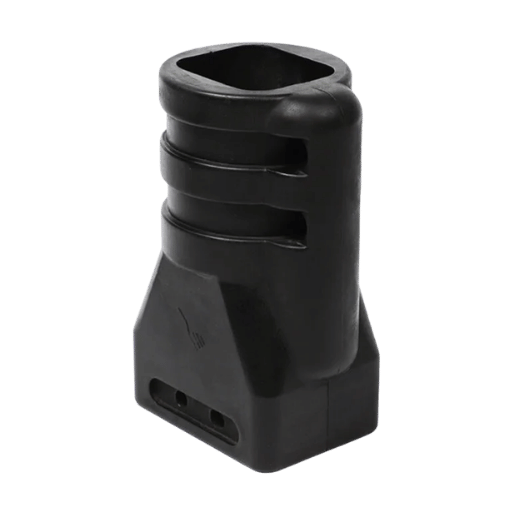
Die größte Verschiebung für 1TP9 T-Käufer ist keine marktgroße Zahl, es ist, wohin die neuen Dichtungen gehen Die Fahrzeugelektrifizierung erweitert die Rolle von 1TP9 T: Batteriepakete und Kühlmittelschleifen betreiben thermische Managementflüssigkeiten auf Glykolbasis, genau der polare Dienst, bei dem 1TP9 T herausragt und bei dem ölbeständige Kautschuke keinen Mehrwert bieten. Da die Wärmemanagementvolumina von Elektrofahrzeugen bis 2026 steigen, beträgt der Dichtungsgehalt, der in der Vergangenheit an ölbeständige Elastomere ging, zunehmend 1 TP9 T, da sich die Flüssigkeit von Öl zu Kühlmittel wandelte.
Ein zweiter Treiber ist die Einhaltung, nicht der Verbrauch Verschärfung der Durchsetzung der Trinkwasservorschriften (NSF/ANSI 61) drängt Käufer zu Former, die eine bestimmte Zertifizierung durchführen können Verbindungsformulierung, ‘noch nicht einfach ein ISO-Zertifikat an die Wand hängen Der praktische Effekt auf der RFQ-Stufe: Dokumentation wird Teil des Teils.
Das Risiko für Käufer ist ein kostspieliger Wechsel in der Mitte des Programms. Ein Elektrifizierungsteam, das eine 1TP9 T-Kühlmitteldichtung einschloss, ohne die Glykolkompatibilität zu bestätigen, musste sich einer Neuqualifizierung stellen, als versehentlich eine Ersatzqualität angegeben wurde, eine wochenlange Verzögerung, die eine einzelne Kompatibilitätsprüfung in der RFQ-Phase verhindert hätte.
Nur für den Marktkontext, Analysten setzen 1TP9 T und breiteres Gummiformungswachstum in den mittleren einstelligen CAGR-Bereich, Richtungshintergrund, kein Kaufgrund Die Kaufgründe liegen oben Diese Verschiebungen formen die Gummiformindustrie um: Käufer nehmen zunehmend 1TP9 T-Hersteller und Gummiformhersteller in die engere Wahl, deren Formdienstleistungen und Gummiformlösungen mit dokumentierter Compound-Kontrolle statt mit Rohstoffpreisen einhergehen Die Gummitechnologie bewegt sich in Richtung zertifizierter Formulierungen, nicht nur zertifizierter Fabriken. Aktion für die Programme 2026: Wenn Sie Dichtungen für ein Elektrofahrzeug-Wärmesystem beschaffen, bestätigen Sie die Glykol/Kühlmittel-Kompatibilität und fordern Sie die Dokumente des Aushärtungssystems und der NSF/FDA-Verbindung bei RFQ und nicht nach PPAP an.
1TP9 T Gummiform FAQ
F: Kann 1TP9 T geformt werden?
Antwort anzeigen
Ja. 1TP9 T wird durch alle drei Standard-Gummiverfahren, Spritz, Kompressions - und Transferformen, geformt In jedem Fall wird eine feste 1TP9 T-Verbindung erhitzt, bis sie fließt, in eine geschlossene Stahlform gezwungen und unter Hitze und Druck vulkanisiert Der Prozess, den Sie wählen, hängt von Ihrem Jahresvolumen und der Teilegeometrie ab, nicht von einer Einschränkung des Materials selbst Kompression passt auf geringe Volumina und große Dichtungen, während das Spritzgießen für hochvolumige Präzisionsdichtungen übernimmt.
F: Was bedeutet 1TP9 T in Gummi?
Antwort anzeigen
EPDM steht für Ethylen-Propylen-Dien-Monomer, die drei Monomere, die zusammen die Polymerkette aufbauen. Es handelt sich um einen synthetischen Kautschuk, dessen gesättigtes Grundgerüst eine hervorragende Ozon-, UV- und Wetterbeständigkeit verleiht, während die Dienkomponente die Vernetzungsstellen liefert, die zum Vulkanisieren in ein Teil erforderlich sind.
F: Wie lange hält 1TP9 T-Gummi?
Antwort anzeigen
In der richtigen Umgebung, Jahrzehnte Felduntersuchungen von einlagigen 1TP9 T Dachbahnen bestätigen 38-plus Jahre der Dienstzeit, und beschleunigte Alterungsstudien projizieren noch länger Geformte 1TP9 T-Dichtungen in Wetter, Wasser, oder Glykol halten routinemäßig die Lebensdauer der Ausrüstung Die Lebensdauer sinkt jedoch stark, wenn 1TP9 T Erdöl oder Kraftstoff berührt, oder läuft über seine Temperaturobergrenze des Aushärtungssystems.
F: Ist 1TP9 T Gummi wasserdicht?
Antwort anzeigen
Ja. 1TP9 T widersteht Wasser, heißem Wasser, und Dampf außergewöhnlich gut, weshalb es einlagige Dachbahnen und Dichtungen des Wassersystems verankert Im Gegensatz zu vielen ölbeständigen Kautschuken quillt es nicht bei längerem Wasser - oder Glykolkontakt auf, was es zu einem Standard für Nassversiegelung macht.
F: Wie verbindet man 1TP9 T-Gummi mit Metall?
Antwort anzeigen
Beim Formen geschieht das Kautschuk-zu-Metall-Bonden, der Metalleinsatz wird gereinigt, grundiert und mit einem Klebstoff beschichtet, dann in die Form gelegt, damit das 1TP9 T direkt dagegen aushärtet, das Transferformen passt besonders gut dazu Schwefelgehärtete Verbindungen verbinden sich im Allgemeinen leichter als peroxidgehärtete, was ein Grund dafür ist, dass Härtungssystem und Formverfahren gemeinsam gewählt werden Ein sauberer, gut grundierter Einsatz ist der Unterschied zwischen einer dauerhaften Bindung und einem Teil, der sich im Betrieb ablöst.
F: Ist 1TP9 T ein Gummi oder ein Kunststoff?
Antwort anzeigen
EPDM ist ein Gummi, speziell ein synthetisches Elastomer, einmal vulkanisiert ist es elastisch und springt nach der Verformung zurück, im Gegensatz zu einem starren Thermoplast, Es wird manchmal mit Kunststoff verwechselt, weil es synthetisch ist, aber mechanisch verhält es sich wie ein Gummi, was es genau macht nützlich für Dichtungen, Dichtungen, und Ösen.
F: Wie stark ist EPDM?
Antwort anzeigen
Die Zugfestigkeit von EPDM liegt typischerweise bei 500 3.000 psi (ca. 3 21 MPa), abhängig von der Verbindung und dem verstärkenden Füllstoff, mäßig unter den Kautschuken, unterhalb der Spitze von Naturkautschuk, aber ausreichend für die Dichtleistung. Seine tatsächliche technische Festigkeit ist Haltbarkeit, nicht roh Zug: hervorragende Beständigkeit gegen Ozon, UV, Witterung, heißes Wasser und Druckverformungsset, insbesondere bei Peroxidaushärtung. Bei Dichtungsteilen ist diese Alterungsbeständigkeit weitaus wichtiger als eine Zugzahl, weshalb 1 TP9T durch die Betriebsumgebung angegeben wird. Wenn Sie die Qualitäten vergleichen, fragen Sie den Lieferanten nach dem Drucksetwert, der gemessen pro 1, der Dichtwert, der gemessen pro 20 20 20 2.
Bereit, ein 1TP9 T-Teil zu zitieren Senden Sie eine Zeichnung, Zielhärte, Jahresvolumen und Betriebsumgebung für eine Überprüfung der Herstellbarkeit durch unser Ingenieurteam.
Über diesen EPDM-Leitfaden
1TP2 T formt 1TP9 T und andere Elastomere im eigenen Haus auf 40+ Vulkanisierpressen (~2.000 Tonnen/Jahr) mit einer 3.600 m² großen Formwerkstatt und einem Labor vor Ort, das Mooney-Viskosität, Rheometer-Härtungskurven mit beweglicher Form, Salzsprühen und Wärmealterung auf jeder Verbindung durchführt Die Härtungsverifizierung und die Beobachtungen über/unter-Härtung in diesem Artikel stammen aus dieser Chargentestpraxis. Vom 1TP2 T-Technikerteam überprüft.
Referenzen und Quellen
- 1TP9 T Gummi, Zusammensetzung und EigenschaftenWikipedia
- ASTM D2000 Standardklassifikation für GummiprodukteASTM International
- NSF/ANSI 61: Komponenten des TrinkwassersystemsNSF International
- 21 CFR 177.2600, Gummiartikel zur wiederholten VerwendungElektronischer Code der Bundesvorschriften der USA
- Umspritzgegossene 1TP9 T Gummi-zu-Metall-gebundene Dichtung (EP0142930A2)Google Patente
- Auswahl des Heilsystems, Technisches NotizbuchGumminachrichten