
Treten Sie mit Engelhardt in Kontakt

ISO 9001 · IATF 16949 · FDA Zertifiziert
Kundenspezifisches Gummiformen
Maßgeschneidertes Gummiformen, präzise konstruiert für Leistung
Guangdong 1TP2 T Gummi - & Kunststofftechnologie
Guangdong 1TP2 T Rubber & Plastic Technology ist ein zuverlässiger Hersteller von kundenspezifischen geformten Gummiprodukten für Automobil, Medizin, Luft - und Raumfahrt, und industrielle Anwendungen Mit unserer globalen Kapazität und jahrelangen Erfahrung helfen wir bei Präzisionskomponenten vom Prototypen bis zur Massenproduktion.
15+
Jahre Erfahrung
3000T
Jährliche Gummiproduktion
500+
Formsätze / Jahr
80+
Vulkanisiermaschinen
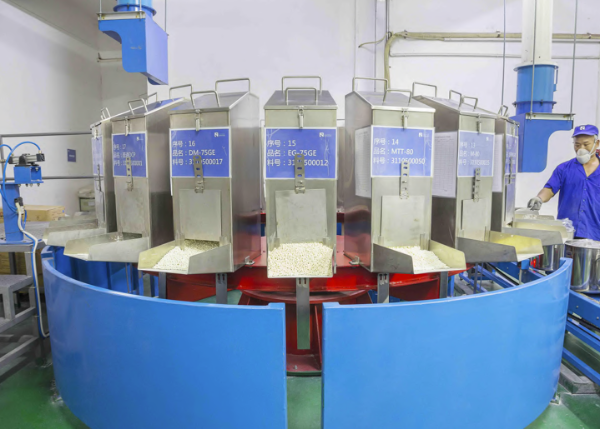
Verstehen
Was ist Custom Gummiform?
Wenn gummibonierte Komponenten für Baugruppen benötigt werden, beinhaltet der Prozess die Integration von Gummi und Kunststoff Ingenieure kommunizieren Design, Härte und Leistungsanforderungen Dies ermöglicht es, den Gummi für optimale Leistung unter Temperaturwechsel, chemischer Einwirkung und Vibration zu entwerfen.
Die spezifische Anwendung für die Gummikomponenten, für die die Anforderungen an Dichtungen, Dichtungen, O-Ringe, Ventilsitze, Membranen oder Halterungen gelten, ist für diese spezielle Anwendung konzipiert. Ob es sich um einen einzelnen Prototyp oder eine Großserie handelt, maßgeschneidertes Gummiformen kombiniert Materialwissenschaften, Verfahrenstechnik und Präzisionsformen, um zuverlässige Gummiprodukte für extreme Bedingungen zu liefern.
Bei Engelhardt-Meitu arbeiten unsere Ingenieure direkt mit jedem Kunden zusammen, um die Geometrie, Toleranzen und Leistungsspezifikationen jedes Gummiteils und jeder Gummimontage zu definieren. Mit über 15 Jahren Erfahrung und internen Fähigkeiten in den Bereichen Gummimischung, Formenbau, Vulkanisation und Qualitätskontrolle liefern wir vollständig zertifizierte Gummiprodukte.
Schlüsselfähigkeiten auf einen Blick
- Formpressen, Spritzgießen & Transferformen
- Dienstleistungen zum Einfügen von Form- und Gummiumformungen
- Gummi-Metall-Bindung (chemisch und mechanisch)
- Große Auswahl an Silikon, 1TP9 T, Nitril, Viton & kundenspezifischen Verbindungen
- Prototyp zur Großserienproduktion (3.000+ Tonnen/Jahr)
- Vollautomatisches Upstream-Mischen mit zentraler Computersteuerung
- 500+ Formsätze jährlich im eigenen Haus produziert
- Fortschrittliches Messlabor mit chemischen und physikalischen Tests
- 1TP10 T, 1TP6 T, 1TP11 T, 1TP7 T, 1TP19 T konforme Produkte
- Prototypenlieferung in bis zu 2 Wochen
Qualitätssicherung
Qualitätskontrolle bei der Herstellung kundenspezifischer Gummiteile
Qualitätskontrolle in Custom Rubber Moulding bietet Zuverlässigkeitssicherung von der Prototypenphase bis zur Produktion Wir verwenden ein umfangreiches Qualitätskontrollsystem für jedes Gummiteil, um die Einhaltung der Vorschriften für Transport, medizinische und Luft- und Raumfahrtanwendungen sicherzustellen.
01
Eingehende Inspektion
Überprüft die Zertifizierung der Verbindung, die Rohstoffeigenschaften und die Rückverfolgbarkeit der Chargen, bevor ein Material in Produktion geht.
02
Inprozesskontrollen
Das MES-System überwacht Formparameter, Hohlraumbalance, Aushärtungszustand und Pressbedingungen in Echtzeit für jeden Produktionslauf.
03
Präzisionsmetrologie
Bestätigt Abmessungen, Härte (Shore A/D) und Oberflächenintegrität für jede Gummikomponente, einschließlich komplizierter Merkmale und gebundener Schnittstellen.
04
Funktionstests
Bewertet den Kompressionssatz, die Leckleistung für Dichtungen und Dichtungen sowie die Widerstandsfähigkeit unter thermischen und chemischen Expositionsbedingungen.
05
Statistische Prozesskontrolle
SPC erkennt Schwankungen, identifiziert Trends in aufeinanderfolgenden Produktionsläufen und implementiert Korrekturen, bevor Mängel versendet werden.
06
Dokumentation & Rückverfolgbarkeit
Vollständige Rückverfolgbarkeit von der Rohstoffpartie bis zum fertigen, individuell geformten Gummiprodukt mit Konformitätszertifikaten für jede Sendung.
Unsere Zertifizierungen und Compliance-Standards
ISO 9001
IATF 16949
FDA
LFGB
NSF
UL
ASTM
WRAS
KTW
IAPMO
Formfähigkeiten
Kundenspezifische Gummiformdienste für das gesamte Spektrum
Vom Formpressen bis zum Spritzgießen decken unsere Präzisionsfähigkeiten jeden Herstellungsprozess ab, der zur Herstellung kundenspezifischer Gummikomponenten für die anspruchsvollsten Anwendungen in einer Vielzahl von Branchen erforderlich ist.
Kompressionsformen
Ideal für mittelgroße bis große geformte Gummiteile mit engen Toleranzen Wir pressen vorgeformte Gummimischung unter hohem Druck direkt in beheizte Formhohlräume und erzeugen so langlebige Dichtungen, Dichtungen und Membranen im Maßstab.
Spritzguss
Das präzise Einspritzen von Elastomerverbindungen in komplizierte Formgeometrien ermöglicht die Produktion komplexer Gummikomponenten in großen Mengen aus medizinischen O-Ringen für Kraftfahrzeuge zu Silikonbaugruppen in medizinischer Qualität mit außergewöhnlicher Konsistenz.
Transferformen
Durch die Kombination der besten Kompressions- und Spritzverfahren wird das Transferformen für das Einsetzen von Formen, gummibonierten Metallkomponenten und Präzisionsteilen mit mehreren Hohlräumen entwickelt, die in geschäftskritischen Luft- und Raumfahrt- und Verteidigungsanwendungen verwendet werden.
Flüssigspritzguss
Unsere Fähigkeit aus flüssigem Silikonkautschuk (1TP15 T) liefert medizinische und lebensmittelgerechte Silikonkomponenten mit blitzfreier Präzision. Perfekt für Hochleistungsanwendungen, die Wärmebeständigkeit und chemische Beständigkeit in einer Vielzahl von Umgebungen erfordern.
Maßgeschneiderte geformte Gummiprodukte, die wir herstellen
Standard-O-Ringe
Benutzerdefinierte Dichtungen
Dichtungen und Flansche
Membranen
Ventilsitze und -komponenten
Vibrationshalterungen
Gummibonded Metallteile
Silikon-Tastaturen
Buchsen und Stoßstangen
Geformte Gummiteile
Kundenspezifische Gummidichtungen
Fügen Sie geformte Baugruppen ein
Warum Engelhardt-Meitu
Ihr vertrauenswürdiger kundenspezifischer Gummilieferant
Wir konzentrieren uns auf die Entwicklung, Herstellung und Herstellung kundenspezifischer Produkte aus Gummi, Kunststoff und Silikon. Unser umfassendes Wissen in diesem Bereich, kombiniert mit fortschrittlicher Fertigungstechnologie, positioniert uns als beste Option für Ihre schwierigsten Herausforderungen.
Hausinterne Fertigung
80+ Acres, 26.000 m² Fabrik mit voller Eigenleistung, vom Compound-Mischen bis zur fertigen Produktmontage Alle Formen werden unabhängig voneinander entworfen und hergestellt.
Qualität & Compliance
1TP4 T, 1TP3 T, mit einem chemischen und physikalischen Labor Produkte erfüllen die 1TP10 T, 1TP6 T, 1TP11 T, 1TP19 T, und 1TP8 T regulatorischen Anforderungen in einer Vielzahl von Branchen.
Präzisionstechnik
500+ Formsätze jährlich mit Makino, Roeders, und Standy CNC-Geräten. 24/7 Formpflege gewährleistet Präzisionsformen mit enger Toleranz für jede Komponente.
Globale Skala
Mit unserer neuen 200 Hektar großen Thailand-Produktionsbasis (60.000 m² Anlage) bieten wir erweiterte Kapazitäten für die Produktion in großen Stückzahlen und eine optimierte Lieferkette für globale Kunden.
Branchen, denen wir dienen
Kundenspezifische Gummikomponenten für jede Branche
Wir fertigen maßgeschneiderte Gummiprodukte und präzisionsgeformte Teile für ein breites Anwendungsspektrum in nahezu allen wichtigen Industriezweigen.
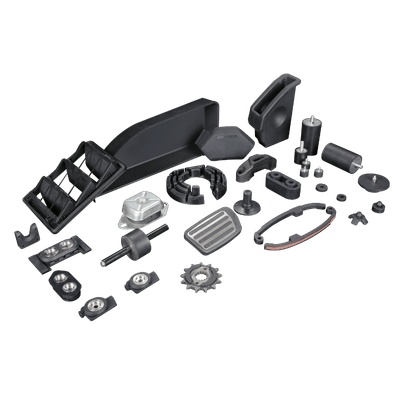
Automobil
Wir entwerfen Motorlager, Dichtungen, Dämpfer, Ventilteile und maßgeschneiderte Gummikomponenten, die auf extreme thermische und chemische Beständigkeit ausgelegt sind.
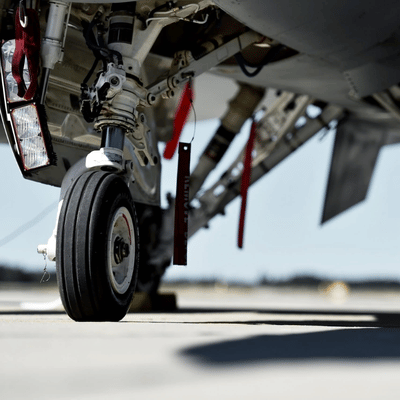
Luft- und Raumfahrt und Verteidigung
Kritische Missionskautschukkomponenten für Luft - und Raumfahrt und militärische Nutzung Von Dichtungen für Kraftstoffsysteme bis hin zu Umweltdichtungen, die AS9100 D und ITAR entsprechen.
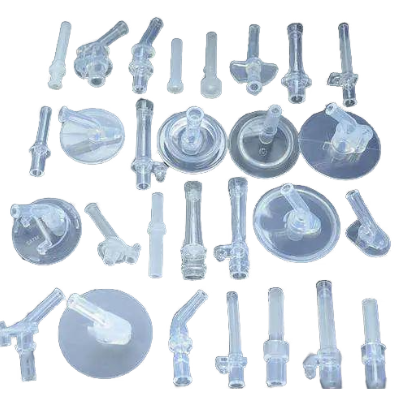
Medizin & Gesundheitswesen
Komponenten aus Silikonkautschuk und Elastomeren, die den 1TP10 T-Vorschriften für medizinische Geräte, chirurgische Werkzeuge und pharmazeutische Geräte entsprechen und höchste Zuverlässigkeit erfordern.
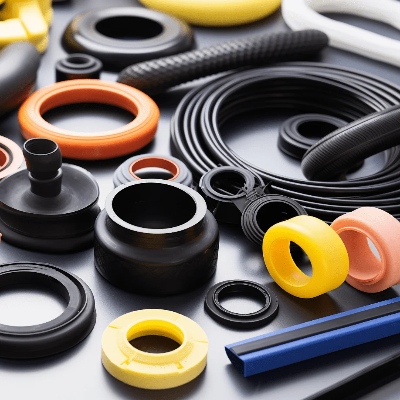
Öl & Gas
Komponenten für Öl und Gas, die eine hervorragende Leistung erbringen, einschließlich maßgeschneiderter geformter Gummikomponenten, Dichtungen und Membranen, sind für extreme Druck- und chemische Umgebungen konzipiert.
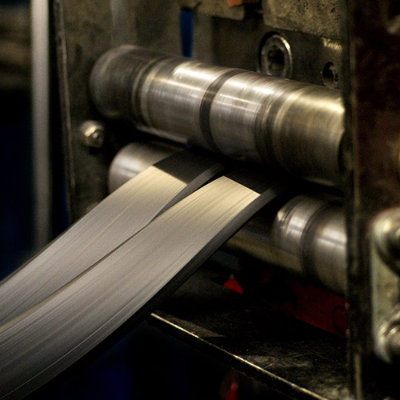
Industrielle Ausrüstung
Gummiteile für das Präzisionsformen für schwere Maschinen, Fertigungs- und Transportgeräte, die die Lebensdauer der Geräte verlängern und den Reparaturbedarf verringern.
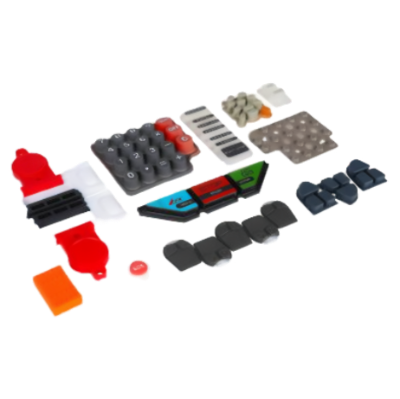
Elektronik
Maßgeschneiderte EMI-Dichtungen, Tastaturen und Schutzdichtungen für Steckverbinder, die auf die Elektronikindustrie zugeschnitten sind.
Unser Prozess
Kundenspezifische geformte Gummiteile vom Konzept bis zum fertigen Produkt
Unser optimierter Fertigungsprozess bietet das beste Kundenerlebnis von der ersten Konzept- und Materialauswahl bis hin zur Werkzeug- und Großserienproduktion.
01
Beratung
Der Ingenieur überprüft Ihre Spezifikationen, Toleranzen und Anwendungsanforderungen
02
Materialauswahl
Experten-Compound-Empfehlung basierend auf Umgebung und Leistung
03
Formdesign
Inhouse Präzisionsformdesign mit fortschrittlichem CAD/CAM
04
Prototyp
Schneller Prototyp zur Validierung, bevor er sich für Produktionswerkzeuge einsetzt
05
Produktion
Skalierbar von der Produktion mit geringem Volumen zur Produktion mit hohem Volumen und voller Qualitätskontrolle
06
Lieferung
Montage, Inspektion und globale Logistik für Ihre fertigen Produkte
Kundenfallstudien
Wie wir Herausforderungen beim Formen von Gummi in der Praxis lösen
Unser Ingenieurteam ist für die Bereitstellung bequemer, anwendungsspezifischer, maßgeschneiderter Gummilösungen verantwortlich, die branchenübergreifend die anspruchsvollsten Spezifikationen erfüllen.
Automobil-Dichtungssysteme
Kundenspezifische EPDM-Gummidichtungen für Hochtemperatur-Motorraumanwendungen
Herausforderung
Ein europäischer Tier-1-Automobilzulieferer erlebte einen frühen Ausfall von Motorraumdichtungen aufgrund minderwertiger Tier-2-1TP9 T-Dichtungen, die über 18 Monate oder mehr des Betriebs über 140 Grad Celsius (mit plötzlichen Unterbrechungen aufgrund von Garantieansprüchen) Risse bekamen, dann austraten und Öl spinnen ließen. Sie brauchten einen maßgeschneiderten Gummiformpartner, der liefern konnte. Die wichtigsten Anforderungen waren konsistente 1TP9 T-Dichtungen mit größerer thermischer und chemischer Beständigkeit und eine vollständige Zertifizierung auf 1TP3 T bei einem Zielvolumen von 750.000 Einheiten pro Jahr.
Unsere Lösung
Eine peroxidgehärtete 1TP9 T-Verbindung mit verbesserten wärmegealterten Kompressions-Set-Eigenschaften wurde von unserem Ingenieurteam entwickelt und durch 2000-stündige beschleunigte Alterungstests in unserem hauseigenen Labor validiert, wiederholte Form-Fluss-Analyse und Prozessparameteroptimierung für eine Spritzgussform mit 16 Hohlräumen drängten die Produktionsqualität über die Kundenspezifikationen hinaus Eine vollautomatische zentrale Mischanlage wurde eingesetzt, um die größte Übereinstimmung unter den einzelnen Chargenvorbereitungssystemen sicherzustellen, so dass bestehende Betriebsabläufe mit äußerster Zuverlässigkeit über den gesamten Jahresvertrag hinweg durchgeführt werden Ihre PPAP-Dokumentation, MSA, und spezifische 1TP3 T-Validierung wurden schließlich durch Vertragsreife innerhalb des 10-Wochenfensters innerhalb des 10-Fenders durch Vertragsreife innerhalb des 10-Fensters von der 10-Fen-Zeitfenster von der Werkzeugbearbeitung abgewickelt.
Medizinische Geräte, chirurgische Pumpenkomponenten
1TP10 T-konforme Flüssigsilikonkautschukmembranen für Infusionspumpensystem
Herausforderung
Ein amerikanischer Hersteller pharmazeutischer Hardware suchte nach medizinischen Silikonkautschukmembranen für eine Infusionspumpe der GenerationDie Kautschukteile mussten hoch biokompatibel, platingehärtet flüssiger Silikonkautschuk (1TP15 T) mit extrem engen Toleranzen (±0,03 mm Wandstärke), niedrigen Extraktionsmitteln gemäß den Standards der USP-Klasse VI und voller FDA 21 CFR-Konformität sein Der bestehende inländische Lieferant konnte die erforderlichen Toleranzen bei 200 K Einheiten pro Jahr nicht einhaltenDas führte zu Fehlern bei der Pumpenkalibrierung während der Testvalidierung.
Unsere Lösung
Wir entwarfen eine Präzisions-1TP15 T-Spritzgussform mit 8 Hohlräumen mit Kaltlaufsystem und vakuumunterstützter Entlüftung, hergestellt in unserer mit Makino ausgestatteten Formwerkstatt Das Dünnwandmembrandesign (0,4 mm) erforderte eine Durchflussanalyse im Mikromaßstab, um eine vollständige Hohlraumfüllung ohne Blitz zu gewährleisten Unser Qualitätsteam etablierte einen dokumentierten Herstellungsprozess mit eingehender Silikonzertifizierung, SPC auf Hohlraumebene und 1001TP20 T-Dimensionsprüfung mittels optischer Messtechnik Alle Materialien wurden mit vollständiger 1TP10 T-konformer Dokumentation beschafft, und in unserem chemischen Labor wurden extrahierbare/auslösbare Tests durchgeführt.
Ingenieurwerkzeuge
Interaktive Werkzeuge für kundenspezifisches Gummiformen
Nutzen Sie unsere kostenlosen Engineering-Tools, um Formprozesse zu vergleichen, die richtige Elastomerverbindung auszuwählen und die Produktionskosten für Ihr maßgeschneidertes Gummiprojekt abzuschätzen.
Gummi- und Elastomerverbindungsselektor
Filtern und vergleichen Sie Elastomerverbindungen, einschließlich Silikon, 1TP9 T, Nitril, mehr TPTP14 T, Temperatur, chemische Beständigkeit, und Industriekonformität, um das richtige Material für Ihre Anwendung zu finden.
Vergleichskatrix für den Formprozess
Vergleichen Sie Kompression, Transfer und Flüssigkeitsspritzguss Seite an Seite mit den Nebenabschnitten. Bewerten Sie die Prozesszeit, die Werkzeugkomplexität und den idealen Volumenbereich, um das optimale Projekt auszuwählen.
Häufig gestellte Fragen (FAQs)
Durch kundenspezifisches Gummiformen können Ingenieure Dichtungen entwerfen, die auf bestimmte Ventilgeometrien und Betriebsbedingungen für Öl- und Gaskomponenten zugeschnitten sind, wodurch die Leckminderung verbessert und die Lebensdauer der Ausrüstung verlängert wird. Durch die Auswahl geeigneter Elastomere und die entsprechende Gestaltung der Form können Hersteller die Normativität und die Herausforderungen der Umgebung angehen und gleichzeitig ein Produkt liefern, das den Standard-O-Ringen überlegen ist und einen äußerst anspruchsvollen Service bietet.
Ja, kundenspezifische gummigeformte Einsätze werden häufig in Luft- und Raumfahrt- und Verteidigungsbaugruppen zur Vibrationsdämpfung, EMI-Abschirmung und Umgebungsabdichtung verwendet. Eigene Werkzeuge in Kombination mit einem kontrollierten Produktionsprozess gewährleisten die strikte Einhaltung strenger regulatorischer Anforderungen und die Rückverfolgbarkeit und ermöglichen die Herstellung äußerst zuverlässiger Komponenten für kritische Systeme.
Das Pressformen eignet sich gut für die Produktion mittlerer bis hoher Stückzahlen, da es die kürzesten Zykluszeiten und die gleichmäßigsten Bedingungen für das Formpressen oder Transferformen bietet Für Unternehmen, die eine Produktion mit hohem Volumen anstreben, führt die Kombination von Pressentechniken und effizienten internen Prozessen zu einer erheblichen Reduzierung der Kosten pro Stück, während die Qualität bei einer Vielzahl von Komponenten erhalten bleibt, von Dichtungen bis hin zu komplizierten Umspritzungen.
Kautschukbaugruppen im Gesundheitswesen müssen unter Berücksichtigung von Biokompatibilität, Sauberkeit und Sterilisation entworfen werden. Maßgeschneiderte Gummiformungen ermöglichen die Auswahl von Verbindungen in medizinischer Qualität und die Prozesskontrolle, um Baugruppen zu schaffen, die den gesetzlichen Anforderungen und der Kundenzufriedenheit in klinischen Umgebungen entsprechen und gleichzeitig eine konsistente Produktverwendung gewährleisten.
Ja, kundenspezifische Formteile können so gestaltet werden, dass sie mit Standard-O-Ringen und handelsüblichen Komponenten in Kontakt kommen. Ingenieure können Passmerkmale und Toleranzen entwerfen, um sicherzustellen, dass kundenspezifische Komponenten nahtlos in die Montage integriert werden und die Austauschbarkeit erhalten bleiben, während ein handelsüblicher Gummi-O-Ring möglicherweise besser passt.
Maßgeschneiderte gummigeformte Teile tragen dazu bei, dass die Ausrüstung länger hält, indem sie den Verschleiß und die Anzahl der Ausfälle reduzieren. Wenn Gummiteile (z. B. Dichtungen und Einsätze) so konzipiert sind, dass sie extremen Bedingungen (hohe Temperaturen, starker Abrieb und korrosive Chemikalien) standhalten, ist die Ausrüstung wartungsärmer, was bei industriellen Anwendungen, bei denen die Ausrüstung vor Ort ist, von entscheidender Bedeutung ist.
Zu den wichtigsten Überlegungen gehören die Auswahl von Gummimischungen, die Konstruktion von Gummiformen, die Auswahl des Formprozesses (Einspritzung, Transfer oder Kompression/Presse), Qualitätssicherung und - kontrolle sowie alle sekundären Prozesse, die für die Teile nach dem Formen erforderlich sind Betrieblich gesehen ermöglicht das Einbringen der Produktion im eigenen Haus die Kontrolle über die Vorlaufzeiten und das Änderungsmanagement, gewährleistet die Einhaltung der geltenden Vorschriften und ermöglicht schnelle Anpassungen, um das Produkt zu optimieren und das Endkundenerlebnis zu verbessern.
Ja. Kundenspezifische Gummiformung kann mehrere Elastomere und Geometrien, einschließlich Multi-Hydurometer-Komponenten, Umspritzungen und Einlegekleben, durchführen Dies ermöglicht es Herstellern, Baugruppen für das Gesundheitswesen, die Luft- und Raumfahrt sowie die Verteidigung anzupassen, indem sie Abdichtung, Dämpfung und Vibrationsisolierung in einer einzigen Komponente integrieren.