
Treten Sie mit Engelhardt in Kontakt

Kundenspezifische Silikonteile LSR, Kompression und festes Silikonformen
Flüssige, feste Silikon-Spritz- und Formpressprodukte mit vollständig bewährtem Erstlingswerk werden an einem Standort in Zhongshan, China, in Produktion genommen.
1TP2 T hat seit 2009 geformtes Silikon Unser Qualitätssystem trägt sowohl 1TP4 T als auch 1TP3 T, die Automobil-Qualitätsnorm, die die meisten Lohnsilikongeschäfte selten anstreben.

Spezifikationen und Fähigkeiten
3
Formverfahren (1TP15 T / fest / Kompression)
150 1200T
Presstonnagebereich
2200×1200
Maximale Formgröße (mm)
10–80
Durometerbereich (Shore A)
~1.000 t
Silikon geformt pro Jahr
ISO 9001, IATF 16949
Zertifiziertes Qualitätssystem
SYS.PROCUREMENT_ANALYSE
Die tatsächlichen Kosten für die Beschaffung kundenspezifischer Silikonteile
Das offensichtliche Problem bei der Beschaffung kundenspezifischer Silikonteile besteht darin, Ihre ersten Angebote einzuholen und dann einen Beschaffungsmanager zu finden, der denkt, dass er einen günstigen Stückpreis in China erzielt hat. Dann erscheinen plötzlich die zusätzlichen Werkzeugkosten, der Versand usw., zusammen mit einem teure Wiederholung, nachdem Sie einen ersten Artikel außerhalb der Spezifikation bestellt haben.
Aus Ihrer Zeichnung geformt, nicht aus einem Regal gepflückt: Die drei Kategorien von kundenspezifischen Silikonteilen umfassen unter anderem O-Ringe, Dichtungen, Dichtungen, Membranen, Tastenbeläge und umspritzte Baugruppen Es gibt drei verschiedene Formverfahren: Die Teileform, die von Ihnen benötigte Menge und Ihre Produkttoleranzen führen Sie möglicherweise zu einem Prozess gegenüber dem anderen Die Wahl des falschen Verfahrens - oder eines Formers, der nur mit einem Prozess formt, treibt aber Ihre gesamten Projektkosten langsam, aber stetig in die Höhe.
[MATERIALSPEZIFIKATIONEN]
Kategorie Notiz, was “Silikon” kauft
Temperaturgrenzen Dieses Silikon bietet eine Nutzungsdauer von etwa -50° bis +250°, bei speziellen Verbindungen sogar bis zu 300°C. Beständig gegen Ozon, UV und Verwitterung, wird das Wachstum von Mikroorganismen nicht unterstützen und leicht in medizinischer & Lebensmittelqualität produziert werden.
Jede der Silikonverbindungen kann auch extrudiert werden, um kontinuierliche Röhren oder Abschnitte zu bilden, aber um feste, maßgeschneiderte Teile herzustellen, formen Sie die Komponenten. Diese Reihe von Eigenschaften ermöglicht es Ihnen, Standardkautschuk durch Silikon in Ihren Dichtungs-, Elektro- und Medizinproduktlinien zu ersetzen.
Warum die meisten Zitate die wichtigen Teile verbergen
Wir haben von unseren Käufern gehört – und öffentliche Beschaffungsthreads bestätigen dies. „Es geht fast nie um die Komponente. Es geht um die fehlenden Daten darüber.
-

DATEN.RISK_01
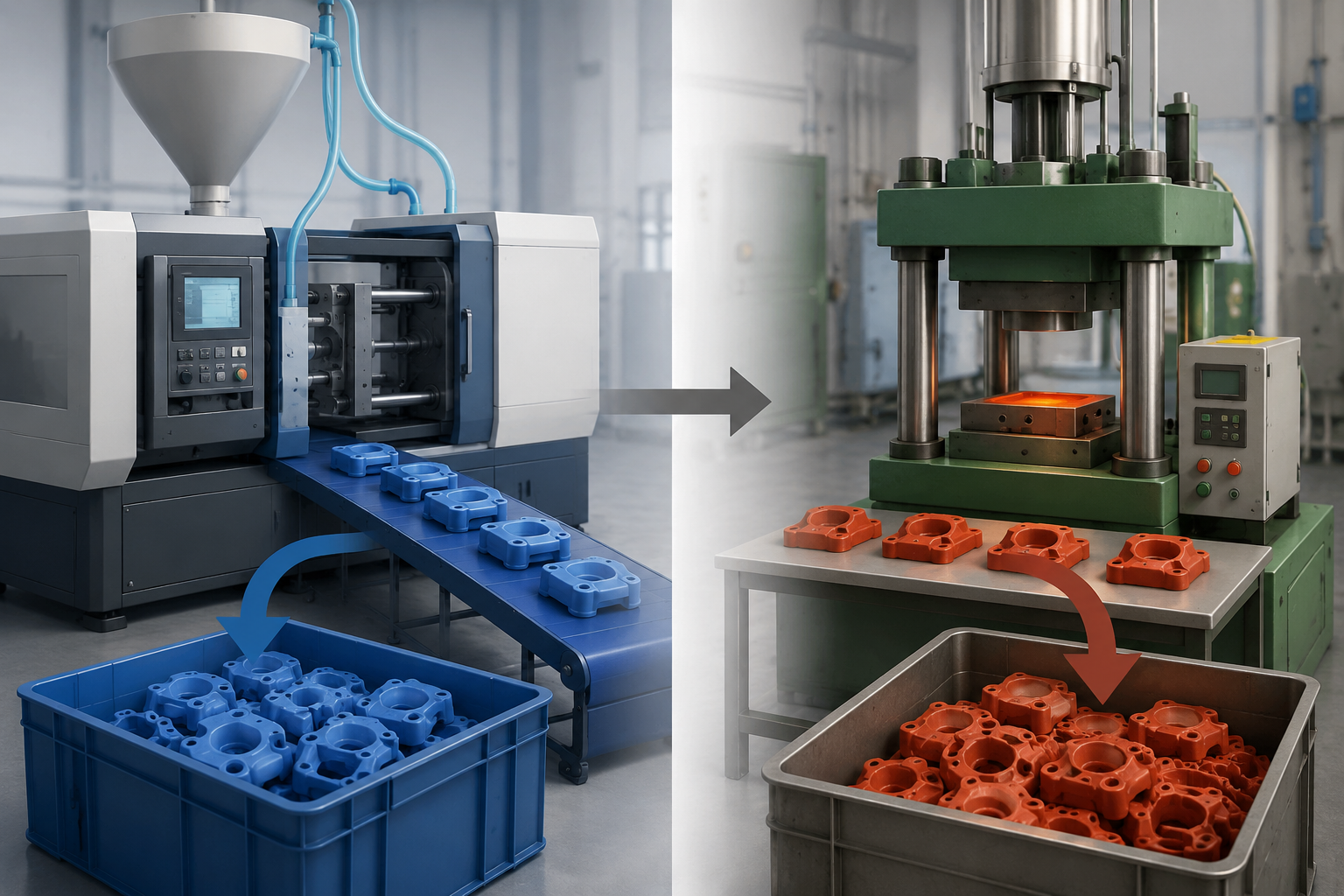
Tooling, MOQ & Vorlaufzeit werden im Zitat gar nicht erwähnt, und das eigentliche Engagement wird ausgeblendet, bis es zu spät ist, etwas dagegen zu unternehmen.
-
DATEN.RISK_02
Die meisten Läufe sind Einzelverfahren Ein 1TP15 T-only Former leitet Teile auf 1TP15 T auch für Teile, für die Kompressionsformen weniger teuer wäre.
-
DATEN.RISK_03
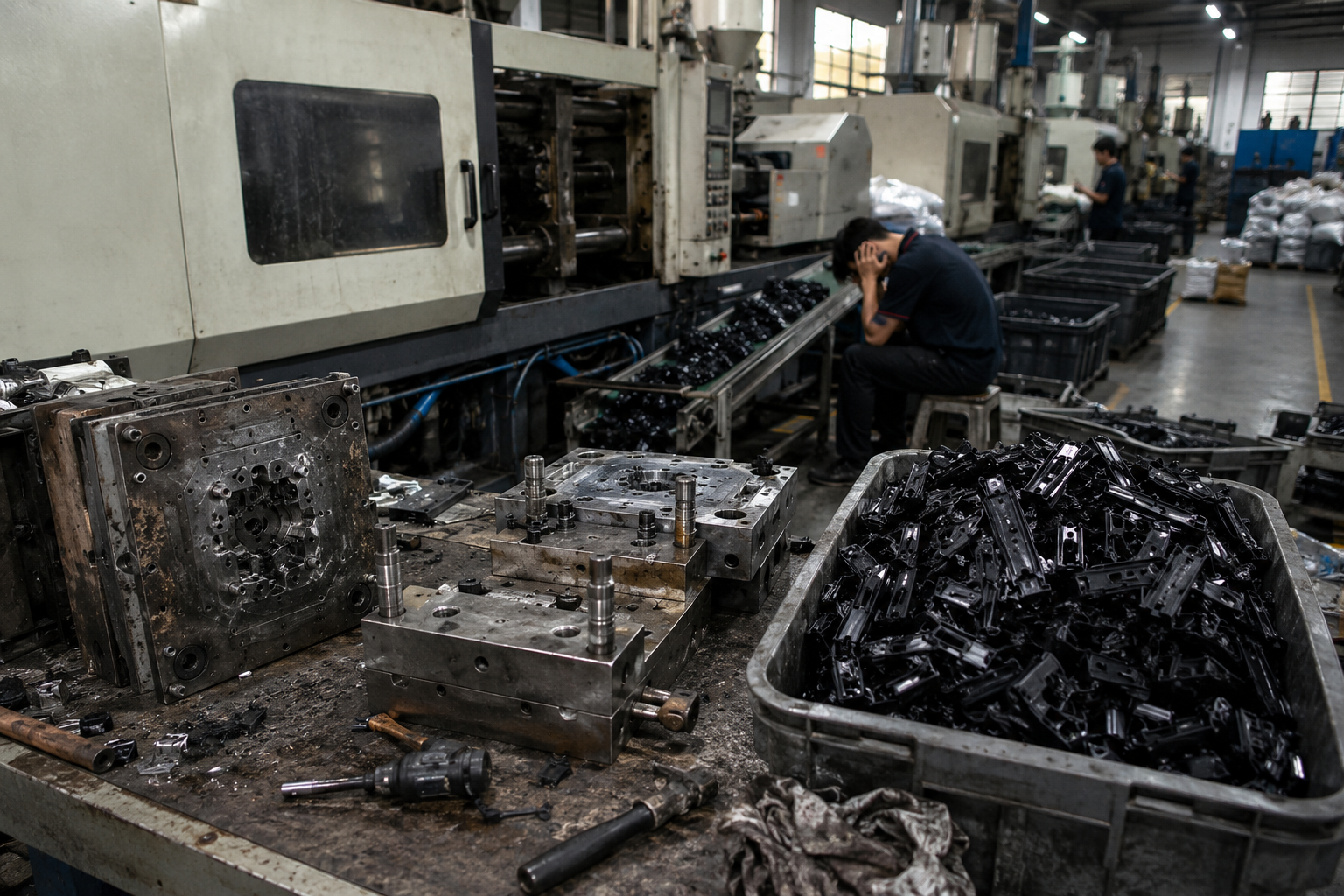
Falscher Former: Der Preis, von dem Sie nicht wussten, dass Sie ihn zahlen würden, beinhaltet Produktionsverzögerungen, einen enormen Anstieg des Schrotts sowie abgenutzte Werkzeuge und Vorrichtungen.
-
DATEN.RISK_04
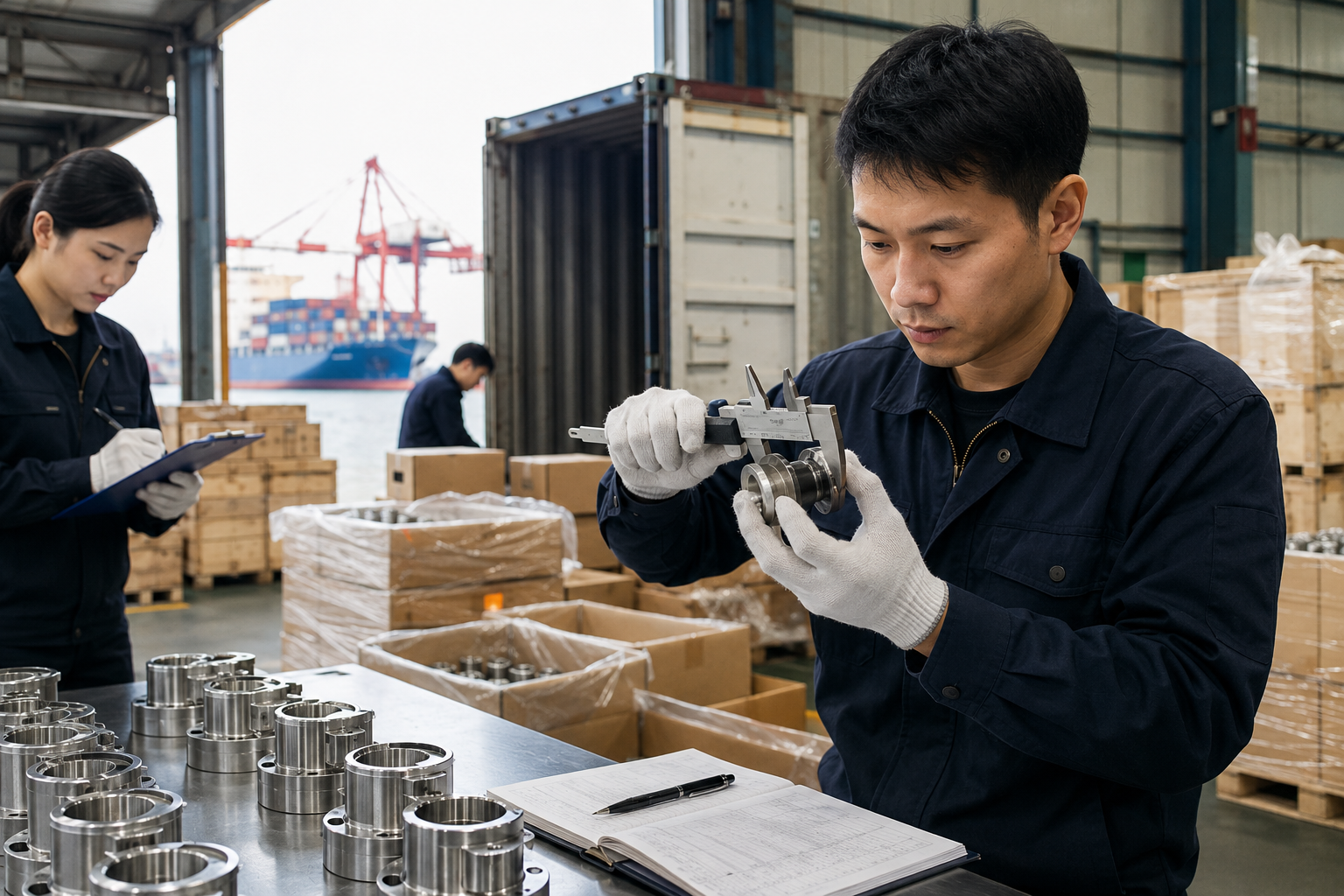
Offshore-Käufer äußern häufig Bedenken hinsichtlich einer mangelnden Qualitätskontrolle und der Frage, inwieweit die Teile vor dem Befahren von Booten geprüft werden.
Alle drei dieser Fragen geht 1TP2 T direkt an, wir führen alle drei Silikonformverfahren hier im Haus durch, wir stellen unsere eigenen Formen her und erläutern unten Kostentreiber und Durchlaufzeiten. Der Einkauf sollte in der Lage sein, die Shop-Lieferanten nach Landkosten zu vergleichen, nicht nach dem, der am besten im Verstecken war.
[SYS.CAPABILITY_INDEX]
Engelhardt Silikon-Formfunktionen
Hersteller von Silizium-Basis-Produkten plus ein Gummiformvorgang, der spezielle kundenspezifische Teile herstellt Engelhardt im Hinblick auf die Tiefverarbeitungskompetenz für jedes Projekt von Silikon-Spritzguss durch Kompression Sie bitten einen Ingenieur, der mit Lieferantenbewertung konfrontiert ist, ein “Ein-Satz-Schnell”zu liefern “Ja” oder „Nein” zu einer grundlegenden Anforderung: Kann Ihre Anlage mein Teilvolumen in Toleranz produzieren? Hier ist die wahre, offene Fähigkeit jeder Engelhardt-Maschine:
150T
[INJEKTION.LSR]
LSR-Spritzguss
Silikon ist Spritzguss, das viele Formen annehmen kann Zweiteiliger flüssiger Silikonkautschuk wird in einer beheizten Form dosiert, eingespritzt und platingehärtet, am besten für Präzisionsteile, dünne Wände, feine Details und 2-Schuss-Umspritzung auf Kunststoff oder Metall.
300T
[INJEKTION.SOLID]
Feststoff-Silikon-Injektion
Hochkonsistentes Silikon wird spritzgegossen für größere Auflagen von Tastenbelägen, Ösen und Kfz-Dichtungen, bei denen ein festeres Gummimaterial zu dem Teil passt.
1200T
[KOMPRESSION.VAC]
Kompressions- und Vakuumvulkanisierung
Vorgeformt unter Hitze und Druck ausgehärtet Die 120 T-Presse greift mit großformatigen Teilen bis zu 200 × 1200 mm Silikonform ist eine Größe von Silikon, die die meisten Auftragsformer nicht erreichen können.
Über mehr als 20 Vulkanisierpressen hinweg formt die Silikonwerkstatt etwa 1.000 Tonnen Silikon pro Jahr. Flüssiges Spritzgießen, Vollspritzen und Komprimieren laufen alle unter einem Dach, sodass hochwertige Silikonprodukte auf den richtigen Prozess abgestimmt werden und nicht auf die einzige Maschine gezwungen werden, die ein Lieferant besitzt.
[OPT.SELECTION_MATRIX]
Welche Maschine passt zu welchem Teil
Engelhardt-Maschine
Best-Fit-Teileprofil
Typische Beispielteile
150 T LSR-Injektion
Präzisions 1TP15 T Teile, dünne Wände, 2-Schuss Umspritzung
Medizinische Klappen, Mikrodichtungen, Babypflegeteile
250 T Vakuumvulkanisieren
Feste/HCR-Teile, die eine geringe Porosität benötigen
Dichtungen, O-Ringe, elektrische Isolatoren
300 T Vollsilikon-Injektion
Volumenstärkere feste Silikonkomponenten
Tastenbeläge, Ösen, Kfz-Dichtungen
1200 T Vakuumvulkanisieren
Großformatige Teile bis 2200 ̄N 1200 mm
Große Dichtungen, Membranen, Industriepads
[TECH.SPEZIFIKATIONEN]
Fähigkeitsspezifikationen
- Formverfahren
- 1TP15 T-Injektion, Vollsilikoninjektion, Kompression / Vakuumvulkanisation
- Presstonnage
- 150 T / 250 T / 300 T / 1200T
- Max Formgröße
- 2.200 × 1.200 mm
- Durometerbereich
- 10 –80 Shore A
- Betriebstemperatur
- -50 °C bis +250 °C
- Typische Toleranz
- ±0,08 –13 mm
- Materialgüten
- Allgemein, medizinisch, lebensmittelgerecht
- Jahresausstoß
- ~1.000 Tonnen
- Qualitätssystem
- ISO 9001, IATF 16949
- Eigenwerkzeuge
- 3.600 m² große Formenbau
Durometer - und Temperaturzahlen spiegeln Standardsilikonqualitäten wider; Toleranz ist geometrieabhängig Presse, Formgröße und Ausgangszahlen sind 1TP2 T-eigene Ausrüstungsdaten.
[PROZESS.SPEZIFIKATION]
LSR vs. Kompression vs. festes Silikon vs. Wahl des richtigen Prozesses
Ein Teil auf den falschen Prozess abzustimmen ist der teuerste Fehler eines Silikonprogramms Ein Ingenieur, der 1TP15 T für eine einfache Dichtung mit geringem Volumen auswählt, bezahlt für Spritzwerkzeuge, die das Formpressen nicht benötigen würde Kriterien, die tatsächlich Kosten und Qualität bewegen, werden im Folgenden über alle drei Prozesse hinweg verglichen.
| Kriterium | LSR-Injektion | Kompressionsformen | Feststoff-Silikon-Injektion |
|---|---|---|---|
| Materialform | Zweiteilige Flüssigkeit | Vorgeformter HCR-Kaugummi | Feste HCR-Verbindung |
| Beste Band | 10 k 1 M+/Jahr | 500 –50 k/Jahr | 50 k 1 M+/Jahr |
| Durometerbereich | 10 –80 Shore A | 20 –80 Shore A | 30 –80 Shore A |
| Typische Toleranz | ±0,08 –13 mm | ±0,10 –20 mm | ±0,10 – 15 mm |
| Kompressionssatz | Superior (niedrig) | Ausgezeichnet, niedrigste | Ausgezeichnet |
| Relative Werkzeugkosten | Höher | Untere | Höher |
| Zykluszeit | Sekunden bis ~1 Min | Mehrere Minuten | Mäßig |
| 2-schuß / Umspritzung | Ja | Begrenzt | Ja |
| Engelhardt-Maschine | 150 T LSR-Injektion | 250 T / 1200 T drücken | 300 T feste Injektion |
Prozessbefunde
Zwei Erkenntnisse treiben hier die meisten Entscheidungen voran Hochkonsistentes Silikon, das im Formpressen verwendet wird, liefert tatsächlich einen niedrigeren Kompressionssatz als 1TP15 T, so dass eine statische Dichtung, die jahrelang halten muss, oft am besten von einer Presse aus funktioniert – keine Spritzmaschine. 1TP15 T hingegen dehnt sich ungefähr doppelt so weit, bevor es bricht, was es zur besseren Wahl für dünne, flexible oder dynamische Teile macht.
Volumen ist der zweite Hebel Kompressionswerkzeuge sind billiger zu bauen, so für Läufe in den Hunderten bis niedrigen Zehntausenden gewinnt es in der Regel auf Landkosten Sobald das jährliche Volumen über ungefähr 50.000 Stück steigt, zahlt der schnellere Zyklus des Spritzgießens seine höheren Werkzeugkosten zurück Da 1TP2 T alle drei Prozesstypen besitzt, folgt unsere Empfehlung Ihrem Teil & nicht unserer Maschinenliste.
Faustregel des Ingenieurs
Wenn Ihr Teil eine statische Dichtung oder Dichtung unter ~25.000 Stück pro Jahr ist, fragen Sie zuerst nach einem Kompressionsangebot. Wenn es dünne Wände oder feine Merkmale hat oder ein überformtes Kunststoff- oder Metallsubstrat benötigt, beginnen Sie mit LSR. Unsichere Teile sind genau das, was eine Design-for-Manufacturing-Überprüfung ist für (das ist ein kostenloses Gespräch, keine Verpflichtung.
Sie sind sich nicht sicher, welcher Prozess zu Ihrem Teil passt? Holen Sie sich eine kostenlose Design-for-Manufacturing-Rezension →[HERSTELLUNG.KOMPONENTEN]
Kundenspezifische Silikteile, die wir herstellen. Komponenten, Industrien und Ergebnisse
Käufer fragen am häufigsten 1TP2 T für die Silikonteile in der Liste unten Jeder wird in mehreren Branchen versendet, und der Formprozess wird pro Teil und nicht pro Gewohnheit ausgewählt.
01 /
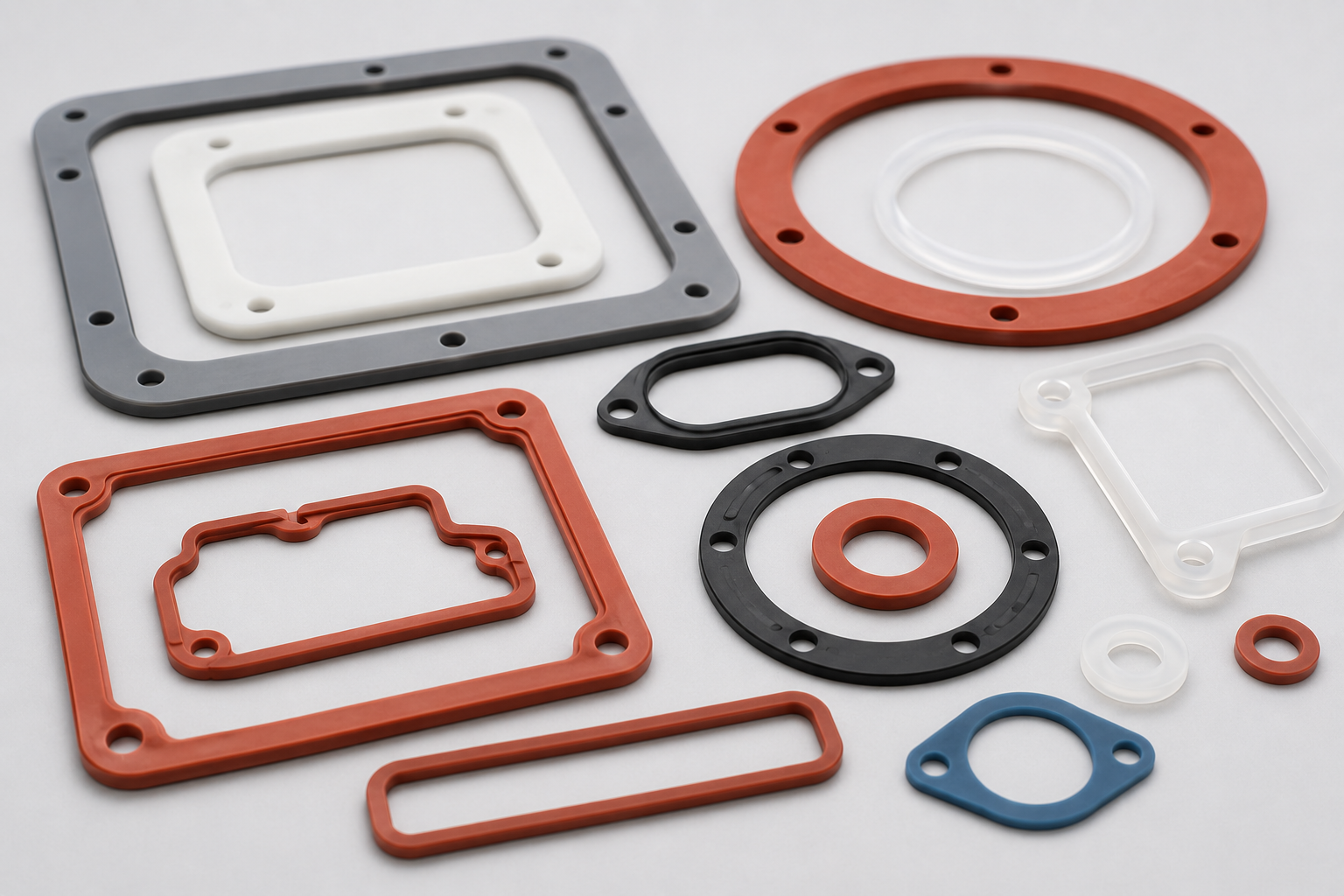
Silikondichtungen
Maßgeschneiderte Silikondichtungen für Gehäuse, Beleuchtung und Geräte, gestanzt oder nach Profil geformt.
02 /
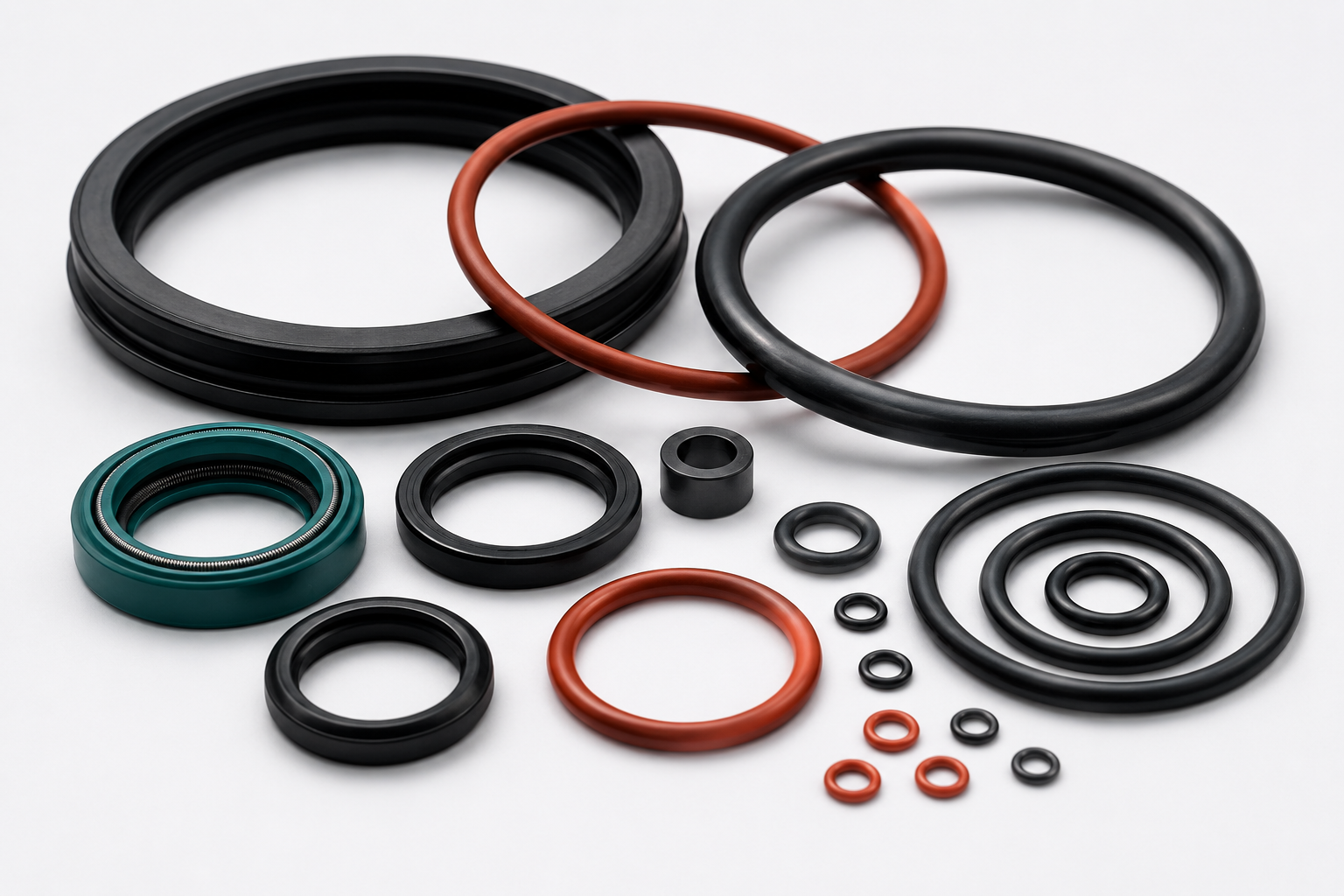
Dichtungen und O-Ringe
Kundenspezifische Gummidichtungen und O-Ringe mit niedrigem Drucksatz für statische und lichtdynamische Abdichtung.
03 /
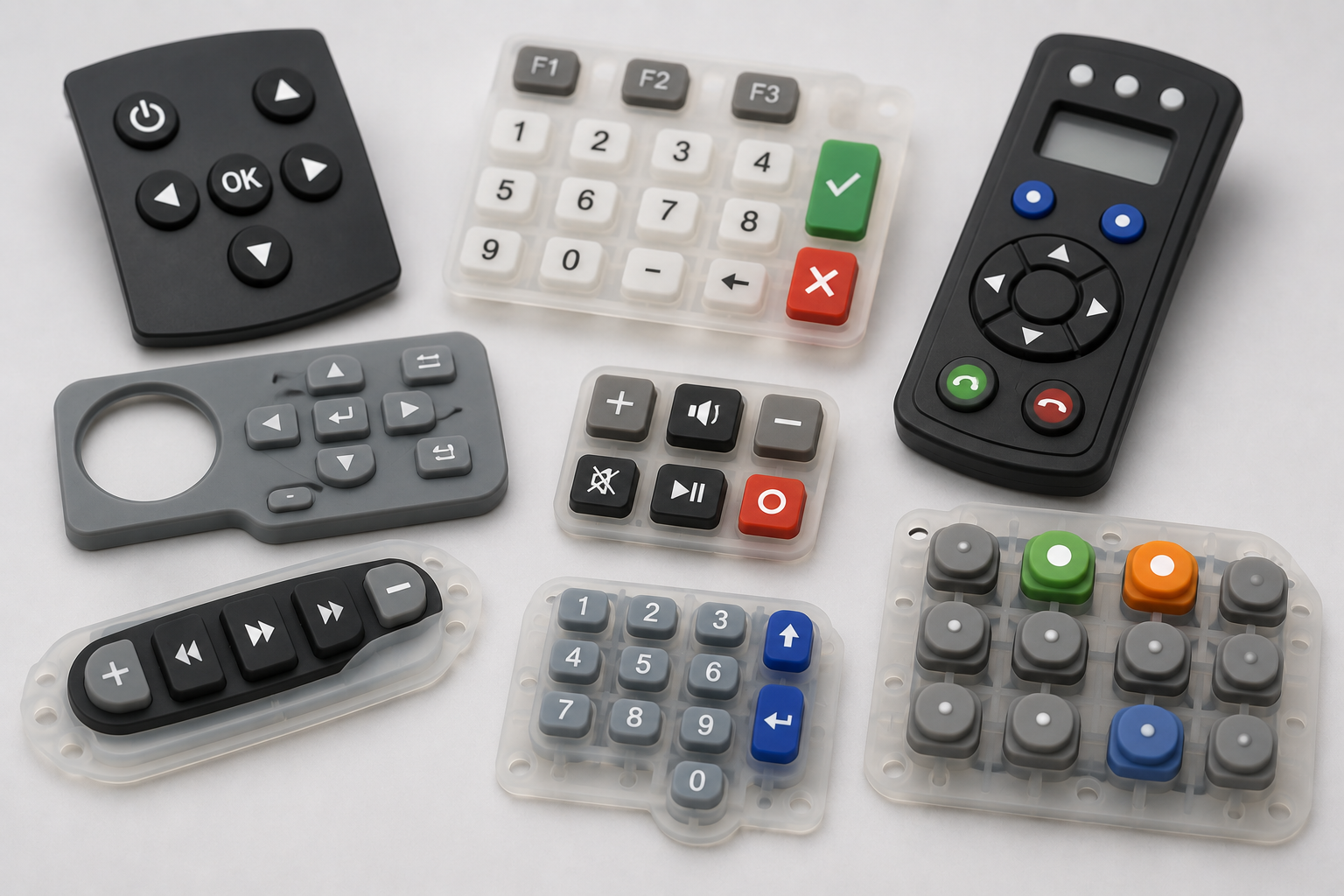
Silikonkautschuk-Tastaturen
Ein - und Zwei-Durometer-Tastaturen mit bedruckten oder lasergeätzten Legenden für HMI-Platten.
04 /
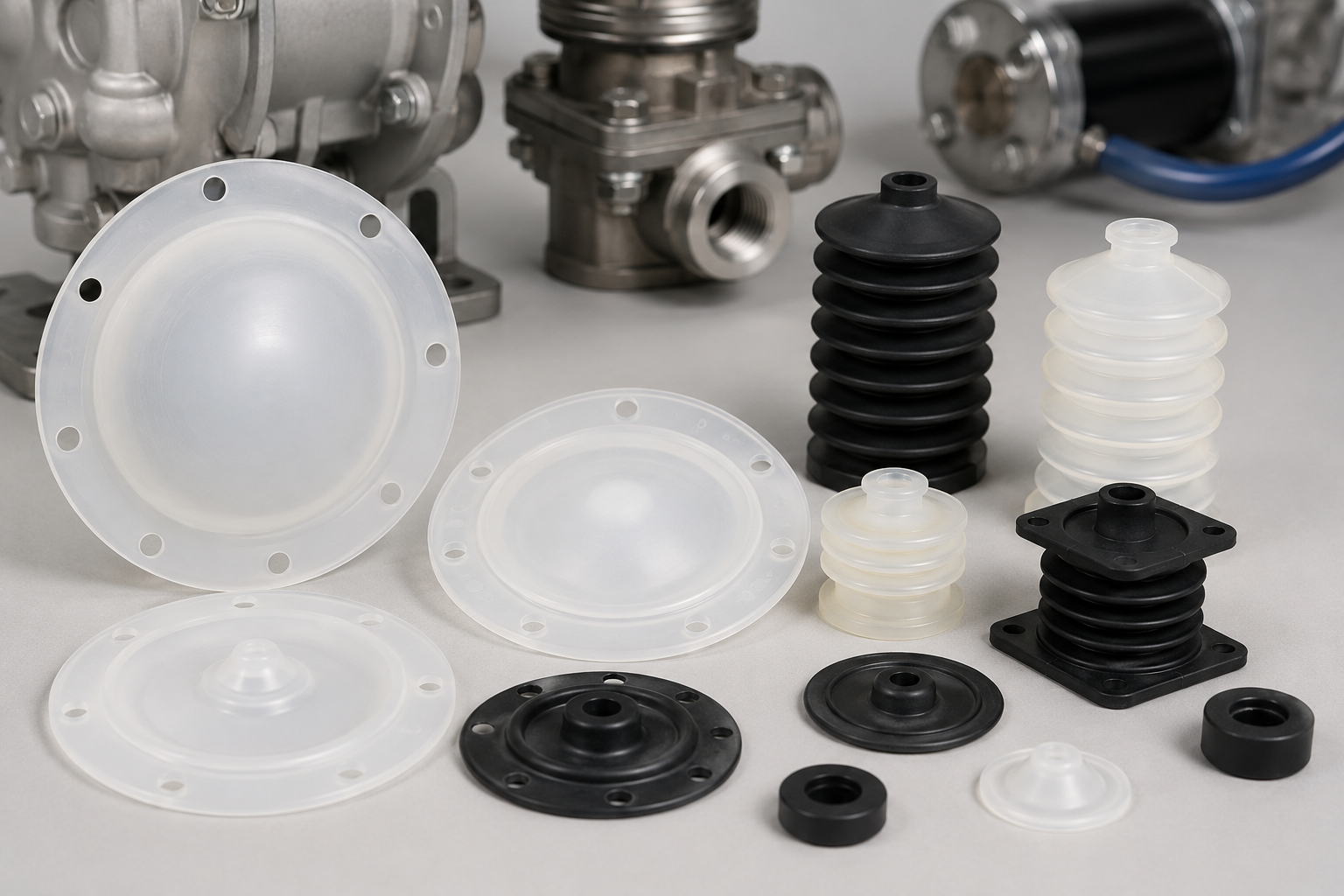
Membranen und Bälge
Flexible Silikonmembranen und -balg für Pumpen, Ventile und Druckmessgeräte.
05 /
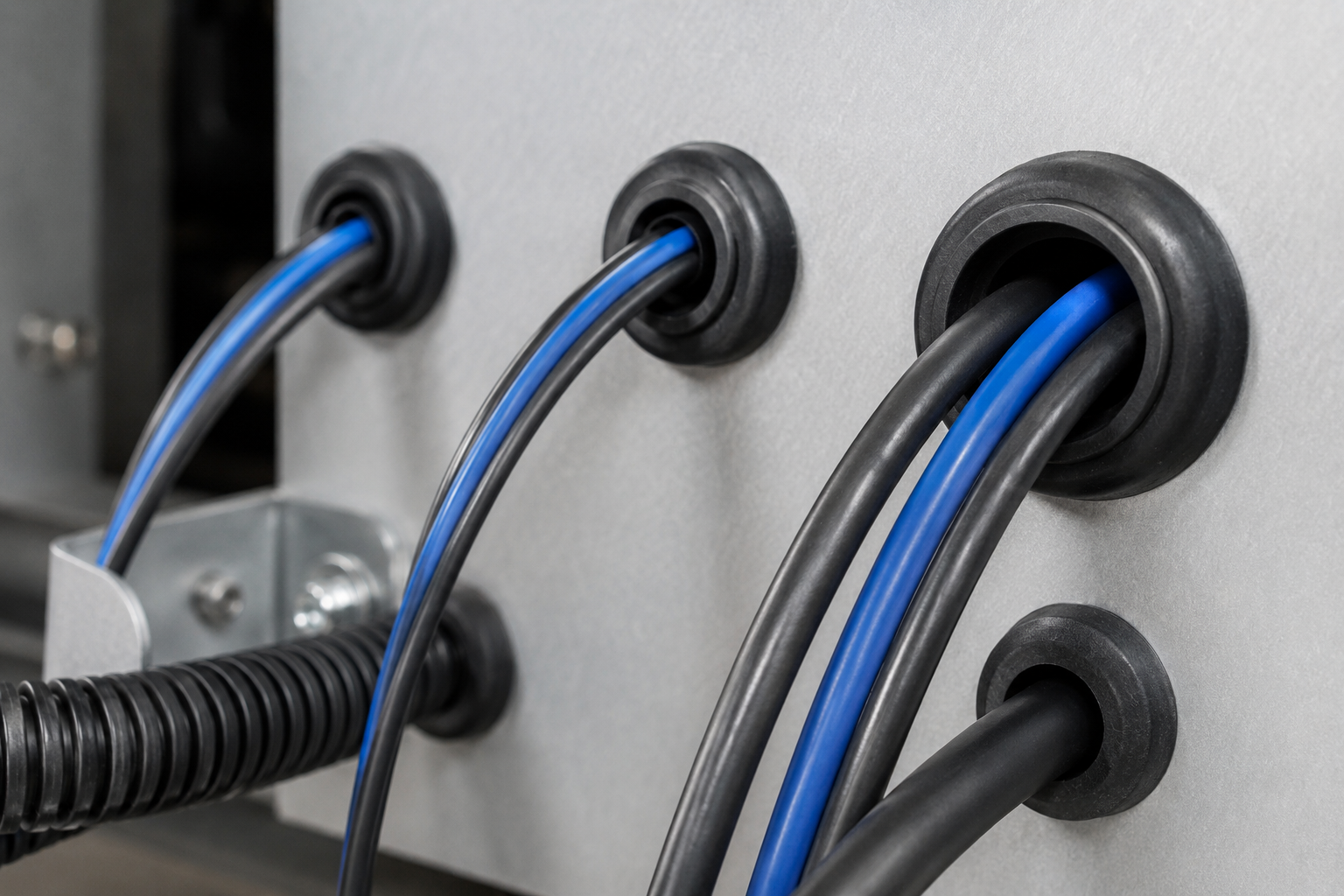
Ösen und Buchsen
Schwingungsdämpfende Tüllen und Buchsen, die die Verkabelung und den Durchtritt der Paneele schützen.
06 /
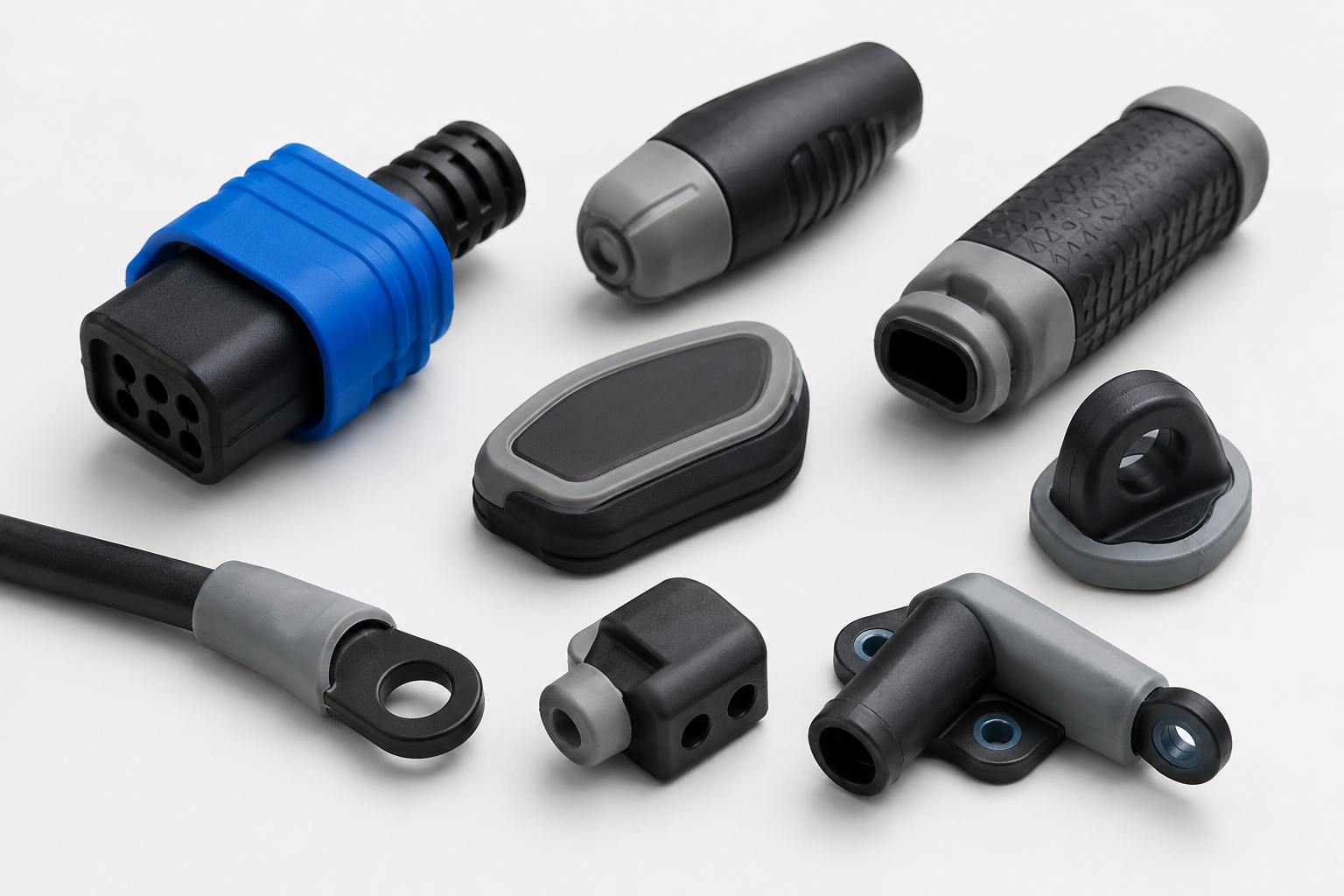
Überspritzte Komponenten
Auf Kunststoff oder Metall umspritztes Silikon für Griffe, Steckverbinder und verklebte Unterbaugruppen.
SYS.MARKETS_AND_CASE
Diese Teile landen in vier breiten Märkten Einkäufer aus Automobil und Luft - und Raumfahrt verwenden Silikon für Steckverbinder, Dichtungen und Gehäusedichtungen, die die Motorraumhitze überstehen Medizinprodukte und Gesundheitsprogramme setzen auf medizinisches Silikon für Ventile und Membranen Elektronikteams spezifizieren Tastenbeläge und Schutzhüllen, während Industriekunden Dichtungen, Isolatoren und Dämpfungsbeläge bestellen.
Ein repräsentatives Projekt
Markenküchenartikel erforderten, dass einige Silikonteile in Lebensmittelqualität den Lebensmittelkontakt einhalten und zahlreichen Geschirrspülgängen standhalten. Zu den ersten Designs gehörten einige dünne Trennlinien, die beim Entformen sehr wahrscheinlich reißen.
Unsere Werkzeugmacher auf Mold Team überarbeiteten Design mit Änderungen an Trennlinie und Lippengeometrie und führen das Teil auf unserer 300 T-Festsilikon-Injektionspresse mit einer 1TP10 T zugelassenen, lebensmittelgerechten Verbindung aus. Die ersten Artikel wurden dann vor der Freigabe zur Produktion dimensional validiert.
Dieses Teil wurde problemlos entformt, die Lippen waren intakt, es behielt bei vielen Zyklen seine Abdichtung und das Projekt ging von der Prototypenphase zur Massenproduktion ohne Werkzeugnacharbeit über. Das Produkthandbuch von Engelhardt zeigt dasselbe Programm.
SYS.CAPACITY_AND_TOOLING
~1.000 t
Silikonform pro Jahr, ausreichend Kapazität, um Ihr Teil mit einem Lieferanten vom ersten bis zum vollen Volumen zu transportieren, sodass Sie bei steigender Nachfrage nie für die Umrüstung bezahlen.
-
Einmaliges Tooling
Die Formkosten werden einmal bezahlt und für jedes produzierte Teil amortisiert.
-
Kein Formerwechsel
Prototypen-, Pilot- und Massenproduktion bleiben auf demselben Werkzeug und demselben Qualitätssystem.
-
Prozess auf Volumen abgestimmt
Wenn Sie die Komprimierung der Injektion am rechten Teil vorziehen, vermeiden Sie die Bezahlung der nicht benötigten Werkzeuge.
Kapazitätszahl aus 1TP2 T-Ausrüstungsdaten Die Kosten-Eigentums-Punkte spiegeln die allgemeine Branchenpraxis wider.
SYS.QUALITY_ASSURANCE
Zertifizierungen und Qualitätskontrolle
Denn eine Offshore-Lieferantenzertifizierung ist nicht nur ein weiteres Akronym, sondern auch der Beweis des Käufers, dass das Produkt vor dem Versand im Auge ist. Eine häufige Befürchtung, die bei Online-Public-Sourcing-Diskussionen geäußert wird, betrifft die Frage, ob echte Qualitätssicherungsverfahren überhaupt vorhanden waren, bevor Teile an den Kunden gesendet wurden.
Engelhardt geht diese Bedenken mit einem formal dokumentierten Qualitätssystem an, ergänzt durch ein internes Qualitätslabor und Testzentrum sowie eine Reihe automatisierter Prozesse und Geräte.
[KRITISCH.COMPLIANCE]
Das Detail, das von Käufern vielleicht genauer betrachtet wird, ist das IATF 16949-Zertifizierung. Dieses Dokument stellt den Qualitätsstandard der Automobilindustrie mit vollständiger Abdeckung dar und erfordert Prozessdisziplin zur Kontrolle und Aufzeichnung von Fehlern und korrekten Maßnahmen, die weit über alle in einem typischen ISO 9001-Zertifikat angegebenen hinausgehen. Während viele Vertragssilikonformer mit nur einem ISO 9001- und Engelhardt-Prozess arbeiten, unterliegen sie in jedem Teil, sei es im Automobilbereich oder anderswo, einem viel strengeren Qualitätscode.
ISO 9001
QualitätsmanagementsystemIATF 16949
Qualitätssystem in AutomobilqualitätGuangdong High-Tech
High-Tech-ProdukterkennungGebrauchspatente
Eingetragene Gebrauchsmusterpatente
[TEST.01]
Materialhärteanalyse
Mooney-Viskosimeter und Bewegungsdüsenrheometer zur Prüfung des Härtungsverhaltens von neuem Silikonmaterial.
[TEST.02]
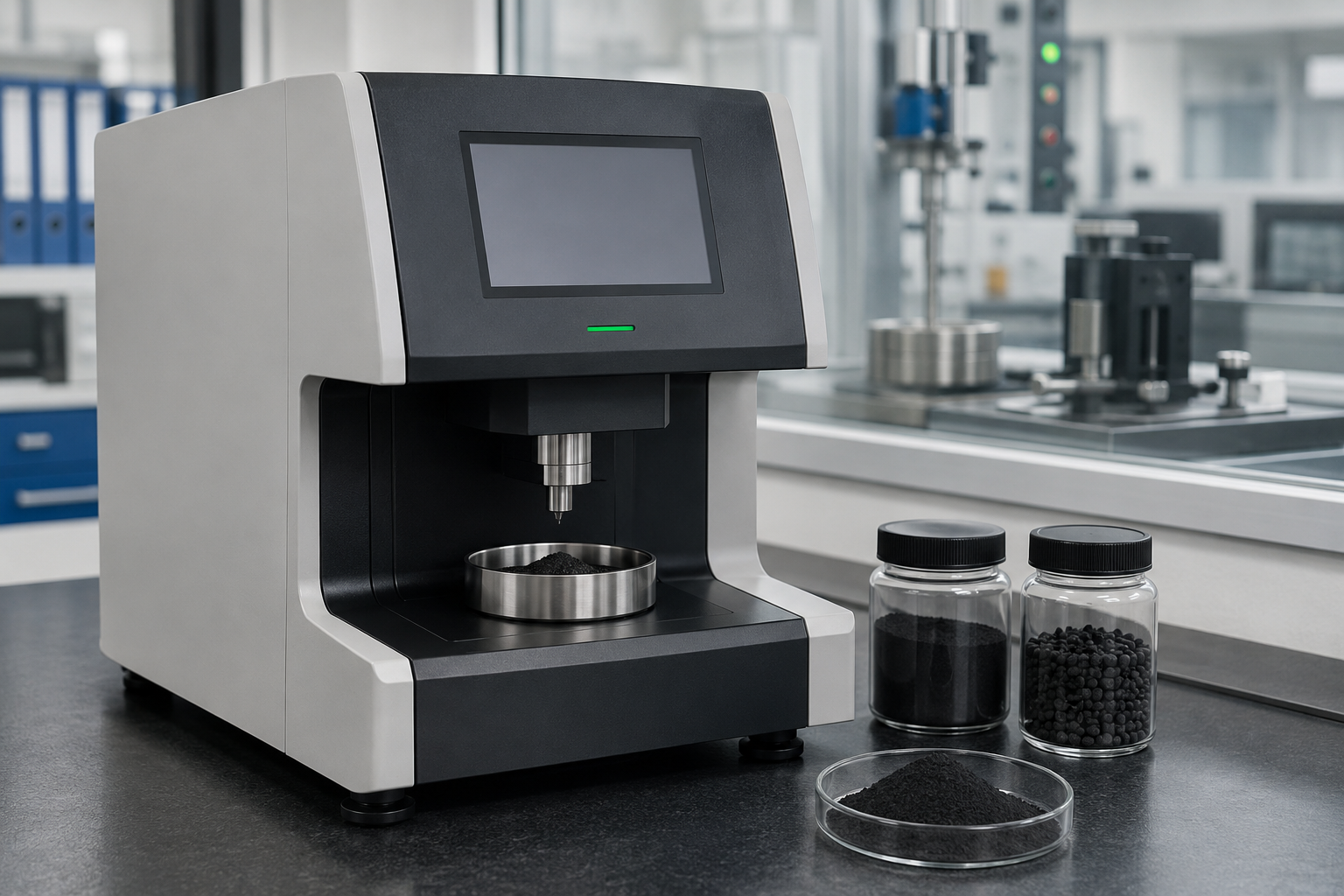
Füllkonsistenzprüfung
Rußanalysator für Füllstoffkonsistenz in der Verbindung.

[TEST.03]
Prüfung physikalischer Eigenschaften
Materialprüfmaschine zur Überprüfung von Zugfestigkeit, Reißfestigkeit und Dehnung.

[TEST.04]
Umweltverträglichkeit
Salzsprüh- und Wärmereifungskammern für Korrosions- und thermische Alterungsprüfungen.
[TEST.05]
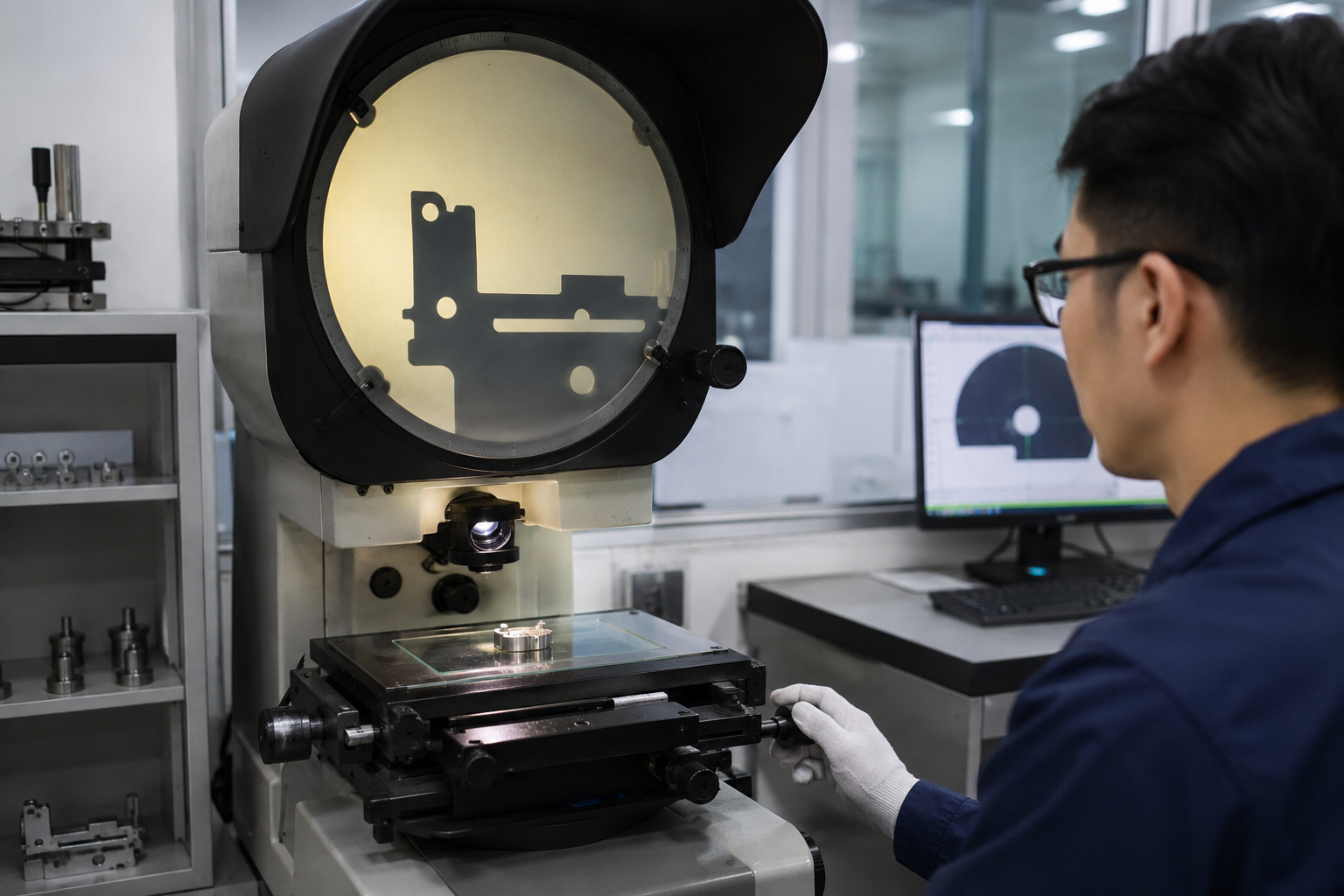
Präzisionsdimensionsprüfung
Optischer Projektor zur genauen Inspektion kleiner Teile oder dünner Wände.
[SYS.PROCUREMENT_GUIDE]
Kundenspezifischer Beschaffungsleitfaden für Silikonteile, Kosten- und Lieferzeiten
Beschaffungsmanager suchen nach einem Kostenvoranschlag für Sie, daher möchten sie wissen, “Was sind die tatsächlichen Gesamtbetriebskosten? Und was sind meine Mindestverpflichtungen?”„Wir stellen diese Details im Voraus auf unserer Website zur Verfügung (kein Kontaktformular zum Ausfüllen erforderlich).” sowie zusätzliche Details zur Mindestbestellmenge und Vorlaufzeit im Zusammenhang mit der Herstellung kundenspezifischer Silikonteile:
Was treibt den Preis eines benutzerdefinierten Silikonteils
Der Stückpreis für kundenspezifische Silikonteile wird aus sechs Hauptvariablen abgeleitet. Das Verständnis dieser Variablen kann Ihnen helfen, das ursprüngliche Produkt zu geringeren Kosten zu entwerfen, bevor wir mit der Verarbeitung etwaiger Formen beginnen:
01
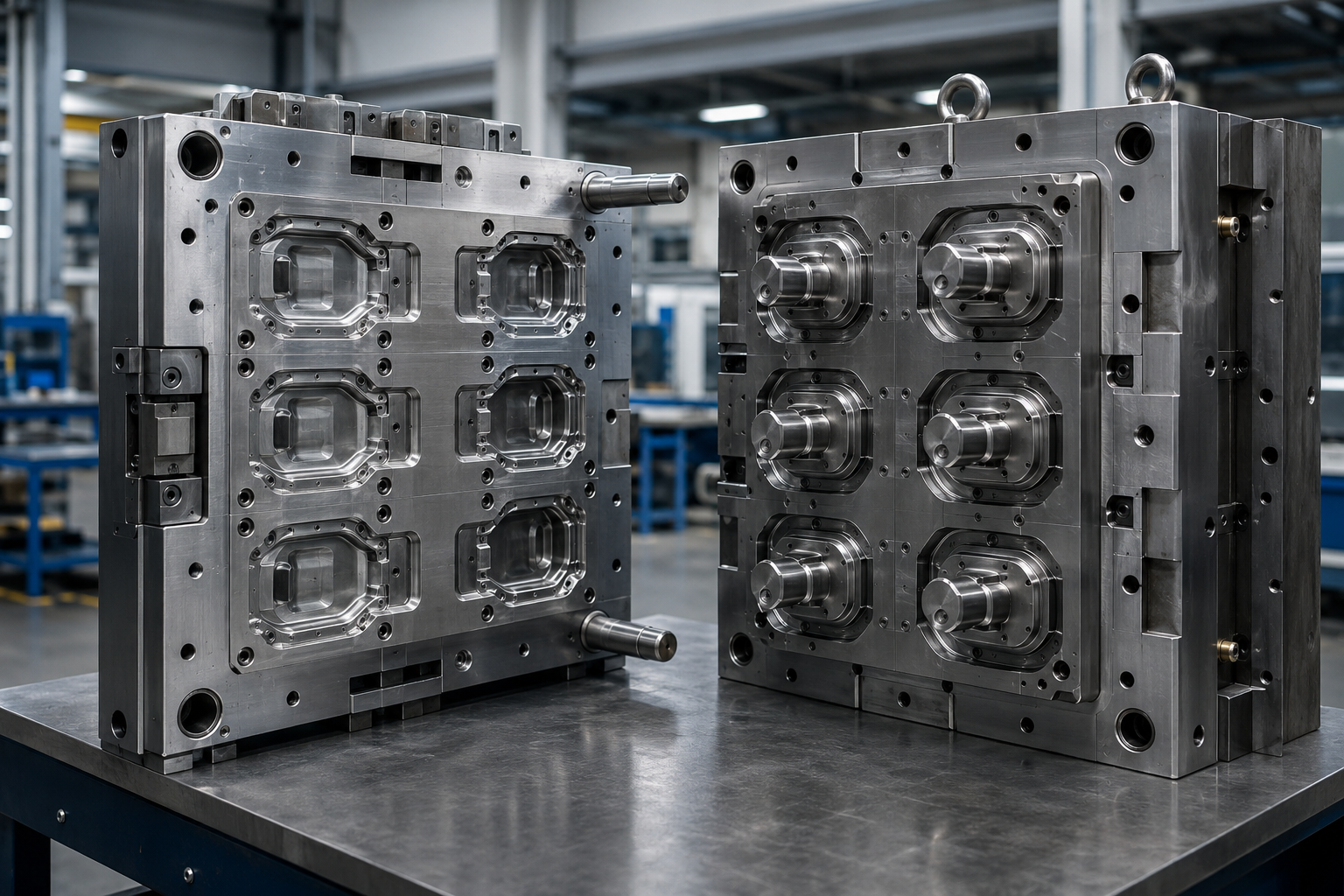
Werkzeugbau & Kavitation
Einmalige Formkosten, einmalig bezahlt und auf jedes Teil verteilt Mehr Hohlräume erhöhen die Formkosten, senken aber den Stückpreis.

02
Materialgüte
Allgemeines Silikon ist die Grundlage; Medizinische und lebensmittelgerechte Verbindungen erhöhen die Material- und Testkosten.
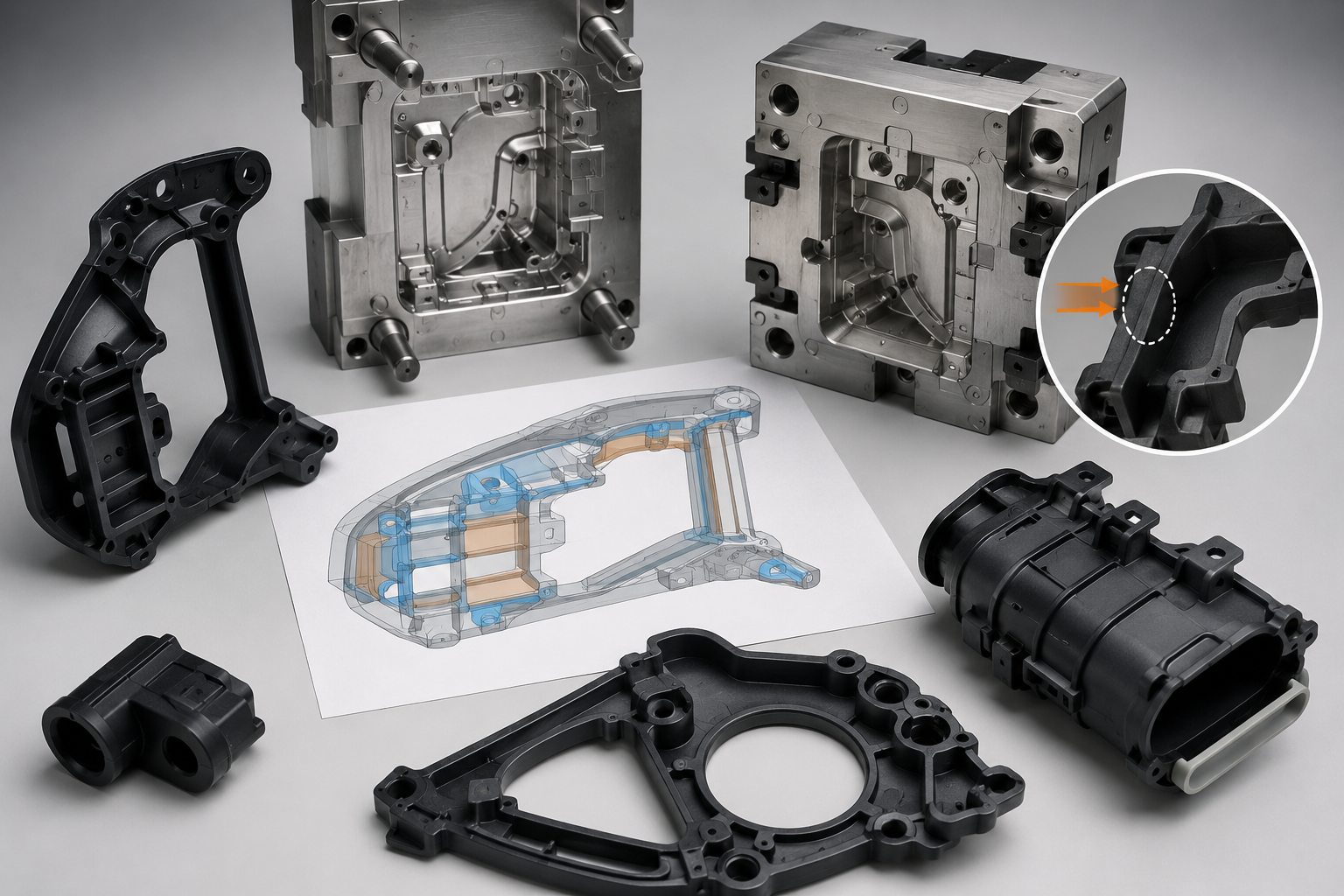
03
Designkomplexität
Hinterschneidungen, dünne Wände und dichte Toleranzbänder erfordern komplexere Formen und mehr Verarbeitungsschritte.
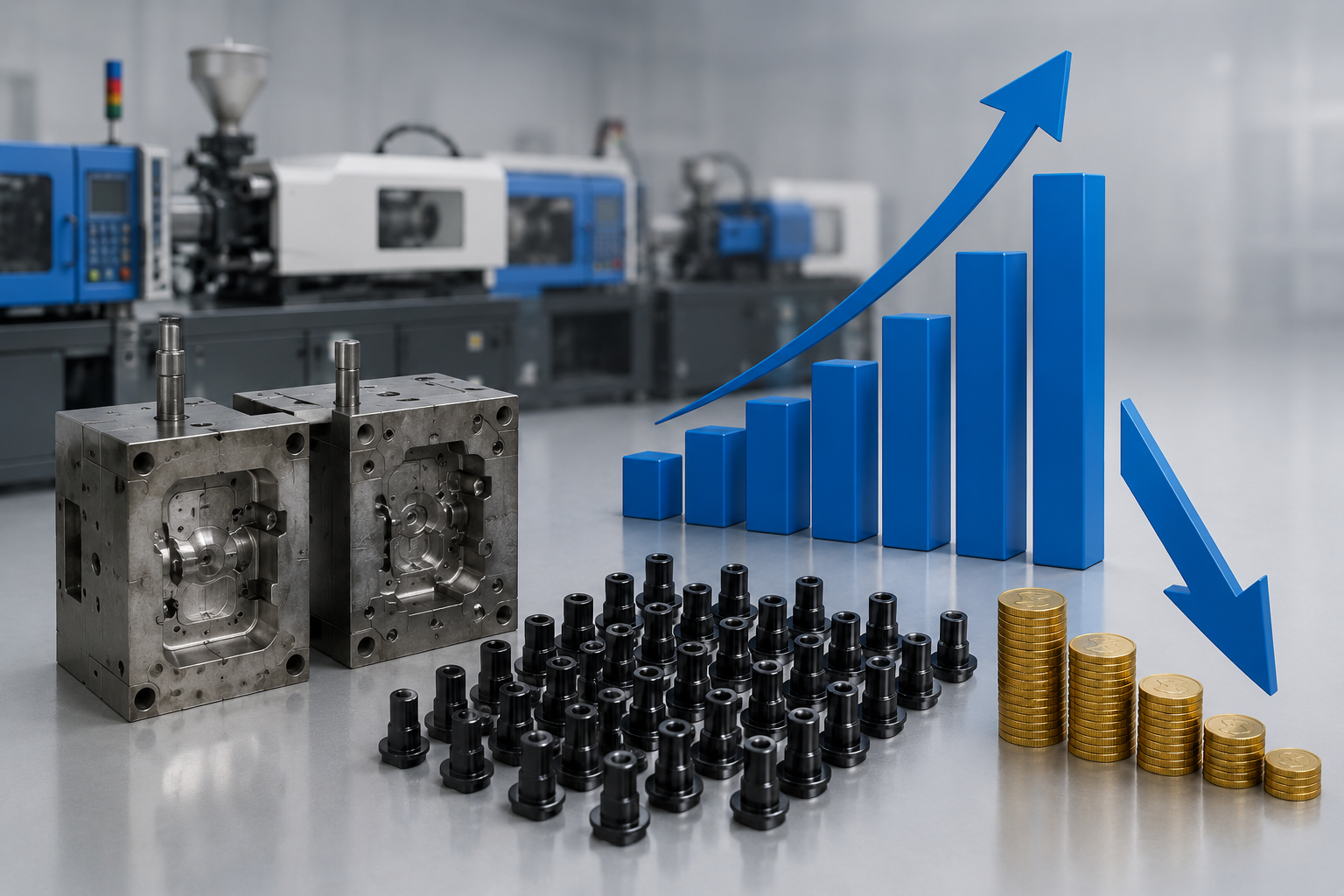
04
Produktionsvolumen
Höheres Volumen verteilt die Werkzeugkosten und verbessert den Materialeinkauf, wodurch der Stückpreis gesenkt wird.
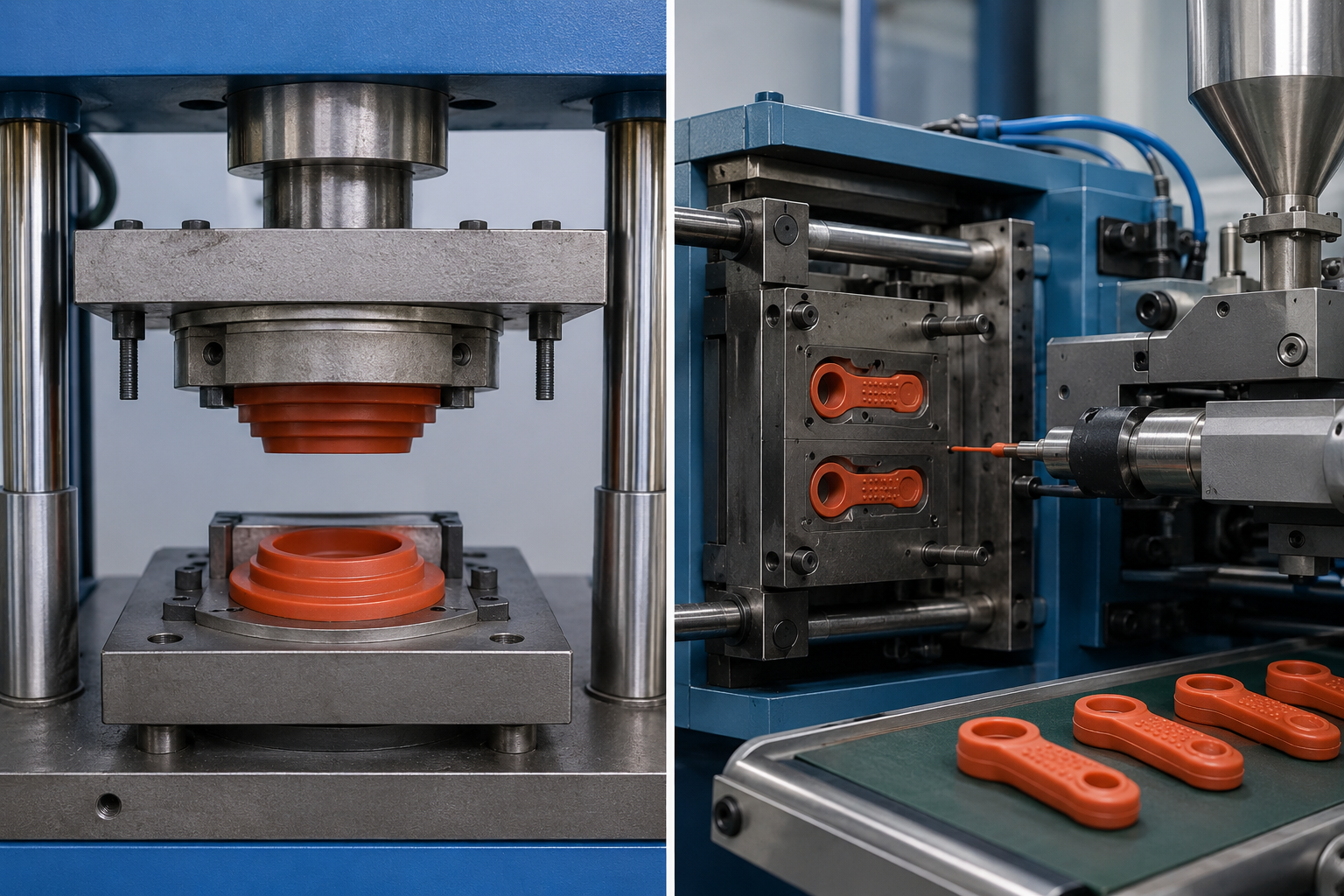
05
Formprozess
Durch die Kompression bleiben die Werkzeuge billiger; Die Injektion erhöht die Werkzeugkosten, beschleunigt jedoch Zyklen mit hohem Volumen.
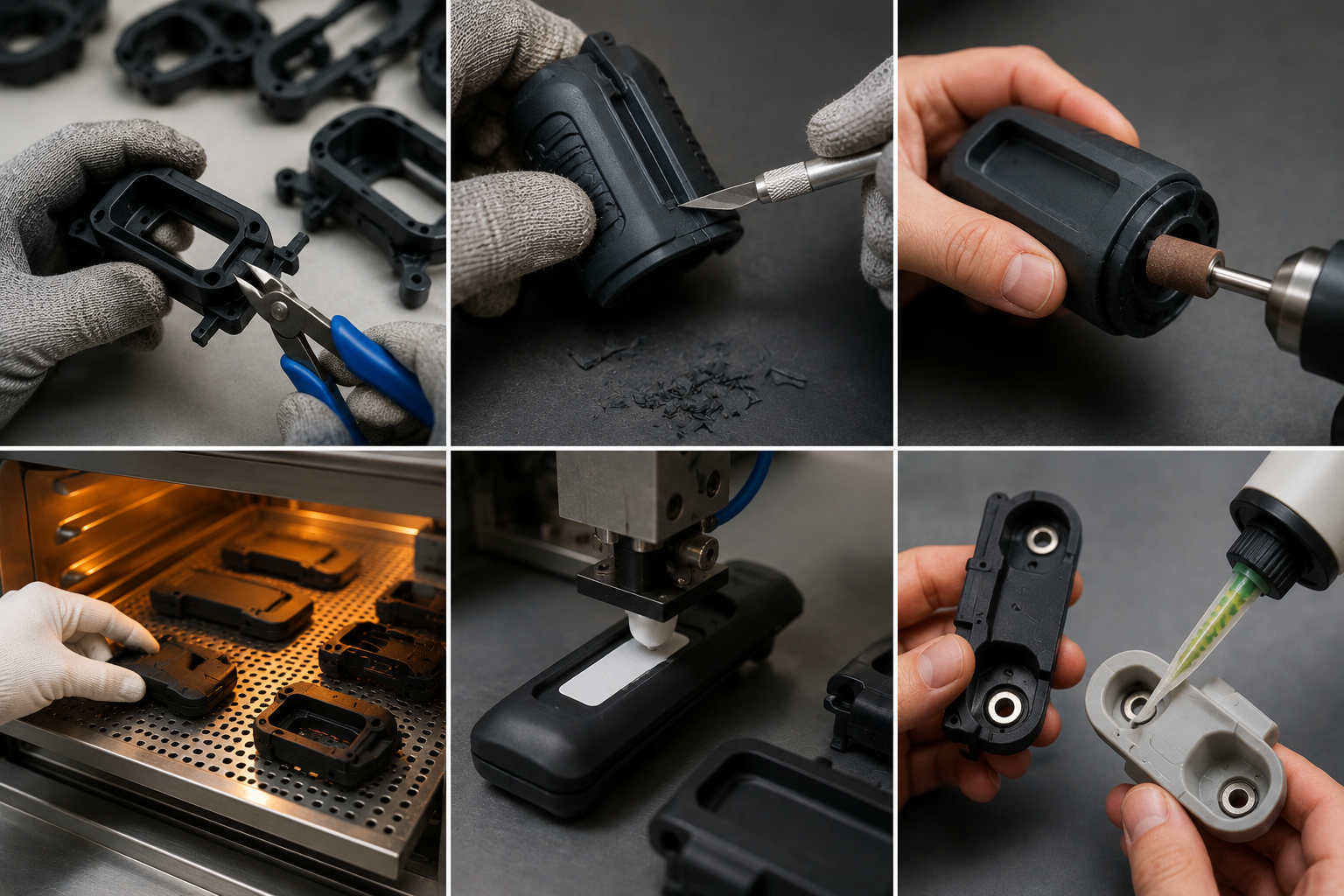
06
Veredelung
Entflashen, Drucken, Nachhärten und Sekundärkleben fügen jeweils Arbeit hinzu, die in das Zitat gehört.
Referenz zum Branchen-Benchmark
Als öffentliche Benchmark verweisen die Kostenleitfäden der Branche auf kleine geformte Silikondichtungen mit jeweils wenigen Cent, auf jeweils etwa US$1,50, mit komplexeren Formteilen am oberen Ende und Silikonwerkzeugen mit einem Hohlraum, deren Preise im Allgemeinen von niedrigen vielen Hundert Dollar bis zu einigen Tausend betragen Ihre Anzahl variiert je nach den sechs oben genannten Faktoren, und aus diesem Grund wird Engelhardt auf Ihrer Zeichnung und nicht auf einem Index angegeben.
[SYS.ENGINEERING_TOOLS]
Toolkits für interaktives Engineering und Beschaffung
Bewerten Sie Ihre Projektanforderungen, bevor Sie ein Angebot anfordern Nutzen Sie unsere hauseigenen Taschenrechner, um den optimalen Formprozess zu etablieren, die richtige Materialqualität zu identifizieren und die kritischen Kostentreiber für Ihre maßgeschneiderten Silikonkomponenten zu verstehen.
Formprozesswähler
Beantworten Sie drei Schlüsselfragen, um festzustellen, ob 1TP15 T-Spritzguss, Formpressen oder Vollsilikonspritzung die optimale Passform für Ihr individuelles Teil ist.
Start-toolKosten-Fahrer-Schätzer
Identifizieren Sie, welche Designfaktoren den Preis Ihres Silikonteils nach oben oder unten drücken, komplett mit einem Referenzband für die Stückkosten der öffentlichen Industrie.
Start-toolMaterialklassenauswahl
Passen Sie Ihre Anwendung, Betriebstemperatur und Kontaktbedingungen an die richtige Silikonqualität und strenge Compliance-Standards an.
Start-toolRFQ-Bereitschaftscheckliste
Eine vollständige Anfrage liefert ein schnelleres, festeres Angebot. Kreuzen Sie an, welche Spezifikationen Sie bereits bereit haben, um die allgemeine Angebotsbereitschaft Ihres Projekts zu sehen.
Start-tool
[SYS.FAQ_KNOWLEDGE]
Häufig gestellte Fragen zu benutzerdefinierten Silikonteilen
MOQ: Jedes Projekt hat eine andere MOQ basierend auf der Anzahl der Hohlräume und Werkzeugmethode des Werkzeugs Die kostengünstigste Anzahl von Teilen zum Formen ist 250 für formgepresste Teile wohingegen spritzgegossene Teile für größere Mengen (1.000+ Teile) geformt werden, reichen Sie Ihren Druck und die Zielmenge ein, und Ihr Angebot wird die projektspezifische MOQ bestätigen.
Sechs Elemente werden in den Preis einbezogen: Formwerkzeuge, Materialqualität, Komplexität Ihres Teiledesigns, Volumen, Formmethode und Verarbeitung. Online-Preisleitfäden können die Kosten für winzige, geformte Silikondichtungen zwischen nur einem Penny und etwa US$1,50 pro Dichtung ansetzen und dann für sehr komplexe Teile deutlich ansteigen. “Wir geben Schätzungen ab, die auf Ihren realen Zeichnungen und Ihrem Material basieren; Niemand wird aus einer allgemeinen Schätzung viel herausholen.”sagt er.
Lieferzeit Es gibt zwei Vorlaufphasen – Erstellung und Produktion von Formen – die wir auf Ihrem Angebot aufschlüsseln. Dazwischen befindet sich die Probenahmephase, in der wir die ersten Artikel für Ihre Rezension produzieren und prüfen. Das Hinzufügen eines Vorlaufzeitpuffers dort, um den Überprüfungsprozess zu berücksichtigen, stellt sicher, dass Ihr neues Programm nicht hinter dem Zeitplan zurückbleibt.
Volumen und Teilentyp bestimmen die beste Option Typischerweise machen statische Dichtungen und Komponenten mit geringerem Volumen (im Allgemeinen unter 25.000 Teilen/Jahr) den wirtschaftlichsten Sinn, um Form zu komprimieren, was auch den niedrigsten Kompressionssatz bietet Dünne Wand (z.B. Dichtungen), komplexe Formen oder Designs, die Merkmale wie Überformen erfordern, neigen zur Injektion von flüssigem Silikon, während eine Design-for-Manufacturing-Bewertung für Grauzonen eine Auflösung bietet.
1TP2 T kann Silikon irgendwo zwischen 10 und 80 Durometer formen (Shore A) Hochvolumige Silikontypen sind stabil zwischen -50 C und +250 C während die speziellen Verbindungen den Anwendungsbereich beträchtlich erweitern können Die Auswahl der geeigneten Härte und Güte wird mit Ihnen in Design Review Stadien abgeschlossen.
Ja. Medizinisches Silikon muss getestet und nach USP-Klasse VI und ISO 10993 dokumentiert werden, um zu bestätigen, wie es sich im menschlichen Körper verhält, während Silikon in Lebensmittelqualität den Lebensmittelkontaktstandards von 1TP10 T entsprechen muss. Wenn eine Bestellung aufgegeben wird, wird diese Norm in Ihrem Angebot noch einmal überprüft und referenziert, damit Ihre Materialzertifikate den von Ihnen gewählten Standard deutlich widerspiegeln.
Wir fertigen hier im hauseigenen Shop von 3.600 Quadratmetern Werkzeug an, ausgestattet für CNC-Maschinen- und EMD-Werkzeuge. Dieses hauseigene Werkzeug und Quick-Prototyping ermöglicht es Engelhardt, die Wendezeiten zu verkürzen, sodass eine Werkzeuganpassung nicht aufgehalten wird, bis der Plan eines externen Produzenten dies zulässt.
Die 120 T Vakuumvulkanisierpresse kann Großformteile von bis zu 200 × 1200 mm formen, eine Größe, die viele Auftragsformer nicht aufnehmen können. Dieselbe Fabrik, in der sie etwa 1000 Tonnen Silikon pro Jahr formt, kann vom Prototyp bis zur Massenproduktion einen Teil davon übernehmen.
Mit einem 1TP4 T - und 1TP3 T-Qualitätssystem formt sich jedes Teil nach einem straffen Automobilstandard Unser internes Labor testet jede Verbundcharge mit Viskosimeter und Rheometer und prüft dann die Erstteile anhand Ihrer Zeichnungen, bevor die Produktionsfreigabe genehmigt wird Dimensionsberichte, Materialzertifikate und alle anwendungsspezifischen Testdaten (wie USP-Biokompatibilität der Klasse VI oder ASTM D2000-Kompressionsset) Schiff mit dem Los, so dass Ihr ankommendes Inspektionsteam ohne Nachruf abmelden kann Für Automobil - und medizinische Käufer führen wir außerdem Rückverfolgbarkeitsaufzeichnungen (Verbundlosung, Formhohlraum, Presszyklus für fünf Jahre gegen jede zukünftige Feldbeschwerfung.