
Entre em Contato com Engelhardt


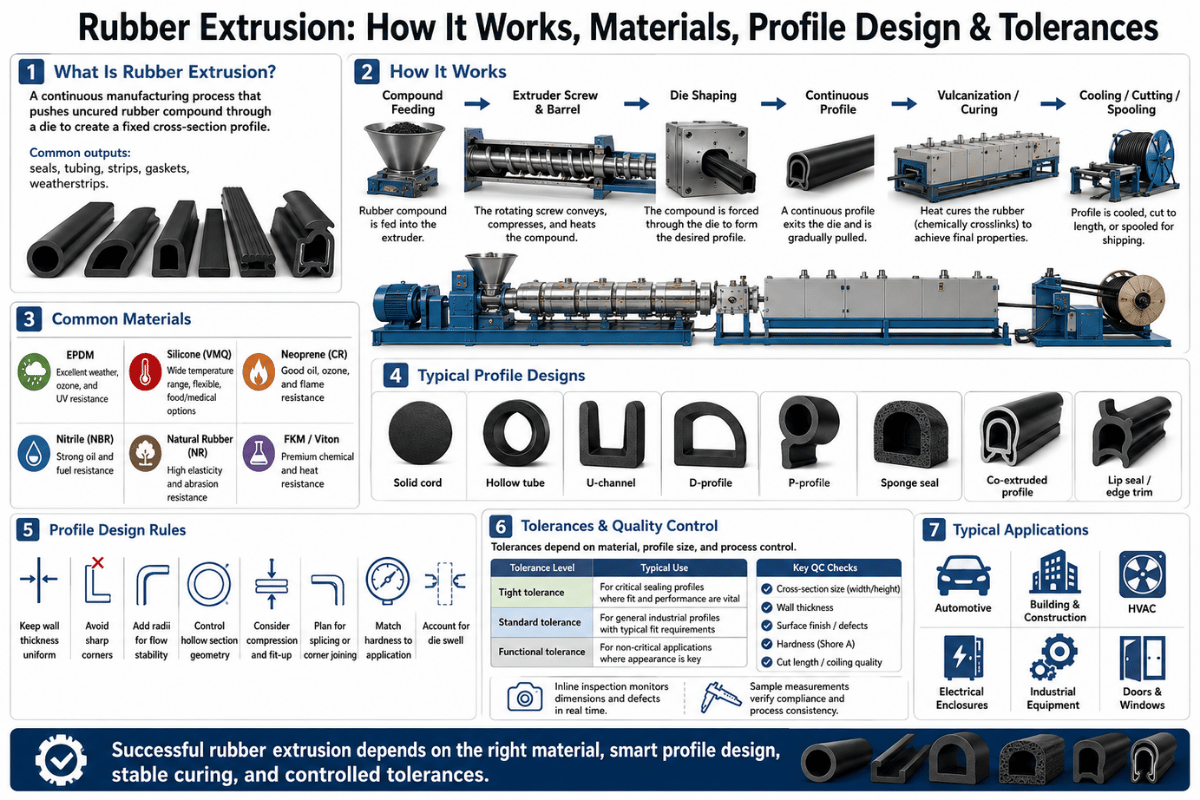
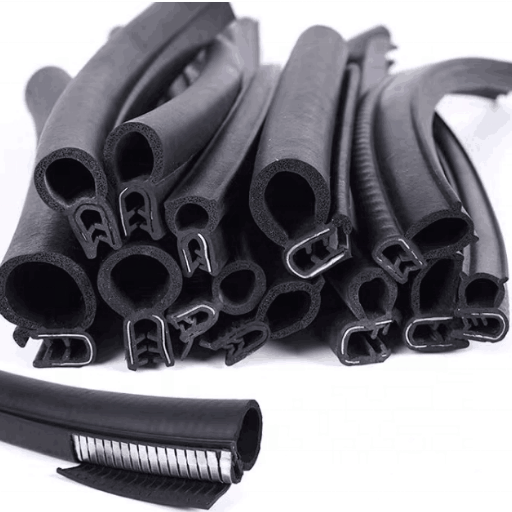
A extrusão de borracha é o processo de fabricação contínua que pega o composto de elastômero não curado e o empurra através de uma matriz moldada, depois forma perfis de seção transversal uniforme, tubos, cabos e canais, todos medidos por pé em vez de parte (já que um perfil pode ser repetido infinitamente).Esta primeira primeira explica o processo em termos de como ele realmente funciona, como escolher um composto, como projetar um perfil para ferramenta mínima e como especificar tolerâncias de acordo com padrões que os engenheiros realmente citam. Destina-se ao engenheiro ou comprador que deve entender o tópico antes de solicitar uma cotação e não um discurso de vendas.
Especificações rápidas: extrusão de borracha
| Tipo de processo | Contínuo; elastômero termofixo ou elastômero termoplástico (TPE/TPV) |
| Compostos comuns | EPDM, silicone, neoprene, nitrila (NBR), SBR, FKM |
| Dureza típica | 300 Shore A (dense); mais macio para esponja |
| Formulários | Co-extrusão sólida (densa), esponjosa/celular, dual-durometer |
| Base tolerância | ISO 3302-1:2014 classes E1/E2/E3 |
| Base de especificações materiais | Chamada de linha ASTM D2000 |
O que é extrusão de borracha? O processo, passo a passo
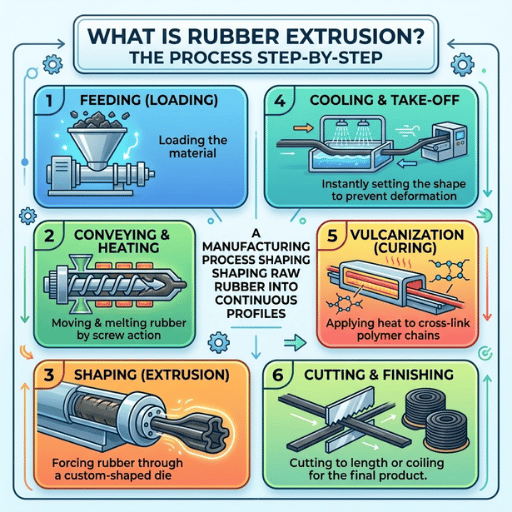
a extrusão de borracha transforma um composto de elastômero heterogêneo perfil contínuo de seção transversal uniforme Ao contrário da moldagem, o perfil é uma parte discreta, a extrusão corre continuamente a matriz define a forma, e o comprimento é efetivamente ilimitado Uma desvantagem de um processo contínuo com uma matriz sintonizada é que o perfil composto não acomodará características de tamanhos variados ao longo de seu comprimento; cada seção transversal deve ser.
O processo passa por seis etapas:
- composição composta. borracha não vulcanizada, curativos, cargas e auxiliares de processo são completamente misturados em uma extrusora interna, em seguida, em folhas ou estratificados Reologia definido aqui controla quão suavemente o perfil mantém a sua forma.
- Alimentação. o composto entra em uma extrusora de parafuso, com extrusoras de alimentação a frio atendendo diretamente ao estoque de tiras e projetos de alimentação a quente pré-aquecendo-o À medida que o parafuso gira, ele transmite uma pressão positiva para trabalhar a borracha em um estado uniforme.
- Formando através da matriz O composto é forçado através de uma placa de matriz de aço, com a abertura oposta ao perfil desejado, ajustada para neutralizar o inchaço e o rebaixamento (discutido abaixo).
- Vulcanização. O comprimento contínuo semi-macio é vulcanizado por uma fonte de calor: ar quente (HAV), microondas (UHF), banho de sal (LCM), vapor ou autoclave Como referências de engenharia observam, a estabilidade dimensional de um perfil de borracha vem de cross-linking durante a vulcanização para que o extrudado não se torne um elastômero dimensionalmente estável até que seja curado.
- Resfriamento e inspeção dimensional O comprimento contínuo curado é resfriado e comparado dimensionalmente ao desenho.
- Corte, enrolamento, emenda O perfil acabado é cortado no tamanho certo, enrolado ou emendado em laços fechados (veja emenda, abaixo).
Como funciona a extrusão de borracha na prática?
Na realidade, a matriz não é uma cópia negativa exata do perfil desejado A borracha quente se expande na saída (estouro inchado) e é puxada mais fina, pela tomada off, do que era na matriz (desenho).Para compensar, o fabricante da matriz afina discando em uma abertura maior ou menor em cada eixo respectivo, depois executando amostras e refinando Os dados têm que ser tocados repetidamente para afinar as coisas, às vezes levando anos, mas uma vez sintonizado sua primeira amostra já é um marco de ferramentas Isso é o que permite que corridas enormes sejam econômicas. Um processo contínuo com uma matriz cuidadosamente ajustada é o que torna a extrusão barata para grandes volumes perfis de borracha produzidos em desenho fixo.
💡 Takeaway chave
a extrusão fornece o comprimento ilimitado que faz ferramentas custam, mas a geometria transversal fixa da geometria e a vulcanização para a dimensão Decisões a jusante (downstream) composto, geometria do perfil, tolerância (toleration) seguem destes dois fatos.
Extrusão vs. Moldagem vs. Calendário: Qual processo se encaixa em sua parte?
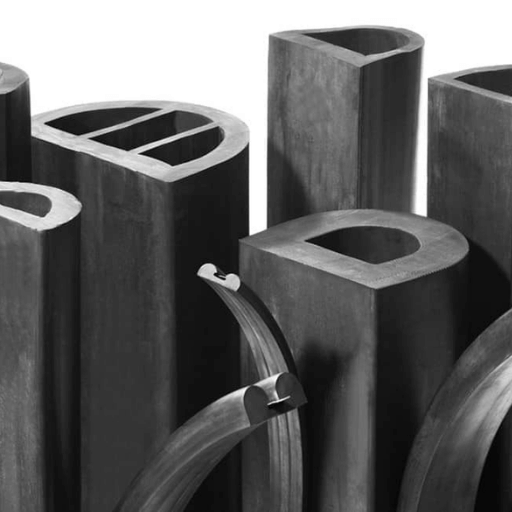
Único erro mais caro no fornecimento de elastômero: o processo antes da geometria (seleção da extrusão, moldagem, calandragem) foi determinado.
| Fator | Extrusão | Moldagem Compressão/Injeção | Calandragem |
|---|---|---|---|
| Geometria | Seção transversal constante, qualquer comprimento | Peças 3 D discretas, características variadas | Folha plana/tecido revestido |
| Custo de ferramentas | Baixo (morrer) | Alto (molde da cavidade) | Muito alto (conjunto de rolos) |
| Prazo de execução do trabalho feito com ferramentas | Dias para aproximadamente 2 semanas | ~80 semanas | Longo |
| Melhor para | Vedações, juntas, tubos, acabamentos, cordões | O-rings, ilhós, foles, peças complexas | Folha, cinto, membranas |
| Capacidade de tolerância | Moderado (ISO 3302-1) | Apertado | Espessura controlada |
A lacuna de custo de ferramentas é maior do que a maioria dos compradores imaginará, e é isso que permite que a extrusão fuja com a produção de vedações e juntas Uma comparação documentada de perfis plásticos colocou as ferramentas de moldagem por injeção em aproximadamente $60.000 contra $7.800 para uma rota de extrusão mais fabricação (uma queda de ferramentas de 87%) e provocou uma queda no preço das peças de magnitude semelhante A borracha segue a mesma economia: os profissionais da indústria geralmente relatam matrizes de extrusão em centenas a milhares de dólares, onde uma injeção de borracha comparável ou custos de molde de compressão em dezenas de milhares. As anedotas precisas variam na complexidade do perfil e a loja (a) conta-as em ordens de grandeza, não em números.
Atalho de decisão: extrude vs. molde
- A peça é uma vedação uniforme, canal, cordão, extrusão.
- Requer recursos 3 D que alteram seu comprimento (chefes, parede variável, extremidades fechadas)? molde.
- É um circuito fechado de seção uniforme (uma junta de estrutura, grande anel de vedação)? extrude e depois emenda.
- É uma folha plana ou tecido revestido? Calender.
Compostos de borracha para extrusão: EPDM, silicone, neoprene, nitrila e muito mais
as escolhas de compostos governam se o perfil vive em seu ambiente Cinco elastômeros abaixo abrangem todas as aplicações de borracha extrudada, exceto um punhado; a escolha ideal é decidida pela temperatura, pelo produto químico ou fluido envolvido e pela exposição ao clima, não apenas por considerações econômicas.
| Composto | Temperatura de serviço indicativa | Forte em | Fraco em |
|---|---|---|---|
| EPDM | aprox. -50 a +150 °C | Ozônio, UV, clima, vapor, água | Óleos de petróleo, combustíveis |
| Silicone (VMQ) | aproximadamente -60 a +230 °C (-80 a +450 °F) | Faixa de temperatura extrema, graus alimentares/médicos | Abrasão, lágrima, muitos óleos |
| Neoprene (CR) | aprox. -40 a +120 °C | Tempo equilibrado + óleo moderado, chama | Ácidos fortes, solventes polares |
| Nitrila (NBR) | aprox. -30 a +120 °C | Óleo de petróleo, combustível, fluido hidráulico | Ozônio, UV, clima |
| FKM (tipo Viton) | aprox. -20 a +200 °C | Produtos químicos agressivos, calor elevado | Custo; Exposição regulatória PFAS (ver Perspectivas) |
Essas faixas de temperatura são guias Limites precisos são ditados pelo composto em questão, pelo nível de dureza, e a duração do tempo parte é exposta ao pico de temperatura um epdm curado com peróxido e um 1TP9 T curado com enxofre comportam-se de maneira muito diferente, e um número de folha de dados não pode ser invocado no limite máximo da faixa Para evitar a referida confusão, a prática recomendada é parar de delinear pelo nome do polímero, e delinear por 1TP8 T D2000 linha chamada out em vez disso (veja muito próxima seção), que indica concretamente atributos de material medidos em vez de uma distinção de marketing reconhecida.
“Perfil ’A rotulado como ”epdm' é quase sem valor Um perfil irradiando para 1TP8 T D2000 com um critério de resistência ao calor e compressão-set indica o que esperar dele na ranhura de vedação três anos depois.”
Condição → atalho composto
- Exterior /selo do tempo, nenhum óleo → EPDM
- Temperatura alta ou muito baixa, alimento/médico → Silicone
- Óleo, combustível ou contato hidráulico → Nitrila
- Exterior equilibrado + algum óleo + chama → Neoprene
- Produtos químicos agressivos + calor (se o orçamento permitir) → FKM
Design de perfil e matriz: as regras que controlam o custo das ferramentas
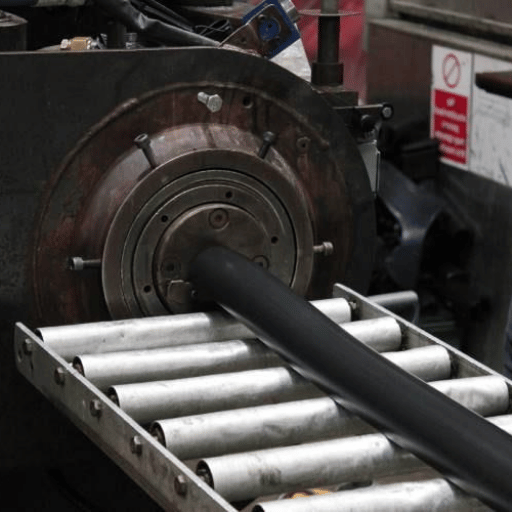
Um perfil extrudado só pode parecer tão bom e econômico quanto seu design permitir, uma vez que a matriz é o padrão inverso da seção transversal, as decisões de geometria estabelecidas no desenho determinarão diretamente a despesa da matriz, a perda de sucata e a precisão que pode ser selecionada pela loja Algumas regras de design para extrusão dirão exatamente quando seu perfil é uma vitória barata em ferramentas e quando, em vez disso, você obtém um perfil lutando contra o processo para sempre.
Nota de Engenharia (design-for-extrusion)
- Consistência da espessura da parede Mantenha as paredes tão consistentes quanto as condições permitirem; transições grossas para finas tendem a curar e esfriar em taxas diferentes, mudando a forma do perfil Escolha ter uma espessura de parede mínima prática de cerca de 1,0-1,5 mm em sua borracha densa.
- Radiar todos os cantos internos Sem vários raios, cantos internos/externos nítidos tendem a promover o fluxo e a focar os obstáculos de desgaste cortados até os raios do alargador, em vez dos ângulos mais estreitos de 90.
- Favorecer a simetria As partes simétricas tendem a buscar forma igualmente Mais uma vez, usar peças de bandeira fina ou muito assimétricas, elas tendem a dimunir a forma, complicando assim a matriz.
- Sólido antes oco Um perfil oco ou multi-lúmen exigirá pinos /mandris e será mais difícil de manter consistente.
- O duplo-durômetro onde ganha seu sustento Co-extrusão de um transportador rígido com uma lâmpada de vedação macia através de uma matriz é poderoso, mas cada material adicionado multiplica a complexidade da matriz e do processo.
Quais são os principais tipos de extrusão de borracha?
engenheiros geralmente significam uma das duas distinções Por alimentação: alimentação a frio (alimentada por tiras, comum, flexível) versus alimentação a quente (pré-aquecida, maior produção).Por construção: mono-material, co-extrudado /durômetro duplo (dois compostos, uma matriz), esponja/celular (agente de sopro para vedações de células fechadas ou abertas) e sólido (denso) Cada um adiciona custo na ordem listada (uma tela útil antes de finalizar a geometria.
O teste de extrudabilidade de 4 perguntas
Antes de enviar um desenho, responda a estes Três ou mais respostas “no” significam um dado caro e uma dura luta de tolerância:
- A espessura da parede é razoavelmente uniforme (sem saltos grossos e abruptos)?
- Cada canto é arredondado em vez de afiado?
- A tolerância que você precisa é alcançável em uma classe ISO 3302-1 (não é uma tolerância de peça moldada)?
- O volume anual justifica uma matriz dedicada sobre um perfil de estoque?
Tolerâncias e padrões dimensionais: ISO 3302-1 e ASTM D2000
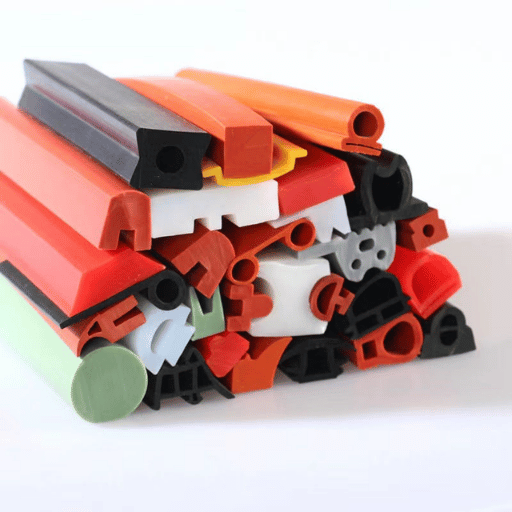
É aqui que a maioria das conversas de fornecimento dá errado, porque a borracha extrudada não contém tolerâncias de metal usinado e nunca deve ser desenhada como se o fizesse. Dois padrões fazem o trabalho pesado: ISO 3302-1 para dimensões e ASTM D2000 para o material.
A ISO 3302-1:2014 define três classes de tolerância para seções transversais de borracha brusca 1 E (alta precisão), E2 (boa/comercial) e E3 (não crítica) (com a banda se alargando à medida que a dimensão nominal cresce:
| Dimensão nominal (mm) | E1± | E2± | E3± |
|---|---|---|---|
| 0 – 1.5 | 0.15 | 0.25 | 0.40 |
| 1.5 – 2.5 | 0.20 | 0.35 | 0.50 |
| 2.5 – 4.0 | 0.25 | 0.40 | 0.70 |
| 4.0 – 6.3 | 0.35 | 0.50 | 0.80 |
| 6.3 – 10 | 0.40 | 0.70 | 1.00 |
| 10 – 16 | 0.50 | 0.80 | 1.30 |
| 16 – 25 | 0.70 | 1.00 | 1.60 |
| 25 – 40 | 0.80 | 1.30 | 2.00 |
| 40 – 63 | 1.00 | 1.60 | 2.50 |
| 63 – 100 | 1.30 | 2.00 | 3.20 |
| mais de 100 | ±1,3% | ±2% | ±3,2% |
Leia essa tabela o caminho certo: especificar E1 em todos os lugares não faz uma parte melhor (torna mais cara, com mais sucata, para tolerância a aplicação pode não precisar Escolha a classe mais solta que ainda funciona e aperte apenas uma ou duas dimensões que são críticas para o selo.
Como você especifica o material com 1TP8 T D2000?
ASTM D2000, o Sistema de Classificação Padrão “Standard para produtos de borracha,” substitui nomes vagos de polímeros por uma chamada de linha medida. Uma chamada como ASTM D2000 M2BG710 A14 B14 decodifica como: M = unidades SI; 2 = grau (requisitos de teste adicionados); BG = Tipo e Classe 7 Tipo 7 é o limite de mudança de tração após 70 horas de envelhecimento térmico a uma temperatura definida (A70C, B100C, C125C, D150C e superior), Classe é volume swell em óleo ASTM IRM 903 após 70 horas; 7 = 70 Shore A (5); 10 = 10 MPa tração (145 para psi); as letras sufixos adicionam requisitos específicos (A = calor, B = conjunto de compressão, C = ozônio, F = baixa temperatura). Uma chamada de “Z adiciona um requisito especial de ZTP 10010, exemplo.
️ Importante
Adicionando cada disponível 200% o sufixo 200% do alfabeto soup“ 2. Forças de composição e teste especiais, preço de inflação e prazo de entrega Especifique apenas os requisitos que o aplicativo realmente experimentará.
Perfis de borracha extrudada comuns e onde são usados
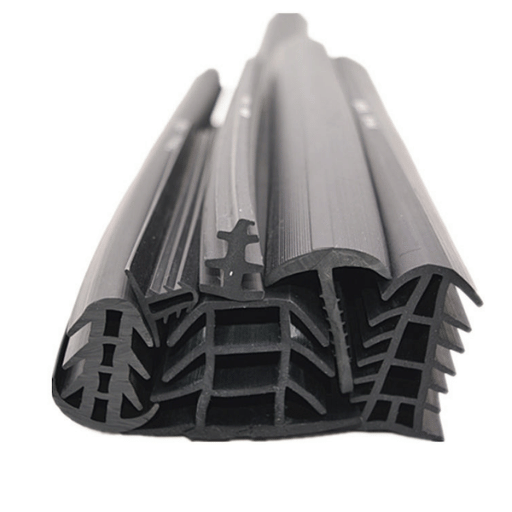
A maioria dos projetos não tem uma forma exótica. Reconhecer o desenvolvimento inicial de matrizes não precisa do membro certo de uma família de perfis comprovados. Reconhecer a família abrevia o desenvolvimento inicial e muitas vezes permite que você comece com uma ferramenta existente.
- Cordão sólido e cordão O: vedações estáticas, anéis emendados, embalagem de glândulas.
- tubulação: transferência fluida/ar, sleeving protetor, isolação.
- Perfis D, P e bulbo: vedações de portas e escotilhas de compressão.
- U-canal & borda guarnição: proteção da borda do painel, canais de envidraçamento.
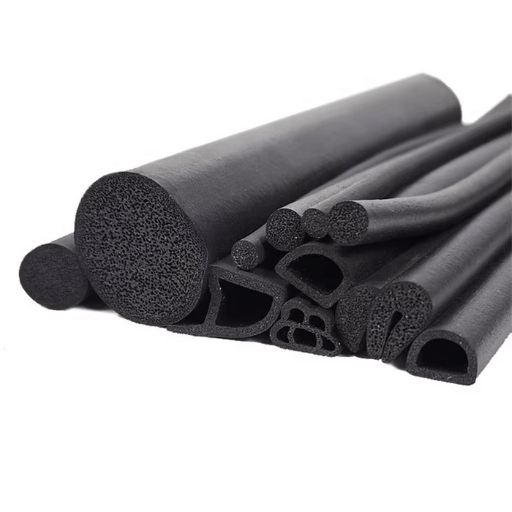
- perfis de esponja: juntas de baixa força de fechamento para lacunas irregulares, fechos e vedações de iluminação.
- Peças retangulares/bumper: pára-choques de doca, almofadas antivibração, tiras de desgaste.
Um breve episódio mostra por que a família é importante Um fabricante de gabinete ordenou uma junta retangular densa epdm para selar um gabinete elétrico externo, em seguida, descobriu que a tampa exigia uma quantidade excessiva de força de fechamento, e ainda pitada-vazou em cantos deformados Uma solução funcional foi não apertar a tolerância foi adotar uma esponja de 1TP9 T D-perfil para combinar com uma lacuna de união desigual em uma fração da força de fechamento.
Mesma família de material, apenas outro perfil de material resolvido, esta decisão deveria ter sido tomada na fase de design, não seguindo o primeiro campo de falha Não é de admirar que Engelhardt‘s linha extrusão in-house pode ir de desenho em amostra em nenhum momento ao amostrar de uma família comprovada.
Splicing, acabamento superficial e operações secundárias
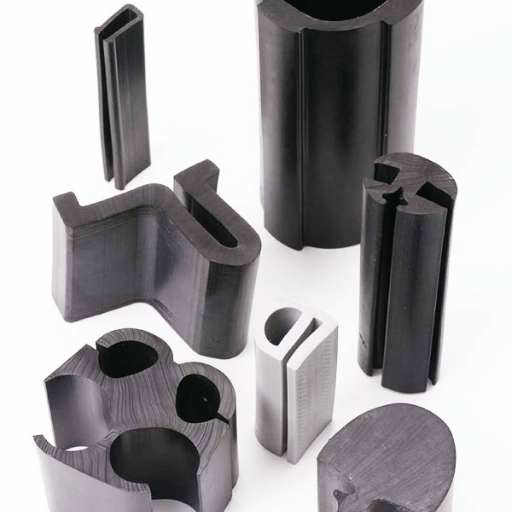
Com a maioria dos perfis extrudados, um comprimento de corte reto é raro. Na verdade, as operações secundárias, como a forma como o perfil é combinado e acabado, muitas vezes podem influenciar se a vedação realmente funciona.
A emenda converte uma extrusão reta em um circuito fechado (uma estrutura do tamanho de uma junta ou anel grande).A emenda vulcanizada a quente é usada para unir o composto sob calor e pressão, levando a uma ligação aproximadamente tão forte quanto o material original; uma emenda fria/adesiva é mais rápida e barata, mas marcadamente mais fraca. Para vedações dinâmicas ou pressurizadas, a emenda vulcanizada deve ser especificada, com o preço transportado; a falha típica no final da vida útil ocorre em uma junta adesiva.
As operações de acabamento na vedação incluem corte no comprimento certo, perfuração e puncionamento (furos de ventilação permitindo que uma vedação se dobre uniformemente sob carga) entalhe, corte, suporte adesivo sensível à pressão para montagem sem fixador, flocagem que minimiza o atrito e o ruído resultante e revestimentos de superfície Essas operações padrão não são nada fora do comum, mas cada uma é uma entrada de tolerância e custo; especifique-os no desenho da peça em vez de encontrá-los na montagem.
Como especificar e obter um perfil de borracha extrudada personalizado
Citar extrusões de borracha personalizadas vai mais rápido quando o pedido chega completo Entregue uma empresa de borracha os seis itens abaixo e você pular a fase de descoberta que, de outra forma, enterra um projeto em semanas de e-mail de esclarecimento:
- Desenho dimensionado em seção transversal, com dimensões-chave marcadas
- Material como uma chamada ASTM D2000 (não apenas “epdm”), com durômetro
- Classe de tolerância por ISO 3302 1 (E1/E3) por dimensão ISO 3 se mista
- Ambiente de funcionamento: faixa de temperatura de funcionamento, fluidos, UV/ozônio, exigências regulamentares
- Volume anual e comprimento de corte/requisito de bobina/loop emendado
- Operações secundárias: tipo de emenda, suporte adesivo, acabamento
Junte esses seis, um fabricante pode citar ferramentas, citar as peças de borracha e fornecer um prazo de entrega realista sem necessidade de fase de descoberta. Se sua especificação for concluída, você pode ir direto para uma cotação para obter um perfil de borracha extrudado personalizado ou selo OEM.
Além de ter um desenho de perfil e um callout 1TP8 T D2000 preparado?
Perspectivas da indústria: o que está mudando na extrusão de borracha (2025 026)
A demanda de pesquisa por extrusão de borracha é plana ano após ano, mas as decisões de engenharia por baixo dela não são Três mudanças valem a pena projetar por volta de agora.
Os elastômeros termoplásticos estão ganhando participação. As análises de mercado mostram que o mercado de elastômeros termoplásticos (TPE/TPV) cresce a ca. 8% um ano ca. $30 bilhões em 2025 em direção à faixa de $50 bilhões de toneladas até 2033, ca. 5% para elastômeros termofixos em geral Para extrusão, os perfis TPE/TPV são recicláveis e de processamento mais rápido, e estão deslocando o epdm termofixo em algumas aplicações de vedação contra intempéries. Se você estiver projetando um novo perfil para 2026, pergunte se um TPV atenderá às especificações antes de usar como padrão o termofixo.
Compostos reciclados e de base biológica estão escalando O mercado de elastômeros reciclados está crescendo em ca 12-13.% a.far mais rápido do que o mercado de base. Os OEMs adicionam metas de conteúdo reciclado às especificações. Espere que as chamadas de conteúdo reciclado apareçam junto com ASTM D2000 em mais RFQs.
A regulamentação do PFAS é agora uma entrada de seleção de materiais Os fluoroelastômeros (1TP14 T/Viton, F1TP14 T) se enquadram na família química PFAS A UE está introduzindo gradualmente restrições à fabricação e comercialização de produtos contendo PFAS, com marcos importantes a partir de 1 o de janeiro de 2026, e um estudo do Parlamento Europeu examinou o impacto industrial de uma ampla restrição O escopo ainda está sendo negociado, mas a direção é clara: se um novo projeto especifica 1TP14 T, documente por que um composto não fluorado (silicone, H1TP13 T) não pode atender ao requisito e acompanhe o cronograma regulatório para essa peça.
Perguntas frequentes
O que é extrusão em borracha?
Ver Resposta
a extrusão de borracha é um processo que força o composto de elastômero misto através de uma matriz moldada para formar um perfil de seção transversal constante, tubo, canal ou trava, que é então vulcanizada em suas dimensões e propriedades elásticas.
Quais são os produtos da extrusão de borracha?
Ver Resposta
Vedações de portas e janelas, juntas, tubos, anéis de vedação e cordão sólido, canais em U e acabamentos de bordas, vedações esponjosas, pára-choques de doca e tiras de desgaste epdm, silicone, neoprene, nitrila e outros compostos.
Qual é a diferença entre borracha extrudada e moldada?
Ver Resposta
a extrusão produz perfis contínuos de seção transversal constante com ferramentas de baixo custo; a moldagem produz peças discretas em 3 D com características que variam ao longo da peça, usando um molde de cavidade de custo mais alto Extrusão de seção constante; molde de peça complexo em 3 D; extrusão de circuito fechado e depois emenda.
Quanto tempo demora o ferramental de extrusão de borracha?
Ver Resposta
Uma matriz de extrusão normalmente é produzida em dias a aproximadamente duas semanas, normalmente mais rápido do que as 20 semanas típicas de uma injeção de produção ou molde de compressão, porque a matriz é uma placa de formato único em vez de uma cavidade de múltiplas partes.
A borracha extrudada é à prova d'água
Ver Resposta
a borracha extrudada densa é efetivamente impermeável à água, e o epdm e o silicone resistem bem à exposição a longo prazo à água e às intempéries A esponja de célula fechada também veda contra a água; a esponja de célula aberta não é e não deve ser usada como barreira primária à água.
Os perfis de borracha extrudados podem ser feitos de qualidade alimentar ou retardadores de chama?
Ver Resposta
Sim. As classes de contato com alimentos são especificadas por meio de uma chamada Z ASTM D2000 para conformidade com FDA 21 CFR 177.2600; as classes retardadoras de chama usam compostos classificados (por exemplo, UL 94 ou padrão ferroviário EN 45545-2).Especifique o requisito regulatório explicitamente na chamada.
Como os perfis de borracha extrudados são unidos em laços fechados?
Ver Resposta
Por emenda. Uma emenda vulcanizada a quente cura um composto de união sob calor e pressão para uma ligação quase resistente ao pai; uma emenda fria/adesiva é mais barata, mas mais fraca. As vedações dinâmicas e de pressão devem usar a emenda vulcanizada.
Como este guia foi construído
As seções de tolerância e de especificação de materiais dependem dos padrões publicados que os engenheiros realmente citam ISO 3302:2014 classes dimensionais de borracha extrudada e 1TP8 T D2000 para chamadas de linha composta (composite line call-outs) (custos e lead-time figures) são apresentadas como ordem de grandeza, não cotações, porque variam de acordo com o perfil e a loja Este guia é mantido pela equipe de engenharia em 1TP2 T, um fabricante de borracha que opera um sistema de qualidade IATF16949 com um laboratório de testes de materiais de 12 instrumentos interno.
Recursos Relacionados
- perfis de borracha extrudados personalizados & selos do OEM 100.000 m2, materiais e aquisições
- Sobre Engelhardt Instalação de fabricação de borracha e sistemas de qualidade
Referências e fontes
- ISO 3302-1:2014 Rubber, tolerâncias para produtos Ção Internacional para Normalização
- Sistema de classificação padrão 1TP88T2000 ASTM para produtos de borracha ASTM Internacional
- Vulcanização ^ Wikipédia
- Extrusão ^ Wikipédia
- PFAS e o seu papel como facilitadores da competitividade da indústria europeia 0 Parlamento Europeu