
Entrez en contact avec Engelhardt


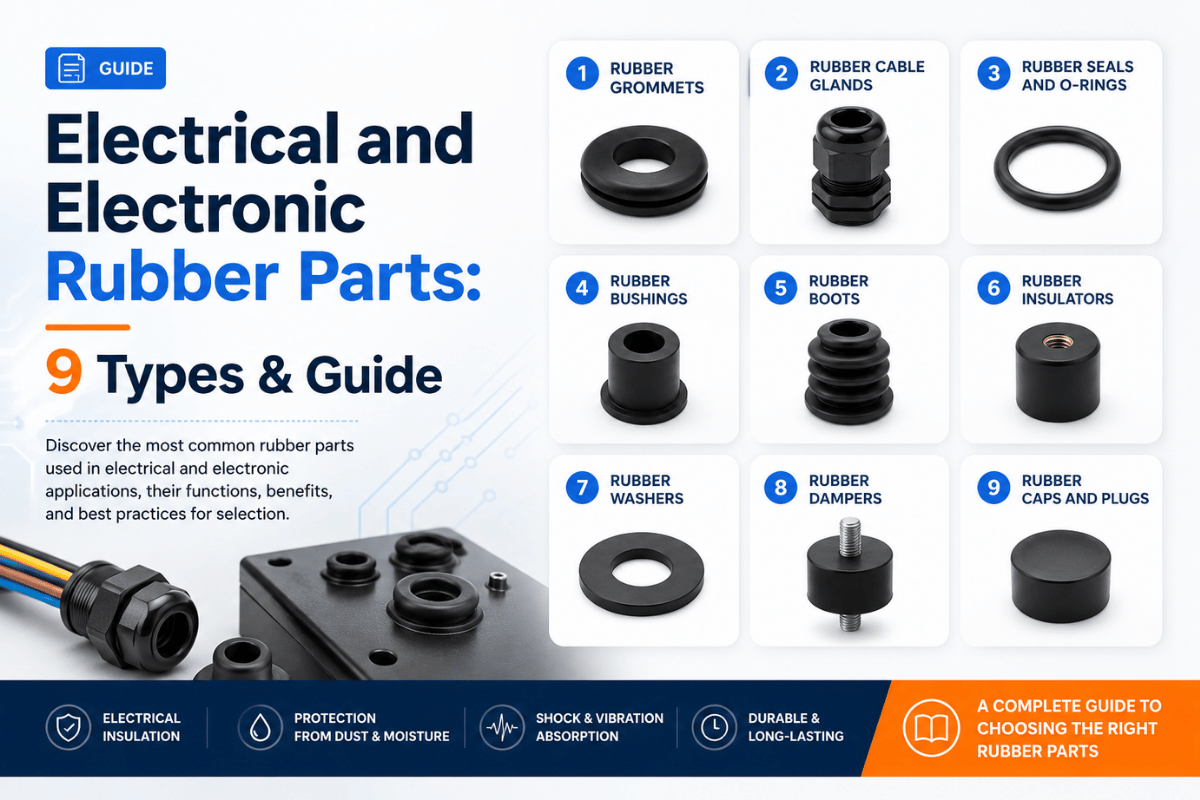
Spécifications rapides : pièces en caoutchouc électriques et électroniques
| Emplois primaires | Isoler · joint · bouclier EMI/RFI · humidité vibrante |
| Matériaux communs | Silicone (VMQ/LSR), EPDM, néoprène (CR), nitrile (NBR), fluorosilicone (FVMQ) |
| Résistance diélectrique (silicone) | ~243 kV/mm ; résistivité volumique ~10¹410¹5 Q·m |
| Température de service | -60 °C à +230 °C (silicone) ; -40 °C à +120 °C (NBR/CR) |
| Blindage EMI (conducteur) | ~60120 dB par charge conductrice |
| Normes clés | CEI 60243 /ASTM D3755 (diélectrique) · CEI 60529 (IP) · UL 94 (inflammabilité) · ASTM D2240 (dureté) · RoHS/REACH |
Que sont les pièces en caoutchouc électriques et électroniques ?
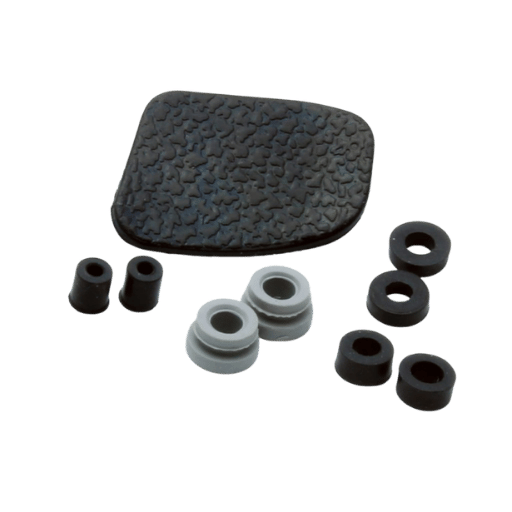
Les pièces en caoutchouc électriques et électroniques sont des composants en élastomère conçus pour effectuer un ou plusieurs des quatre travaux à l'intérieur d'un ensemble motorisé : isoler (blocage du courant et tension de résistance), sceller (conservez la poussière et l'humidité, selon une classification IP), bouclier (bloquer les interférences électromagnétiques), et humide (absorber les vibrations et les chocs).La même pièce en fait souvent deux à la fois, un coffre de connecteur moulé isole une borne et la scelle de l'humidité dans la même géométrie.
Le stress, la chaleur et l'humidité sont les trois facteurs à l'origine de la plupart des pannes électroniques que ces composants sont censés prévenir : ils provoquent des courts-circuits, des interférences de signal et une fatigue mécanique. Une véritable réponse est rarement “rubber” dans l'abstrait, c'est un élastomère spécifique, à une dureté spécifique, validé par rapport à une norme spécifique. Le comportement d'isolation du silicone, par exemple, est bien caractérisé recherche sur la force de ventilation évaluée par des pairs, 1, d'où proviennent les figures diélectriques plus loin dans ce guide.
9 types de base de pièces en caoutchouc électriques et électroniques
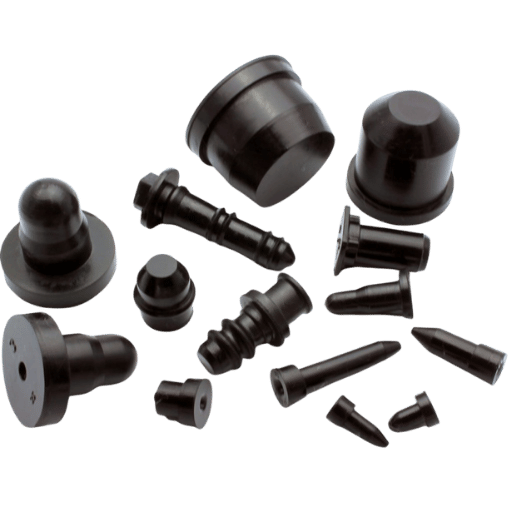
La plupart du matériel électronique utilise une combinaison de ces familles. Notre Tableau de fonction en caoutchouc électronique en 9 parties mappe chacun à son travail principal, un élastomère typique et au mode de défaillance qui le met le plus souvent hors service.
| Famille partielle | Emploi primaire | Matériel typique | Mode de défaillance dominant |
|---|---|---|---|
| Oeillets de câbles et reliefs de contrainte | Isoler + protéger l'entrée du fil | EPDM, NBR, silicone | Abrasion /déchirure au bord |
| Joints et joints | Poussière/humidité du joint (IP) | Silicone, EPDM | Ensemble de compression |
| Anneaux toriques | Étanchéité statique/dynamique | NBR, FKM, silicone | Houle chimique/ensemble |
| Bottes et soufflets | Isoler + protection flex | Silicone, néoprène | Flex fatigue fissuration |
| Supports vibrants | Choc humide/vibration | Caoutchouc naturel, néoprène | Fluage/durcissement |
| Claviers en caoutchouc silicone | Entrée tactile + joint | Silicone (pilule conductrice) | Usure de contact |
| Joints EMI | Coutures d'enceinte de bouclier | Silicone conducteur | Corrosion galvanique |
| Joints de connecteur | Contacts scellage + isolation | Silicone, FKM | Durcissement par vieillissement thermique |
| Manches et capuchons isolants | Bornes isolantes/joints | Silicone, EPDM | Suivi/dégradation UV |
Deux des termes de recherche les plus volumineux dans cet espaceœillets en caoutchouc et les passe-fils électriques, asseyez-vous dans la première rangée, et pour cause : une entrée de câble est l'endroit le plus courant où un concepteur a besoin de caoutchouc pour isoler et protéger en même temps Deux familles d'étanchéitéjoints et joints et Anneaux toriquesgérer la protection contre les entrées, que nous couvrons ci-dessous.
Sélection de matériaux en caoutchouc : silicone vs 1TP9 T vs néoprène vs nitrile vs fluorosilicone
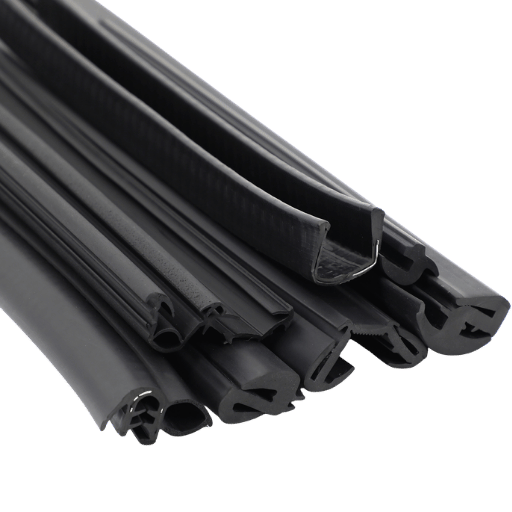
C'est là que la plupart des spécifications tournent mal, car l'habitude par défaut est de choisir le prix plutôt que la température de fonctionnement et les exigences diélectriques du travail Notre tableau compare les cinq élastomères que vous utiliserez pour le 901TP20 T de pièces électriques et électroniques dans leurs plages de température de fonctionnement.
| Matériel | Température de service | Diélectrique | Meilleur à | Coût relatif |
|---|---|---|---|---|
| Silicone (VMQ/LSR) | -60 à +230 °C | Bien (24 kV/mm) | Température, flexibilité | Med. |
| EPDM | -50 à +150°C | Meilleur du groupe | Météo, ozone, eau | Faible |
| Néoprène (CR) | -40 à +120 °C | Bien | Huile équilibrée + flamme | Bas |
| Nitrile (NBR) | -40 à +120 °C | Plus faible du groupe | Résistance au pétrole et au carburant | Faible |
| Fluorosilicone (FVMQ) | -60 à +175 °C | Bien | Carburant + température large | Haut |
Classement diélectrique par données publiées sur les propriétés des matériaux ; chiffres sur le silicone corroborés par des études de résistance à la décomposition évaluées par des pairs.
Voici la surprise que le tableau rend évidente : le silicone n'est pas automatiquement le meilleur isolant. Dans les données matérielles côte à côte, 1TP9 T se classe au premier rang pour la rigidité diélectrique parmi les élastomères courants tandis que nitrile se classe le plus bas. Le silicone gagne sa place sur la plage de température et la flexibilité, pas sur un nombre diélectrique de pointe Ce seul fait réorganise beaucoup de silicone d'utilisation pour tout ce qui concerne les spécifications de“.
Règle de sélection diélectrique-première en 3 étapes
Commandez vos critères de décision dans cette séquence, et non l'inverse :
- Épinglez d'abord l'enveloppe diélectrique + température, peut-elle isoler au point le plus chaud qu'elle ait jamais vu ?
- Écran chimique/exposition au milieu en second, huiles, carburants, solvants, ozone, UV.
- Peser le coût en dernier, choisissez uniquement parmi les matériaux qui passent déjà les étapes 1 et 2.
La plupart des défaillances de champ que nous voyons remontent à un choix axé sur le coût qui n'a jamais eu la marge diélectrique ou de température au départ.
Isolation électrique et propriétés diélectriques : ce que signifient les chiffres
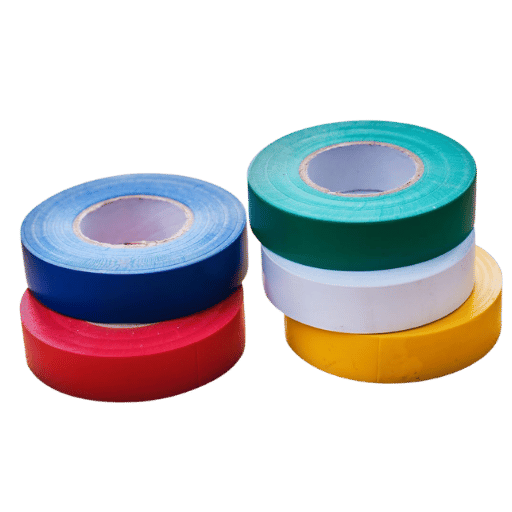
La résistance diélectrique est la tension qu'un matériau peut supporter par unité d'épaisseur avant qu'il ne se décompose, exprimée en kV/mm et mesurée par CEI 60243 ou, pour DC, ASTM D3755. Le caoutchouc silicone atterrit généralement à 24 k/mm avec une résistivité volumique d'environ 10¹410¹5 · · 2, chiffres confirmés recherche sur la force de ventilation évaluée par des pairs sur composites silicones.
Pour transformer cela en une figure utilisable, faites l'arithmétique de votre propre épaisseur de paroi :
📐 Engineering Note 📐 La tension du support a fonctionné exemple
Une paroi en silicone de 2 mm à 25 kV/mm donne un théorique tenue de 25. 2 = 50 kV. En pratique, les distances de dératage dur : température, contamination de surface, géométrie (champ de concentration des coins pointus) et fuite/dégagement sont toutes coupées dans cette figure. Une règle courante consiste à concevoir une fraction de la valeur du laboratoire et à valider avec un test hi-pot. Ne publiez jamais le numéro diélectrique du laboratoire comme indice de fonctionnement.
Se tromper et l'échec est impitoyable : un connecteur qui clignote sur le terrain parce que l'épaisseur de paroi a été spécifiée au numéro diélectrique du laboratoire plutôt qu'à une valeur de travail dératée Dans notre travail de moulage pour les programmes électroniques OEM, les murs d'isolation sont conçus sur une bande de tolérance de ±0,1 mm et validés lot par lot avec un test hi-pot sous notre processus 1TP4 T, non signé à partir d'une figure de fiche de données seule.
Et le point à contre-courant mérite d’être gardé à l’esprit : le caoutchouc n'est pas toujours un isolant. Le même polymère de base peut être chargé de charges conductrices pour le rendre volontairement conducteur, ce qui est exactement le fonctionnement des joints EMI, et le sujet de la section suivante.
Blindage EMI/RFI avec caoutchouc conducteur
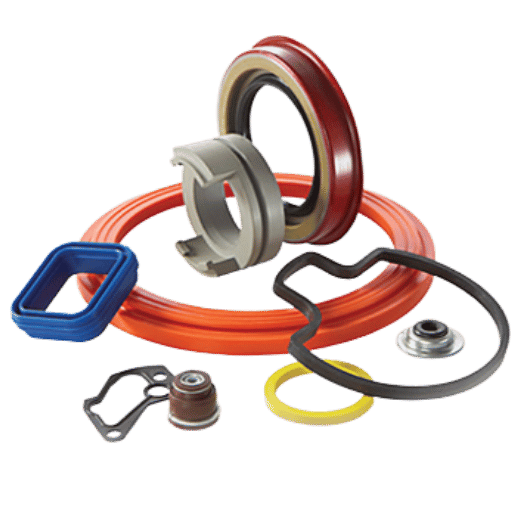
Qu'est-ce que le caoutchouc conducteur ?
Le caoutchouc conducteur est un élastomère silicone ou fluorosilicone chargé de particules métalliques ou métalliséesargent, argent-aluminium, argent-cuivre, nickel-graphite ou carboneil conduit donc l'électricité tout en se comportant comme un joint. Boulonné sur une couture d'enceinte, il ferme les espaces qui autrement laisseraient échapper des interférences électromagnétiques, vous donnant un joint et une limite de Faraday dans une partie.
L'efficacité de blindage (SE) est mesurée en décibels Notre échelle ci-dessous convertit dB en l'atténuation qu'elle représente réellement, utile lorsqu'une spécification indique “60 dB” et que vous devez savoir ce que cela achète.
| Efficacité du blindage | Atténuation | Utilisation typique |
|---|---|---|
| 20 dB | 90% | Lumière, basse fréquence |
| 40 dB | 99% | Consommateur général EMC |
| 60 dB | 99.9% | Industriel/médical |
| 100120 dB | 99.999%+ | Défense /RF-dense |
La plupart des joints en silicone conducteurs se situent dans la bande 60010 dB en fonction de la charge.
“Sélectionner le matériau du joint par compatibilité galvanique et fréquence de blindage, la corrosion galvanique entre le joint et la surface de l'enceinte est un chemin de défaillance principal pour le blindage EMI.”
JEMIC, Principes de conception des joints d'étanchéité EMI
Cette citation souligne l'erreur la plus coûteuse de cette catégorie. Les concepteurs sont obsédés par la conductivité globale du joint, mais l'échec qui apparaît au cours de la troisième année l'est corrosion galvanique à l'interface entre un joint à roulement argenté et une bride nue en aluminium Les rapports de terrain décrivent la chute de l'efficacité du blindage de 20 dB ou plus après exposition au comburant. Le correctif est une correspondance galvanique de remplissage à bride (par exemple, nickel-graphite contre aluminium), et non une note dB plus élevée sur papier.
Scellement environnemental et évaluations IP
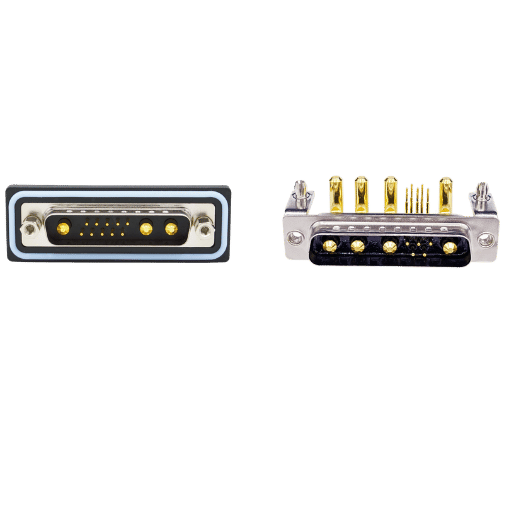
Lorsqu'une pièce en caoutchouc doit empêcher la poussière et l'eau d'entrer dans l'électronique, la cible est un code IP ci-dessous CEI 60529. Le premier chiffre est constitué de solides, le second est constitué de liquides.
| Code IP | Protection | Sceau typique |
|---|---|---|
| IP54 | Protégé contre la poussière + éclaboussures | Mousse ou joint souple |
| IP65 | Jets étanches à la poussière + à l'eau | Joint moulé/Joint torique |
| IP67 | Étanche à la poussière + 1 m/30 min | Joint de compression/anneau torique |
| IP68 | Immersion continue | Anneau torique de précision dans une glande |
Les praticiens rapportent une règle empirique cohérente : pour une ouverture ronde, atteignez d'abord un joint torique ou un cordon torique et utilisez un joint moulé uniquement là où la géométrie le force. Un joint est aussi bon que le boîtier, un joint compatible IP67 sur un couvercle en plastique flexible ne tiendra pas IP67.
📐 Engineering Note : ensemble de compression et remplissage de glande
Concevoir un joint statique à la compression 15220T et vérifier la capacité de compression de l'élastomère : un matériau qui prend un ensemble permanent perd sa force d'étanchéité au cours du cycle de température Pour les joints toriques, la cible ~7085% se remplit pour que le joint ait de la place pour se déformer sans extruder. Valider avec un test d'entrée, pas seulement une section transversale CAO.
Isolement des vibrations et des chocs
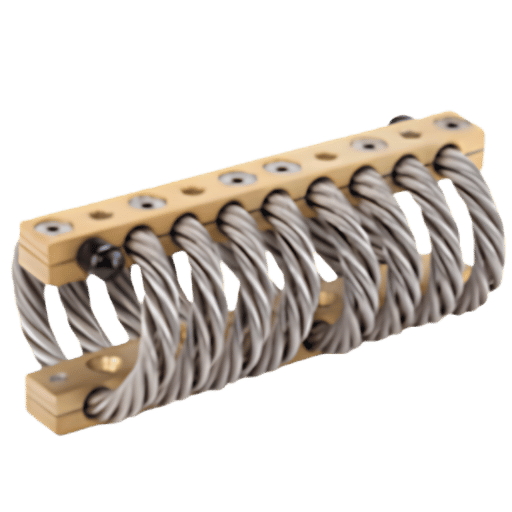
Les supports en caoutchouc offrent une isolation des vibrations pour les circuits imprimés, les connecteurs et les écrans, les protégeant des vibrations qui autrement fatigueraient les joints de soudure et desserreraient les attaches. Deux leviers contrôlent le résultat : duromètre (dureté, sur l'échelle Shore A par essai de dureté standard) et géométrie du montage.
Les montures plus douces (Foyer inférieur A, souvent 3050) isolent plus de vibrations mais s'affaissent davantage sous charge ; les montures plus dures (60 Foyer A) portent plus de poids mais transmettent plus d'énergie L'erreur classique est le sur-raidissement : une monture trop dure pour la masse qu'elle porte ne fournit presque aucune isolation, car la fréquence naturelle du système s'élève au-dessus de ~30 Hz dans la plage que vous essayiez de filtrer, et la pièce échoue en desserrant les connecteurs sur des milliers de cycles Pour l'électronique automobile et industrielle, les ingénieurs 1TP2 T font correspondre la dureté Shore A à la masse supportée et confirment le résultat sur une table shaker avant de commettre un outillage de précision, un champ empêche un champ coûteux.
Comment sont fabriquées les pièces en caoutchouc électriques et électroniques
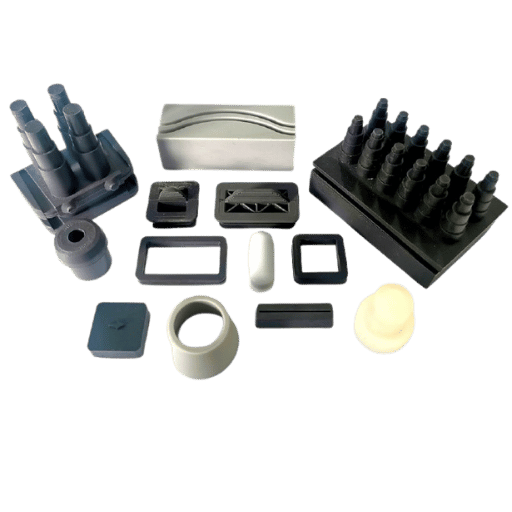
Les pièces en caoutchouc électrique et électronique sont produites par l'un des quatre procédés de moulage, compression, transfert, injection ou caoutchouc de silicone liquide (1TP15 T) : sélectionnées principalement par le volume de production et la précision requise, et souvent combinées avec une liaison caoutchouc-métal. pour les supports et les assemblages collés Notre tableau mappe chaque itinéraire jusqu'à l'endroit où il gagne ; pour une panne plus profonde, consultez notre comparaison des méthodes de moulage du caoutchouc et Moulage EPDM guides, plus liaison caoutchouc-métal.
| Processus | Point doux du volume | Coût d'outillage | Meilleur pour |
|---|---|---|---|
| Moulage par compression | Bas | Faible | Grandes pièces, prototypes |
| Moulage par transfert | Moyen | Moyen | Inserts, tolérance plus serrée |
| Moulage par injection | Haut | Haut | Précision de grand volume |
| Injection LSR | Haut | Haut | Caractéristiques fines, claviers, sceaux |
| Liaison caoutchouc-métal | N'importe lequel | Moyen | Supports, pièces de connecteur liées |
En tant que mouleuse personnalisée 1TP3 T et 1TP4 T exécutant les quatre voies plus le collage caoutchouc-métal pour les programmes électroniques OEM et Tier 1/Tier 2, nos conseils pratiques sont simples : prototype en moulage par compression pour valider le composé et la géométrie à moindre coût, puis passer à l'injection ou 1TP15 T une fois la conception et le volume annuel verrouillés Le processus de commutation après l'outillage est le moyen coûteux d'apprendre que la pièce avait besoin d'une tolérance plus stricte.
Normes et conformité : UL 94, RoHS, tests IP et diélectriques
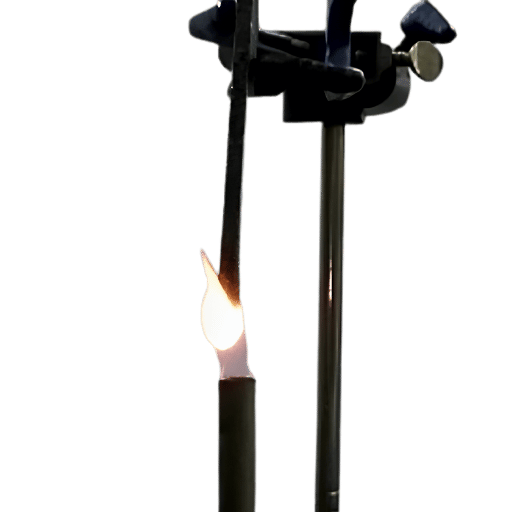
Une pièce en caoutchouc électrique ou électronique se tient rarement seule dans un dossier de conformité Construisez la spécification autour de cette liste de contrôle pour que rien ne fasse surface lors de la certification :
- ✔ UL 94 inflammabilitéappelez V-0, V-1, V-2 ou HB pour correspondre à la note de l'enceinte (Silicone rempli d'ATH peut atteindre des cibles de flamme tout en gardant son isolation).
- ✔ RoHS/ATTEINTEplomb limité à 0,11TP20 T (1000 ppm) en poids ; vérifier le composé et toute charge conductrice.
- ✔ Code IP CEI 60529indiquez la cible et comment elle est vérifiée.
- ✔ dureté ASTM D2240spécifiez Shore A avec une tolérance (par exemple, 60 ±5).
- ✔ Essai diélectrique/isolation-résistanceselon la CEI 60243 ou ASTM D3755 où la pièce isole.
Comment spécifier et source de pièces en caoutchouc électriques et électroniques
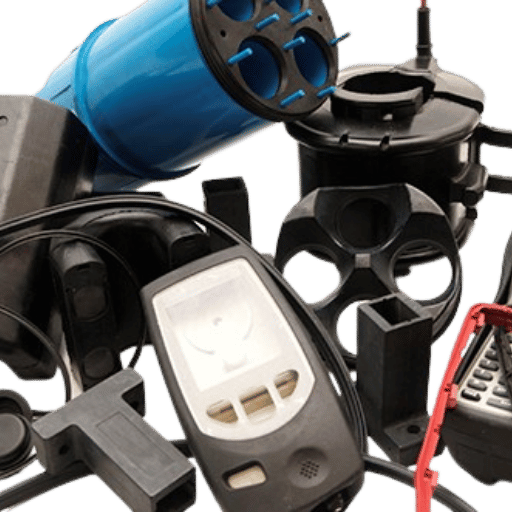
La différence entre un devis rapide et trois tours de va-et-vient est une RFQ complète Avant d'envoyer un dessin, verrouillez ces six champs :
Liste de contrôle de préparation RFQ
- Matériau + durcissement (par exemple, silicone 1TP15 T, durcissement au platine)
- Duromètre avec tolérance (Réserve A ±5)
- Classe de tolérance dimensionnelle (RMA/appel de dessin)
- Norme applicable (grade UL 94, code IP, RoHS)
- Volume annuel + EAU (procédé drives + outillage)
- Finition/couleur/marquage et toute exigence de remplissage conducteur
Besoin d'aide pour transformer une application en spécification ? Utilisez notre guide des matériaux silicone vs caoutchouc et référence de tolérance de moulage de caoutchouc, (ou) envoyer le dessin pour examen.
Demander un devis sur les pièces en caoutchouc électrique et électronique →
Perspectives de l'industrie : quelle est la demande de moteurs pour les pièces en caoutchouc électronique
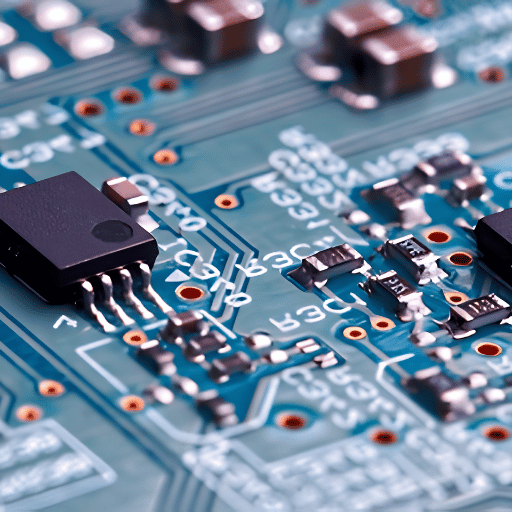
Trois forces remodèlent les choix de matériaux en 2026, et chacune est une raison pour revoir les spécifications plus anciennes plutôt que de les copier vers l’avant.
L'électronique de puissance EV et la 5 G poussent les pièces plus chaudes et à plus haute fréquence. À mesure que les onduleurs, les chargeurs embarqués et les radios mmWave fournissent plus d'énergie en volumes plus petits, les exigences thermiques et de fuite poussent les concepteurs du EPDM vers le silicone haute température et le fluorosilicone, et vers des joints conducteurs conçus pour des fréquences plus élevées. Travaux évalués par des pairs sur les élastomères conducteurs améliorés par des charges (2025) suit le même changement vers le blindage EMI, les appareils portables et la robotique douce.
La régulation est la fonction de forçage à court terme. Dans le cadre de la RoHS de l’UE, plusieurs exemptions devraient expirer le 21 juillet 2026, [TRADUCTION], rétrécissement des matériaux et des finitions autorisés en électronique Une erreur coûteuse consiste à traiter une pièce de 2026 comme une pièce de 2020, un joint d'étanchéité pour l'électronique de puissance EV autrefois spécifié pour +125 °C qui doit maintenant survivre à +175 °C, ou un connecteur dont la charge conductrice repose sur une exemption expirante Parce que requalifier un composé risque des mois de retard, les ingénieurs de 1TP2 T verrouillent les choix de silicone et de fluorosilicone à haute température pour ces programmes automobiles et OEM une année complète à l'avance, soutenus par 1TP3 T et un outillage interne plutôt qu'une ruée de dernière minute.
Pour le contexte du marché uniquement : le marché du blindage EMI est évalué à environ 8 milliards de dollars en 2026 avec un TCAC à un chiffre moyen, un contexte directionnel, et non une raison en soi pour modifier une conception.
Foire aux questions
Q : Quel caoutchouc est utilisé en électronique ?
Voir la réponse
Cinq élastomères font l'essentiel du travail : le silicone (1TP16 T/1TP15 T) pour la température et la flexibilité, le 1TP9 T pour les intempéries et la rigidité diélectrique, le néoprène pour une résistance équilibrée à l'huile et aux flammes, le nitrile (1TP13 T) pour l'huile et le carburant, et le fluorosilicone pour le carburant sur une large plage de température.
Q : Le caoutchouc est-il un bon isolant électrique ?
Voir la réponse
La plupart du caoutchouc est un isolant puissant. Le silicone atteint une rigidité diélectrique d'environ 24 kV/mm, mais la valeur varie considérablement selon le composé et la charge. Le EPDM a tendance à isoler le mieux parmi les élastomères courants et le moins nitrile, et les qualités conductrices sont conçues pour faire le contraire et conduire. Ainsi, les isolats en caoutchouc“ sont une hypothèse de départ et non une garantie ; spécifiez toujours la figure diélectrique et vérifiez-la avec un test en hi-pot avant de vous en fier.
Q : Qu'est-ce que le caoutchouc conducteur, et en quoi est-il différent du caoutchouc isolant ?
Voir la réponse
Le caoutchouc conducteur est la même base en silicone ou en fluorosilicone chargée de particules conductrices : argent-aluminium, nickel-graphite ou carbone ; il transporte donc du courant au lieu de le bloquer. Il est utilisé pour les joints EMI/RFI et les pièces ESD. Le caoutchouc isolant n’utilise pas une telle charge.
Q : Silicone vs EPDM, ce qui est meilleur pour l'électronique ?
Voir la réponse
Ni l'un ni l'autre n'est universellement mieux assorti l'élastomère à la contrainte dominante Le silicone gagne sur la plage de température (à +230 °C) et la flexibilité, il convient donc aux pièces chaudes ou fines, tandis que le 1TP9 T gagne sur la résistance à l'eau, aux intempéries et à l'ozone et les bords du silicone sur la rigidité diélectrique, il convient donc aux joints extérieurs ou exposés à l'eau. Pour une pièce qui vit au soleil et à la pluie, choisissez le EPDM ; pour celui qui est chaud, choisissez le silicone.
Q : Les pièces en caoutchouc électrique et électronique sont-elles ignifuges ?
Voir la réponse
Pas par défaut 1'inflammabilité dépend du composé De nombreuses pièces en caoutchouc électronique sont spécifiées dans une classe 1TP19 T 94 (V-0 est la qualité commune la plus exigeante, jusqu'à HB).Le silicone peut être rendu ignifuge avec des additifs tels que le trihydrate d'alumine (ATH) tout en gardant son isolation, de sorte que les qualités de silicone remplies sont courantes lorsqu'une valeur de flamme est requise. Confirmez la classe UL 94 sur la fiche technique plutôt que de supposer que le polymère de base est évalué.
Q : contre quoi un joint en caoutchouc IP67 protège-t-il réellement ?
Voir la réponse
En vertu de la CEI 60529, IP67 signifie que l'enceinte est étanche à la poussière et survit à une immersion dans 1 m d'eau pendant 30 minutes Elle ne certifie pas la protection contre les jets à haute pression (c'est-à-dire le deuxième chiffre couvrant IPx6) ou à immersion continue (IPx8) ceux-ci sont des tests distincts.
À propos de cette analyse
Ce guide consolide les données diélectriques, de protection EMI et d'évaluation IP provenant d'études évaluées par des pairs, de normes CEI et 1TP8 T et de brevets USPTO, référencées par rapport à notre expérience d'atelier en matière de moulage de silicone, 1TP9 T et d'élastomères conducteurs pour les programmes électroniques. Lorsqu'un chiffre dépend du composé, de la charge ou de la géométrie, nous le disons plutôt que de publier un seul numéro. Révisé par l'équipe technique Engelhardt.
Références et sources
- 1TP8 T D3755 DC rigidité diélectrique des câbles isolés en caoutchouc de siliconeCNRC AMÉRICAIN
- Matériaux isolants polymères et tests diélectriquesUniversité d'État des Appalaches
- Composites de caoutchouc silicone à haute résistance à la ruptureévalué par des pairs (PMC)
- Ignifugation & isolation électrique du caoutchouc silicone rempli d'ATHévalué par des pairs (PMC)
- Élastomères conducteurs rehaussés par remplissage pour les applications de nouvelle génération (2025)Springer
- IEC 60529 Ingress Protection (IP) évaluationsCEI
- Charges conductrices pour joints de blindage EMI (US8822842B2)USPTO