
Entrez en contact avec Engelhardt
5
familles d'élastomères moulées en interne


Composants moulés en silicone, 1TP15 T, 1TP9 T et élastomère conducteur conçus pour les exigences diélectriques, d'étanchéité et EMI des produits électriques et électroniques intégrés à votre dessin, non extraits d'un catalogue.
1TP2 T moules passe-partout, claviers, joints de blindage EMI, joints d'enceinte, isolateurs et supports antivibratoires pour les fabricants d'électronique dans le monde entier Nous contrôlons le composé, l'outillage et la qualité dans une usine certifiée 1TP4 T et 1TP3 T.
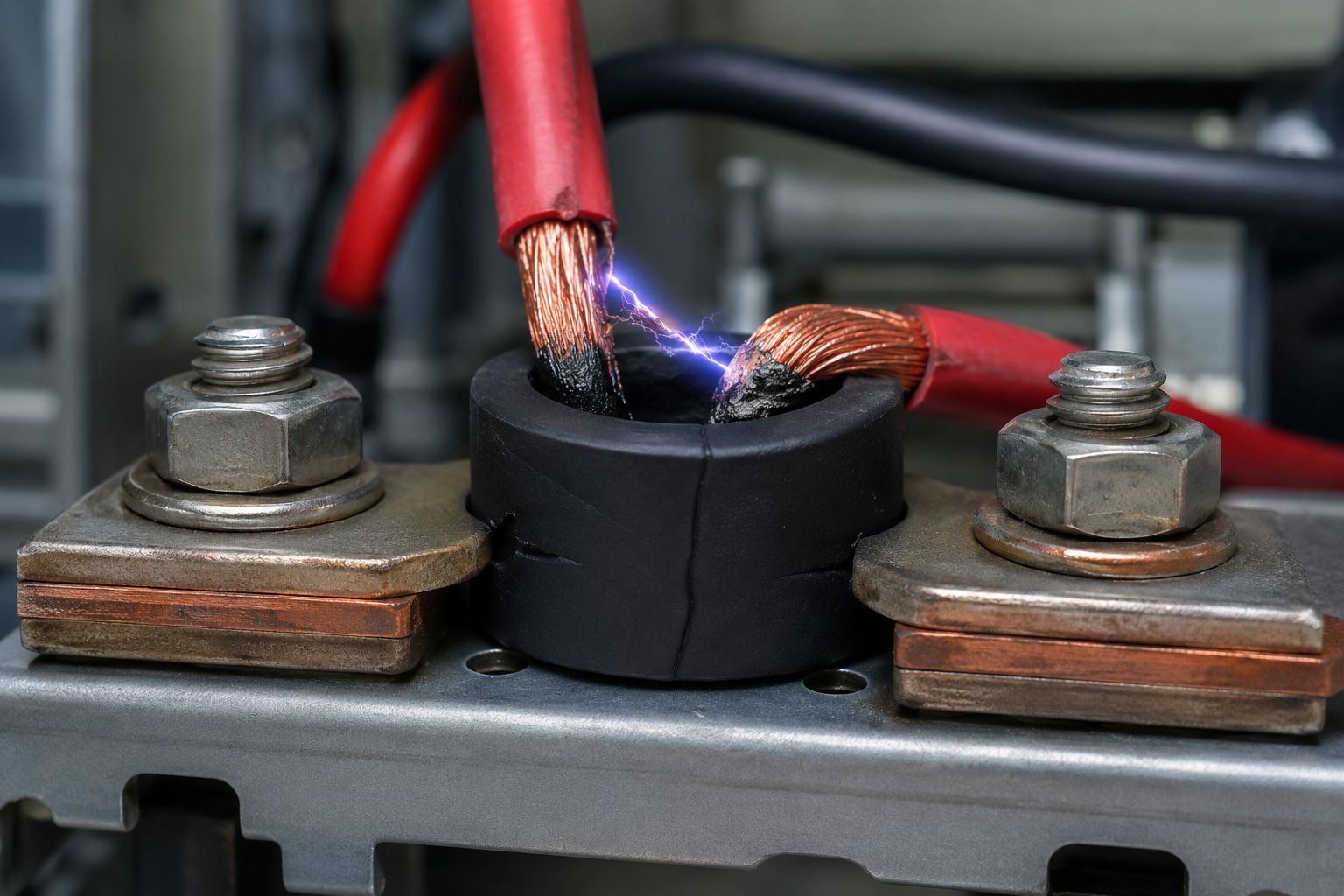

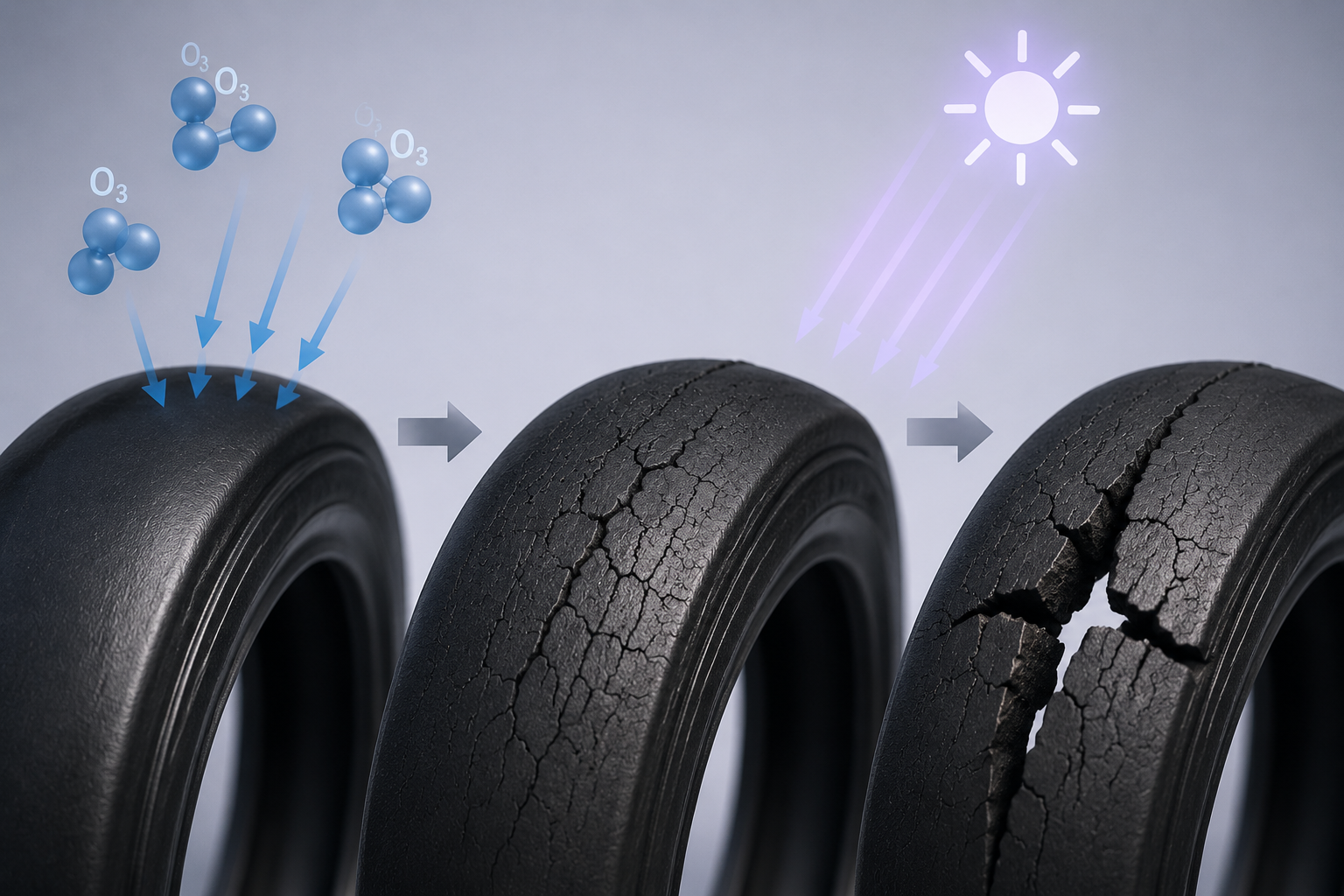
Les pièces en caoutchouc personnalisées pour les produits électriques et électroniques échouent sur le terrain pour une raison bien plus souvent que tout autre composé pour la mauvaise propriété Une pièce en caoutchouc électrique ou électronique doit isoler, sceller, protéger, amortir ou actionner à l'intérieur de l'équipement alimenté, et chacun de ces travaux exige un élastomère différent Choisissez plutôt une qualité familière de résistance à l'huile par habitude, et dix-huit mois plus tard, les pistes d'isolation ou les fuites de joint.
Le caoutchouc nitrile est un mauvais isolant électrique, mais il est régulièrement spécifié pour les pièces situées sur des conducteurs sous tension car il est bon marché et résistant à l'huile.
Un joint d'enceinte sous charge constante subit une déformation permanente, perd la force de contact et le joint IP ouvre un chemin de fuite pour l'humidité.
L'ozone attaque les chaînes polymères insaturées dans le caoutchouc naturel, les fissures de surface SBR et nitrile se propagent jusqu'à ce que la pièce se divise à un point de contrainte.
Chacune de ces traces remonte à la même cause fondamentale Les composants en caoutchouc disponibles dans le commerce sont formulés pour une application moyenne générique, de sorte que l'élastomère, la dureté et le système de durcissement ne correspondent jamais à la rigidité diélectrique, à la plage de température et à l'exposition chimique de votre produit spécifique.
Nous partons de l'exigence électrique, pas du composé le moins cher L'élastomère est sélectionné pour les données diélectriques et thermiques mesurées, la pièce est moulée sur une coupe d'outillage pour votre géométrie, et elle est vérifiée dans notre propre laboratoire avant que le premier lot de production ne soit expédié.
Cette page est organisée de la façon dont une revue d'ingénierie exécute la gamme de produits et la sélection de matériaux, une comparaison personnalisée par rapport au catalogue, nos contrôles de fabrication et de qualité, nos certifications et un guide d'approvisionnement transparent. 1TP2 T produit des composants en caoutchouc moulés sur mesure depuis 2009, de sorte que les conseils ici reflètent la pratique de production plutôt que la copie de brochure.
Nous moulons six familles de composants en caoutchouc pour les assemblages électriques et électroniques Chaque est une pièce en caoutchouc personnalisée produite à partir de votre dessin ou d'un échantillon d'ingénierie inverse, dans le composé dont l'application a réellement besoin.

Oeillets de protection et d'étanchéité des bords qui font passer les fils et les câbles à travers des enceintes métalliques et plastiques.

Claviers en caoutchouc de silicone moulé avec sensation tactile définie et force d'actionnement constante pour les interfaces utilisateur.
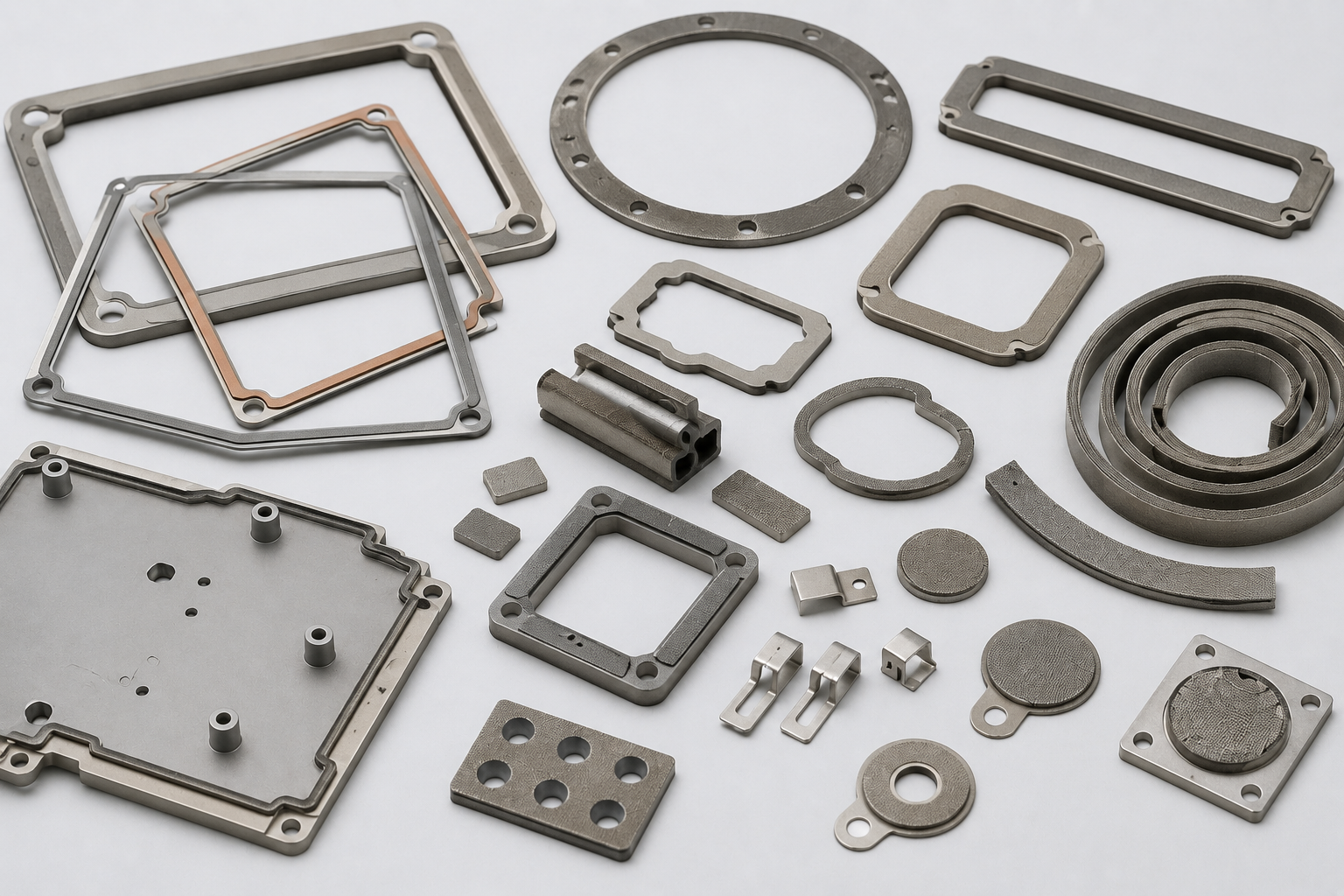
Joints conducteurs en caoutchouc qui scellent une enceinte et bloquent les interférences électromagnétiques au niveau de la même couture.
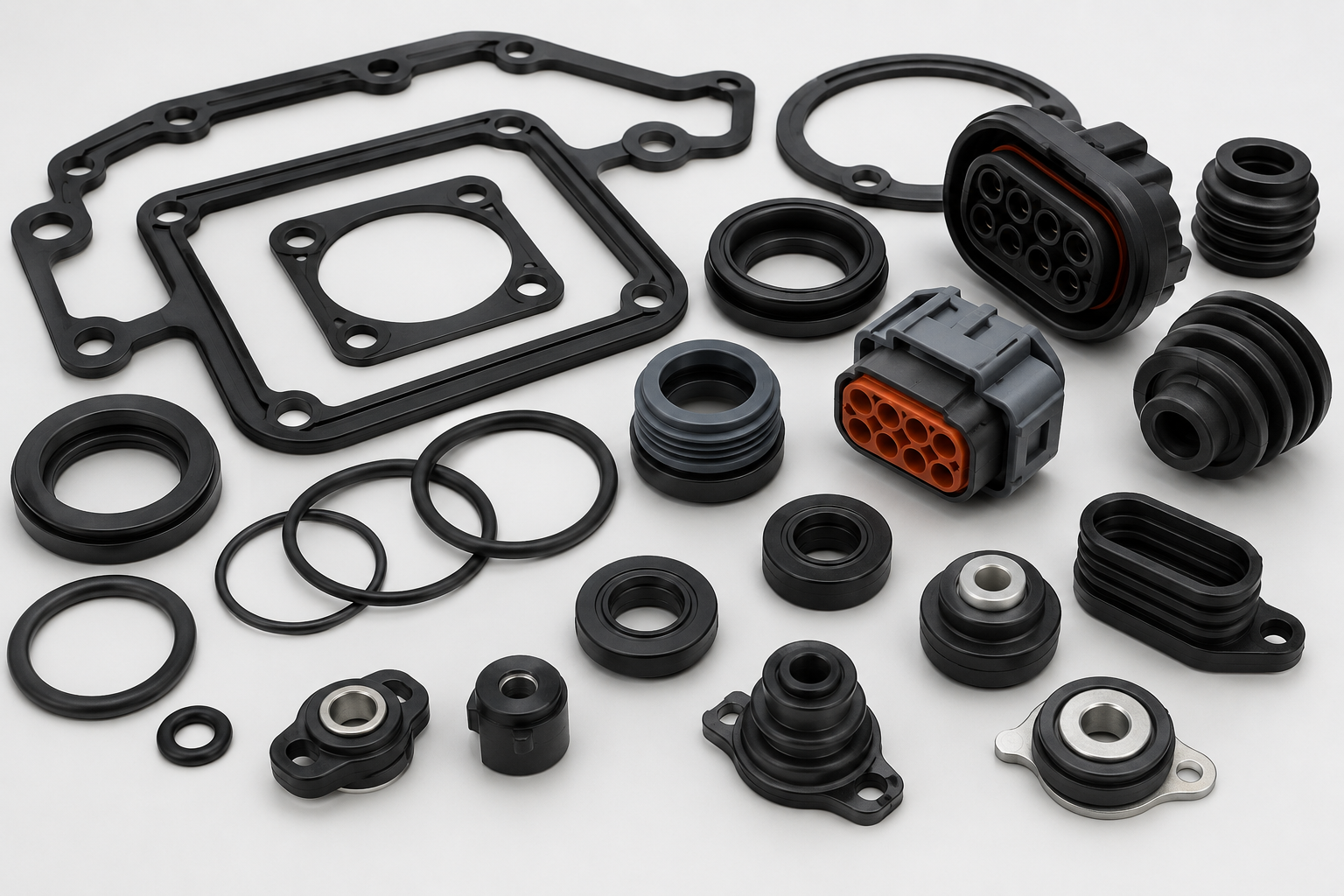
Joints en caoutchouc personnalisés et joints toriques qui détiennent une cote IP dans tous les cycles de température et de pression.

Isolateurs en caoutchouc moulé qui maintiennent l'isolation électrique tout en localisant et en protégeant les composants.
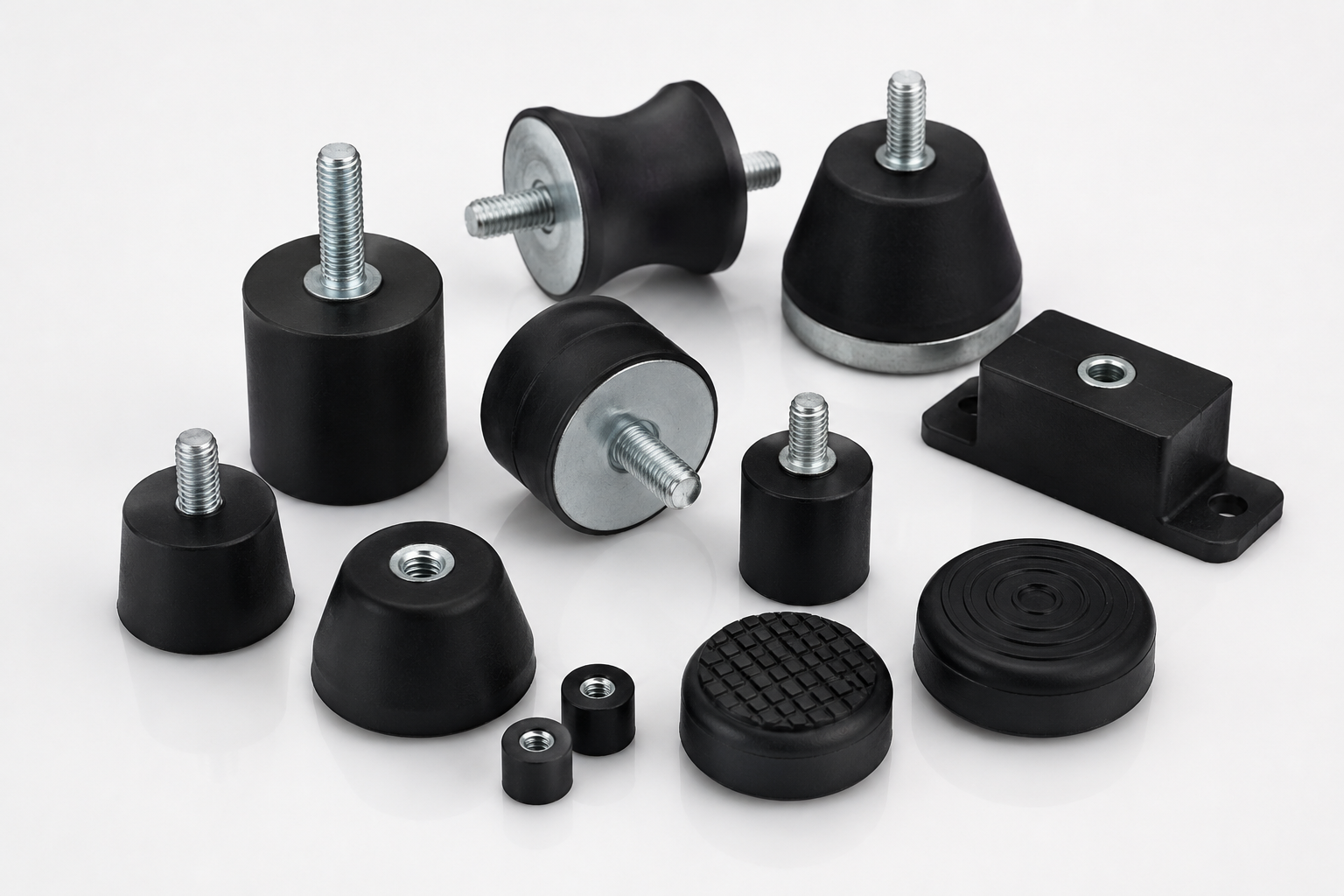
Supports d'isolement et pieds en caoutchouc qui protègent les circuits imprimés et les assemblages des chocs et de la résonance.
| Composé | Résistance diélectrique | Plage Temp | EMI/conductivité | Cote de flamme | Pièces E&E les mieux ajustées |
|---|---|---|---|---|---|
| Silicone (VMQ) | 20 5 kV/mm | -60 à 200°C | Isolateur | UL 94V-0 | Claviers, isolateurs |
| Silicone liquide (LSR) | 20 5 kV/mm | -50 à 200°C | Isolateur | UL 94V-0 | Joints de précision |
| EPDM | Haut | -40 à 150°C | Isolateur | Ignifuge | Oeillets extérieurs |
| Silicone conducteur | Conductif | -50 à 200°C | Blindage EMI | Grades V-0 | Joints EMI |
| Critère | Pièce en caoutchouc disponible dans le commerce | pièce moulée sur mesure Engelhardt |
|---|---|---|
| Composé correspondant aux spécifications électriques | Générique grade : diélectrique non vérifié | Sélectionné pour les données diélectriques et thermiques mesurées |
| Tolérance dimensionnelle | catalogue ≈ ±0,25 mm typique | à ±0,05 mm (classe RMA A1) |
| La géométrie s'adapte à l'enceinte | Taille de stock la plus proche | Moulé à votre dessin exact |
| Conformité Flame /RoHS/REACH | Non garanti | Composé documenté au UL 94, RoHS, REACH |
L'inquiétude la plus courante de l'acheteur que nous entendons est simple : un mouleur étranger peut-il réellement conserver les spécifications, lot après lot ? La réponse est intégrée à la manière dont l’usine est gérée.
Derrière ces presses se trouve une équipe construite autour de chimistes, d'ingénieurs en outillage et de spécialistes en moulage de caoutchouc personnalisés avec plus d'une décennie d'années d'expérience. Cette profondeur nous permet de traiter une pièce électrique exigeante comme un travail de routine plutôt que comme une expérience, et cela signifie qu'un fournisseur peut couvrir l'intégralité de votre nomenclature : aux côtés des pièces électriques et électroniques, nous moulons des pièces en caoutchouc moulées sur mesure pour un scellement et un usage industriel, ainsi que des composants en silicone et en plastique haute performance.
Contrôle composé avant que la pièce ne soit moulée
La qualité dans une pièce en caoutchouc moulé est décidée dans la salle de mélange Notre système automatisé de mélange en amont alimente le mélangeur en matière contre une recette prédéfinie, en maintenant la précision du dosage à 0,31TP20 T. Cela supprime les erreurs d'ingrédient manuel (matériau mal adapté, manquant ou à double dose) qui déplacent tranquillement le comportement diélectrique et mécanique d'un composé entre les lots.
La conception et la fabrication des moules fonctionnent en interne sur des équipements d'usinage à grande vitesse, de sorte que les itérations d'outillage restent rapides et que la géométrie de vos pièces n'est jamais envoyée à un tiers. Chaque composé passe ensuite devant notre propre laboratoire avant la production. Des viscosimètres Mooney et des rhéomètres à matrice mobile vérifient le composé, tandis que les chambres à brouillard salin, à humidité et à vieillissement thermique confirment qu'il survit à l'environnement de service.
Depuis 2017, l'usine exécute des systèmes ERP, MES et QMS. Chaque pièce transporte la traçabilité des lots avant et arrière de la matière première entrante par le mélange, le moulage, le parage et l'inspection jusqu'au lot expédié. Si une question se pose, nous pouvons la retracer jusqu'à l'étape exacte du matériau, de la machine, de l'opérateur et du processus.
L'outillage en aluminium/pont est plus rapide et moins coûteux pour les volumes précoces et moyens ; l'outillage en acier trempé convient à une production soutenue en grand volume.
Complexité et coût d'outillage de l'ensemble de nombre de cavités ; plus de cavités réduisent le prix par pièce au volume.
Le 1TP15 T et le silicone conducteur coûtent plus de 1TP9 T ou de néoprène ; la matrice ci-dessus montre l'échelle relative.
Le volume définit le processus de moulage et amortit l'outillage en fonction du plus grand levier du prix par pièce.
Nous prenons en charge les lancements à faible volume ainsi que la production soutenue. Le processus de moulage est adapté à votre volume plutôt que de forcer un minimum élevé, et le délai d'exécution de l'outillage et l'échantillonnage sont comparés à votre pièce spécifique pendant le devis. Pour un coût d'outillage exact, MOQ et une estimation du délai de livraison, envoyez votre dessin ou un échantillon de pièce, et vous recevrez un devis construit sur vos paramètres réels plutôt que sur une plage d'espace réservé.
Rationalisez votre processus d'approvisionnement en composants avec nos outils d'ingénierie basés sur les données et nos cadres d'évaluation, spécialement conçus pour les fabricants d'électronique d'entreprise.
Évaluez les propriétés physiques, la résistance thermique et la compatibilité chimique pour identifier la matrice de caoutchouc optimale pour vos applications électriques.
S'assurer que tous les paramètres critiques du projet sont définis de manière rigide avant la citation Éliminez les coûts cachés et évitez les retards d'ingénierie en aval.
Un cadre coût-bénéfice définitif comparant les composants moulés sur mesure aux solutions de catalogue disponibles dans le commerce pour la mise à l'échelle de l'entreprise.
Des réponses claires et directes concernant les propriétés des composés, l’économie de l’outillage et les protocoles de production pour l’approvisionnement en électronique d’entreprise.
Pour l'isolation, le silicone et le plomb 1TP15 T offrent une rigidité diélectrique de 20 kV/mm de 20 kV/mm et une large plage de température. Le EPDM convient à l'étanchéité extérieure, au blindage des poignées en silicone conducteur et au nitrile doit être tenu à l'écart des positions en circuit sous tension car il s'agit d'un mauvais isolant. La matrice de sélection de matériaux ci-dessus mappe chaque composé à sa partie la mieux ajustée.
Oui. Envoyez un échantillon ou un dessin Nous identifions la famille d'élastomères, confirmons les dimensions et les propriétés dans notre laboratoire, et citons un équivalent moulé sur mesure (utile) lorsqu'un fournisseur d'origine n'est plus disponible.
Il n'y a pas de MOQ fixe unique Nous faisons correspondre le processus de moulage à votre volume, ce qui nous permet de prendre en charge les lancements à faible volume ainsi que la production à grand volume Votre MOQ est confirmé sur la citation pour votre partie spécifique.
L'outillage que vous payez vous appartient La propriété du moule est indiquée par écrit sur la citation, et la géométrie de votre pièce n'est jamais envoyée à un tiers car l'outillage est conçu et coupé en interne.
Oui. Nous fournissons la documentation RoHS et REACH et les certificats de matériaux avec la pièce, et offrons des qualités UL 94 ignifugées jusqu'à V-0. Confirmez la qualité exacte dont vous avez besoin pendant le devis afin qu'elle soit verrouillée avant que l'outillage ne soit coupé.
Les composés de silicone 1TP15 T fournissent généralement 20 et 5 kV/mm de rigidité diélectrique, testés selon 1TP8 T D149. Le chiffre utilisable dépend du composé spécifique et de l'épaisseur de la pièce, ce que nous confirmons par rapport à la fiche technique de la qualité de production.
Oui. Nous produisons des composants caoutchouc-métal et caoutchouc-plastique moulés par insert et liés, communs aux joints de connecteur, aux supports antivibratoires et aux pièces EMI mises à la terre. Le moulage par transfert et par injection donne à ces pièces la consistance de moule fermé dont elles ont besoin.
Le dosage composé est automatisé avec une précision de 0,31TP20 T près, et chaque lot est enregistré dans notre système MES avec traçabilité directe et inverse. La pièce expédiée un an après le début de la production est conservée dans le même registre de composé et de processus que l'échantillon approuvé.
Le délai d'exécution de l'outillage dépend de la complexité de la pièce et du type d'outillage. L'outillage en aluminium est plus rapide que l'acier trempé. Nous mettons en avant le délai d'exécution de l'outillage et le calendrier d'échantillonnage du premier article par rapport à votre dessin pendant le devis, et effectuons l'échantillonnage.