
Mettiti in contatto con Engelhardt
5
famiglie di elastomeri modellate internamente


Silicone stampato LSR, EPDM e componenti in elastomero conduttivo ingegnerizzati per le richieste di dielettrico, sigillatura ed EMI di prodotti elettrici ed elettronici (Moulctric, Sigiling and EMI), non estratti da un catalogo.
Engelhardt stampi anelli di tenuta, tastiere, guarnizioni di schermatura EMI, guarnizioni di recinzione, isolatori e supporti antivibranti per produttori di elettronica in tutto il mondo Controlliamo composto, utensili e qualità in un impianto certificato ISO 9001 e IATF 16949.
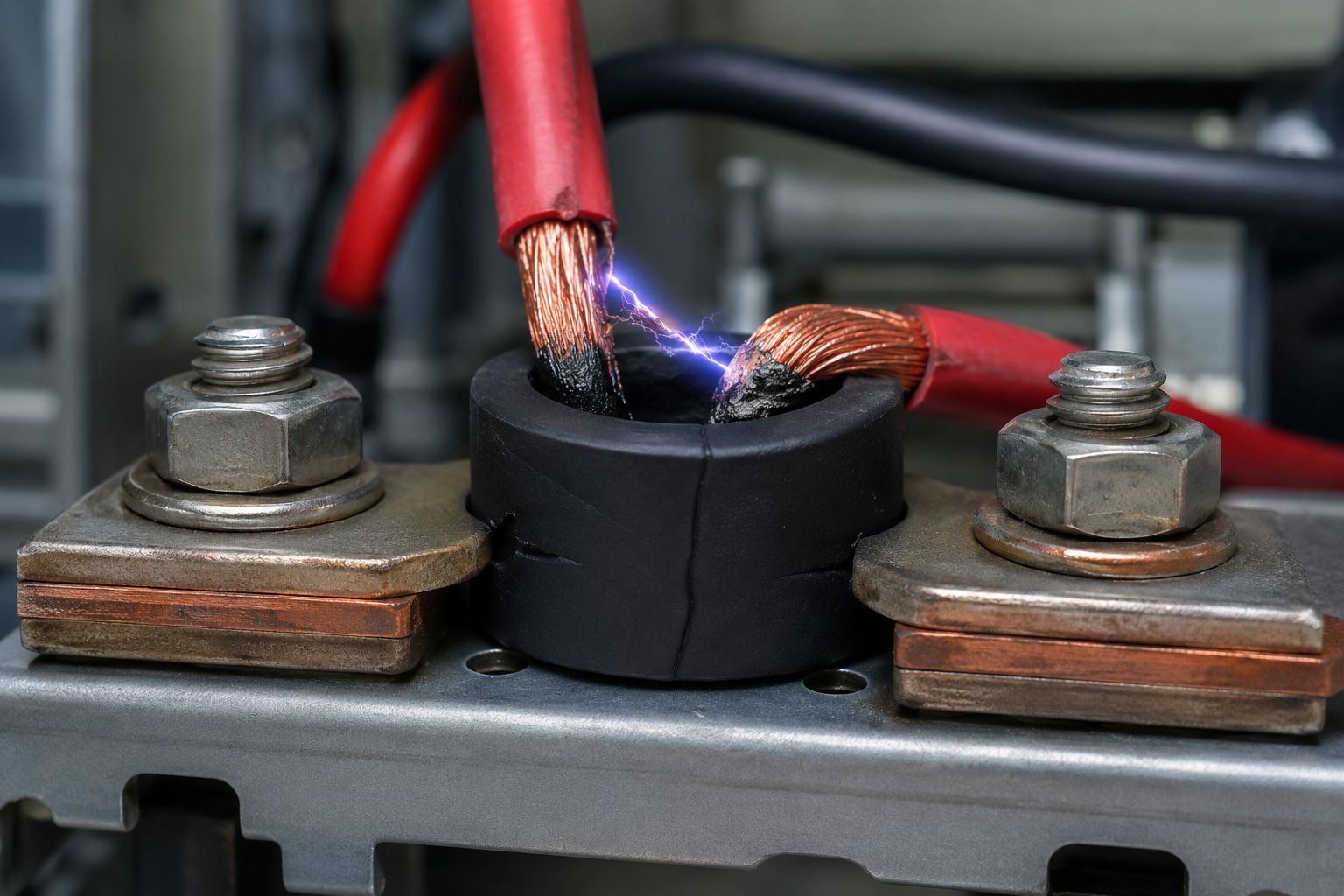

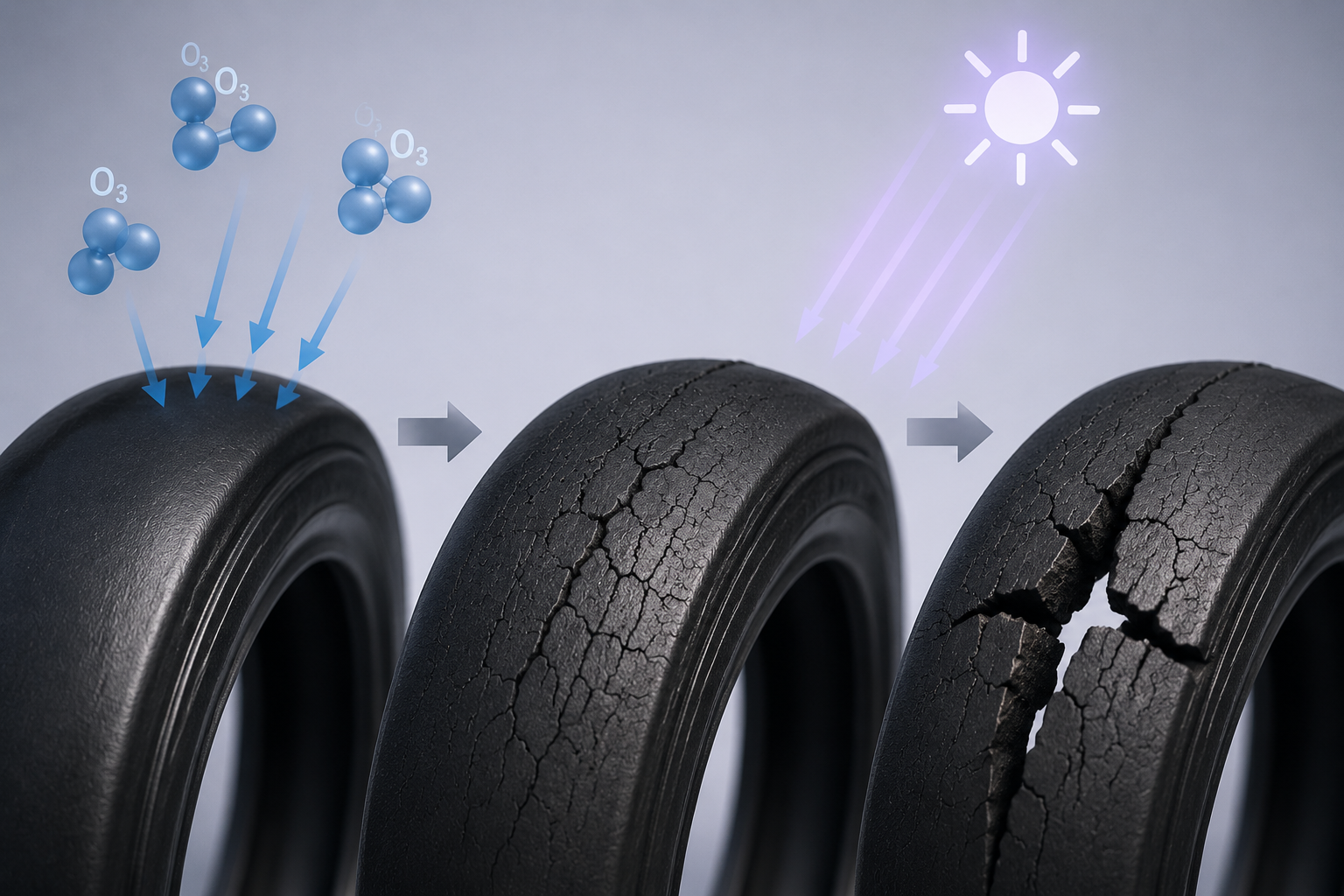
I prodotti elettrici ed elettronici personalizzati delle parti di gomma falliscono nel campo per una ragione molto più spesso di qualsiasi altra proprietà di gomma sbagliata del composto di gomma di gomma di O.N.T. è stata scelta per la proprietà di una parte elettrica o elettronica di gomma deve isolare, sigillare, schermare, ammortizzare o attivare all'interno di apparecchiature alimentate, e ciascuno di questi lavori richiede un elastomero diverso Scegli invece un grado familiare resistente all'olio per abitudine, e diciotto mesi dopo le tracce di isolamento o le perdite di tenuta.
La gomma nitrilica è un isolante elettrico scadente, ma viene regolarmente specificata per le parti che si trovano sui conduttori sotto tensione perché è economica e resistente all'olio.
Una guarnizione dell'involucro sotto carico costante subisce una deformazione permanente, perde forza di contatto e la guarnizione IP apre un percorso di perdita per l'umidità.
L'ozono attacca le catene polimeriche insature nella gomma naturale, le crepe superficiali SBR e nitriliche si propagano finché la parte non si divide in caso di stress.
Ognuno di questi risale alla stessa causa principale I componenti in gomma standard sono formulati per un'applicazione media generica, quindi l'elastomero, la durezza e il sistema di polimerizzazione non corrispondono mai alla rigidità dielettrica, all'intervallo di temperatura e all'esposizione chimica del tuo prodotto specifico.
Partiamo dal fabbisogno elettrico, non dal composto più economico L'elastomero è selezionato per i dati dielettrici e termici misurati, la parte è stampata su utensili tagliati per la vostra geometria, ed è verificato nel nostro laboratorio prima che il primo lotto di produzione spedisca.
Questa pagina è organizzata in modo che una revisione ingegneristica esegua una gamma di prodotti e una selezione di materiali, un confronto personalizzato rispetto al catalogo, i nostri controlli di produzione e qualità, certificazioni e una guida trasparente all'approvvigionamento. Engelhardt produce componenti in gomma stampata personalizzati dal 2009, quindi la guida qui riflette la pratica di produzione piuttosto che la copia della brochure.
Stampiamo sei famiglie di componenti in gomma per assemblaggi elettrici ed elettronici Ognuna è una parte in gomma personalizzata (su misura) prodotta dal tuo disegno o da un campione decodificato, nella mescola di cui l'applicazione ha effettivamente bisogno.

Orologi di protezione dei bordi e di tenuta che fanno passare fili e cavi attraverso involucri metallici e plastici.

Tastiere in gomma siliconica stampata con tattile definito e forza di attuazione costante per le interfacce utente.
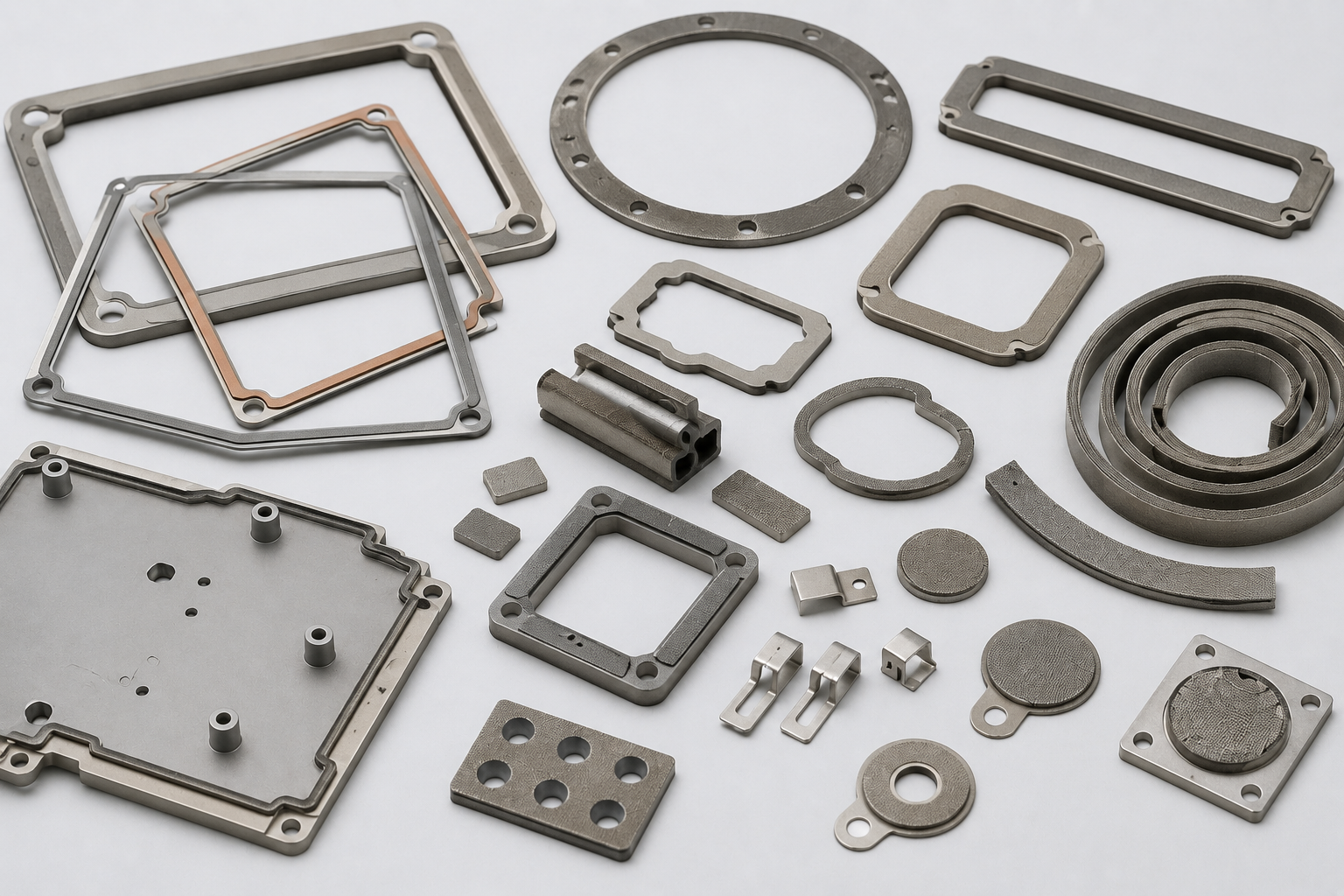
Guarnizioni conduttive in gomma che sigillano un involucro e bloccano le interferenze elettromagnetiche sulla stessa cucitura.
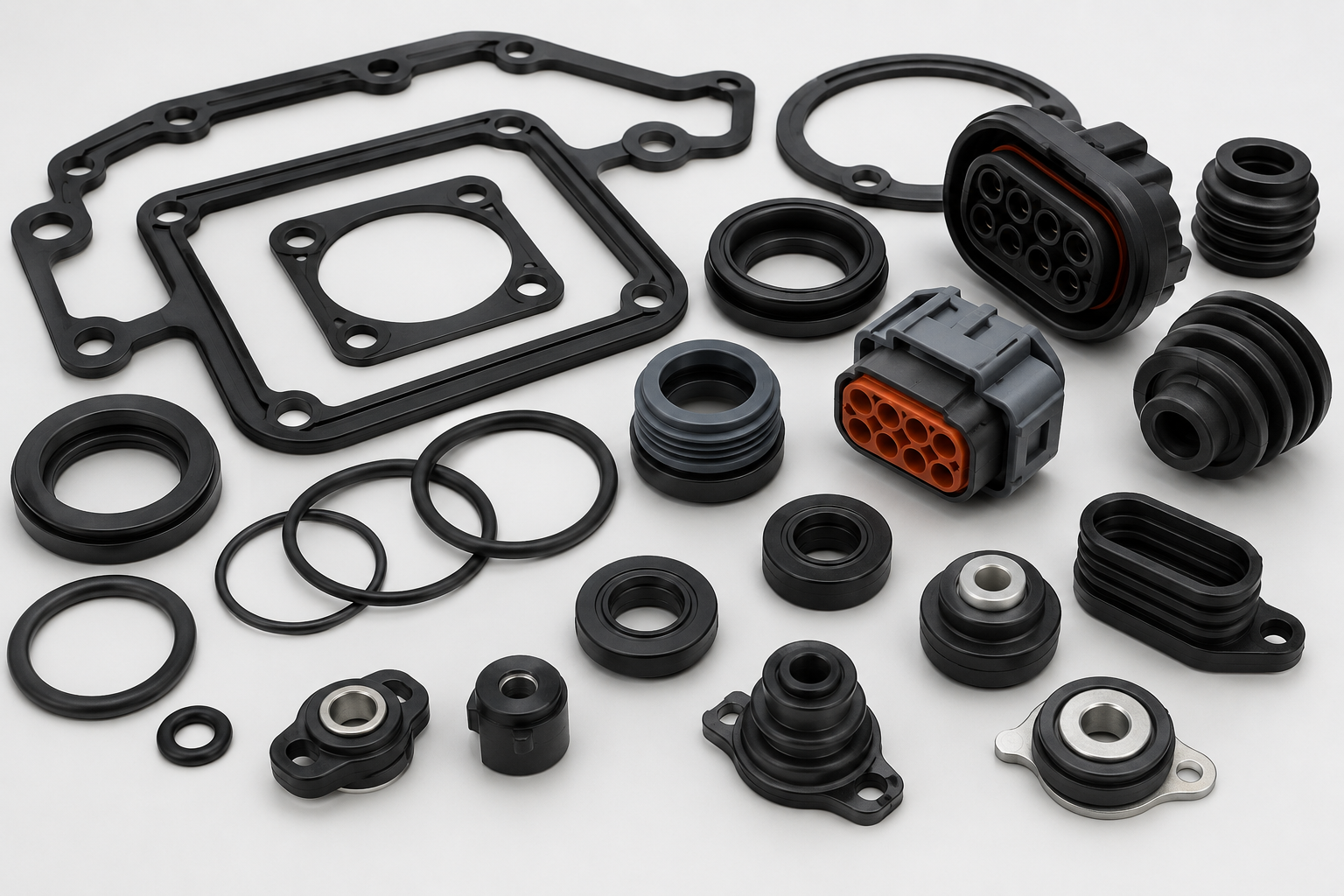
Guarnizioni e O-ring in gomma personalizzati che detengono una classificazione IP durante i cicli di temperatura e pressione.

Isolanti in gomma stampata che mantengono l'isolamento elettrico durante la localizzazione e la protezione dei componenti.
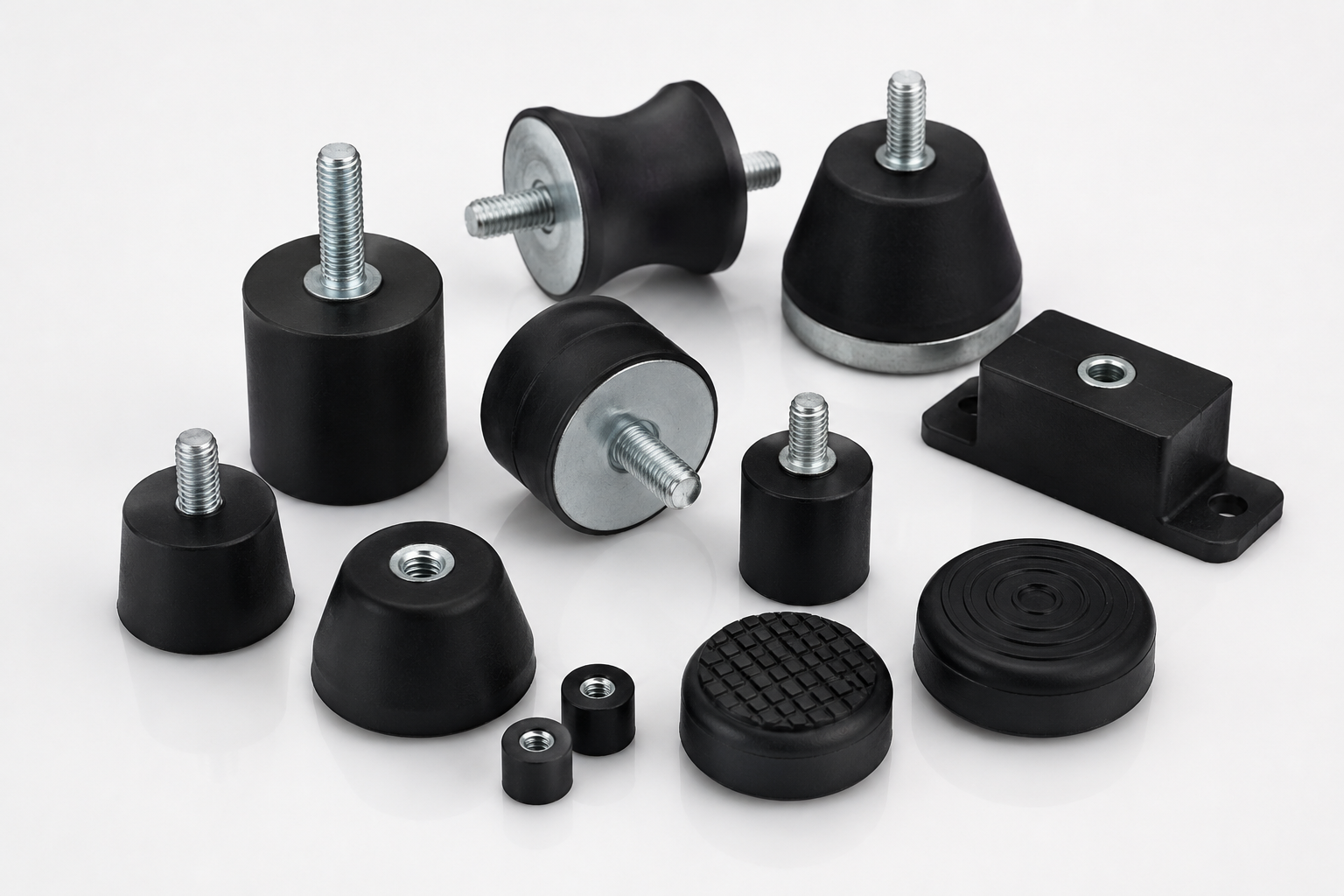
Supporti di isolamento e piedini in gomma che proteggono circuiti stampati e gruppi da urti e risonanza.
| Composto | Resistenza dielettrica | Campo temp | EMI/conduttività | Valutazione della fiamma | Parti E & E più adatte |
|---|---|---|---|---|---|
| Silicone (VMQ) | 20 kV/mm | Da -60 a 200 °C | Isolante | UL94V-0 | Tastiere, isolanti |
| Silicone liquido (LSR) | 20 kV/mm | Da -50 a 200 °C | Isolante | UL94V-0 | Guarnizioni di precisione |
| EPDM | Alto | Da -40 a 150 °C | Isolante | Antifiamma | Orologi da esterno |
| Silicone Conduttivo | Conduttivo | Da -50 a 200 °C | schermatura EMI | Gradi V-0 | Guarnizioni EMI |
| Criterio | Parte in gomma standard | Parte stampata su misura Engelhardt |
|---|---|---|
| Composto corrispondente alle specifiche elettriche | Dielettrico di grado generico non verificato | Selezionato per dati dielettrici e termici misurati |
| Tolleranza dimensionale | ≈ ±0,25 mm catalogo tipico | a ±0,05 mm (classe RMA A1) |
| Geometria adatta alla custodia | Dimensione dello stock più vicina | Modellato sul tuo disegno esatto |
| Conformità alla fiamma/RoHS/REACH | Non garantito | Composto documentato in UL 94, RoHS, REACH |
La preoccupazione più comune dell'acquirente che sentiamo è semplice: un fusore d'oltremare può effettivamente contenere le specifiche, lotto dopo lotto? La risposta è integrata nel modo in cui viene gestita la pianta.
Dietro quelle presse c'è un team costruito attorno a chimici personalizzati per lo stampaggio della gomma (composto) O.N.T., ingegneri di utensili e specialisti di stampaggio con più di un decennio di esperienza. Quella profondità ci consente di trattare una parte elettrica impegnativa come un lavoro di routine piuttosto che come un esperimento, e significa che un fornitore può coprire l'intera distinta base: insieme alle parti elettriche ed elettroniche stampiamo parti in gomma stampate personalizzate per sigillature e uso industriale, oltre a componenti in silicone e plastica ad alte prestazioni.
Controllo composto prima che la parte sia mai modellata
La qualità in una parte di gomma stampata è decisa nella stanza di miscelazione Il nostro sistema di miscelazione automatizzato up-stream alimenta il materiale al miscelatore contro una ricetta preimpostata, mantenendo la precisione del dosaggio entro 0,3%. rimuove gli errori degli ingredienti manuali Che mis-matched, materiale mancante o doppio dosato che sposta silenziosamente il comportamento dielettrico e meccanico di un composto tra i lotti.
La progettazione e la produzione dello stampo vengono eseguite internamente su apparecchiature di lavorazione ad alta velocità, quindi le iterazioni degli utensili rimangono veloci e la geometria della parte non viene mai inviata a terzi. Ogni composto passa quindi davanti al nostro laboratorio prima che i viscosimetri Mooney di produzione e i reometri Modie verifichino il composto, mentre le camere di spruzzo di sale, umidità e riscaldamento confermano che sopravvive all'ambiente di servizio.
Dal 20 l'impianto ha eseguito sistemi di P, MES e QMS Ogni parte porta avanti e invertire la tracciabilità del lotto (inverse batch traceability) (ER) dalla materia prima in entrata attraverso la miscelazione di stampaggio, rifilatura e ispezione al lotto spedito Se mai sorge una domanda, possiamo rintracciarla al materiale esatto, alla macchina, all'operatore e alla fase del processo.
Le attrezzature in alluminio/ponte sono più veloci e a basso costo per i primi e medi volumi; le tute per utensili in acciaio temprato sostengono una produzione ad alto volume.
Costo dell'attrezzatura impostato per la complessità e il conteggio delle cavità; più cavità abbassano il prezzo per parte al volume.
LSR e il silicone conduttivo costano più di EPDM o neoprene; la matrice sopra mostra la scala relativa.
Il volume imposta il processo di stampaggio e ammortizza l'attrezzatura al prezzo per parte.
Supportiamo lanci a basso volume così come la produzione sostenuta (IL processo di stampaggio è abbinato al volume anziché forzare un minimo elevato, e il tempo di consegna e il campionamento degli utensili vengono valutati rispetto alla tua parte specifica durante il preventivo Per il costo esatto dell'utensile, MOQ e una stima del tempo di consegna, invia il tuo disegno o una parte di esempio e riceverai un preventivo basato sui tuoi parametri reali anziché su un intervallo segnaposto.
Semplifica il processo di sourcing dei componenti con i nostri strumenti di ingegneria basati sui dati e i nostri framework di valutazione, progettati specificamente per i produttori di elettronica aziendale.
Valuta le proprietà fisiche, la resistenza termica e la compatibilità chimica per identificare la matrice di gomma ottimale per le tue applicazioni elettriche.
Assicurarsi che tutti i parametri critici del progetto siano definiti rigidamente prima della quotazione Eliminare i costi nascosti e prevenire ritardi di ingegneria a valle.
Un quadro costi-benefici definitivo che confronta componenti stampati su misura con soluzioni di catalogo standard per il ridimensionamento aziendale.
Risposte chiare e dirette riguardanti le proprietà dei composti, l'economia degli utensili e i protocolli di produzione per l'approvvigionamento di elettronica aziendale.
Per l'isolamento, il piombo LSR del silicone offrono 2 kV/mm di rigidità dielettrica e un ampio intervallo di temperatura EPDM si adatta alla tenuta esterna, le maniglie conduttive del silicone schermatura EMI e il nitrile deve essere tenuto lontano dalle posizioni del circuito sotto tensione perché è un isolante scadente La matrice di selezione del materiale sopra mappa ogni composto nella sua parte più adatta.
Sì. Inviare un campione o un disegno Identifichiamo la famiglia degli elastomeri, confermiamo le dimensioni e le proprietà nel nostro laboratorio e citiamo un equivalente stampato su misura (su misura) (su misura) (su misura) (su misura) (su misura) (su misura) (su misura) (su misura) (su misura) (su misura) (su misura) (su misura)) (su misura) (su misura) (su misura) (su misura)) (su misura)) (su misura) (su misura) (su misura) (su misura).
Non esiste un unico MOQ fisso Abbiniamo il processo di stampaggio al tuo volume, che ci consente di supportare lanci a basso volume e produzione ad alto volume. Il tuo MOQ è confermato nel preventivo per la tua parte specifica.
L'attrezzatura per cui paghi appartiene a te La proprietà dello stampo è indicata per iscritto sulla quotazione e la geometria della tua parte non viene mai inviata a terzi perché l'attrezzatura è progettata e tagliata internamente.
Sì. forniamo RoHS e REACH documentazione e certificati dei materiali con la parte, e offriamo UL 94 gradi di fiamma fino a V-0 Confermare il grado esatto che avete bisogno durante la citazione in modo che sia bloccato in prima di utensili è tagliato.
I composti del silicone e LSR forniscono tipicamente 20 kV/mm di rigidità dielettrica, testati a ASTM D149. la figura utilizzabile dipende dal composto specifico e dallo spessore della parte, che confermiamo rispetto alla scheda tecnica del grado di produzione.
Sì. produciamo componenti gomma-metallo e gomma-plastica stampati e incollati ad inserto (gomma-metallo) e componenti gomma-plastica (gomma-plastica) comuni per guarnizioni di connettori, supporti antivibranti e parti EMI rettificate Lo stampaggio a iniezione e trasferimento conferiscono alla consistenza dello stampo chiuso di cui queste parti hanno bisogno.
Il dosaggio del composto è automatizzato con una precisione di 0,3% e ogni lotto è registrato nel nostro sistema MES con tracciabilità diretta e inversa. La parte spedita un anno in produzione è conservata nello stesso record di composto e processo del campione approvato.
Il tempo di consegna dell'attrezzatura dipende dalla complessità della parte e l'attrezzatura di tipo alluminio è più veloce dell'acciaio temprato. Esaminiamo il tempo di consegna dell'utensile e il programma di campionamento del primo articolo rispetto al disegno durante il preventivo ed eseguiamo il campionamento prima di rilasciare il lotto di produzione.