
Mettiti in contatto con Engelhardt

Servizi di stampaggio a iniezione di plastica
Stampaggio ad iniezione di plastica personalizzato dal prototipo alla produzione completa
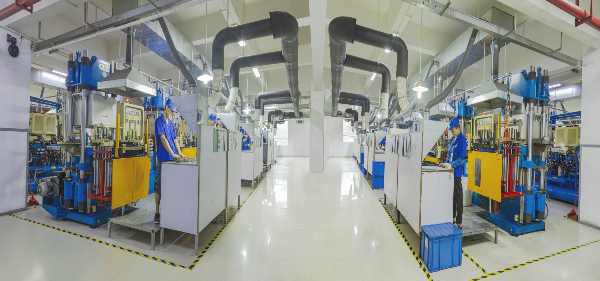
Meitu è un produttore di stampaggio a iniezione di plastica specializzato in componenti di plastica di precisione per prodotti automobilistici, medici, elettronici e di consumo Gestiamo oltre 400 presse di stampaggio e possiamo evadere ordini da 100 pezzi a 10 milioni di pezzi all'anno.
Comprendere le basi
Che cos'è lo stampaggio a iniezione di plastica?
Lo stampaggio a iniezione è una tecnologia di produzione utilizzata per la produzione ripetibile di componenti in plastica di alta precisione in volumi elevati. Implica la forzatura del flusso di resina fusa in una cavità dello stampo in acciaio altamente lucidato con pressione e temperatura strettamente controllate. Dopo che i materiali si induriscono e si raffreddano, lo stampo si apre e la parte finita viene sformata.
Lo stampaggio a iniezione è uno dei processi di produzione più comuni al mondo per tutti i tipi di componenti in plastica, perché può produrre milioni di copie di parti in decine di cicli di produzione, con la stessa precisione dimensionale.
Mentre tecnologie come la lavorazione CNC o la stampa 3D sono preferite in volumi bassi per prove e prototipi, lo stampaggio a iniezione può raggiungere costi di centesimi per parte se vengono prodotte dozzine di migliaia o milioni e l'investimento si ammortizza quando vengono prodotte le prime migliaia di unità.
Vantaggi chiave in breve
Eccellente ripetibilità: due parti di due diverse produzioni avranno dimensioni praticamente identiche
Tempi di ciclo rapidi fino a 15 secondi nei componenti più piccoli a pareti sottili
Ampia selezione di materiali disponibili oltre 40 res termoplastici
Basso spreco dei materiali resinosi, poiché i canali e la sprue vengono successivamente macinati nuovamente in pellet nuovamente utilizzati
Geometria complessa con sottosquadri, cerniere viventi e attacchi a scatto
Ampliamento flessibile da un volume ridotto (100 unità) a molti milioni di unità
Il processo di produzione
Come Funziona il Processo di Stampaggio ad Iniezione
Ogni procedura di stampaggio a iniezione funziona in quattro fasi, che è fondamentale per gli ingegneri progettisti per perfezionare parti e acquirenti per valutare i fornitori di servizi.
01
Clampaggio
Entrambe le metà dello stampo ad iniezione sono fissate sotto forza idraulica La forza di bloccaggio in tutta la flotta varia da 50 a 000 tonnellate 2 parti più grandi con un'area più proiettata di tonnellaggio più elevato per mantenere chiuso lo stampo durante l'iniezione.
02
Iniezione
I pellet di resina plastica vengono alimentati da una tramoggia in un cilindro riscaldato dove una vite rotante si scioglie e mescola il materiale Successivamente, la vite spinge la plastica fusa attraverso un ugello nella cavità dello stampo a velocità e pressione di iniezione controllate.
03
Raffreddamento
La plastica fusa si raffredda all'interno dello stampo mantenendo la pressione per compensare il ritiro del materiale I canali di raffreddamento all'interno dello stampo fanno circolare acqua o olio per controllare la temperatura Questa fase rappresenta in genere 60-80% del tempo ciclo totale.
04
Eiezione
Una volta che la parte si è solidificata, lo stampo si apre e i perni dell'espulsore spingono fuori la parte stampata finita. Dopo l'espulsione, lo stampo si chiude e il ciclo si ripete, in genere viene espulso ogni 15-90 secondi a seconda della dimensione della parte e dello spessore della parete.
Controllo di precisione: La pressione di iniezione, la velocità di iniezione, la temperatura dello stampo e la pressione di serraggio sono controllate da ciascuna delle nostre macchine per lo stampaggio a iniezione in modo molto preciso, consentendo ai pesi unitari dei pallini di variare meno dello 0,5% da pallini a pallini e garantendo che le stesse parti possano essere realizzate da centinaia di migliaia e più.
Garanzia di qualità: Il controllo qualità della parte è determinato più di ogni altra cosa dalla progettazione e dalla fabbricazione della posizione dello stampo, dal design del portone della parte, dallo sfiato e dalle posizioni dei canali di raffreddamento che possono creare o interrompere le tolleranze di un prodotto finito. Ecco perché lo controlliamo noi stessi in casa.
Selezione Materiale
Materiali e resine per stampaggio a iniezione di plastica
La scelta del materiale ha la maggiore influenza sull'architettura delle parti prima che vengano selezionate anche le macchine e i parametri di processo, consigliamo a tutti i clienti di definire quale resina verrà utilizzata, poiché varie plastiche implicano uno strumento di stampo, un azionamento, un raffreddamento e un design di finitura diversi.
| Materiale | Proprietà chiave | Applicazioni comuni | Tasso di ritiro |
|---|---|---|---|
| ABS | Resistente agli urti, buona finitura superficiale, verniciabile | Alloggiamenti per elettronica di consumo, finiture interne automobilistiche | 0.4–0.7% |
| PC | Chiarezza ottica, alta resistenza al calore, resistente | Lenti a LED, attrezzature di sicurezza, coperture per dispositivi medici | 0.5–0.7% |
| Nylon (PA6/66) | Elevata resistenza all'usura, forte, che assorbe l'umidità | Ingranaggi, cuscinetti, staffe strutturali, fascette | 0.8–1.5% |
| PP | Resistente ai prodotti chimici, leggero, con cerniera vivente | Imballaggi, contenitori domestici, paraurti automobilistici | 1.0–2.5% |
| POM (Acetale) | Basso attrito, elevata rigidità, dimensionalmente stabile | Ingranaggi, clip, corpi valvola, componenti del trasportatore | 1.8–2.5% |
| TPE/TPU | Flessibilità simile alla gomma, buona per il sovrastampaggio | Impugnature, guarnizioni, superfici soft-touch, fasce indossabili | 0.5–2.0% |
| PC/ABS | Combina la tenacità del PC con la lavorabilità dell'ABS | Alloggiamenti per laptop, involucri di utensili elettrici, pannelli per strumenti | 0.5–0.7% |
| PBT | Isolamento elettrico, resistenza chimica | Connettori, alloggiamenti degli interruttori, custodie dei sensori | 1.5–2.0% |
Il restringimento del materiale o il tasso di contrazione influenzano la stabilità dimensionale del prodotto finito Una volta che sappiamo di quale materiale sarà fatto il tuo componente, possiamo tenere conto del tasso di contrazione e regolare di conseguenza i parametri di utensile e raffreddamento, per ottenere specifiche esatte nelle nostre parti.
Suggerimento ingegneristico
I gradi rinforzati con fibra di vetro (GF10, GF20, GF30) tendono a rinforzare e indurire la parte, ma sono brutali sulle superfici dello stampo... applicando resine rinforzate con vetro sarà necessario acciaio per utensili temprato (H13 o S136) per l'inserto della cavità.
Variazioni di processo
Tipi di processi di stampaggio a iniezione
La maggior parte delle parti in plastica viene prodotta tramite stampaggio a iniezione standard Tuttavia, per alcune applicazioni, esistono varianti di processo che offrono funzionalità aggiuntive per un componente stampato, piantare insieme processi diversi rende le catene di fornitura più facili per coloro che richiedono più di un tipo di parte all'interno dello stesso assemblaggio.
Inserisci Stampaggio
Inserto preformato (Preformed Insert) Un inserimento metallico come una boccola, un dispositivo di fissaggio filettato o un contatto elettrico viene inserito nello stampo prima dell'iniezione della plastica attorno ad esso per produrre un componente finito Esempi di utilizzo sono nei connettori elettrici, nei supporti filettati e nelle strutture ibride di supporto metallo-plastica.
Sovrastampaggio
Sovrastampaggio-Un secondo colpo di materiale è stampato sopra una parte o substrato precedentemente formato, combinando due plastiche in un unico componente Tipicamente una plastica dura come l'ABS è sovrastampata con una superficie di presa morbida in TPE Il sovrastampaggio elimina la necessità di assemblaggi incollati o uniti meccanicamente, e crea una singola parte di alta qualità Il materiale deve essere selezionato con attenzione per un buon incollaggio dello strato.
Stampaggio a due colpi
Due stampaggio a pallini: (noto anche come stampaggio a doppia iniezione e stampaggio multimateriale) Questo processo avanzato prevede l'iniezione simultanea di due diverse resine utilizzando uno stampo rotante durante il ciclo di iniezione Il risultato sono parti bi-colore/bi-materiale senza un secondo di incollaggio richiesto Le applicazioni tipiche includono pulsanti per auto e altri controlli per elettrodomestici ed elettronica di consumo.
Stampaggio ad iniezione assistito da gas
Il gas azoto viene iniettato nella plastica fusa dopo il primo riempimento per scavare le sezioni spesse di uno stampo, abbassando notevolmente il peso della parte, il gas-assisted viene utilizzato anche per prevenire segni di affondamento su nervature e sporgenze spesse e diminuire il volume complessivo della parte fabbricata I prodotti tipici che utilizzano l'assistenza Gas includono maniglie, travi strutturali e pannelli di grandi dimensioni.
Stampaggio ad iniezione strutturale della schiuma
Un agente espandente chimico forma un nucleo di schiuma microcellulare all'interno della sezione della parte fornendo una struttura leggera e solida del materiale della pelle Lo stampaggio a iniezione di schiuma strutturale è ben adatto a pannelli di grandi dimensioni, pallet, involucri e altre parti ad alta rigidità con un requisito di peso minimo Il suo nucleo di schiuma abbassa la densità del materiale e consente una forza di serraggio ridotta per le parti di grandi dimensioni.
Stampaggio a compressione
Tuttavia, non è basato sull'iniezione; come tecnica complementare è lo stampaggio a compressione; che è altamente adatto per termoindurenti e pannelli piatti in lamiera o di grandi dimensioni In totale abbiamo 70 presse a compressione che operano in aggiunta al nostro parco iniezione La compressione viene utilizzata per compositi BMC/SMC, guarnizioni in gomma e parti in silicone poiché le caratteristiche del flusso sono diverse.
Dove vanno le nostre parti
Industrie e applicazioni per parti stampate a iniezione
Le parti stampate a iniezione di plastica finiscono nei prodotti che le persone utilizzano ogni giorno (Oltre ai raccordi dei sanitari in un bagno, fino ai connettori elettrici all'interno del cruscotto di un'auto). Otto grandi industrie contano su queste parti, ciascuna con requisiti distinti per le prestazioni dei materiali, la finitura superficiale e la conformità normativa.
Automobilistico
Pannelli di rivestimento interni, canalizzazione HVAC, alloggiamenti dei sensori, clip per la gestione dei cavi I controlli di processo IATF 16949 si applicano a tutti gli ordini di stampaggio a iniezione per autoveicoli.
Dispositivi Medici
Recinzioni per apparecchiature diagnostiche mediche, parti di siringhe, maniglie per apparecchi chirurgici Richieste di stampaggio a iniezione medica per resine USP Classe VI o ISO 10993 e per una tracciabilità documentata del materiale.
Prodotti di consumo
Contenitori di stoccaggio della casa, elettrodomestici da cucina, contenitori di prodotti per la cura personale I prodotti di consumo, le serie di produzione ad alto volume richiedono un controllo uniforme del colore e una finitura dell'aspetto di grado A.
Elettronica
Alloggiamenti dei connettori, piastre interruttori, diffusori di illuminazione per edifici a LED, corpi pressacavi Gradi ritardanti di fiamma (UL94 V-0) e tolleranze dimensionali, fondamentali per la costruzione a scatto.
Materiali da costruzione
Raccordi, elementi di fissaggio, griglie di ventilazione e supporti per imballaggi in schiuma, isolamento termico e acustico, apparecchi per il controllo del clima Queste parti spesso richiedono l'esposizione alla luce UV esterna e al ciclo termico.
Sanitari
Sedili per WC, valvole per doccia, serbatoi per WC, coperture per scarichi Parti che entrano in contatto con l'acqua, richiedono resine plastiche che sono sotto la normativa FDA o certificate secondo le specifiche NSF 61.
Apparecchiature elettriche
Gli utensili elettrici ad alta tensione, i componenti industriali, degli ascensori e gli involucri richiedono l'elevata plastica elettrica CTI (Comparative Tracking Index) per prevenire l'arco.
Imballaggio
Tappi, chiusure, contenitori a collo stretto, inserti per vassoi blister Gli impianti di stampaggio a iniezione per imballaggi producono oltre 11.000 tonnellate di imballaggi all'anno, utilizzando un coestrusore a cinque strati e presse termoformatrici ad alto ciclo.
Cosa Offriamo
Servizi personalizzati di stampaggio a iniezione di plastica
Tutto lo sviluppo del progetto inizia con un requisito di progettazione e produzione di parti I nostri servizi di stampaggio a iniezione personalizzati coprono l'intera catena di sviluppo del prodotto, dall'analisi delle parti, agli utensili, al campionamento, alla produzione del prodotto, all'assemblaggio, all'imballaggio Tutto questo viene fatto su un unico sito, eliminando il mosto coordinato e i problemi di qualità ingombranti che possono verificarsi con la produzione distribuita su molti fornitori.
Produzione e stampaggio a iniezione di prototipi a basso volume dal concetto alle parti finite Oltre stampi fabbricati in alluminio o acciaio P20 possono essere spediti in 2-3 settimane Questo consente di testare parti in forma o funzione con gradi di produzione di resina prima di passare a stampi di produzione in acciaio più resistenti e temprati.
Suggerimento pratico:
Molti acquirenti per la prima volta di parti stampate a iniezione trascurano l'importanza di una buona analisi DFM I nostri ingegneri aiutano a evidenziare angoli di pescaggio, sezioni di parete sottili e problemi di posizione del cancello di presa prima che qualsiasi utensile lasci la stampante La correzione di una parte sullo schermo non costa nulla L'attesa di correggere i problemi dopo la fabbricazione dello stampo costa settimane e migliaia di dollari.
Ambito di servizio
- Progettazione per l'analisi della produzione simulazione del flusso dello stampo, gate e prospettive dell'angolo di pescaggio.
- Progettazione e lavorazione stampi 1000 coltelli a cavità semplice per iniezioni di produzione di cavità
- Selezione materiale raccomandazioni sulla resina basate su applicazioni, con schede tecniche.
- Parti stampate prototipo 5.000 pezzi di alluminio o acciaio dolce, 2-3 settimane di piombo.
- Stampaggio ad iniezione di produzione 1,00 stampi in acciaio duro, volume da 1,00 a oltre 10 milioni di pezzi all'anno.
- Operazioni secondarie Pad, stampa ad ultrasuoni, assemblaggio
- Logistica 1 FDP, CIF, DSP spedito, con documenti completi di esportazione.
Pronto per iniziare il tuo progetto di stampaggio a iniezione?
Inviaci il tuo file di parti tridimensionali o il disegno dimensionale. Riceve una risposta entro 24 ore con strumenti, feedback DFM e un preventivo dettagliato.
Ottieni il tuo preventivo gratuito
Qualità e precisione
Stampaggio ad iniezione di precisione: tolleranze e controllo qualità
Stampaggio ad iniezione di precisione, significa mantenere specifiche rigorose, in modo accurato, su migliaia o centinaia di milioni di matrici Le specifiche generali di stampaggio ad iniezione consentono tolleranze di 0,005 pollici (0,127 mm). Attraverso una combinazione di utensili specifici per l'applicazione, controllo di lavorazione monitorato e resina selezionata possiamo mantenere le dimensioni critiche 0,001 pollici (0,025 mm) 1011 molti acquirenti pensano di aver bisogno di una lavorazione CNC per inizialmente.
La capacità di tolleranza varia con diversi input contemporaneamente; qualità dell'acciaio della cavità dello stampo, comportamento di ritiro della resina, uniformità della temperatura dello stampo, coerenza nei parametri di plastificazione Le nostre presse servoidrauliche per stampaggio a iniezione monitorano e rispondono alle fluttuazioni da colpo a colpo della pressione di trasferimento, posizione del colpo del pezzo.
Considerazioni sul compromesso
Perché tolleranze più precise faranno salire il prezzo dello stampo ancora più in alto: le tolleranze finali del foro saranno prezzi più alti a causa delle tolleranze più strette che richiedono acciaio di qualità superiore, maggiore lucidatura dello stampo e tempi di ciclo più lunghi a causa della finestra di processo più stretta Tolleranze più strette sulla caratteristica che non sono fondamentali per la funzione del pezzo possono essere specificate per ridurre il costo dello stampo senza danneggiare la qualità del pezzo.
Attrezzatura di controllo di qualità
| Attrezzatura | Funzione |
|---|---|
| Macchina di misura a coordinate (CMM) | Verifica dimensionale 3D delle caratteristiche critiche |
| Sistema di misurazione del proiettore | Ispezione del profilo e del contorno per le caratteristiche 2D |
| Viscometro Mooney | Verifica della viscosità della materia prima in entrata |
| Reometro a stampo mobile | Caratterizzazione della polimerizzazione per materiali termoindurenti |
| Tester di corrosione dello spruzzo di sale | Test di durabilità del rivestimento superficiale (ASTM B117) |
| Camera di prova dell'invecchiamento termico | Valutazione della stabilità termica a lungo termine |
| Tester materiale multifunzionale | Misurazione della resistenza alla trazione, alla flessione e all'impatto |
| Tester di simulazione di trasporto | Verifica dell'integrità dell'imballaggio in condizioni di spedizione |
Panoramica Fabbrica
Le nostre capacità di produzione di stampaggio a iniezione
Meitu ha una fabbrica di 26.000 capacità con sede a Zhongshan, Guangdong All'interno di questa struttura ci sono tre officine integrate, stampaggio a iniezione, assemblaggio di telecamere, configurazione automatica e confezionamento di blister, ciascuna collegata da un sistema logistico interno che sposta le parti direttamente dallo stampo al pacco finito.
400+
Macchine Iniezione
La forza di serraggio varia da 50 a 2.000 tonnellate Incorpora le macchine per iniezione di silicone liquido, vulcanizzazione sotto vuoto e iniezione solida.
100+
Tonnellate di materiale giornaliero
Una volta al giorno faccio una corsa con ABS, PC, PA, PP POM, TPE e PBT insieme a tutte le mescole speciali.
11k
Tonnellate di produzione annuale
Uscita combinata tra operazioni di iniezione, compressione e termoformatura.
Infrastruttura di produzione digitale
La spina dorsale del nostro piano di produzione è un sistema integrato MES ed ERP che offre visibilità 24 ore su 24, 7 giorni su 7 di tutte le attività, dalla ricezione del materiale alla spedizione dei prodotti finiti I lotti di materie prime vengono tracciati con codici a barre L'instradamento automatizzato MES garantisce una corretta sequenza del processo. Questo sistema non consentirà il funzionamento skip, rendendo inutili gli errori comuni nelle officine cartacee.
Un sistema di raccolta dati di qualità basato su computer, che registra le misurazioni di ispezione e le confronta elettronicamente con gli standard esistenti in tempo reale Le condizioni fuori specifica causeranno il rifiuto di un lotto prima che avanzi alla fase successiva del processo Questo è il grado di automazione che ci consente di avere coerenza di qualità su 300 operatori e 3 turni.
ISO 9001:2015
Sistema di Gestione della Qualità
IATF 16949:2016
Standard di qualità automobilistica
MES/ERP
Tracciamento della produzione digitale
Tracciabilità completa
Materiale → Processo → Cliente
Trasparenza dei prezzi
Costo dello stampaggio a iniezione di plastica: fattori chiave che influenzano i prezzi
Il costo dello stampo a iniezione non è un numero (il costo dello strumento) è una somma dell'investimento più il costo di produzione per parte più il costo delle operazioni secondarie Imparare come scomporre i componenti del costo dello stampaggio a iniezione consentirà agli acquirenti di scegliere la fonte giusta e confrontare equamente un preventivo del fornitore.
01
Costo dell'attrezzatura per lo stampo
Lo strumento fa di gran lunga il più alto investimento iniziale Un prototipo di base di strumento in alluminio a cavità singola potrebbe essere di poche migliaia di dollari Uno strumento di produzione multi cavità in acciaio H13 temprato con sistema a canale caldo potrebbe essere di migliaia di dollari I fattori di costo includono: numero di cavità, complessità della parte (sottotagli, azioni laterali, sollevatori), grado di disponibilità dell'acciaio dello stampo, qualità della superficie, sistema a canale caldo o freddo.
02
Costo di produzione per parte
Il costo per parte comprende materia prima, macchina e manodopera Il costo della materia prima è il costo della resina in kg moltiplicato per il peso del pezzo Il costo del tempo della macchina è correlato al tempo di ciclo dello stampo Cicli più brevi significano più parti all'ora allo stesso costo Ad esempio, un contenitore in polipropilene a pareti sottili potrebbe avere un tempo di ciclo di 12 sec, mentre un alloggiamento in policarbonato a pareti spesse potrebbe avere un tempo di ciclo di 60 sec.
03
Operazioni secondarie
Ognuno di questi processi aggiunge costi a ciascuna delle nostre unità. Tuttavia, il nostro imballaggio interno in blister e la nostra catena di montaggio totalmente automatica possono mantenere i nostri costi operativi secondari inferiori rispetto alla distribuzione di queste operazioni a più fornitori.
Cosa fa aumentare il costo
| Fattore | Impatto sul costo |
|---|---|
| Tolleranze più strette | Acciaio migliore, lucidatura più lunga, cicli più lenti |
| Altre cavità | Costo dello stampo più elevato, ma costo per parte inferiore |
| Sottotagli e azioni secondarie | Meccanismi di stampo più complessi |
| Finitura testurizzata o lucidata | Tempo supplementare di trattamento della superficie dello stampo |
| Resine ingegneristiche (PEEK, PEI) | Prezzo del materiale più alto, elaborazione speciale |
| Piccole quantità di ordine | Costo della muffa distribuito su meno parti |
Cosa spinge al ribasso il costo
| Fattore | Impatto sul costo |
|---|---|
| Volumi superiori | Diluente per lo spread di ammortamento della muffa |
| Spessore uniforme della parete | Raffreddamento più rapido, tempi di ciclo più brevi |
| Resine standard (PP, ABS) | Costo materiale inferiore per kg |
| Semplicità di progettazione delle parti | Meno caratteristiche dello stampo, meno lavorazione |
| Stampi famiglia | Più parti in uno stampo = una configurazione |
Guida alla selezione dei materiali per lo stampaggio a iniezione di plastica
Confronta le resine ingegneristiche fianco a fianco Seleziona il tuo settore applicativo e fino a tre requisiti prestazionali chiave, quindi lascia che il nostro motore di raccomandazione superi i materiali termoplastici più adatti al tuo progetto.
Selezionare da 1 a 3 priorità di prestazione
0 / 3 selezionati
Materiali Consigliati
Hai bisogno di aiuto per selezionare il materiale giusto?
I nostri ingegneri possono consigliare la resina ottimale per la vostra applicazione, rivedere la geometria della vostra parte e garantire il miglior risultato di stampabilità.
Strumenti di ingegneria e costi
Ottimizza i tuoi progetti di stampaggio a iniezione di materie plastiche con i nostri calcolatori interattivi Ottieni stime istantanee dei costi e verifica le tolleranze dimensionali.
Stima dei costi
Calcola gli investimenti stimati per gli utensili e i costi di produzione per parte in base alle dimensioni, al materiale e al volume Perfetto per il budget e gli studi di fattibilità.
Stima lancio
Calcolatore Tolleranza
Determina le tolleranze dimensionali ottenibili per il tuo tipo specifico di resina e stampo Controlla istantaneamente i limiti standard (commerciali) vs. fine (di precisione).
Controlla le tolleranze
Casi di studio: progetti di stampaggio a iniezione che abbiamo realizzato
Componenti interni automobilistici
HVAC Duct Assembly per un fornitore di ricambi auto Tier-2
Un secondo fornitore Tier-One, che produce gruppi di condotti HVAC in nylon rinforzato con fibra di vetro (PA66-GF30), aveva bisogno di componenti polimerici con dimensioni molto strette per le connessioni a scatto. I loro primi due fornitori non erano stati in grado di migrare la produzione a causa della deformazione causata dall'orientamento irregolare delle fibre nel percorso del flusso.
Abbiamo riprogettato le posizioni dei cancelli utilizzando i dati di simulazione del flusso, aggiunto una serie di otto cancelli sequenziali per controllare il modello di riempimento e incluso inserti di raffreddamento conformi nelle zone critiche di adattamento a scatto dello stampo La parte è stata prodotta su una macchina da 650 tonnellate, con tempo di ciclo di 48 secondi.
"Le dimensioni dell'adattamento a scatto sono state specifiche su ogni spedizione dopo il trasferimento dello stampo. Non abbiamo avuto un solo rifiuto di assemblaggio presso lo stabilimento OEM."
Warpage <0,3 mm
Ciclo 48S
IATF 16949
Elettronica di consumo (Consumer Electronics)
Custodia per dispositivi Smart Home in PC/ABS con finitura strutturata
Un produttore di elettronica di consumo si stava preparando a introdurre un controller domestico intelligente, che richiedeva un involucro in due parti in una miscela PC/ABS. La texture opaca soft-touch è stata specificata sulla copertina superiore, mentre la metà inferiore è stata specificata per avere un aspetto lucido. I campioni dovevano corrispondere a una misurazione Delta E di 1,0 su entrambe le grandi superfici.
Meitu ha lavorato uno stampo a 2 cavità, con diverse texture superficiali sui lati opposti - texture opaca VDI 30 sulla cavità superiore e lucidatura SPI A-2 sulla cavità inferiore L'aspetto più difficile del progetto è stato lo sviluppo di canali di raffreddamento che bilanciassero entrambe le parti, in modo che ciascuna terminasse il ciclo di espulsione contemporaneamente, a un ciclo totale di 36 secondi.
Delta E <1,0
Ciclo 36S
50K unità/mo
Materiali da costruzione (Building Materials) (Plumbing Components)
NSF-Corpo della valvola conforme in POM per un OEM idraulico
Un idraulico è venuto da noi in bisogno di un corpo valvola POM (acetale) alternativo alla loro parte in ottone lavorato corrente Il costo e il peso inferiori di POM dovevano andare di pari passo con la conformità NSF 61 per l'uso in acqua potabile Le filettature interne in questo corpo valvola richiedevano nuclei pieghevoli con una tolleranza di 0,05 mm, e scanalatura di tenuta.
I nostri ingegneri di utensili hanno scelto POM con un tasso di restringimento specifico, costruito uno stampo a 4 cavità progettato con nuclei pieghevoli azionati idraulicamente e consegnato al cliente i primi articoli con specifiche giuste Il prodotto ha superato i test NSF e la produzione è rapidamente aumentata fino a raggiungere una produzione di oltre 200.000 unità all'anno con un costo parziale notevolmente ridotto rispetto al corpo in ottone lavorato originale.
"Il passaggio dall'ottone lavorato al POM stampato ha cambiato le regole del gioco per la nostra struttura dei costi. Il team di utensili di Meitu ha risolto il design del nucleo pieghevole..."
NSF61
±0,05 mm Tol.
200K unità/anno
Domande comuni
Domande frequenti sullo stampaggio a iniezione di plastica
Cos'è lo stampaggio a iniezione di plastica e come funziona?
Lo stampaggio a iniezione di plastica è un processo di produzione in cui la resina plastica fusa viene forzata in una cavità dello stampo lavorata con precisione ad alta pressione Dopo il riempimento, il materiale si raffredda e solidifica nella forma dello stampo, quindi viene espulso come parte finita Ogni ciclo si ripete ogni 15-90 secondi a seconda delle dimensioni del pezzo e dello spessore della parete Poiché lo stesso stampo produce ogni unità, la consistenza dimensionale rimane estremamente stretta durante un intero ciclo di produzione Questa ripetibilità rende lo stampaggio a iniezione uno dei metodi più convenienti per produrre parti di plastica identiche in volumi da poche centinaia a diversi milioni di unità I produttori di automobili, dispositivi medici, elettronica di consumo e imballaggi si affidano tutti a questo processo.
Quali tipi di materiali plastici funzionano meglio per lo stampaggio a iniezione?
La scelta del materiale dipende dai requisiti di applicazione L'ABS offre un buon equilibrio tra resistenza, resistenza agli urti e finitura superficiale per i prodotti di consumo Il policarbonato fornisce eccezionale chiarezza e resistenza al calore per gli alloggiamenti ottici ed elettronici Il nylon offre un'elevata resistenza all'usura per ingranaggi e cuscinetti meccanici Il polipropilene è conveniente per imballaggi e articoli per la casa La nostra struttura elabora oltre 40 diverse resine termoplastiche e può consigliare quella giusta per il tuo progetto.
Qual è la differenza tra stampaggio ad inserto e sovrastampaggio?
Lo stampaggio a inserti inserisce un componente preformato nello stampo prima che la plastica venga iniettata attorno ad esso. Il sovrastampaggio applica un secondo strato di plastica su un substrato già stampato. Entrambi eliminano le fasi di assemblaggio secondarie.
Quali tolleranze può ottenere lo stampaggio a iniezione di precisione?
Lo stampaggio a iniezione standard mantiene tolleranze di ±0,005 pollici (0,127 mm) Gli utensili di precisione e il controllo del processo possono restringere il campo a ±0,001 pollici (0,025 mm) sulle dimensioni critiche La velocità di ritiro del materiale e l'uniformità della temperatura dello stampo sono i maggiori fattori che influenzano.
Quanto costa lo stampaggio a iniezione di plastica?
Il costo totale dipende da tre componenti principali: utensili per stampi, costo di produzione per parte e operazioni secondarie Gli utensili per stampi in genere vanno da poche migliaia di dollari per semplici stampi in alluminio a cavità singola a decine di migliaia per complessi utensili in acciaio temprato a cavità multipla con sistemi a canale caldo Il costo di produzione per parte è influenzato dal prezzo della resina per chilogrammo, dal peso parziale, dal tempo di ciclo e dalla manodopera Le operazioni secondarie come verniciatura, stampa a tampone, saldatura a ultrasuoni e assemblaggio si aggiungono ciascuna al totale per unità I volumi di produzione più elevati distribuiscono il costo fisso dello stampo su più parti, riducendo sostanzialmente il prezzo per unità Richiedere una ripartizione dettagliata del preventivo aiuta a confrontare i fornitori su una base equa e lineare.
Qual è la quantità minima ordinabile per lo stampaggio ad iniezione personalizzato?
La quantità di ordine minimo inizia a 100 pezzi per le esecuzioni del prototipo Gli ordini di produzione standard in genere iniziano a 1.000 unità per un prezzo favorevole per parte.
Quanto tempo ci vuole dalla progettazione alla produzione?
Una tipica sequenza temporale si suddivide come segue: la revisione del progetto e il feedback DFM richiedono da 1 a 3 giorni lavorativi; la progettazione e la fabbricazione dello stampo richiedono da 3 a 6 settimane a seconda della complessità; i campioni del primo articolo (T1) vengono spediti entro 1 settimana dal completamento dello stampo; l'approvazione del campione e qualsiasi revisione dello stampo richiedono da 1 a 2 settimane; e l'incremento della produzione inizia immediatamente dopo l'approvazione Il tempo di consegna totale dalla progettazione finale alla prima spedizione di produzione è in genere compreso tra 5 e 10 settimane.
Offrite servizi di stampaggio ad iniezione di prototipi?
Sì. l'utensileria rapida per prototipi in alluminio o acciaio dolce produce da 100 a 5.000 parti per la convalida del progetto I tempi di consegna iniziano da 2 a 3 settimane per geometrie semplici.