Mettiti in contatto con Engelhardt


Specifiche rapide: parti stampate in gomma personalizzate
- Metodi di stampaggio: Compressione, trasferimento, iniezione
- Elastomeri comuni: NBR, EPDM, silicone, FKM, neoprene, gomma naturale
- Intervallo di tolleranza: 0,005″ (rialzo) a 0,015″ (compressione) da ISO 3302
- Intervallo di costo dell'attrezzatura: $2,000-$50,000+ varia in base al numero di cavità e alla complessità
- Standardide polemizzato: ASTM D2000, ISO 3302-1, ,ASTMD429, FDA 21 CFR 177.2600
Componenti in gomma stampati personalizzati sono la spina dorsale invisibile di macchine, veicoli e strutture industriali fondamentali per il mondo industriale di oggi Bilanciare le tolleranze strette con prestazioni meccaniche e chimiche impegnative, parti in gomma stampata richiedono pratiche ingegneristiche e di produzione esigenti dalla tecnica di stampaggio e dalla scelta dell'elastomero per progettare tolleranze parametri di qualità e considerazioni sui costi (per prima cosa specificare il composto ideale).
Cosa sono i prodotti stampati in gomma personalizzati, i tipi e le applicazioni industriali
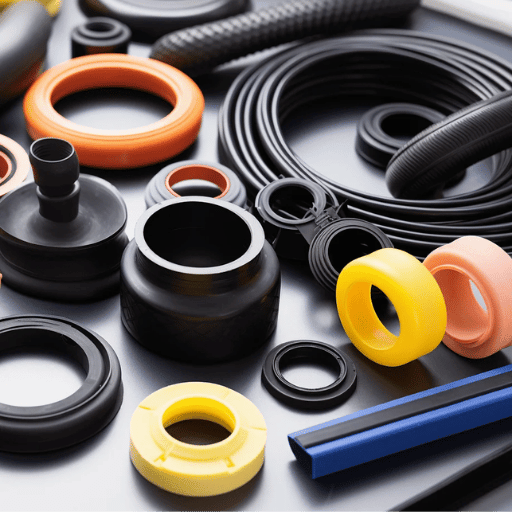
Parti in gomma stampata personalizzate Un prodotto in gomma stampata personalizzato è una parte in gomma realizzata secondo le specifiche uniche del design utilizzando una pressione termica della cavità dello stampo, Parti in gomma stampata personalizzate sono sviluppate per l'applicazione Forme insolite o forme prestazionali, materiali non standard che le parti del catalogo non possono fornire.
$40.4B
Mercato globale (2025)
$63.6B
Proiettato entro il 2035
4.6%
Tasso di crescita CAGR
Fonte: Ricerca di mercato Futuro, Rapporto sul mercato dello stampaggio della gomma 2025
Le parti stampate in gomma si trovano in quasi tutti i settori utilizzando parti mobili, esposizione a prodotti chimici o sigillature ambientali Il più grande consumatore singolo di stampaggio su misura in gomma è automobilistico, utilizzando parti come supporti motore, boccole di sospensione, guarnizioni delle porte e cuscinetti di isolamento dalle vibrazioni In ambito aerospaziale, le guarnizioni in silicone devono resistere a cicli di temperatura severi.
I dispositivi medici si basano su guarnizioni in gomma approvate da FDA e diaframmi Le operazioni di petrolio e gas utilizzano componenti stampati esposti a idrocarburi e H2S ad alte pressioni I prodotti in gomma personalizzati H2S in questo settore devono resistere ad ambienti chimici aggressivi per tutta la loro durata.
Ciò che lega tutti questi insieme è che ogni componente deve essere formato alle tolleranze, alle specifiche del materiale e alle prestazioni di usura ben oltre ciò che una parte in gomma di serie può offrire Questo è il motivo per cui è richiesto lo stampaggio personalizzato e perché la selezione di un materiale e di un metodo è così fondamentale.
Metodi di stampaggio della gomma (Compressione, trasferimento e stampaggio a iniezione)
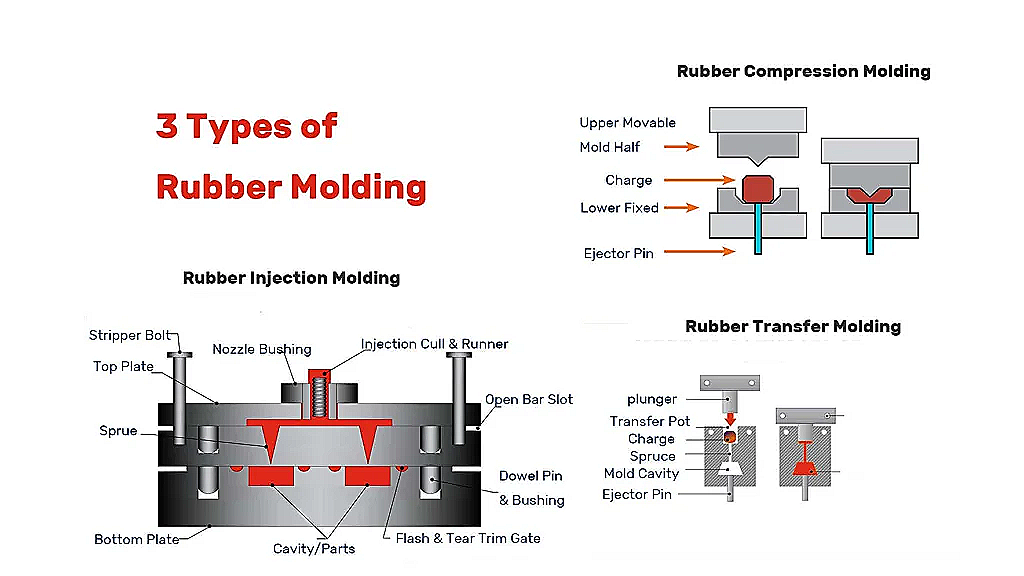
Esistono tre tipi principali di processi di stampaggio utilizzati per quasi tutte le parti in gomma personalizzate prodotte. Variano in base al costo dell'attrezzatura, ai livelli di tolleranza, al tempo di ciclo e al numero di caratteristiche complesse possibili con ciascuno. Selezionare il processo sbagliato è uno degli errori più costosi nello stampaggio della gomma (aumenta il costo unitario e ritarda la consegna di diverse settimane).
Quali Sono I Diversi Tipi Di Stampaggio Di Gomma Personalizzato?
Ci sono tre processi coinvolti con lo stampaggio su misura della gomma Lo stampaggio a compressione prende una carica misurata di gomma e la introduce in una cavità aperta dello stampo, il successivo bloccaggio dello stampo comprime quindi la carica di gomma utilizzando calore e pressione Nello stampaggio a trasferimento una carica di gomma viene erogata da un vaso di trasferimento tramite pezze alla cavità aperta dello stampo che alla fine poi si chiude, fornendo un metodo migliore per la lavorazione di inserti e gruppi multi-cavità.
Con lo stampaggio a iniezione, la gomma viene riscaldata a una viscosità esatta mentre viene erogata mediante un'iniezione ad alta pressione in uno stampo completamente chiuso, fornendo le migliori tolleranze e tempi di ciclo a volumi di produzione estremamente elevati.
| Parametro | Compressione | Trasferimento | Iniezione |
|---|---|---|---|
| Tolleranza Tipica | ±0,015″ (±0,38 mm) | ±0,008″ (±0,20 mm) | ±0,005″ (±0,13 mm) |
| Costo dell'attrezzatura | $2,00000, $5 | 1TP215,000000000000000000000000000000000000000000000000000000000000000000000000000000000000000000000000000000000000000000000000000000000000000000000000000000000000000000000000000000000000000000000000000000000000 | $8,000++$5 |
| Tempo Ciclo | 315 min | 210 min | 15 min |
| Volume Macchia Dolce | 50 pezzi/anno | 1,000 pezzi/anno | Oltre 10.000 pezzi/anno |
| Tipo di parte ideale | Parti grandi e a parete spessa; geometria semplice | Parti con inserti incollati; multi-cavità | Parti piccole e a tolleranza stretta; pareti sottili |
| Controllo Flash | Moderato (rifinitura manuale) | Buono (sprue controllato) | Eccellente (flash meno stampi possibili) |
I valori di tolleranza/costo sono rappresentativi degli intervalli raggiunti nell'industria; i valori effettivi dipendono dalla geometria della parte, dal composto e dalla capacità del produttore.
La regola di 3 domande per la selezione del metodo di stampaggio della gomma
- Qual è il tuo volume annuale? meno di 1.000 all'anno lo stampaggio a compressione mantiene ragionevoli gli utensili Tra 1.000 e 25.000 stampaggi a trasferimento ha senso laddove costi e precisione contano e oltre 25.000 stampaggi a iniezione compensano i costi con cicli più rapidi e parti meno costose.
- Quali sono le tue tolleranze strette? se 0,015 "è consentito, la compressione va bene. Se 0,008" o più stretto, è necessario il trasferimento o l'iniezione. A 0,005" e al di sotto è possibile solo l'iniezione.
- La parte ha inserti o sovrastampa? gli inserti metallici incollati o le applicazioni di incollaggio gomma-matale probabilmente preferiranno lo stampaggio a trasferimento o a iniezione, in cui lo stampo chiuso preserva la posizione dell'inserto durante il ciclo di indurimento.
Il singolo errore più grande che incontriamo è la scelta dello stampaggio a compressione per parti ad alto volume e a parete sottile I tempi di ciclo aumentano da 3 a 5 volte rispetto all'iniezione, e i costi unitari scattano al di sopra di dove eventuali costi di attrezzaggio risparmiati sarebbero stati recuperati dopo la prima re”
️ Importante
La gomma non scorre come le plastiche La manipolazione dello stampaggio non è la stessa Il posizionamento del cancello, il riempimento della cavità, lo sfiato sono completamente diversi.
La gomma richiede un trattamento molto più gentile rispetto alla plastica, quindi se usi le ipotesi di stampaggio a iniezione di plastica il risultato finale saranno brevi inquadrature, aria intrappolata e gomma scarsamente polimerizzata, rifiuti completi del lotto!
Sebbene lo stampaggio a compressione della gomma governi ancora il settore, a causa dei bassi costi di lavorazione e della capacità di gestire parti più grandi, il trasferimento della gomma e lo stampaggio a iniezione sono già più convenienti a quantità più elevate, per non parlare dell'offerta di tolleranze dimensionali più strette, maggiore precisione e maggiore coerenza. E ogni fase a valle prende il comando dalla scelta iniziale del processo di stampaggio.
Selezione del materiale in gomma da mappare Elastomeri per richieste di applicazioni
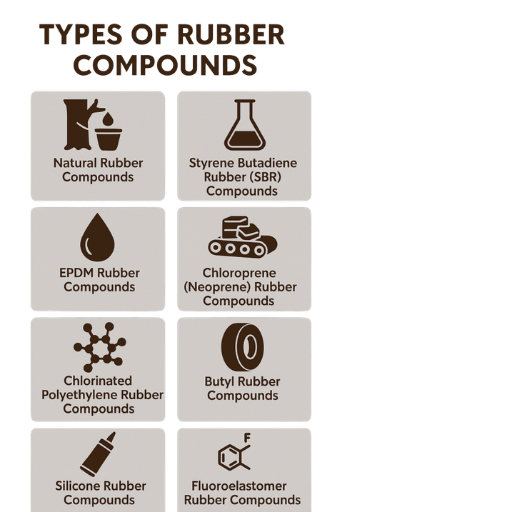
La scelta della mescola di gomma ha il maggiore impatto sulla resistenza della parte Un elastomero potrebbe funzionare bene in un ambiente ma diventare un guasto “Catastrophic” in un altro Utilizzando il Standard ASTM D2000, gli ingegneri hanno un criterio sistematico per selezionare le gomme corrette per le loro condizioni operative.
Un equipaggio di manutenzione presso un impianto di raffinazione del petrolio della costa del Golfo designato guarnizioni EPDM per un'applicazione di guarnizione alloggiamento della pompa Mentre EPDM fornisce resistenza agli agenti atmosferici esterni e resistenza all'ozono superiori, si gonfia 30-50% quando si corre a contatto con fluidi a base di petrolio Guarnizioni della pompa triplicate in dimensioni entro sei settimane e superato i contorni delle loro scanalature.
La sostituzione di tali gruppi di guarnizioni costa oltre $12,000 in parti e manodopera. La commutazione di assemblaggi a NBR (nitrile), che resiste agli idrocarburi fino a 120 °C, avrebbe aggiunto circa $0,80 per sigillo all'ordine originale.
| Elastomero | Campo di Temp | Riva A | Migliore Per | Evitare |
|---|---|---|---|---|
| Nitrile (NBR) | -40 °C a +120 °C | 30–90 | Esposizione di petrolio, carburante, petrolio | Ozono, UV, chetoni |
| EPDM | -50 °C a +150 °C | 40–90 | All'aperto, UV, ozono, vapore | Fluidi petroliferi, solventi idrocarburici |
| Silicone | -60 °C a +230 °C | 20–80 | Temps estremi, contatto alimentare FDA | Abrasione, guarnizioni dinamiche ad alta pressione |
| FKM (Vitone) | -20 °C a +200 °C | 60–90 | Ampia resistenza chimica + al calore | Chetoni, applicazioni a bassa temperatura |
| Gomma Naturale | -55 °C a +80 °C | 30–90 | Massima trazione, strappo, abrasione | Petrolio, petrolio, UV prolungato |
| Neoprene (CR) | -40 °C a +120 °C | 30–90 | Scopo generale, olio moderato + tempo | Acidi forti, esteri, chetoni |
Intervalli di temperatura e durezza dal sistema di classificazione ASTM D2000 Le prestazioni effettive dipendono dalla formulazione del composto.
💡 Suggerimento Pro
Se una parte è esposta alla combinazione di entrambi i prodotti chimici e alta o bassa temperatura, iniziare con la resistenza chimica e quindi controllare i limiti di temperatura Un composto resistente agli agenti chimici che non sopporta la temperatura di esercizio non è molto utile, ma è vero anche il contrario Il sistema call-out“ ASTM D2000 ”line (tipo per la resistenza al calore, classe per la resistenza all'olio) è stato creato per tale valutazione a 2 assi.
Le mescole personalizzate danno ai formulatori di gomma un foglio bianco: possono aggiungere riempitivo, plastificanti ammorbidenti o agenti indurenti per regolare durezza, set di compressione e resistenza chimica per soddisfare qualsiasi requisito Una formula stock potrebbe non fornire del tutto la birra ma un po' meglio, ma una mescola personalizzata può farlo. (Sebbene questo approccio estenderà il tempo al mercato e possibilmente richiederà ulteriori test di prova.)
Specifiche di progettazione e controllo della tolleranza per parti in gomma personalizzate
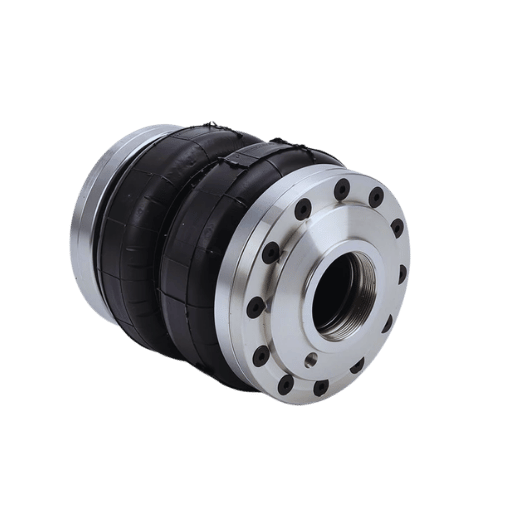
La gamma tra un modello CAD e una parte funzionante in gomma è più ampia di quanto molti ingegneri realizzino La differenza fondamentale è che la gomma non si comporta allo stesso modo dei metalli e della plastica La polimerizzazione e dopo lo stampaggio In particolare, si restringe man mano che la vulcanizzazione o la polimerizzazione si completano, e si riespande quando recupera elasticamente tornando alla sua forma di rilascio e la dimensione si sposta ogni volta con la temperatura Quando si progetta contro questi comportamenti specifici della gomma, la maggior parte dei guasti tecnici di tolleranza sono evitabili.
Cos'è lo stampaggio a iniezione personalizzato?
Lo stampaggio a iniezione personalizzato per la gomma richiede l'iniezione di un composto elastomerico riscaldato attraverso un sistema di ugelli e canali in una cavità formata da molte parti componenti lavorate con precisione. È un processo chiuso da entrambi i lati che non richiede alcuna volontà di essere riempito da pinze o manipolazioni manuali, e questo gli consente di ottenere due vantaggi rispetto allo stampaggio a compressione. Il dimensionamento più stretto possibile: tolleranze di 0,005 " invece di 0,015" e tempi di ciclo ridotti al minimo che consentono un rapido ritorno dei campioni e quindi cicli di produzione. Quando il progetto richiede coerenza dimensionale in applicazioni come la sigillatura multilabbro, diaframmi di confezioni a parete sottile e costruzioni in gomma incollata su metallo, gli stampi a iniezione sono solitamente l'unico processo in grado di fornire.
- ✔
Spessore uniforme della parete: Variazioni maggiori di 2:1 causano indurimento irregolare (le sezioni spesse) rimangono sotto-vulcanizzate mentre le sezioni sottili si induriscono eccessivamente. Uniformità della parete target ±15%. - ✔
Angoli di pescaggio: L'elasticità della gomma consente lo sformatura senza i ripidi angoli di pescaggio richiesti dalla plastica rigida, ma 1,3° di pescaggio riduce lo stress e la durata dello stampo. - ✔
Posizione della linea di separazione: Flash si forma sempre lungo la linea di separazione Posizionarlo lontano da superfici di tenuta e interfacce funzionali. - ✔
Evitare sottosquadri: Geometrie sottosquadro che sembrano banali su CAD possono raddoppiare i costi di attrezzaggio richiedendo azioni laterali o nuclei pieghevoli nello stampo Riprogettare la geometria della parte per eliminare i sottosquadri costa quasi sempre meno dell'attrezzatura attorno ad essi. - ✔
Gestione flash: Specificare una scanalatura di rifinitura a strappo o un tampone flash nel design dello stampo Lo sgonfiaggio post-stampaggio (manuale, a caduta o criogenico) è più semplice ed economico quando lo stampo è progettato pensando alla rimozione del flash fin dall'inizio.
📐 Nota ingegneristica: classi di tolleranza
ISO 3302-1 definisce quattro classi di tolleranze per la gomma stampata È necessario specificare la confezione se si desidera i gradi M1 (di precisione) più stretti, ovviamente, ma le tolleranze M2 (o RMA A3 equivalente) più comuni danno 0,25 mm su entrambi i lati di una dimensione di 0-6,3 mm, e 0,35 mm su entrambi i lati di 6,3-16 mm Se non specificato, questo non può essere assunto, quindi includere la classe di tolleranza necessaria sul disegno e la specifica Non lasciare tolleranze “tight” in testo libero senza misura per aderire.
Le parti in gomma si restringono dopo lo sformaggio perché il materiale si contrae mentre si raffredda e termina la vulcanizzazione Tipico restringimento funziona 1.53TP20T e deve essere costruito nella cavità dello stampo I progettisti esperti dello stampo sanno quanto compensare hanno bisogno di dati composti accurati (non solo “EPDM” o “silicone)” Fornendo l'esatta specifica del composto si elimina una delle fonti più comuni di guasti dimensionali del primo articolo.
Standard di qualità e capacità di produzione per prodotti in gomma stampata
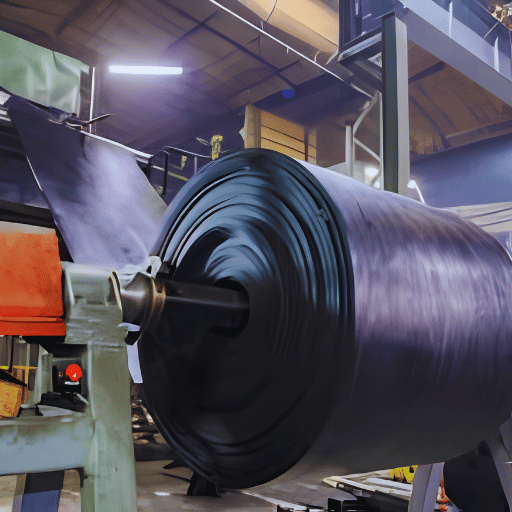
Lo stato dello stampaggio della gomma su misura è il controllo di qualità incorporato in ogni fase del processo di progettazione e costruzione che non viene verificato alla fine della linea di produzione. Standard rigorosi regolano i prodotti in gomma stampata di qualità attraverso la classificazione dei materiali, le tolleranze dimensionali, la forza di adesione e la biocompatibilità.
ASTM D2000 stabilisce i requisiti di classificazione per le mescole di gomma, utilizzando un sistema di chiamata che specifica il tipo di resistenza al calore, le proprietà di trazione e la classe di mercato generale o la classe di resistenza all'olio Ad esempio, la specifica “M2BG714” darà a un produttore esattamente ciò di cui ha bisogno nella mescola, evitando i costosi ritardi di sbagliarla per la prima volta quando arriva il momento di quotare per una build La norma ISO 3302-1 stabilisce gli intervalli ammissibili di tolleranze dimensionali (intervalli M1-M4). Il test ASTM D429 costruisce campioni di riferimento di componenti in gomma incollata su metallo quindi misura la forza di adesione tra l'elastomero e il substrato metallico.
Per uso medico e alimentare-contatto, specifica tipica per le mescole di gomma è FDA 21 CFR 177.2600, che controlla i limiti estraibili per gli articoli di gomma progettati per uso ripetuto con il cibo Il silicone è più spesso scelto come elastomero per queste applicazioni a causa della sua naturale biocompatibilità e inerzia.
La maggior parte delle guarnizioni e guarnizioni in gomma personalizzate sono stampate con un'operazione di finitura, sgonfiaggio, dopo lo stampaggio Questo processo rimuove il sottile flash in eccesso di gomma che si forma lungo la linea di separazione dello stampo Lo sgonfiaggio criogenico utilizza grandi quantità di azoto liquido per raffreddare le parti stampate a una temperatura compresa tra 0F e -180F (-18C e -118C) causando la fragilità del flash mentre il corpo della parte principale rimane flessibile I pellet di mezzi in policarbonato di diametro 0,015-0,060" vengono quindi fatti cadere ripetutamente contro le parti congelate finché il flash in eccesso non si allontana senza influenzare le tolleranze delle chiavi o degradare le proprietà fisiche dell'elastomero.
💡 Suggerimento Pro
Quando si valutano le capacità di produzione di un fornitore di stampaggio della gomma, è importante ottenere gli standard di tolleranza a cui aderiscono (ISO 3302 M1, M2, ecc.) insieme alle certificazioni chimiche composte che mantengono Un preventivo per tolleranze a tenuta di“” da parte di un fornitore che non specifica uno standard può essere basato su un livello di qualità di base diverso da quello che si assume.
Costi Driver e tempi di consegna Cosa aspettarsi quando si ordinano parti in gomma personalizzate
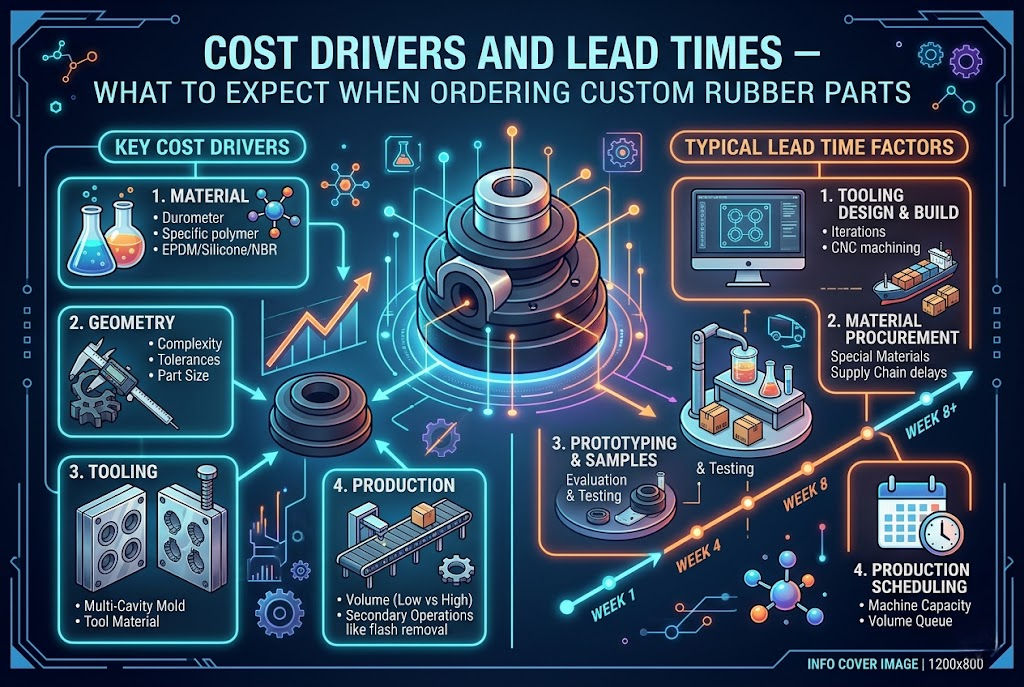
Il costo è l'articolo più spesso sottovalutato nell'esecuzione di un progetto di stampaggio su gomma personalizzato La fine della storia in cui ricevi il tuo costo per parte è in realtà la punta dell'iceberg Investimento di utensili, scelta del materiale, processi secondari, la quantità totale ordinata hanno tutti un impatto dinamico sul prezzo finale (final price) e le tue scelte fatte durante la fase di progettazione avranno un'influenza diretta 1:1 su dove all'interno del tuo budget target la parte cadrà.
| Fattore di costo | Gamma | Driver chiave |
|---|---|---|
| Attrezzatura per stampaggio a compressione | $2,00000, $5 | Cavità singola, geometria semplice |
| Attrezzatura per iniezione multi-cavità | $8,000++$5 | Conteggio delle cavità, design del corridore, grado dell'acciaio |
| Costo unitario (in volume) | $5.50.$5 | Materiale, tempo di ciclo, operazioni secondarie |
| Premio materiale (FKM vs NBR) | 350×costo base | Prezzi speciali dei polimeri |
| Sgonfiaggio criogenico | Meitu Engelhardt0.02$0/parte | Dimensione della parte, volume del flash, dimensione del lotto |
| Attrezzatura prototipo | $3,5000 | Stampo in alluminio, 1-2 cavità, durata limitata |
Dati sui costi basati sui dati delle citazioni del produttore e sulle guide ai costi del settore I prodotti in gomma personalizzati variano ampiamente in termini di prezzo in base al volume e alla complessità. RICHIESTA di un preventivo formale per una pianificazione del progetto economicamente vantaggiosa.
️ Importante
Richiedere preventivi senza un disegno 2-D che definisca tolleranze, materiale e stima annuale del volume aggiunge 1-2 settimane al ciclo di quotazione I fornitori richiedono queste informazioni al fine di stimare i tempi di ciclo effettivi associati ai processi guidati da spessore di parete o le dimensioni dello stampo di base necessarie per tenere conto del ritiro Fornire un file tecnico dettagliato accelererà significativamente i tempi di consegna nella maggior parte dei casi.
“Le riduzioni dei costi di stampaggio della gomma si verificano nel design prima che lo stampo inizi a essere tagliato Stampi familiari che incorporano numeri di parte multipli, composti comunemente usati invece di miscele personalizzate, e il design delle parti per adattarsi geometrie di utensili esistenti (Ty-to-Turness) qualsiasi di questi può ridurre lo strumento di ben 30-40% attraverso un progetto multi-parte”.”
Quando si lavora con i servizi di stampaggio della gomma, i tempi di realizzazione tipici del progetto sono 1,2 settimane per l'utensileria del prototipo 3-6 settimane per l'utensileria, 1-2 settimane dopo l'utensileria per i campioni di articoli e 2-4 settimane per la produzione a seconda del volume. Sono possibili accelerati con la maggior parte dei produttori che utilizzano l'utensileria, la fase è relativamente fissa nel suo ciclo temporale a causa della natura fisica della lavorazione dell'acciaio.
Domande frequenti sulle parti stampate in gomma personalizzate
Q: Qual è la quantità minima di ordine per le parti stampate in gomma personalizzate?
Visualizza risposta
Lo stampaggio a compressione inizia a partire da 500 pezzi Lo stampaggio a iniezione richiede in genere oltre 500 a causa dei costi di lavorazione più elevati Le tirature prototipo di 1005 parti sono disponibili presso la maggior parte dei produttori utilizzando stampi in alluminio.
Q: Quanto tempo richiede l'attrezzatura per un nuovo stampo di gomma personalizzato?
Visualizza risposta
L'attrezzatura prototipo (alluminio, 1-2 cavità) richiede in genere 1-2 settimane per la produzione L'attrezzatura di produzione in acciaio temprato richiede 3-6 settimane, a seconda della complessità, del numero di cavità e del carico di lavoro attuale dell'officina di stampi. Gli stampi a iniezione multi-cavità con sistemi di canali complessi e/o azioni collaterali tendono a cadere verso un arco di tempo più lungo.
L'inclusione tempestiva dei tempi di consegna degli utensili nel programma di produzione aiuta a evitare la causa numero uno dei ritardi del progetto.
Q: Che cosa è la differenza fra stampaggio a compressione e stampaggio ad iniezione?
Visualizza risposta
Stampaggio a compressione: la gomma grezza viene posta direttamente in una cavità aperta dello stampo dove il calore e la pressione curano il sistema Stampaggio a iniezione: In questo processo la gomma viene riscaldata a temperatura controllata garantendo una certa viscosità e quindi spinta in uno stampo chiuso ad alta pressione Il compromesso in pratica sarebbe che un'attrezzatura per lo stampaggio a compressione sarebbe maggiore ($2,000-$5,000) ma sarebbe più lenta e una perdita (0,015 ") e l'iniezione sarebbero più costose da ottenere ($8,000-$50,000+) ma sarebbe più veloce e una tolleranza stretta (0,005").
Q: La gomma può essere legata al metallo in parti stampate su misura?
Visualizza risposta
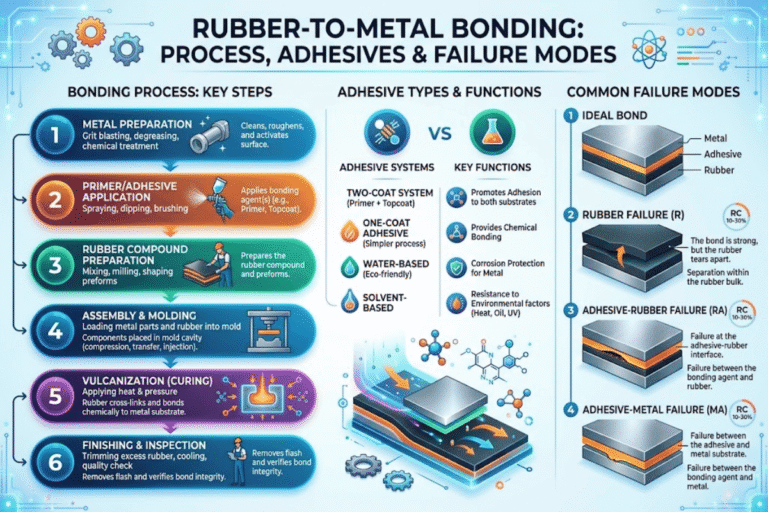
Sì. L'incollaggio gomma-metallo utilizza un sistema adesivo a due strati (Grubber to metal bonding) ("due strati di primer") applicato prima sulla superficie metallica preparata, poi un adesivo di rivestimento superiore ("topcoat") Durante la vulcanizzazione, tra 170-200 C, l'adesivo lega chimicamente la gomma vulcanizzante al substrato metallico.
La forza di adesione è misurata secondo ASTM D429 I componenti prodotti utilizzando questo processo includono supporti motore, cuscinetti di isolamento dalle vibrazioni e gruppi di tenuta incollati, in cui la gomma e il metallo agiscono come un unico dispositivo.
Q: Quale materiale di gomma è meglio per le guarnizioni ad alta temperatura?
Visualizza risposta
Il silicone gestisce il servizio continuo da -60 °C a +230 °C Quando la resistenza chimica è importante insieme al calore, FKM (Viton) copre da -20 °C a +200 °C con un'ampia compatibilità dei fluidi Sopra i 230 °C, i perfluoroelastomeri speciali (F114T) raggiungono i 325 °C con un forte premio di costo. La scelta del materiale dipende da quale combinazione di calore, sostanze chimiche e sollecitazioni meccaniche la tenuta deve affrontare in servizio.
Q: Quanto sono strette le tolleranze per i componenti in gomma stampati su misura?
Visualizza risposta
Secondo ISO 3302-1, M2/RMA A3 (grado commerciale più comune) è 0,25 mm per dimensioni ridotte fino a 6,3 mm e grado di precisione M1 è 0,15 mm Lo stampaggio a iniezione può produrre in modo affidabile la dimensione della classe M1 e lo stampaggio a compressione rientra quasi sempre nella classe M2 o M3 Assicurati di fare riferimento alla classe di tolleranza ISO 3302 nel tuo disegno e non richiedere semplicemente tolleranze strette senza fare riferimento a uno standard; le persone devono sapere a quale dimensione è destinata la parte!
Pronto a specificare le tue parti in gomma personalizzate?
Engelhardt Gli ingegneri possono controllare il vostro disegno, consigliarvi circa il composto appropriato e il processo di stampaggio, e costare per voi.
Ottieni un preventivo personalizzato →
Oppure: Ottieni la tua recensione DFM gratuita Acquista la guida alla selezione del materiale in gomma Book=
Informazioni su questa analisi
Questa guida è stata compilata attraverso il riferimento alla documentazione degli standard prodotta da ASTM e ISO, alle specifiche di processo del produttore e alle guide ingegneristiche di stampaggio intersettoriale Dati per riferimenti specifici alla selezione dei materiali Intervalli di classificazione ASTM D2000, con livelli di tolleranza elencati dalle specifiche ISO 3302-Engelhardt ha esperienza pratica nell'incollaggio della gomma al metallo e nella produzione di componenti in gomma stampata personalizzati come quelli utilizzati per la sigillatura industriale e l'isolamento dalle vibrazioni.
Le fasce di costo si basano sui dati del settore del 2025 e sono indicativi dei valori generali stimati richiesti per la pianificazione del progetto. Richiedono sempre preventivi definitivi per i prezzi specifici del progetto.
Riferimenti e fonti
- Le rapport le marché du moulage du caoutchou 2025 (Le rapport le marché de march) sur L'étude de march est une analyse approfondie du potentiel de croissance et le centre d'intérêt du marché pour.
- ASTM D2000 Sistema di classificazione standard per i prodotti in gomma – InternazionaleASTM
- Stampaggio gomma Tolleranze di gomma (Rubrica) ISO 1 Riferimento 3 30 Tolleranze di gomma e plastica
- Acquisisci informazioni e conoscenze sulle specifiche dei materiali ASTM D2000 (Apple Rubber Products).
- Linee guida per le gomme leganti e gli elastomeri Parker Hannifin, Divisione Materiali per processi elomerici
- 21 CFR 177.2600 Articoli in gomma ripetuti destinati all'uso U. Food & Drug Administration
- Deflashing criogenico di parti in gomma stampata Soluzioni criogeniche nitrocongelanti
Articoli Correlati
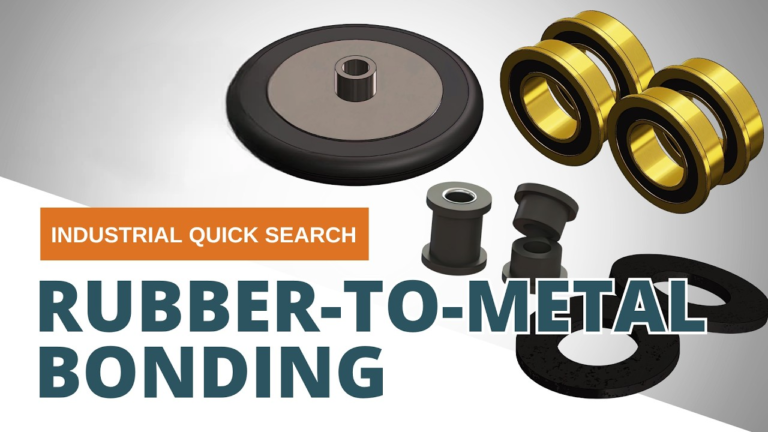
- Legame gomma-metallo: processo, applicazioni e guida ingegneristica