Get in Touch with Engelhardt

ENGELHARDT
IATF 16949 · ISO 9001
Rubber Gaskets & Seals
Custom Rubber Gaskets & Seals Manufacturer
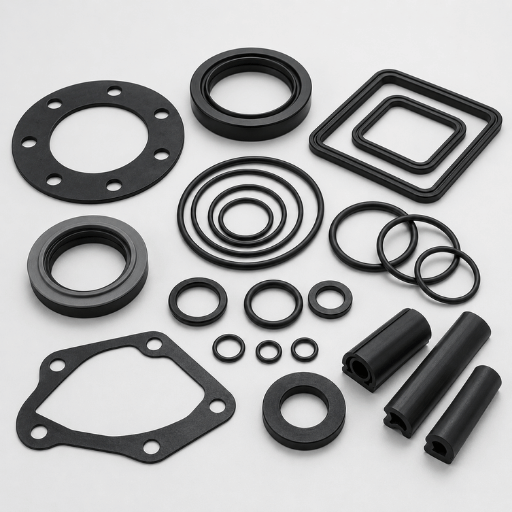
Engelhardt produces custom rubber gaskets and seals from 14+ elastomer materials — engineered for sanitary, automotive, electronics, food-contact, and aggressive-chemical sealing where leak prevention and batch consistency are non-negotiable.
Get Custom Quote →
Manufacturing Since
2009
Materials
14+ elastomers
Silicone · EPDM · Neoprene · Buna-N · Viton · Fluorosilicone
Processes
4 in-house
Compression molding · Injection · Die cut · Waterjet
Capacity
3,000 tons/yr
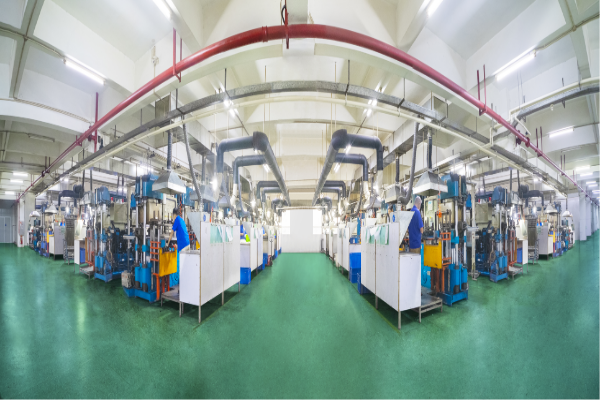
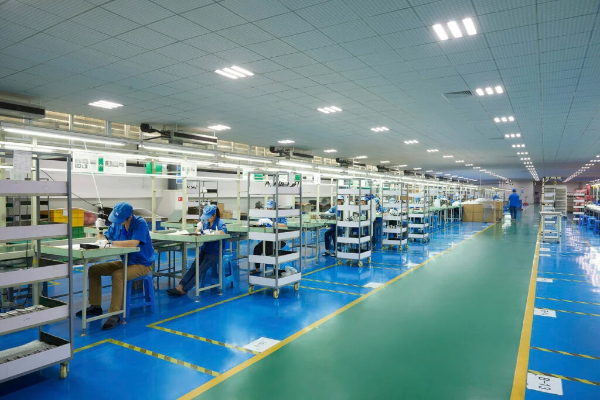
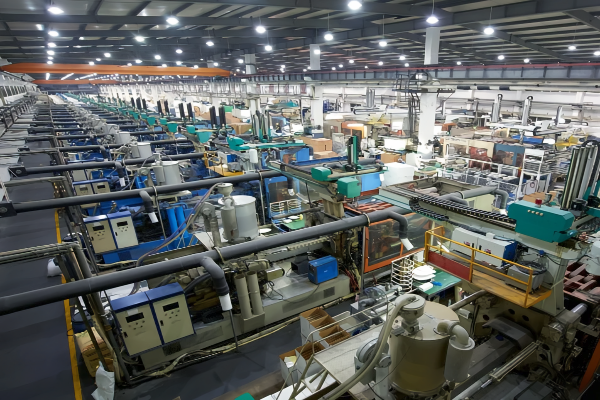
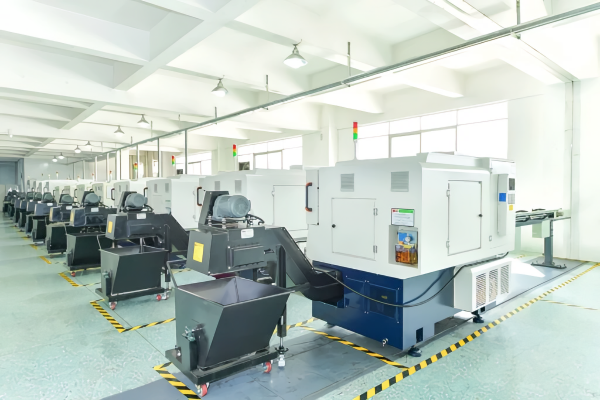
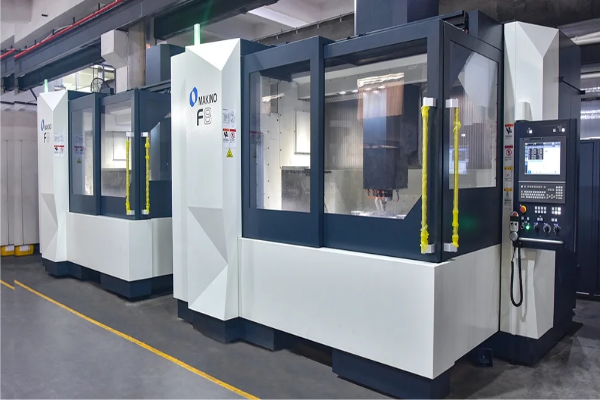
40+ vulcanizing machines · 53,000 sq.m. facility
Trusted By
OEM clients
Kohler · Oatey · American Standard · Amphenol · SFA · Nestlé
The costliest mistake in industrial sealing is choosing the wrong elastomer. A nitrile gasket exposed to daily ozone fails within 18 months . An EPDM seal in contact with hydraulic oil swells and loses compression set within weeks. The downstream cost — unplanned downtime, contamination claims, audit failures — routinely runs 10 to 50 times the unit-price difference between a competent manufacturer and a generic catalog source.
Engelhardt manufactures custom rubber gaskets, custom rubber seals, and silicone sealing components matched to your application’s temperature window, chemical exposure, durometer requirement, and certification scope. We run 14 elastomer families across compression molding, liquid injection molding, die cutting, and waterjet cutting in a 53,000 sq.m. facility, with every batch documented under our IATF 16949 quality management system.
Our first inquiry to a new RFQ isn’t “what is the geometry of the part”, it “what will the gasket be in contact with and at what temperature”. Nail that, tooling is a piece of cake. Flip it, and the part is scrap before it leaves the door.
What separates Engelhardt from generic catalog sources
Application-first material selection
— sales engineers screen your spec against chemical, thermal, and regulatory variables before quoting tooling.
Documented batch traceability
— every production lot carries Mooney viscosity, vulcanization curve, and tensile data per our IATF 16949 quality records.
Real OEM track record
— manufacturing clients include Kohler, Oatey, American Standard, Amphenol, SFA, and Nestlé .
One-stop integration
— rubber, plastic, and hardware fabrication on the same campus shortens supplier-managed assembly lead times.
Gasket Materials We Manufacture — From Buna-N to Fluorosilicone
Our standing inventory covers the elastomer families that resolve 95% of industrial sealing applications. Each compound below is held in stock as raw rubber sheet, ready for compression molding, injection, die cutting, or waterjet to your CAD geometry. Whether you need a die cut EPDM washer, a molded silicone O-ring that must compress predictably across hundreds of thousands of cycles, or a custom silicone gasket qualified to operate from low temperature freezer environments to 500°F sanitary autoclaves, the material decision drives 80% of long-term performance.
The gasket material selection table below is the single decision that determines whether your seal survives in service or fails inside the first quarter. Read each property column against your actual operating envelope — not the nameplate rating.
Material Decision Matrix — 8 Core Elastomers Compared
Material
Temperature Range
Oil/Fuel
Ozone/Weather
Hardness Range
Best For
Silicone (VMQ)
-75°F to 500°F
Poor
Excellent
10-70 Shore A
Sanitary · FDA food · Electronics · LED
EPDM
-30°C to 140°C
Poor
Excellent
40-80 Shore A
Outdoor · Steam · Potable water · HVAC
Neoprene (CR)
-40°C to 120°C
Moderate
Good
40-80 Shore A
General industrial · Marine · Refrigerant
Buna-N (Nitrile, NBR)
-25°C to 100°C
Excellent
Poor
40-90 Shore A
Hydraulic · Fuel · Petroleum sealing
Viton (FKM)
-20°C to 200°C
Excellent
Good
60-90 Shore A
Aggressive chemicals · Pharma · High-temp fuel
Fluorosilicone (FVMQ)
-65°C to 175°C
Excellent
Good
40-80 Shore A
Aerospace · Fuel system · Wide temp swing
Polyurethane (AU/EU)
-40°C to 80°C
Excellent
Moderate
60-95 Shore A
High abrasion · Impact · Hydraulic press seal
Natural Rubber (NR)
-50°C to 80°C
Poor
Poor
30-90 Shore A
Vibration dampening · Tear-resistant gaskets
Specialty Elastomer Grades
Specialty grades available on request: Closed cell silicone sponge, silicone foam, electrically conductive silicone (nickel /silver plated filler), heat conductive silicone, FDA Class VI for medical use by the FDA. Our custom silicone product range includes solid silicone foam, sponge and liquid injection molded silicone (LSR).
Why material selection drives 80% of long-term sealing cost
A loss of the gasket in service is 80-90% caused by; compression set, ozone cracking or chemical swelling. Very rarely is root cause a process or a duty cycle mismatch, the fault is the wrong elastomer to duty cycle combination. With a properly specified material is traceable cure data that losses in this data group are eliminated. Our incoming-material protocol specifies Mooney viscometer testing, moving die rheometer cure compatibility, compression-set validation (per ASTM D395), before any production lot ships.
Manufacturing Processes — Compression Molding, Injection, Die Cut, Waterjet
Design is a choice of geometry complexity, annual volume, tolerance class, and tooling economics. Geometry may be two dimensional within the X-Y plane, such as a flat grommet, or 3 dimensional in the X, Y, and Z axes, like a temperature sensor or complex diaphragm. Picking the right process may literally be the difference between 200 prototype units or 2 million objects for the line side.
Process Comparison Matrix
| Process | Tooling Cost | Typical MOQ | Tolerance | Best Geometry |
|---|---|---|---|---|
| Compression Molding | Low to Medium | 500-5,000 pcs | ±0.10 mm | Solid molded gaskets · O-rings · Custom rubber seals |
| Injection Molding (300T) | Medium to High | 5,000-100,000+ pcs | ±0.05 mm | Complex 3D geometry · Tight tolerance · High volume |
| Die Cutting | Low | 100-50,000 pcs | ±0.25 mm | Flat die cut rubber gaskets · Custom sheet shapes |
| Waterjet Cutting | None (tool-less) | 1-1,000 pcs | ±0.15 mm | Prototype · Low volume · No-tooling first article |
01
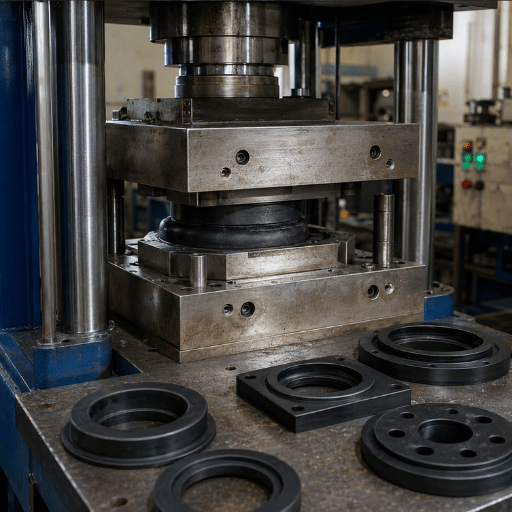
250T Vacuum Vulcanizing Lines
Compression Molding
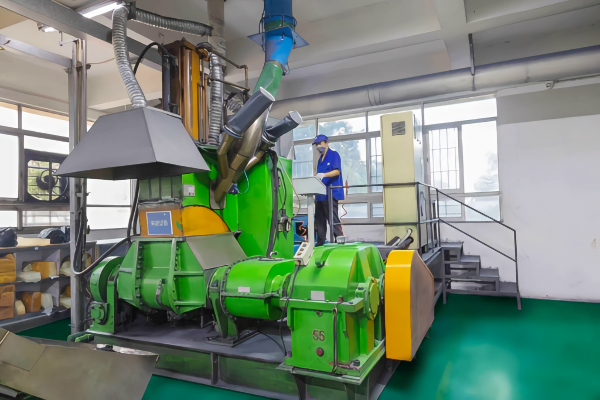
Our 40+ vulcanizing machines — including 250-ton vacuum hydraulic presses — form the backbone of our solid molded rubber capacity. Compression molding is the most economical route for low-to-mid volume runs where tooling investment must amortize quickly. Vacuum-assisted compression eliminates trapped air and reduces flash, which translates to less manual trimming and tighter dimensional repeatability batch-over-batch.
02
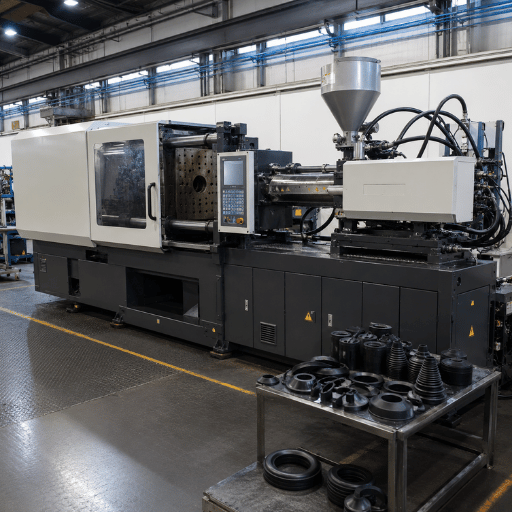
300T Rubber Injection Capacity
Injection Molding
For complex 3D geometries and annual volumes above 5,000 pieces, our 300-ton rubber injection molding line delivers the cycle time and dimensional consistency that compression cannot match. Liquid silicone rubber (LSR) injection runs at 10-70 Shore A across the full silicone hardness range. Cycle times typically run 4-7× faster than compression for equivalent geometry.
03
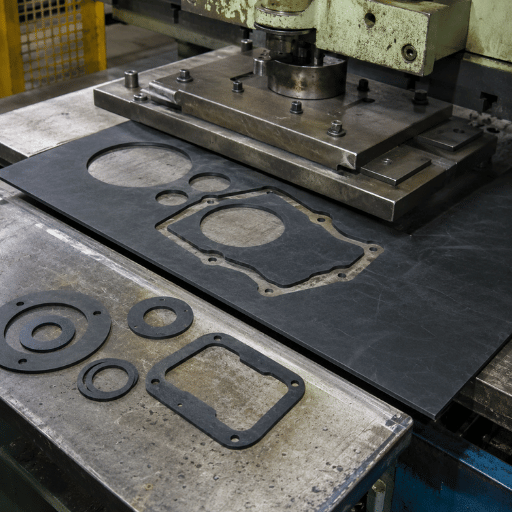
Steel Rule, Rotary, and Kiss-Cut
Die Cutting
Flat custom rubber gaskets cut from sheet stock — the workhorse process for ID/OD washer-style gaskets, flange seals, and adhesive-backed gasket tape. Steel rule dies are inexpensive and fast to commission, making die cutting the right answer for 100-50,000 piece runs of geometry that fits a single plane. Kiss-cutting through adhesive-backed silicone laminate produces peel-and-stick gaskets ready for line-side assembly.
04
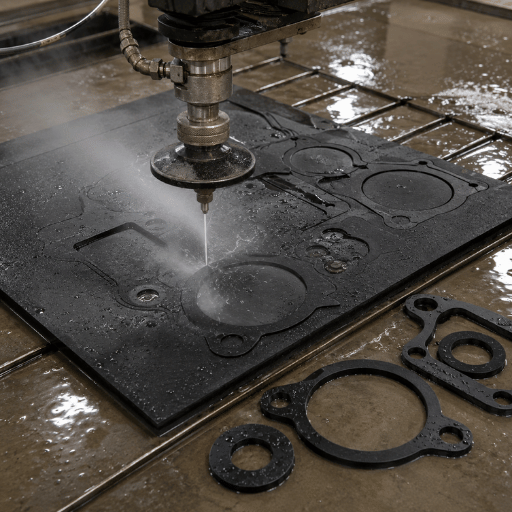
Tool-Less Prototyping
Waterjet Cutting
When a CAD file lands on Tuesday and you need first articles by Friday, waterjet cutting bypasses tooling lead time entirely. Our waterjet cells handle silicone sheet, EPDM, neoprene, fluorosilicone, and PORON-equivalent foams up to 25 mm thick. This is the right path for design iterations, low-volume specialty runs, and prototype validation before committing to compression or injection tooling.
Industries We Serve — Trusted by Kohler, Oatey, American Standard, Amphenol
Our manufacturing clients include category leaders across sanitaryware, plumbing, automotive, electronics, and food & beverage. The named OEMs below have qualified our material control, batch documentation, and on-time delivery against their own supplier audit standards.
Application Coverage by Industry
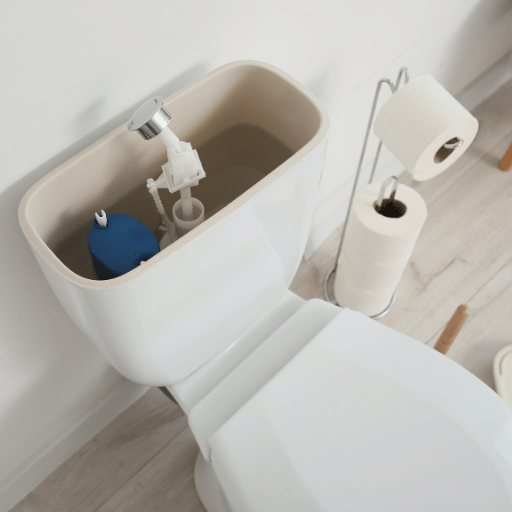
Sanitaryware & Plumbing ➔
FDA-grade silicone gaskets and EPDM potable-water seals for faucets, drain assemblies, toilet tank-to-bowl interfaces, and shower fixtures. Material compliance with NSF/ANSI 51 and 61 for drinking water contact.
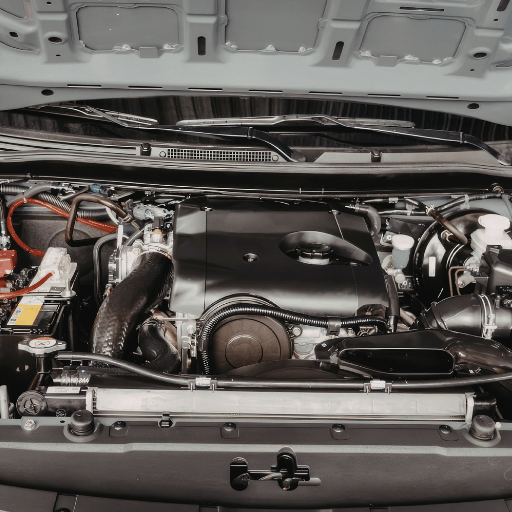
Automotive (IATF 16949) ➔
Underhood seals, fluid-system gaskets, and vibration-dampening components manufactured under IATF 16949 quality protocols. PPAP documentation, lot traceability, and PFMEA on request.
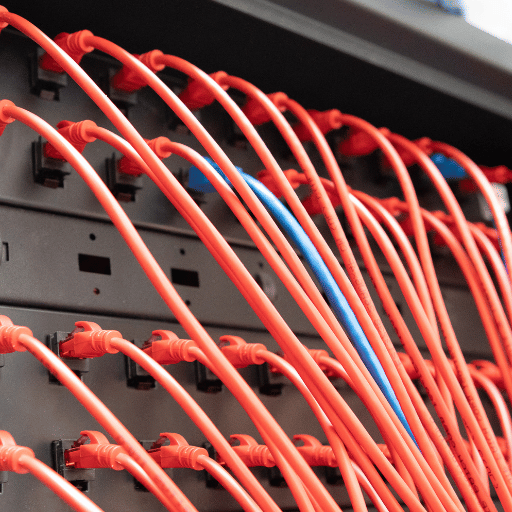
Electronics & Connectors ➔
Conductive silicone gaskets for EMI shielding, sealed-connector grommets, and waterproof enclosure seals. Electrically conductive and thermally conductive silicone variants in stock.
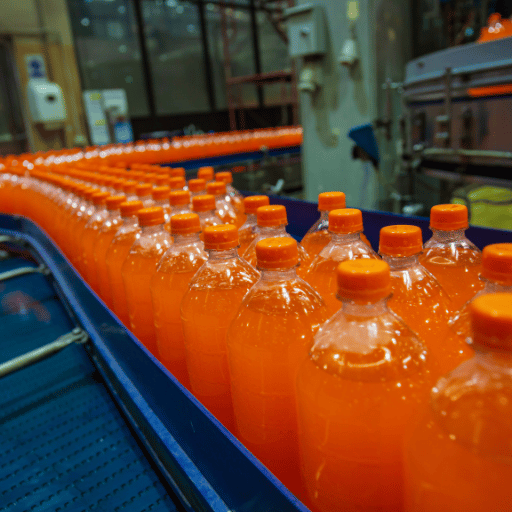
Food & Beverage ➔
FDA 21 CFR 177.2600-compliant silicone for repeated food contact. 3A Sanitary-grade gaskets for dairy and beverage processing equipment.
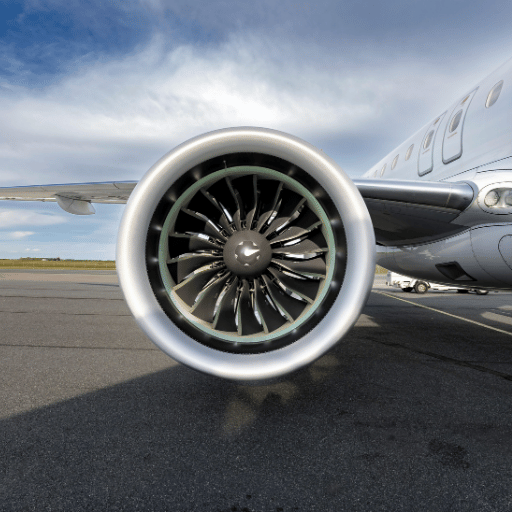
Aerospace & Defense ➔
Fluorosilicone gaskets engineered for fuel-system contact and wide temperature swing. Material specifications align with AMS, MIL, and SAE elastomer standards.
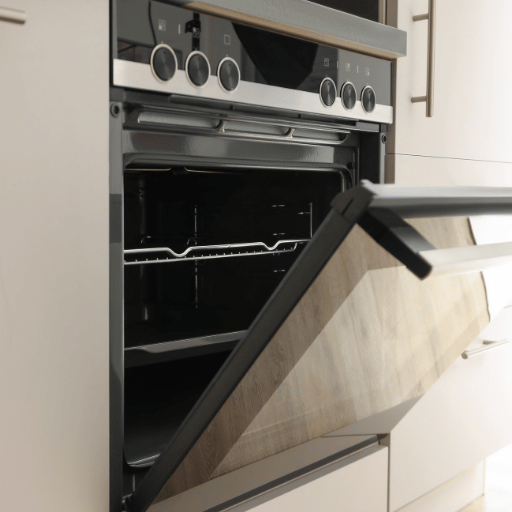
Building Materials & Appliances ➔
Polymer gaskets between doors and windows, in appliances built for high-volume assembly line production. EPDM and silicone materials.
Quality Standards & Certifications — ISO 9001 + IATF 16949
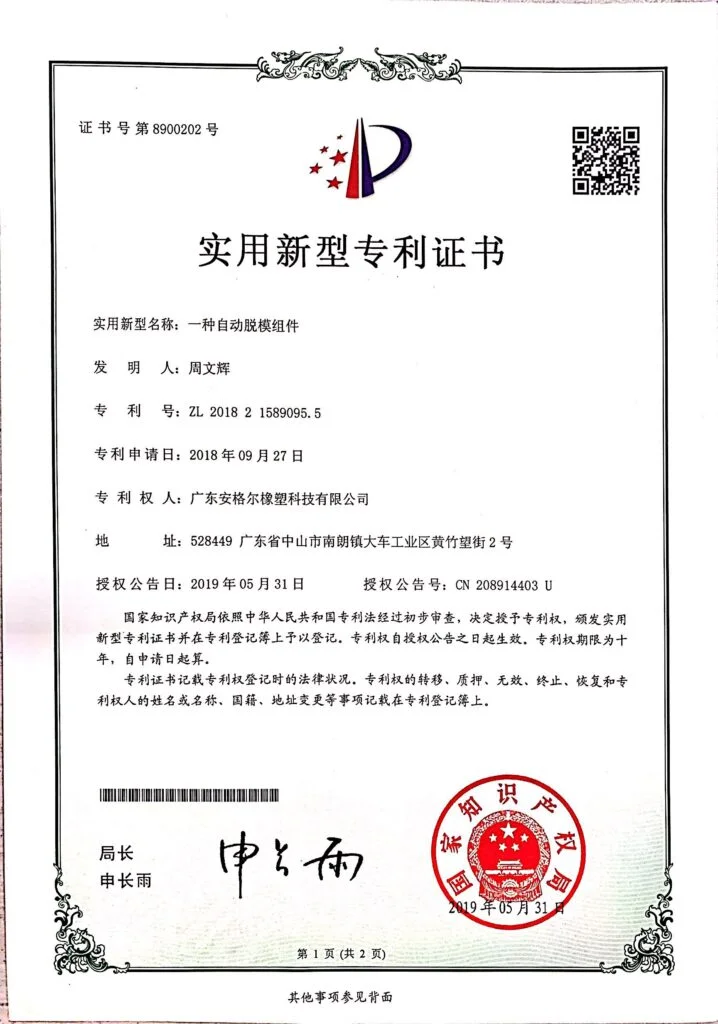
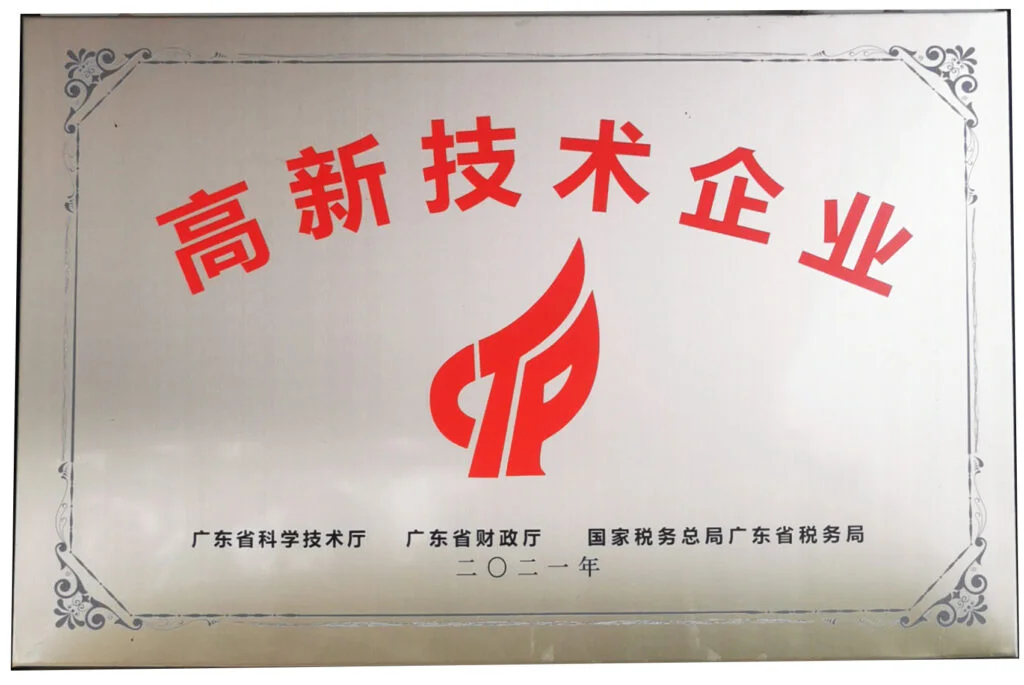
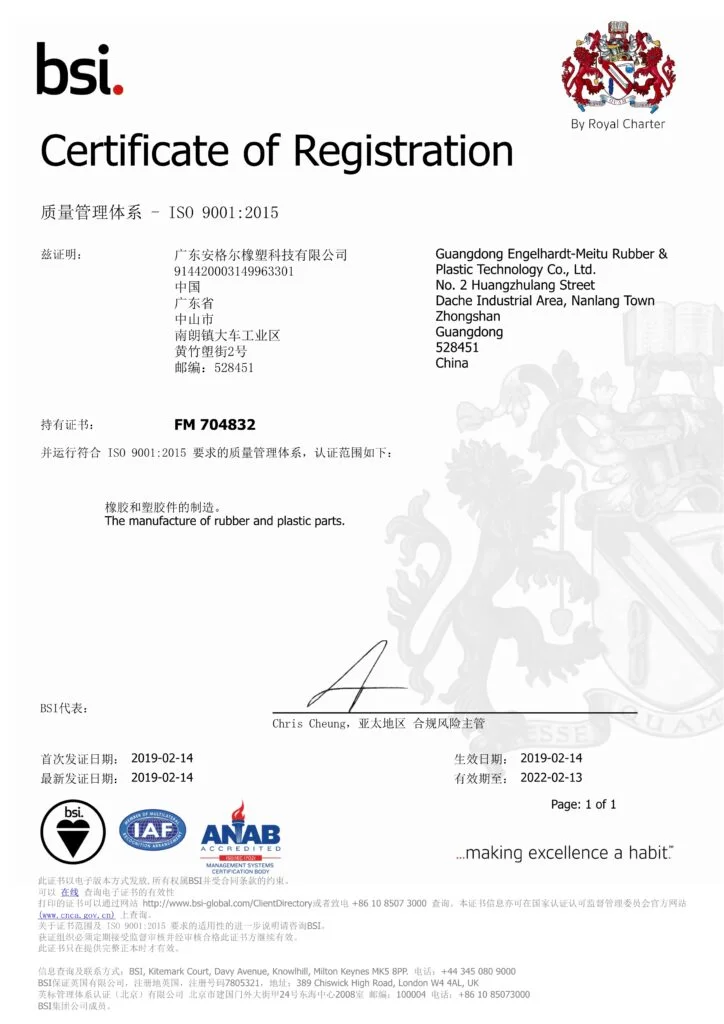
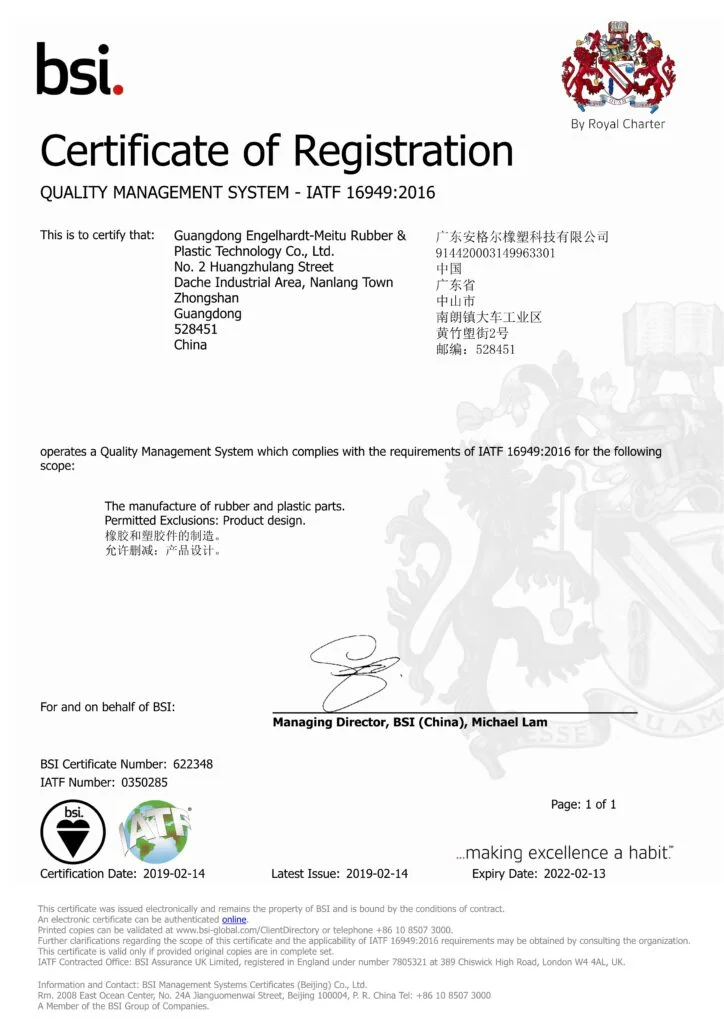
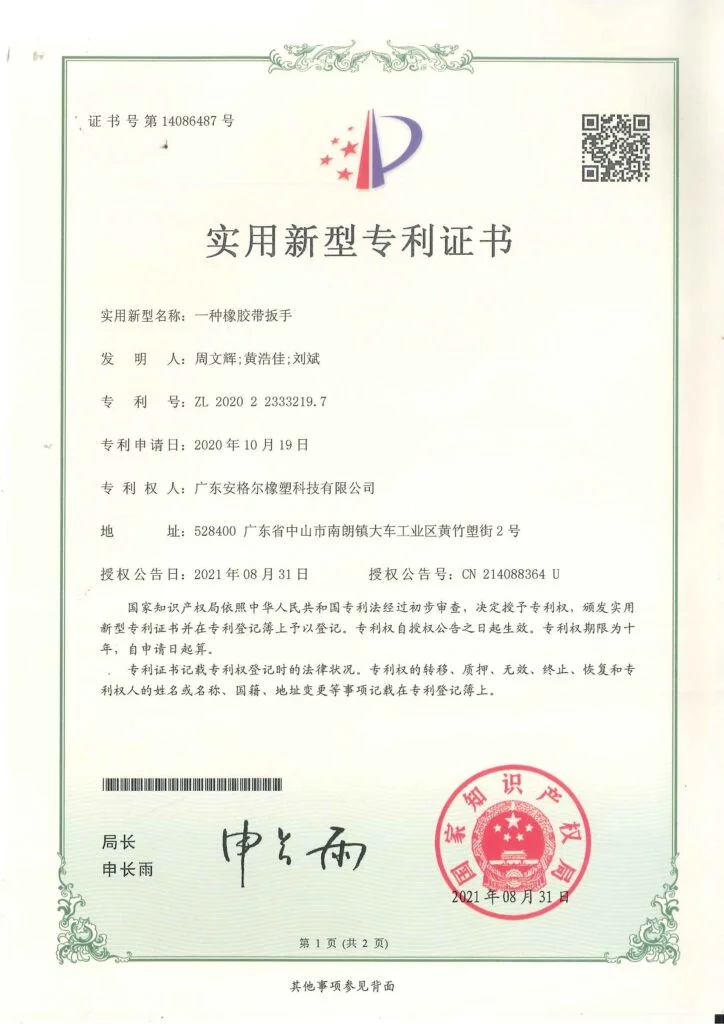
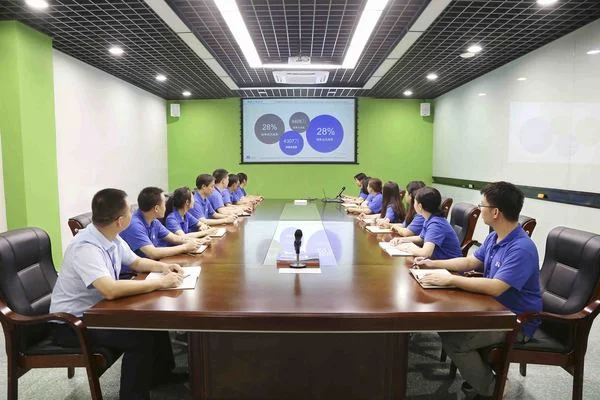
Engelhardt operates under both ISO 9001:2015 and IATF 16949:2016 quality management systems — the latter required of most Tier 1 automotive suppliers working with major OEMs. Maintaining both certifications carries audit cost, but it is the only credible answer to procurement teams that will not place an order on a single-standard supplier.
ISO 9001:2015
Quality Management System — foundation standard for documented process control
IATF 16949:2016
Automotive QMS — mandatory for Tier 1 OEM suppliers (GM, Ford, Stellantis)
RoHS / REACH
EU restriction-of-hazardous-substances and chemical-registration compliance
FDA 21 CFR 177.2600
Rubber articles for repeated food contact — silicone grades
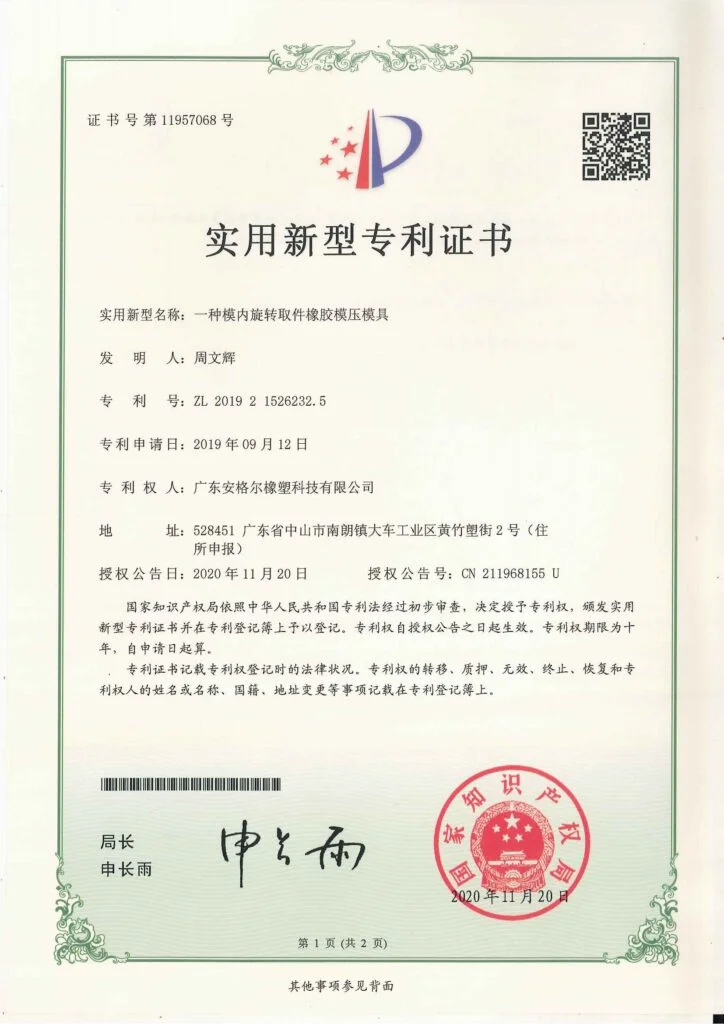
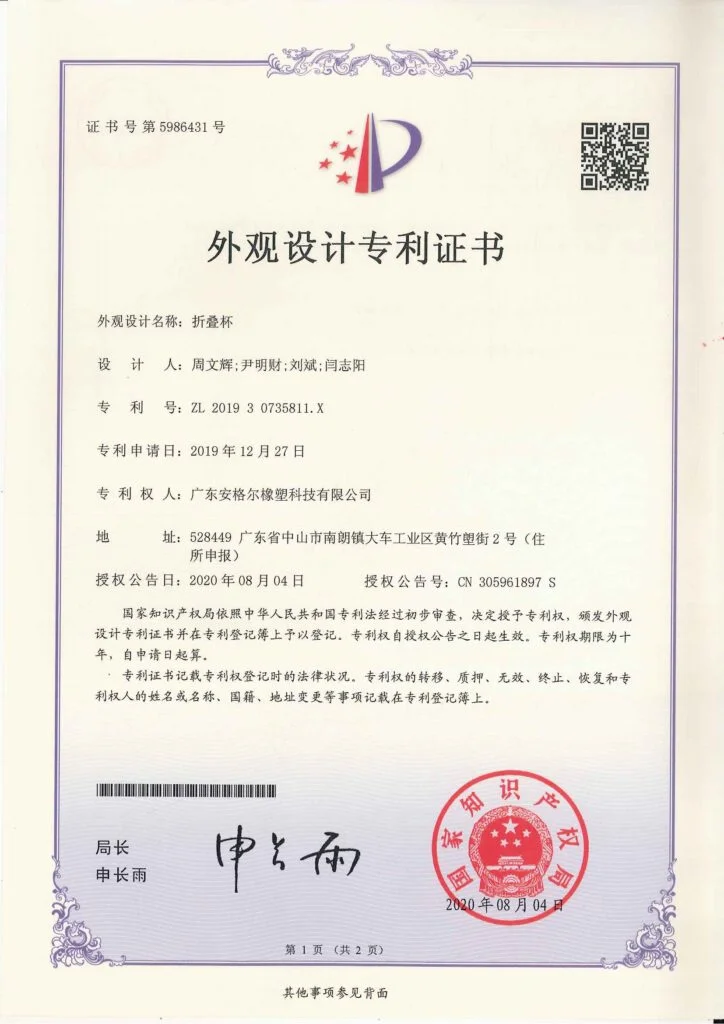
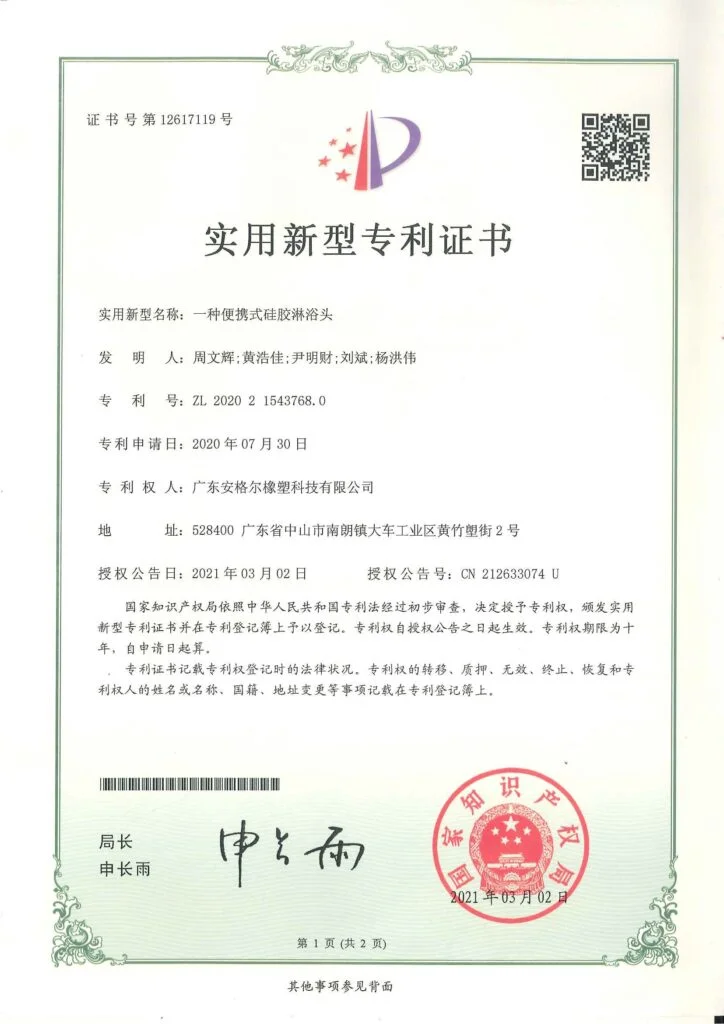
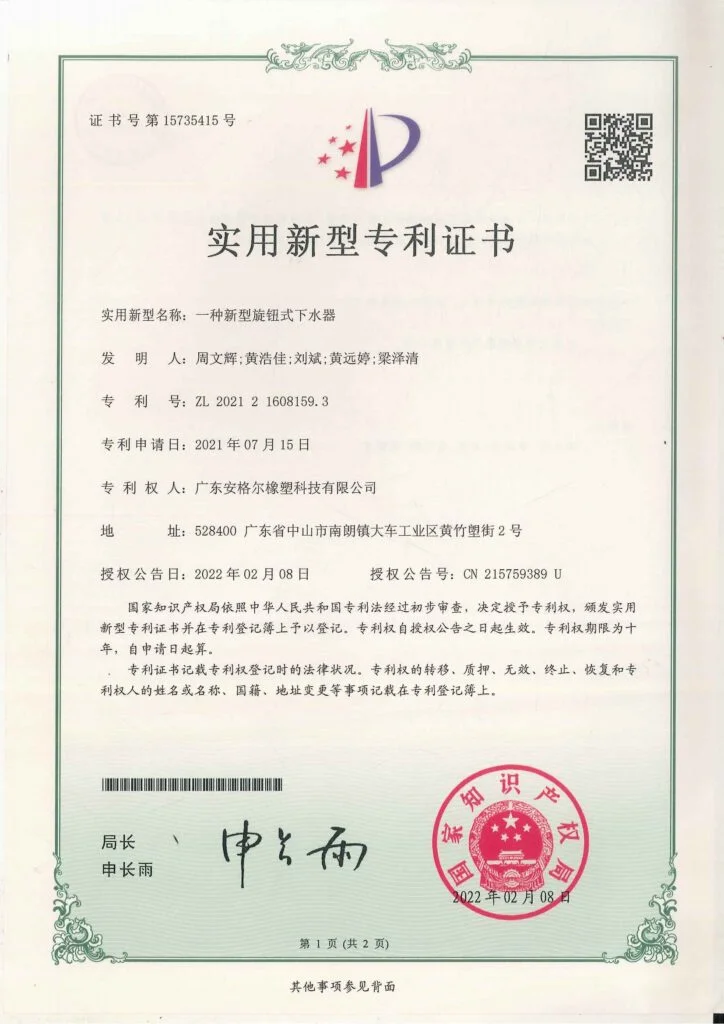
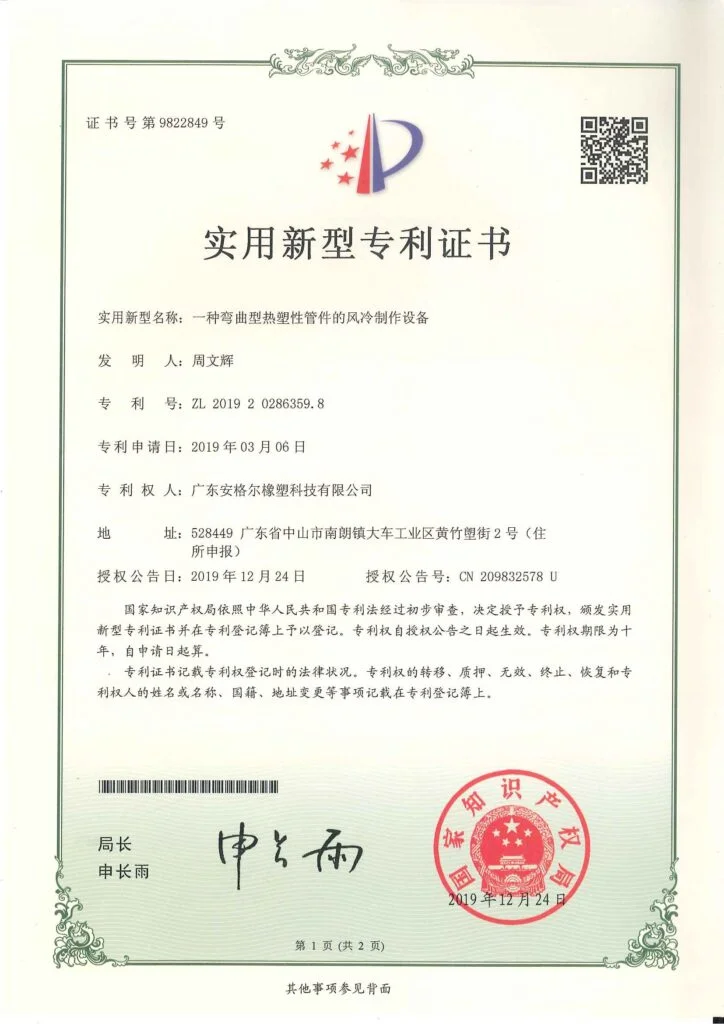
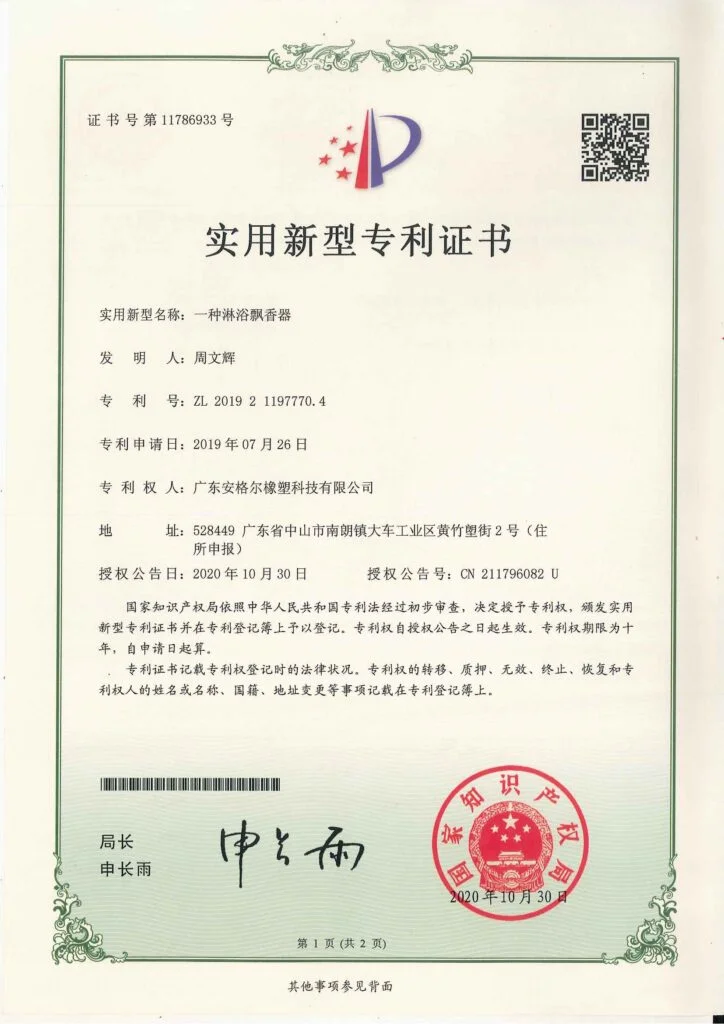
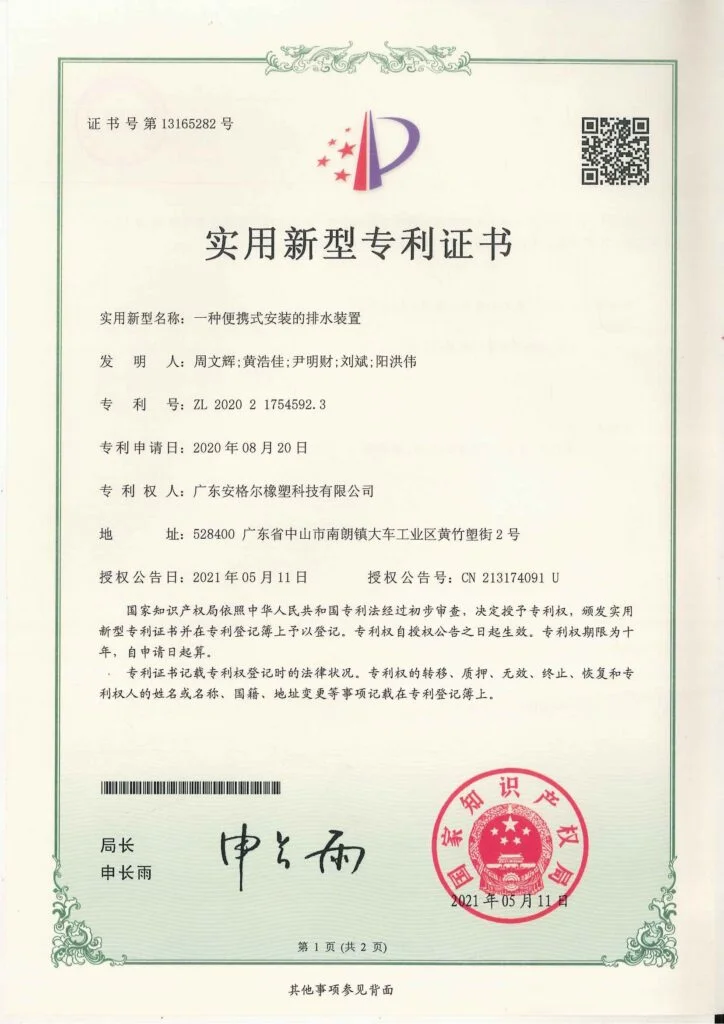
Industry Standards We Build To
Beyond facility certifications, we work to material- and application-specific standards required by buyers in regulated industries. Our material data sheets cite the standard each compound is qualified against, including:
FDA Title 21 CFR 177.2600
rubber articles intended for repeated use in food production, packaging, and processingNSF/ANSI 51 and 61
food equipment materials and drinking water system componentsUSP Class VI
biological reactivity for medical device biocompatibility materials3A Sanitary
equipment used in dairy and food processingUL recognition
materials qualified for specific UL applicationsAMS
Aerospace Material Specifications for elastomersASTM D2000
classification system for rubber materials by type and classASTM D395
standard test methods for compression setASTM D412
tensile properties of vulcanized rubberASTM D1646
Mooney viscosity testing for rubber compoundsMIL specifications
military-grade rubber requirementsSAE elastomer standards
automotive material qualificationAASHTO
highway and transportation material standardsProp 65
California Safe Drinking Water and Toxic Enforcement ActIn-House Testing Center — Equipment Roster
Every certification is only as credible as the test data behind it. Our on-site laboratory runs incoming material verification, in-process cure analysis, and finished-batch validation against the international standards listed above. The equipment roster:
Mooney Viscometer
Compound consistency & processing behavior — ASTM D1646Moving Die Rheometer
Cure rate, scorch time, modulus developmentUniversal Material Testing Machine
Tensile strength, elongation, tear resistance — ASTM D412Carbon Black Analyzer
Filler content verification for rubber compoundsSalt-Spray Corrosion Tester
Coating and substrate corrosion resistanceHeat Aging Test Chamber
Thermal aging behavior — predicts service lifeConstant Temp/Humidity Chamber
Environmental performance qualificationTransportation Simulation Tester
EN, ANSI, UL, ASTM, ISTA shipping testsOptical Projector
2D dimensional measurement for thin partsHigh-Temperature Aging Oven
Long-duration heat resistance verification
When a customer audit asks “how do you verify each lot,” the answer is documented in our IATF 16949 quality records — not anecdotal. Every production lot ships with a Certificate of Conformity referencing the specific test results applicable to your spec.
Custom Gasket Procurement Guide — Pricing Drivers, MOQ, Lead Time
Most B2B sealing projects fail on procurement — not on engineering. A supplier quotes a unit price, the buyer compares it to a generic catalog rate, and the conversation stops before tooling amortization, lead time, and certification cost enter the decision. This section gives you the pricing drivers and procurement framework so the comparison happens on equal terms.
What Drives Custom Gasket Pricing
Pricing for a custom rubber gasket depends on six structural factors. Two suppliers quoting the same geometry can return prices that differ by 3-5× depending on how they treat each driver:
1 Material Family
Silicone and Viton run 4-10× the cost of EPDM or natural rubber. Specialty grades (FDA, conductive, fluorosilicone) carry further premium.
2 Process Selection
Die cutting amortizes over hundreds of pieces; injection tooling amortizes over thousands. Wrong process = wrong unit cost.
3 Tooling Investment
Compression molds, injection cavities, and steel-rule dies have one-time costs that can be paid upfront or amortized over the first batch.
4 Annual Volume
Industry MOQs span 500 to 50,000+ pieces depending on process. Higher commitment = better unit economics.
5 Certification Scope
FDA testing, IATF 16949 PPAP packages, and material data sheet preparation carry incremental cost — quote them upfront, not as a surprise.
6 Geometry Complexity
Tight tolerance, thin walls, and undercuts increase tooling complexity and cycle time. CAD review at quote stage avoids late-stage redesign.
Procurement Flow — RFQ to Production
RFQ submission —
send drawing (.stp / .dxf) plus operating envelope (temperature, chemical exposure, pressure, certification needs)Quote response —
24-48 business hours including process recommendation, material options, MOQ, tooling estimateSample & first article —
7-10 days for waterjet/die cut samples; 3-4 weeks for compression/injection mold first articlesCustomer approval —
PPAP package on request for IATF 16949 customersProduction —
3-4 weeks for established tooling; 4-6 weeks if new mold requiredQC & documentation —
Certificate of Conformity, Mooney/cure data, dimensional inspection per AQLShipping —
FOB Shenzhen / Hong Kong, EXW Zhongshan, or DAP per customer IncotermsTypical Order Parameters
Sample units (waterjet/die cut)
10-50 pieces typical · 7-10 day turnaround
Production MOQ (die cut)
500-5,000 pieces (varies by geometry & material)
Production MOQ (compression)
1,000-10,000 pieces (tooling complexity dependent)
Production MOQ (injection)
5,000-100,000+ pieces (tooling amortization driven)
Tooling lead time
2-4 weeks (compression) · 4-8 weeks (injection)
Production lead time
3-4 weeks (established tooling) · 4-6 weeks (new tooling)
Payment terms
T/T 30/70 (deposit/balance against B/L copy) · L/C at sight
Tooling ownership
Customer owns tooling once amortization is complete — freedom to move production if required
For accurate quotation against your specific drawing, contact our sales engineering team. We return process recommendation, MOQ feasibility, and tooling estimate within 24-48 hours of receiving a CAD file.
Engineered Rubber Gaskets & Precision Sealing Solutions

Manufacturing Excellence
State-of-the-Art Production Facility
Precision Rubber Seals
Engineered for Extreme Conditions
Industrial Gasket Solutions
Heavy-Duty Sealing Performance
High-Quality Components
Certified B2B Manufacturing Standard
Custom Rubber Gaskets
Tailored to Your Specifications
Durable Rubber Seals
Long-Lasting Reliability & Support
Heavy Duty Materials
Advanced Chemical Resistance
Advanced Sealing Tech
Innovation in Every Seal
Rubber Gasket Engineering Tools & Calculators
Rubber Gasket Material Selector
Select your operating envelope below. The tool returns the elastomer families that match all three constraints, ranked by suitability. Based on Engelhardt’s in-house material qualification data.
Custom Rubber Gasket MOQ & Lead Time Estimator
Get a process-based estimate of minimum order quantity, tooling lead time, and production lead time. Based on Engelhardt’s typical capacity and industry MOQ ranges.
Frequently Asked Questions
Engineering & Materials
Yes. Custom rubber gaskets are produced from CAD files (.stp, .dxf, .dwg) using compression molding, liquid silicone injection, die cutting, or waterjet cutting. We screen your drawing against process tolerance capability and material availability before quoting, so you do not pay for a tooling investment that the geometry cannot support.
Thickness is governed by flange flatness, bolt-up compression, and the size of the surface irregularities your gasket must seal. As a starting point, gasket thickness should be 1.5-2× the largest expected surface irregularity. Durometer (hardness, Shore A) is selected against compression load: softer compounds (40-50 Shore A) seal at lower load but extrude under high pressure; harder compounds (70-80 Shore A) handle higher pressure but require more bolt force. Send us your flange spec and load condition and we recommend the right combination.
Yes — with the right elastomer. Viton (FKM) handles concentrated acids, fuels, and aromatic solvents up to 200°C. Fluorosilicone covers fuel system applications with wider temperature swing. EPDM handles steam and most acids/alkalis but fails on petroleum oils. Our material data sheets cite chemical compatibility per ASTM D471 swell testing — we send the relevant sheet with every quotation.
Silicone is one elastomer family within the broader rubber category. Silicone wins on temperature range (-75°F to 500°F), FDA food contact, electrical insulation, and color stability. Organic rubbers (EPDM, neoprene, NBR) win on tear strength, abrasion resistance, and cost. The right answer depends on your operating envelope — not on a generic preference. Our Material Decision Matrix above maps each elastomer to its strongest application.
Manufacturing & Compliance
Sample lead time is 7-10 days for waterjet or die-cut prototypes. First-article molded samples take 3-4 weeks once tooling is approved. Production runs ship 3-4 weeks after order placement on established tooling, or 4-6 weeks when new tooling is required. Tooling itself adds 2-4 weeks for compression molds or 4-8 weeks for injection molds.
MOQ varies by manufacturing process. Die-cut gaskets start at 500 pieces. Compression-molded gaskets typically require 1,000 pieces minimum. Injection-molded production runs from 5,000 pieces upward to amortize tooling cost efficiently. For initial samples or design iterations, waterjet cutting allows quantities of 1-50 pieces with no tooling investment.
Yes. For low-cost design iteration, we recommend waterjet-cut samples that bypass tooling entirely — ideal for confirming geometry and material before committing to molded tooling. For PPAP-grade first articles, we run a small production batch from prototype tooling and ship with full dimensional and material test reports. PPAP package levels 1-5 are available on request for IATF 16949 customers.
Engelhardt holds ISO 9001:2015 and IATF 16949:2016 quality management system certifications. Material-level compliance includes FDA 21 CFR 177.2600 silicone grades, RoHS, REACH, and Prop 65 documentation. Certificate copies and audit reports are available on request — usually within 1 business day of inquiry. For customer audits, we host on-site visits at our 53,000 sq.m. Zhongshan facility with prior arrangement.
Get a Quote on Your Custom Rubber Gasket Project
Send your drawing or describe your application. Sales engineering responds within 24 hours with material recommendation, process selection, MOQ, and tooling estimate.
Get Custom Quote
sales41@china-meitu.com
+86 18022095953
Zhongshan, Guangdong, China