
Get in Touch with Engelhardt

Automotive Rubber Parts — Custom OEM Manufacturing By Engelhardt
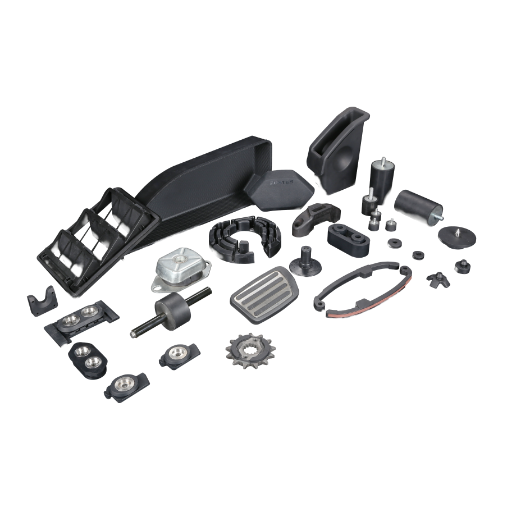
Bushings, seals, grommets, NVH dampers and rubber-to-metal bonded components — molded in-house from EPDM, nitrile, neoprene, silicone and FKM, to your drawings, under an IATF 16949 quality system.
Request A Quote
OEM · Tier 1 · Tier 2 Programs
In-House Molded
/ 01
40+
Vulcanizing machines, incl. 250T vacuum press & 300T injection
/ 02
~2,000 t
Molded rubber output per year
/ 03
IATF 16949
+ ISO 9001 quality systems
/ 04
3,600 m²
In-house mold design & tooling workshop
/ 05
Since 2009
Rubber, silicone & hardware manufacturing
/ 06
7+ Elastomers
EPDM, NBR, CR, VMQ, FKM, NR, SBR
/ Insight
Uniform Quality Is Harder Than Most Buyers Expect.
Automotive rubber parts are the elastomer components within a vehicle that perform the important functions of sealing, isolating vibration, dampening noise and providing protection — and obtaining uniform quality from a reliable source is more challenging than most buyers expect. A part that passes a sample lot can fail in series production, and a supplier lacking an automotive quality management system leaves you vulnerable to recalls, line interruptions and warranty issues. Engelhardt manufactures custom automotive rubber parts and automobile rubber components for OEM and Tier 1/Tier 2 programs, combining a documented IATF 16949 process with in-house compounding, tooling and material testing.
The Real Cost Of An Unreliable Automotive Rubber Parts Supplier
For: Engineers and Procurement and Program Managers
When a molded seal fails to the point that coolant leaks past a housing, or an engine mount transmits vibration that the part was engineered to absorb, or when a batch of grommets arrives a durometer too hard, the issue almost never stays local. It shows up as a squeak on a finished vehicle, a rejected lot at incoming inspection, or, in the worst cases, a field recall traced back to an elastomer component.
The Root Cause Is Usually Not The Rubber — It Is Process Control.
The wrong compound, an unmonitored cure curve, or a mold built without a design-for-manufacturing review will all pass a casual sample check and then drift in volume production. Procurement teams know this pattern well — and the documented numbers are blunt:
A seal that works perfectly for six months can fail catastrophically in the seventh when exposure conditions change.
— Materials Engineering Source
In supplier forums, the most common complaint about overseas rubber sourcing is the same story repeated across industries — degrading quality, missed capacity claims, and parts that pass sampling but fail in series.
Engelhardt’s Answer
Remove The Guesswork Before A Part Is Ever Quoted.
Every automotive rubber part runs through a defined IATF 16949 workflow — a design-for-manufacturing review of your drawing, compound selection tied to the actual service environment, a mold built and proven in our own 3,600 m² tooling workshop, and batch-level testing that catches drift before it ships.
01
DFM Drawing Review
A design-for-manufacturing review of your drawing before any tooling is cut.
02
Compound Selection
Elastomer chosen against the actual service environment — fluid, temperature, cycle.
03
Mold Built and Proven
Tooling produced and validated in our own 3,600 m² in-house mold workshop.
04
Batch-Level Testing
Ongoing batch checks that catch process drift before any shipment leaves the floor.
You get a rubber component you can specify into a vehicle program without it becoming the line item that keeps your quality team awake. The segments below describe what we can mold, how an automotive-grade process differs from a generic one, and exactly how to move from drawing to delivery.
Engelhardt’s Automotive Rubber Parts Range & Material Selection
For: Engineers (Primary) · Procurement (RFQ Matching)
Buyers searching for custom rubber parts, molded rubber components or a rubber parts manufacturer rarely need a catalogue number — they need a partner who can mold their geometry in the right elastomer. Engelhardt molds the full spectrum of automotive rubber components, including compression, transfer and injection molded rubber parts, with rubber-to-metal bonding capable of loadbearing or anti-vibration duties.
Part Categories
08 / Molded Lines · Tap To Expand
Automotive Rubber Part Categories We Mold
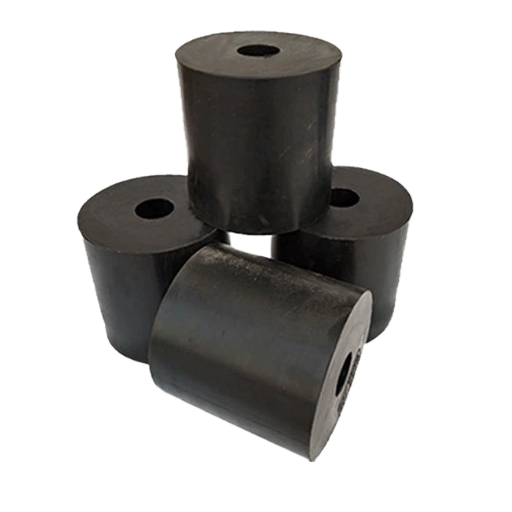 // Line 01
/ 01
Bushings & Silent Blocks
Tap To Read
Suspension and subframe bushings that locate components and absorb vibration, including rubber-to-metal bonded designs.
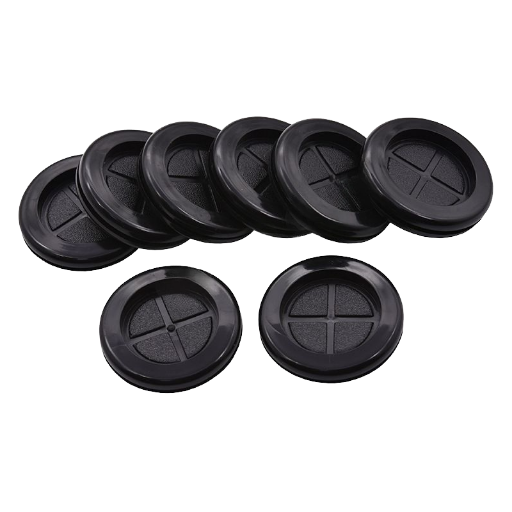 // Line 02
/ 02
Grommets & Isolators
Tap To Read
Wiring and panel grommets, sound-isolation grommets and sensor-mount isolators in tight-tolerance geometry.
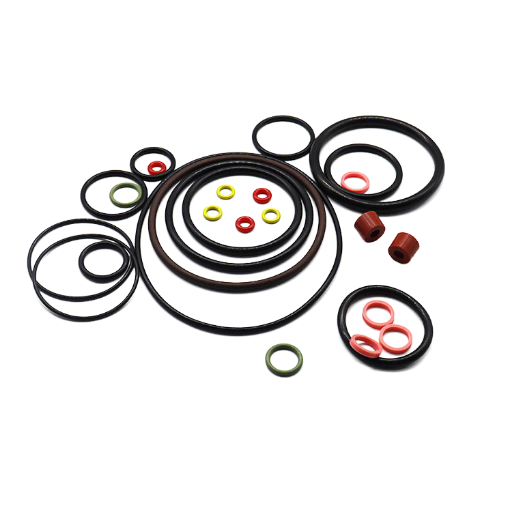 // Line 03
/ 03
Seals & O-Rings
Tap To Read
Static and dynamic seals, molded O-rings and cosmetic seals for sensors, lighting and electronic housings.
 // Line 04
/ 04
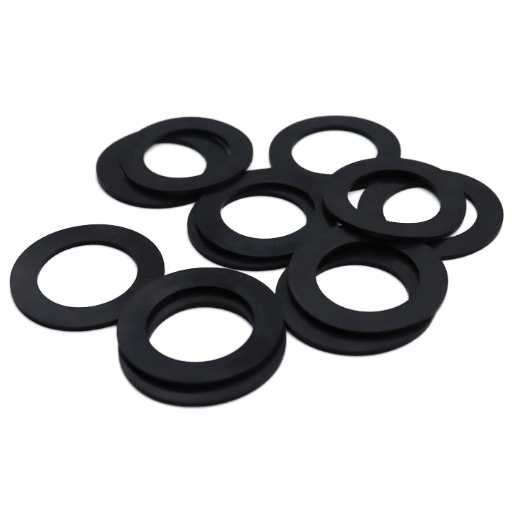
Gaskets
Tap To Read
Molded gaskets for cooling, HVAC and powertrain interfaces, matched to fluid and temperature exposure.
 // Line 05
/ 05
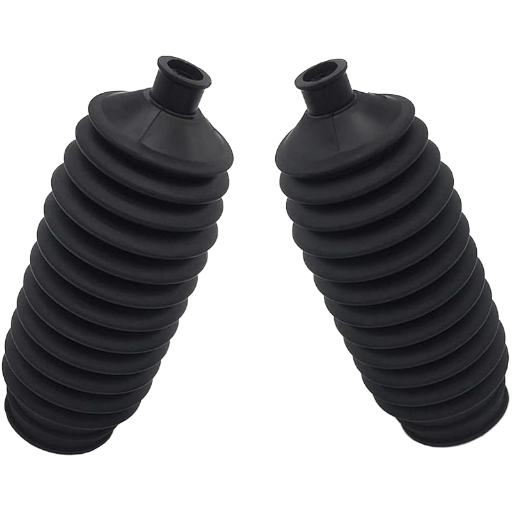
Boots & Bellows
Tap To Read
Convoluted boots and bellows that guide and protect cables, shafts and wiring harnesses.
 // Line 06
/ 06
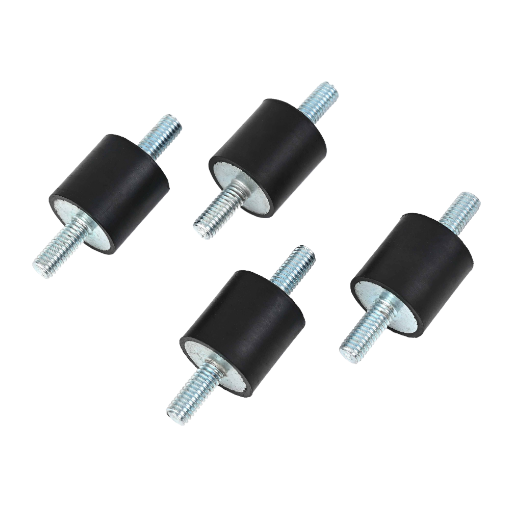
Engine Mounts & NVH Dampers
Tap To Read
Vibration isolators and dampers that integrate elastomer damping with a metal load path.
 // Line 07
/ 07
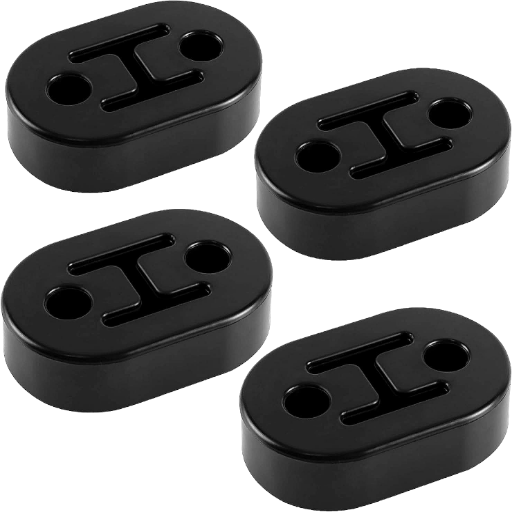
Muffler Hangers & Exhaust Isolators
Tap To Read
Rubber-bonded-to-metal hangers that support exhaust systems through thermal and dynamic loading.
 // Line 08
/ 08
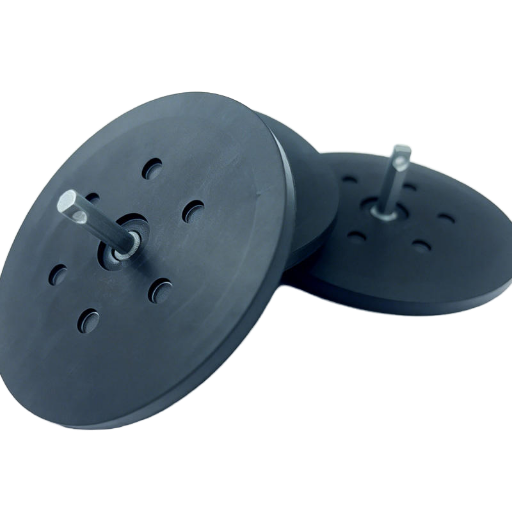
Rubber-To-Metal Bonded Parts
Tap To Read
Inserts, brackets and assemblies where elastomer and steel are co-vulcanized into one functional part.
Material Matrix
07 / Compounded Elastomers
Automotive Rubber Material Selection Matrix
The single most expensive mistake in sourcing automotive rubber parts is the wrong elastomer — specifying EPDM where oil is present, or nitrile where ozone is. Our matrix below maps the 7 elastomers we compound towards our realistic automotive working envelope: values are typical published ranges and are based on the grade of the compound used and the level of filler loading; we can confirm the specific specification as part of your DFM documentation during the review with us comparing it to the service conditions needed and the appropriate ASTM D2000 line call out.
| Elastomer | Typical Service Temp | Oil / Fuel Resistance | Ozone / Weather | Typical Shore A | Typical Automotive Use |
|---|---|---|---|---|---|
| EPDM | −40 to +120°C | 60–90 | Door & window seals, coolant seals, HVAC gaskets | ||
| NBR / Nitrile | −35 to +120°C | 60–90 | Fuel-system seals, oil seals, hydraulic O-rings | ||
| Neoprene / CR | −40 to +100°C | 50–80 | Engine mounts, vibration dampers, general gaskets | ||
| Silicone / VMQ | −60 to +200°C | 40–70 | Turbo & charge-air hoses, electronics seals | ||
| FKM / Viton | −20 to +200°C | 75–90 | Fuel-injection seals, high-temp oil seals (>150°C) | ||
| Natural Rubber (NR) | −50 to +80°C | 40–80 | Shock absorbers, vibration mounts, dynamic isolators | ||
| SBR | −40 to +90°C | 50–85 | General-purpose gaskets, pads, non-fluid components |
// Buyer Insight
The Two Lines That Catch Purchasing Teams Out.
Two of the lines are shaded, as these are the lines that catch the unaware purchasing teams out: nitrile is the default choice for anything that comes into contact with oil or fuel, while FKM answers the high temperature oil sealing challenge that the Nitrile can’t — at nearly 8 times the base-material cost of EPDM. Over spec’ing FKM in a situation where it is not needed, silently inflates a parts cost; under spec’ing it and the part will likely fail somewhere around the 7th month. This is where a manufacturer with in-house compounding capability becomes a true value add: we tune acrylonitrile content, filler and cure system to the application rather than simply fielding the closest off-the-shelf compound.
Automotive-Grade Vs. Generic Industrial Rubber — What IATF 16949 Changes
For: Engineers & Program Managers · Procurement
Many rubber shops can mold a part that looks correct. Far fewer run a process that proves — lot after lot — that the part is correct. That gap is exactly what IATF 16949 closes, and it is the difference a generic industrial rubber supplier cannot show on paper. A recurring procurement frustration captures the risk precisely: “samples bond well, but batches often fail.” Sample approval tells you a part can be made; an automotive quality system tells you it will be made the same way every time.
Capability Comparison
06 / Audit Dimensions
Side-By-Side Audit: Automotive-Grade Vs. Generic Industrial
|
// Dimension
Capability
|
Recommended
// Engelhardt
Automotive-Grade
|
// Industry Baseline
Generic Industrial Supplier
|
|---|---|---|
| Quality System | IATF 16949:2016 + ISO 9001, with PPAP, APQP and AIAG core tools | ISO 9001 only, or no certified system |
| Batch Traceability | Every lot traced to raw-material batch, cure record, operator & test data | Typically no lot-level traceability |
| Compound Control | Mooney viscosity & MDR cure curve checked per batch | Compound not routinely verified |
| Tolerance Capability | Tight-tolerance molding, mold built & tuned in-house | Commodity tolerances, outsourced tooling |
| Failure-Mode Validation | Salt-spray, heat-aging, ozone & transport-vibration testing in-house | Aging & environmental tests rarely run |
| Engineering Support | DFM review + in-house mold design & build | Build-to-print only, no design feedback |
Engineering Note
Why Traceability Is Not Paperwork.
IATF 16949 · AIAG CQI-28
Under IATF 16949, every automotive rubber part is traceable to its raw-material batch, production date, operator and test results. AIAG’s CQI-28 traceability guideline exists for one reason: a single quality escape can otherwise force a recall across millions of vehicles. When a non-conformance does appear, traceability is what turns a fleet-wide recall into a contained, dated, single-lot correction — that is the cost avoidance behind the certification, not the certificate on the wall.
This cost will provide you a price signal too: IATF-certified parts generally carry roughly 15–30% premiums over un-certified parts. Comparing that to the cost of throwing away a rejected production lot of sealed parts — and in rubber-to-metal bonded parts: “the cost of a rejected part is already lost forever” because you cannot re-make bonded parts: the certified process is the most economical of the two, not the least.
The Manufacturing Behind Every Part — Capacity, Tooling & Testing
For: Program Managers (Primary) · Engineers (Technical Validation)
A quality system is only as credible as the plant behind it. “Supplier claimed 2,500 units, delivered 600” stories keep recurring because buyers cannot see real capacity before they commit. Engelhardt’s automotive rubber parts are produced on equipment and processes we can put concrete numbers against.
Rubber Workshop
Equipment & Tooling Capacity
Volume, Tooling & The Numbers Behind Void-Free Molding.
Our rubber workshop runs more than 40 vulcanizing machines, anchored by a 250-ton vacuum vulcanizing press for void-free molding of complex geometry and a 300-ton rubber injection machine for high-consistency volume production. Annual molded-rubber output is around 2,000 tons.
40+
Vulcanizing
Machines
Machines
~2,000 t
Annual Molded
Output
Output
3,600 m²
In-House Mold
Workshop
Workshop
30+ yrs
Mold Engineer
Experience
Experience
Tooling is not outsourced: a dedicated 3,600 m² mold workshop — equipped with German Rhodes high-speed machining, CNC, EDM and deep-hole drilling, and staffed by engineers with over 30 years of molding experience — designs and builds the molds your parts run in. Because the mold and the part come from one source, a DFM finding can be corrected in steel before it becomes a recurring defect.
Testing Center
05 / Validation Domains
Consistency Is Verified, Not Assumed.
Our in-house testing center runs material and process validation across the same failure modes automotive buyers worry about: a Mooney viscometer and moving-die rheometer (MDR) confirm compound and cure-curve behaviour batch to batch; a carbon-black analyzer checks filler dispersion; salt-spray, heat-aging and humidity chambers reproduce service ageing; and a transportation-vibration simulator and optical projector measurement close the loop on dynamic durability and dimensional accuracy. This is the practical answer to “samples bond well but batches fail” — drift is caught on our floor, not your assembly line.
/ 01
Mooney & MDR Rheometer
Confirms compound viscosity and cure-curve behaviour batch to batch.
/ 02
Carbon-Black Analyzer
Verifies filler dispersion across each production batch.
/ 03
Salt-Spray / Heat-Aging / Humidity
Chambers that reproduce service ageing and corrosion exposure.
/ 04
Transportation-Vibration Simulator
Closes the loop on dynamic durability under transit & service loading.
/ 05
Optical Projector Measurement
Validates dimensional accuracy to drawing tolerance.
Engineer Statement
“We never sign off a rubber-to-metal bonded part on initial pull strength alone. We retest after heat-aging and salt-spray, because most bond failures in service are corrosion creeping along the interface — not the original bond. If a compound cannot hold after ageing, it does not leave the building.“
Quality & Compliance — IATF 16949, ISO 9001 & In-House Material Validation
For: Procurement (Primary) · Engineers (Standard Applicability)
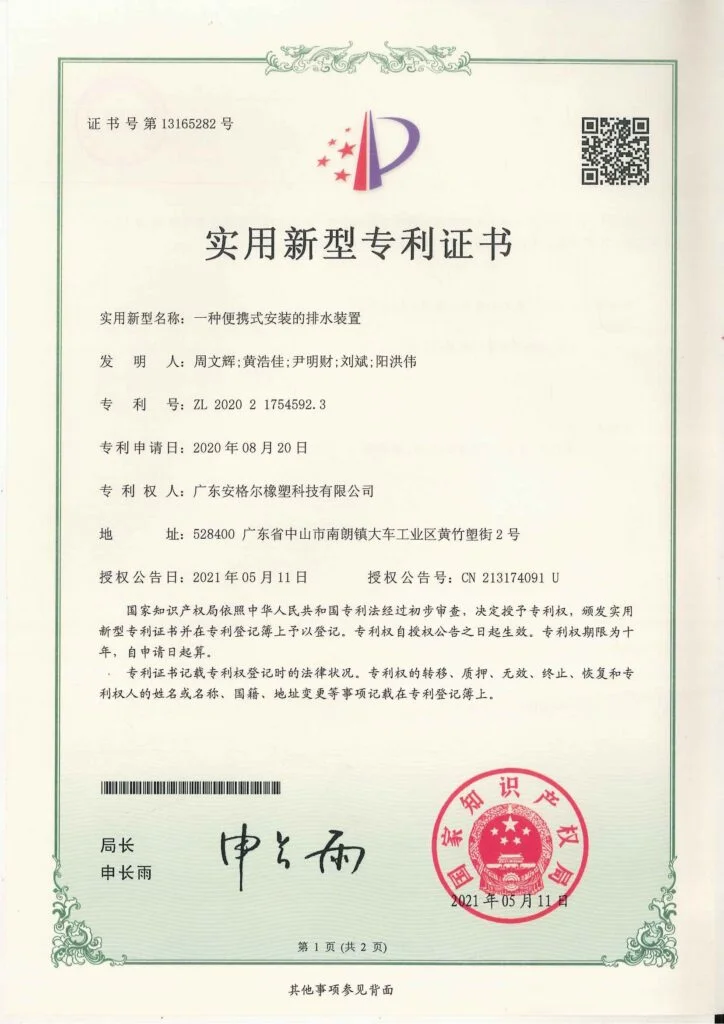
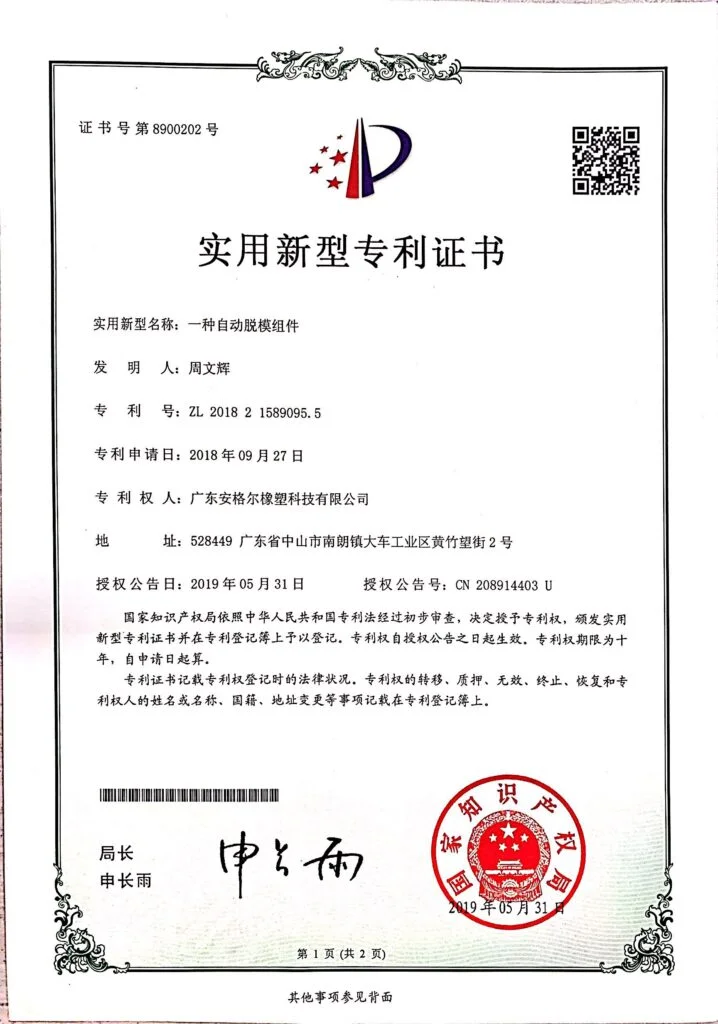
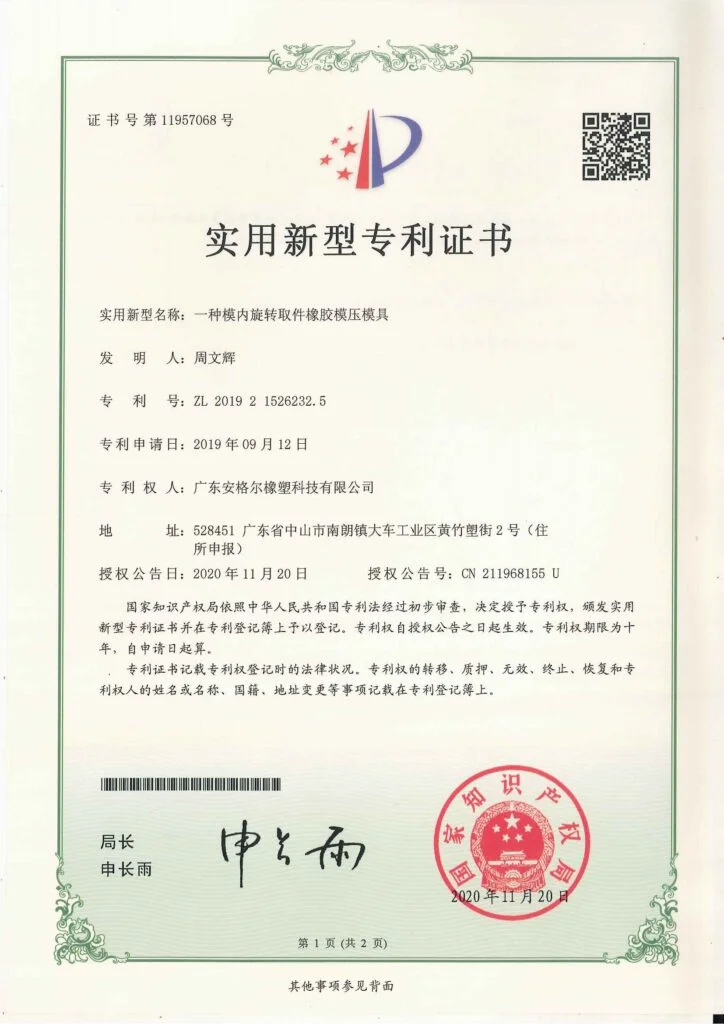
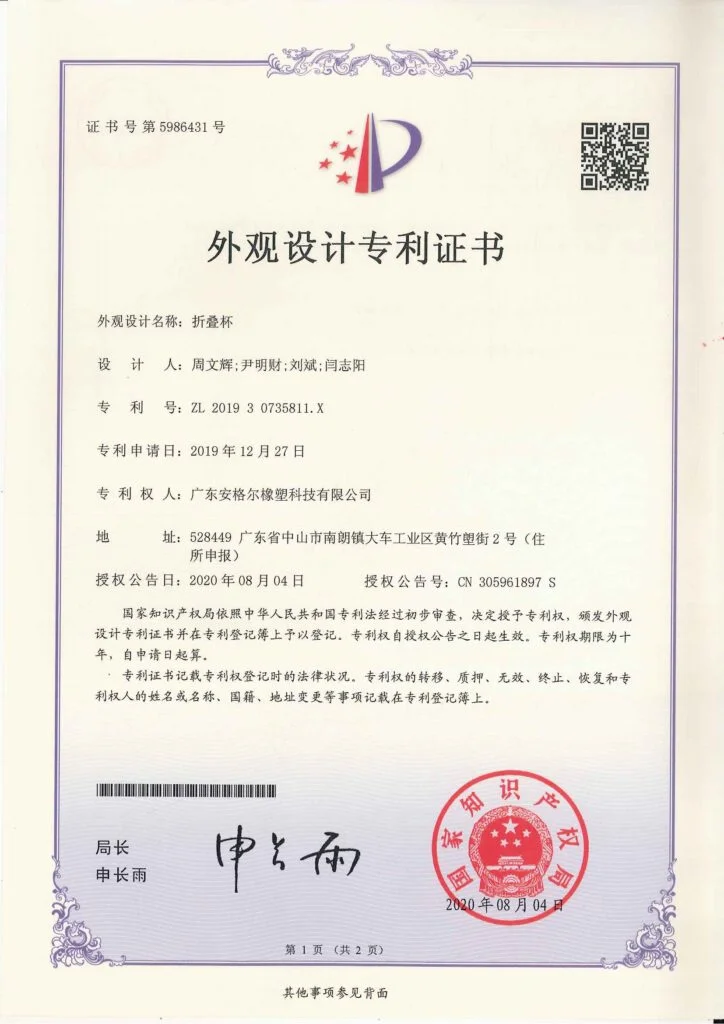
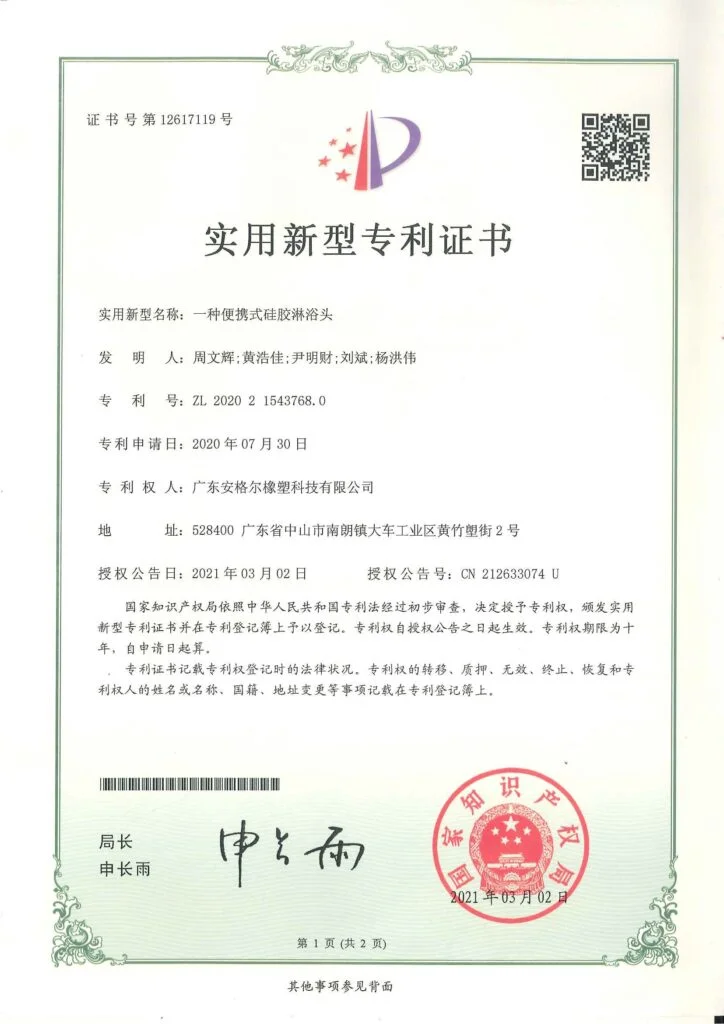
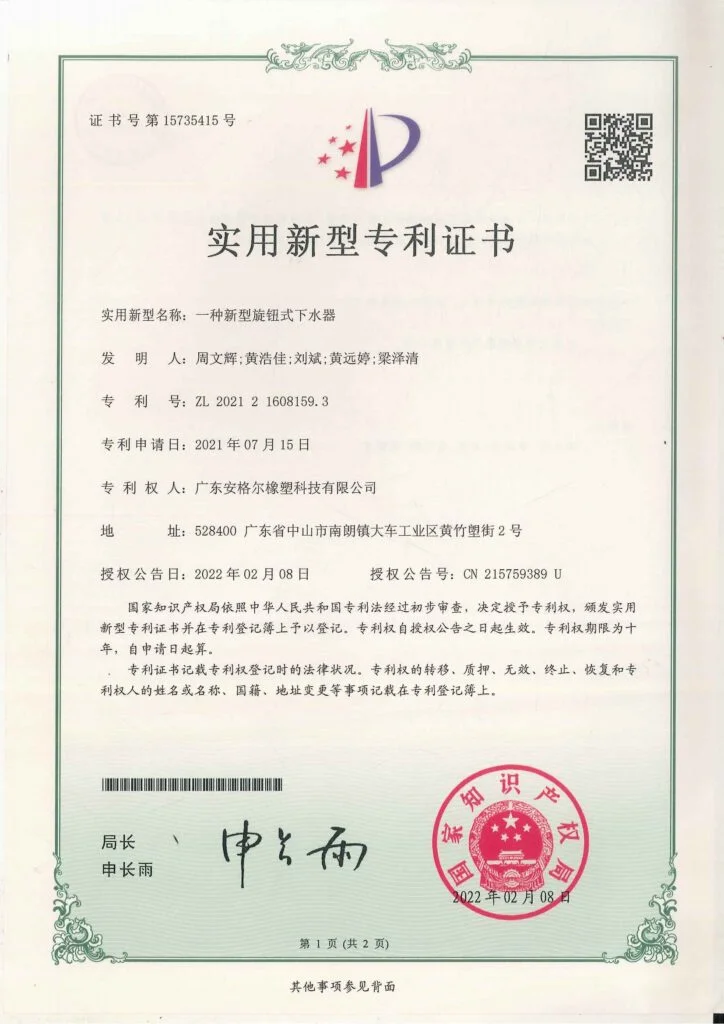
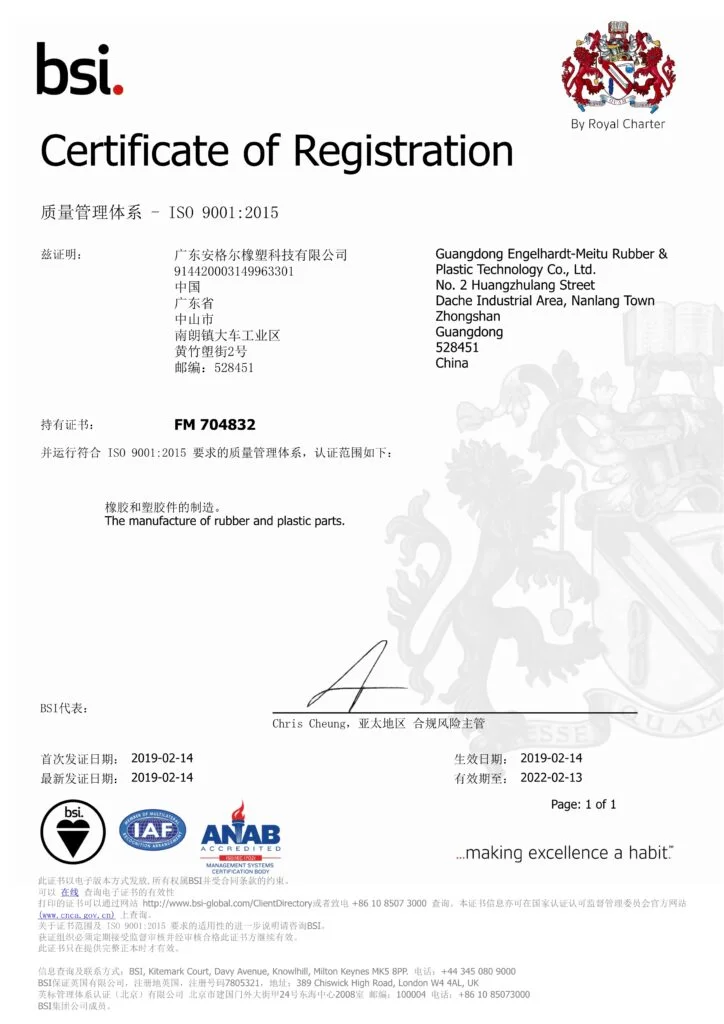
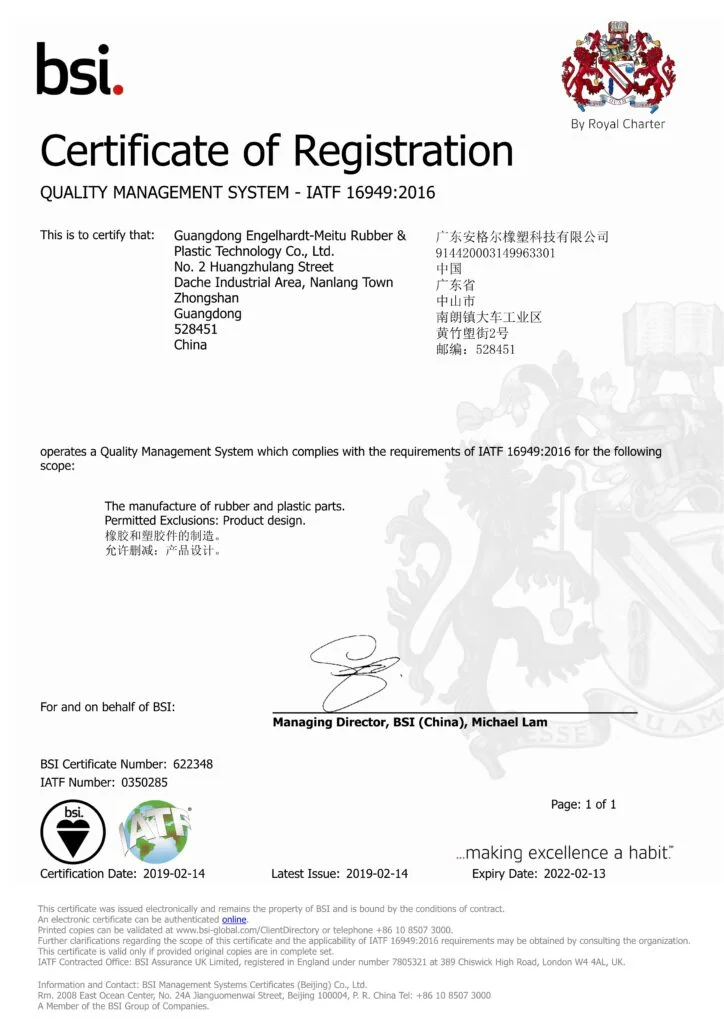
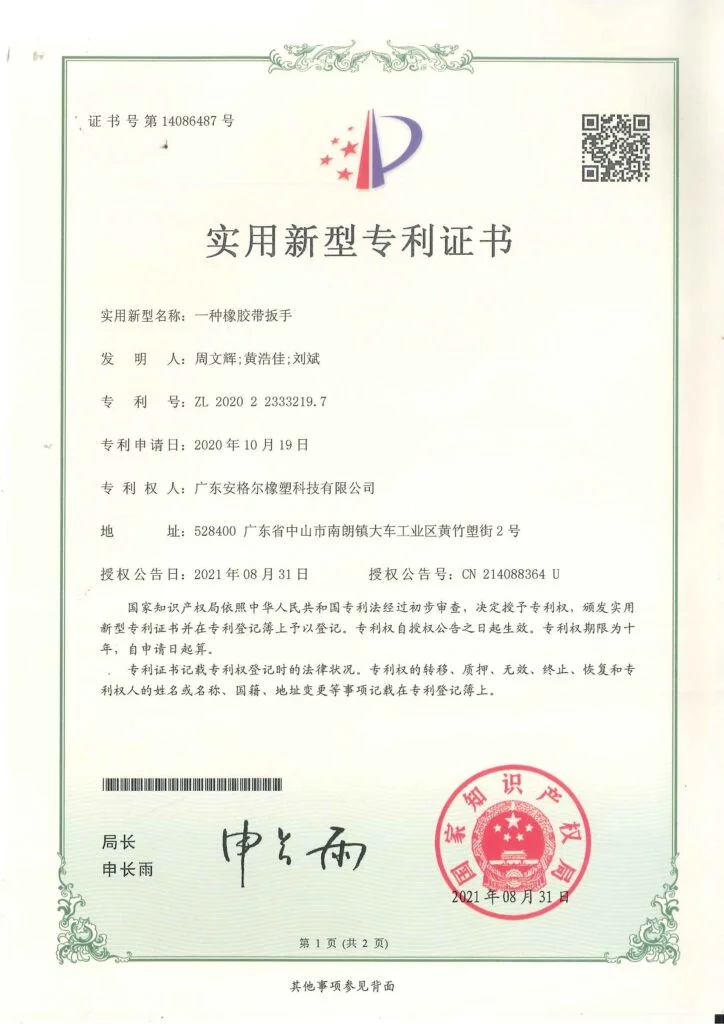
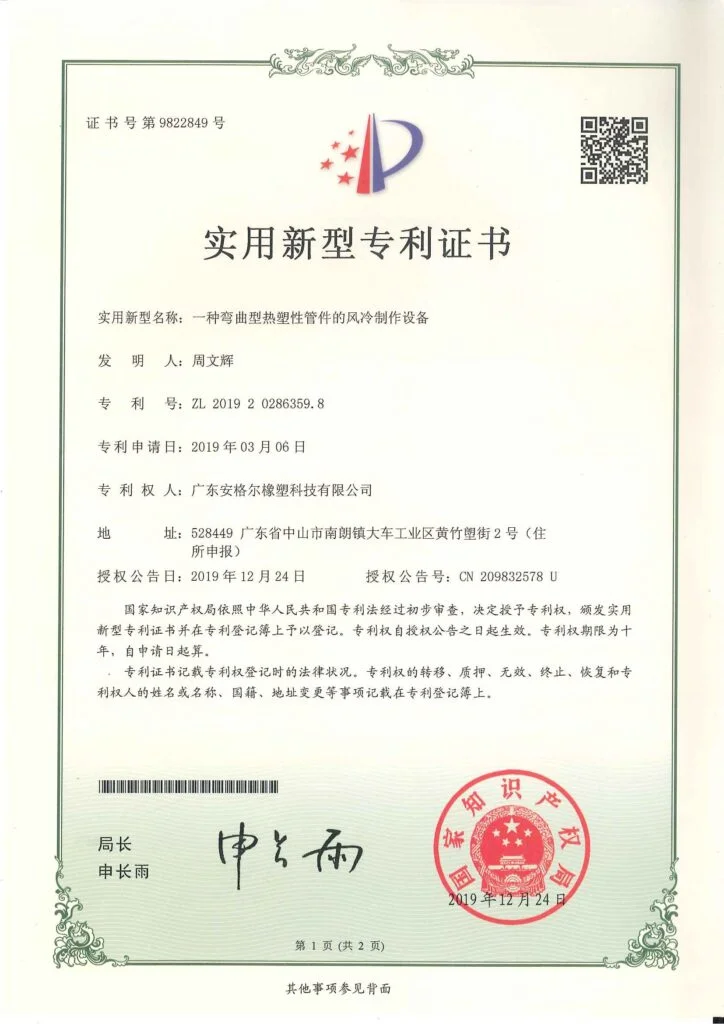
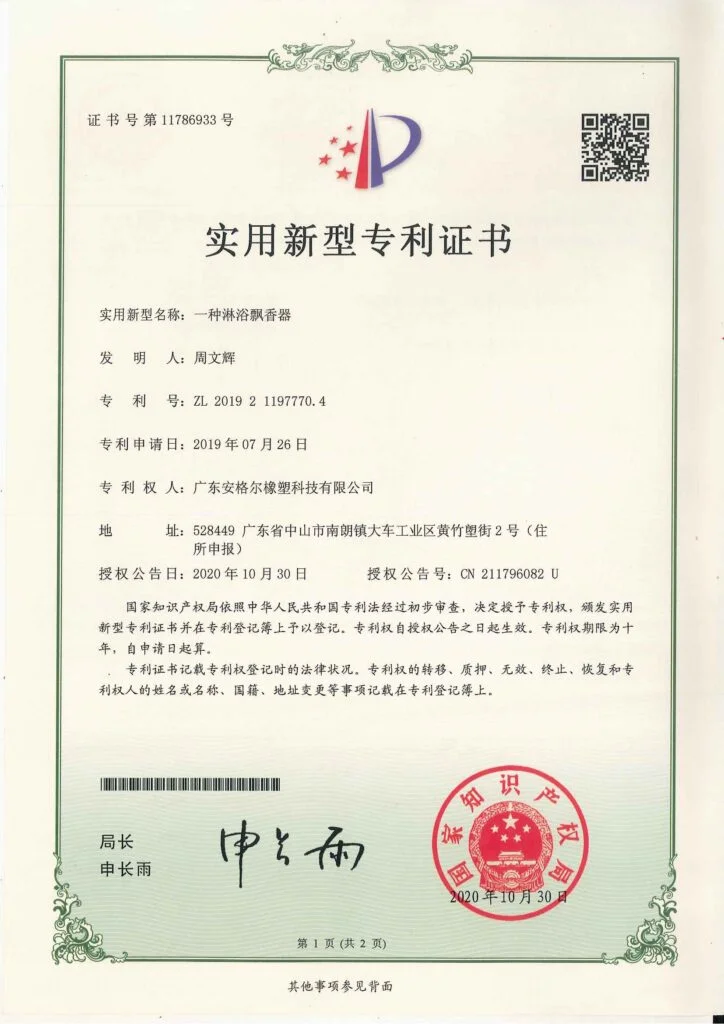
For a sourcing manager, certification is not a logo — it is a way to de-risk a supplier you have not yet audited. It matters because, as procurement communities openly warn, “many suppliers claim certifications they don’t actually have.” Engelhardt holds both ISO 9001 and IATF 16949, and we expect — and welcome — buyers verifying certificate status directly with the issuing body.
Certification Stack
04 / Audit Pillars
Certifications, Tools & Validation We Run In-House.
/ 01
IATF 16949
Automotive QMS — built on ISO 9001 + sector requirements.
/ 02
ISO 9001
Quality management system across all production stages.
/ 03
PPAP / APQP
Part-approval & advanced quality planning on request.
/ 04
In-House Lab
Mooney, MDR, salt-spray, heat-aging, vibration testing.
Standard Evolution
From ISO/TS To IATF 16949:2016.
IATF 16949:2016 replaced ISO/TS 16949 in 2016 and is built directly on ISO 9001:2015, adding automotive-specific requirements: defect prevention, risk-based thinking, customer-specific requirements and the five core AIAG tools APQP, FMEA, MSA, SPC and PPAP.
In the real world that means when your program needs a PPAP package, Engelhardt can supply the evidence proving that the process can maintain specification at your production rate:
// PPAP Evidence Package
Process Flow
Control Plan
Dimension Reports
Signed Part Submission Warrant
Unlike most aftermarket-only shops and generic industrial suppliers we run the right machinery.
How To Order Custom Automotive Rubber Parts — From Drawing To Delivery
For: Procurement (Primary) and Program Managers (Budget Approval)
Probably the most common expression of displeasure heard from buyers of custom parts is not price but “I am not sure that anyone I talk to understands my product”. Our purchasing process is designed to remove just that question early, with engineering interaction before any tooling is cut.
Procurement Flow
05 / RFQ To Production
The Path From RFQ To Production.
01
Stage / RFQ
Send Your Drawing Or Sample
2D/3D drawing, part sample or even a description. We review geometry, tolerances and the service environment.
02
Stage / DFM
DFM Review and Material Selection
We flag mold-ability risks and recommend the elastomer and durometer for your temperature and fluid exposure.
03
Stage / Quote
Quotation and Tooling Plan
Part price, tooling cost and lead time, with options for new molds or running customer-owned tooling.
04
Stage / Sample
Prototype and First-Article Approval
Sample parts and, where required, a PPAP package for first-article and program approval.
05
Stage / Ship
Volume Production and Delivery
Batch production with per-lot testing and traceability; release against your schedule.
Pricing and Lead Time
06 / Cost Drivers
Pricing Factors For Custom Automotive Rubber Parts.
Cost estimates for custom rubber are driven by about half a dozen variables rather than a published price list:
/ 01
Elastomer Grade
/ 02
Part Design and Tolerance
/ 03
Bonding / Secondary Assembly
/ 04
Mold Type (New / COT)
/ 05
Order Quantity
/ 06
Quality Documentation
FKM and silicone both cost far more than EPDM or SBR; quality documentation ranges from a standard check through to full PPAP. Lead time is mainly tooling-dependent — a new one adds more time to the first run; customer-owned and existing molds lean toward a quicker delivery.
Send us your drawing, quote target volume, and level of documentation needed, and we will return a specific quotation and lead-time estimate for your part.
Buyer Insight
For Program Managers — Landed Cost, Not Unit Price.
For program managers measuring a China source against a domestic one, the real consideration is landed cost, not simply unit price. An IATF 16949 process with in-house tooling and testing exists precisely to keep that rework cost down.
Unit PriceBase
Communication Overhead+
Freight+
Import Duties+
Rejected Lots and Rework+ Decisive
Engineering Resources
Automotive Rubber Parts Engineering Tools
Automotive Rubber Parts — FAQ
Six recurring questions we receive from procurement teams and design engineers sourcing custom automotive rubber parts — answered directly, with the same depth we give in an RFQ conversation.
Automotive rubber parts use seven main elastomers, each chosen for a different service condition. EPDM handles weather, coolant and HVAC sealing but has no oil resistance. NBR/nitrile is the standard for oil and fuel contact. Neoprene suits mounts and dampers. Silicone/VMQ covers high-temperature hoses and electronics seals, while FKM/Viton handles fuel-injection and high-temperature oil seals. Natural rubber serves dynamic isolators, and SBR works for general-purpose parts. The correct choice depends on the temperature range and exposure to oils, fuels or ozone.
Yes. Engelhardt is a custom manufacturer — send a drawing, sample or description, and we quote against your geometry, tolerances and service conditions.
Yes. We co-vulcanize elastomer to metal inserts for bushings, engine mounts, muffler hangers, vibration isolators and metal-reinforced seals. Bonded parts are validated with pull and shear testing plus environmental ageing — heat-aging and salt-spray — because most in-service bond failures are corrosion advancing along the interface rather than original bond defects.
Engelhardt operates under two quality systems: ISO 9001 and IATF 16949, the automotive-sector standard. IATF 16949 is built on ISO 9001 and adds automotive-specific requirements — defect prevention, risk-based thinking and the five AIAG core tools, including PPAP and APQP. We can provide a PPAP package when your program requires it, and we welcome buyers verifying our certification status directly with the issuing body before placing an order.
Both depend on the part. Tooling drives lead time — a new mold extends the first run. MOQ varies with elastomer and mold type. Send your drawing for a specific estimate.
Yes. We provide prototype parts and first-article samples ahead of volume production, and support low-volume programs as well as full series. With many buyers diversifying their supply base, we also work with companies qualifying Engelhardt as an additional or second-source automotive rubber parts supplier.